
News
Fabrizio Plessi, the pioneer of video art who found his artistic homeland in Mallorca
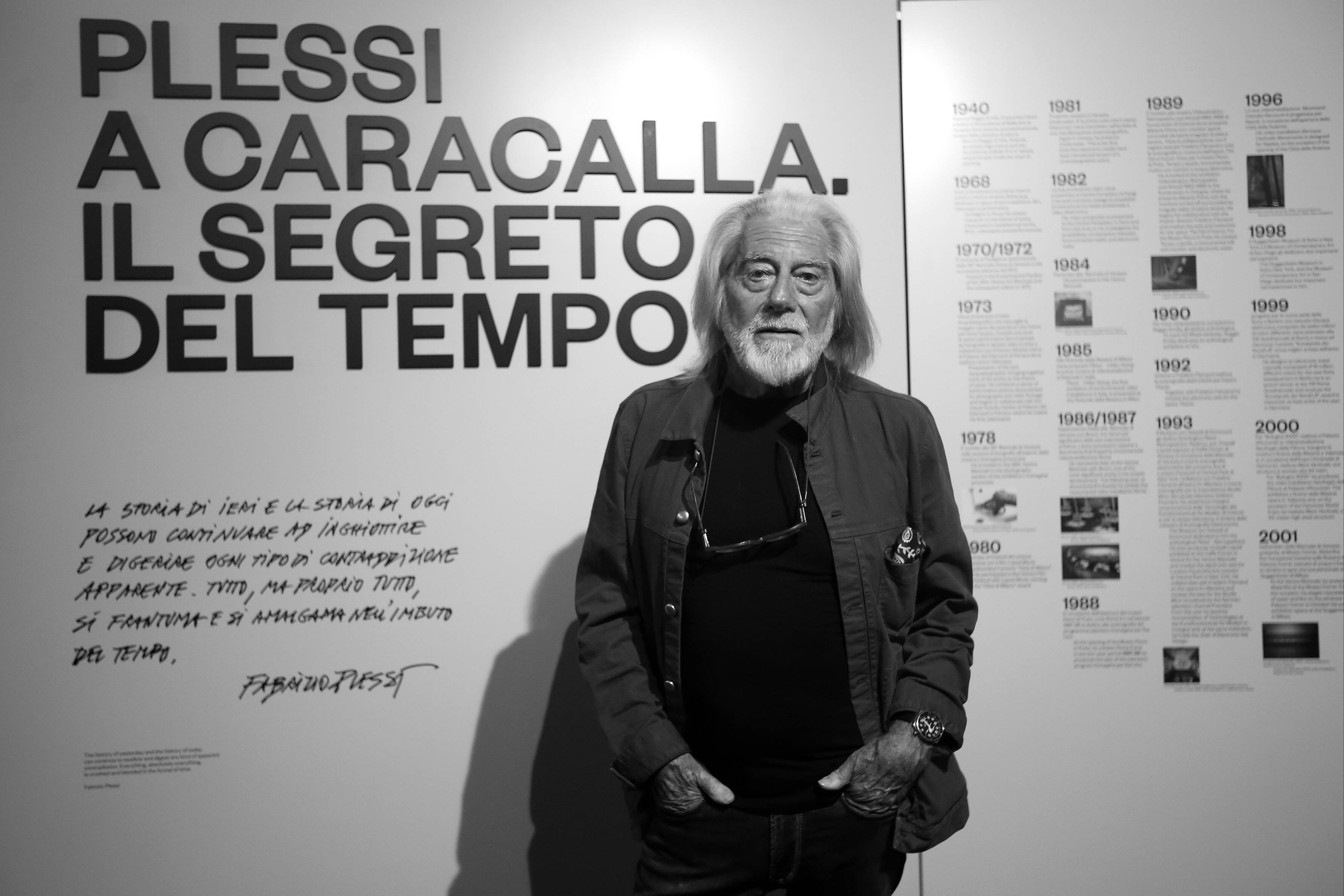
Fabrizio Plessi has died at the age of 86, leaving behind a legacy fundamental to understanding the evolution of European video art. Born in Reggio Emilia in 1940, the Italian artist developed over half a century a unique language situated at the intersection of sculpture, architecture, image, and performance. His work combined technology, water, fire, stone, wood, light, and sound, transforming them into tools for exploring memory, landscape, and the transformation of matter.
But his passing takes on a particularly significant dimension in Mallorca, an island with which he maintained a relationship for almost four decades and which ended up becoming much more than just his place of residence. For Plessi, Mallorca was a refuge, a space for creation, and above all, a true artistic homeland.
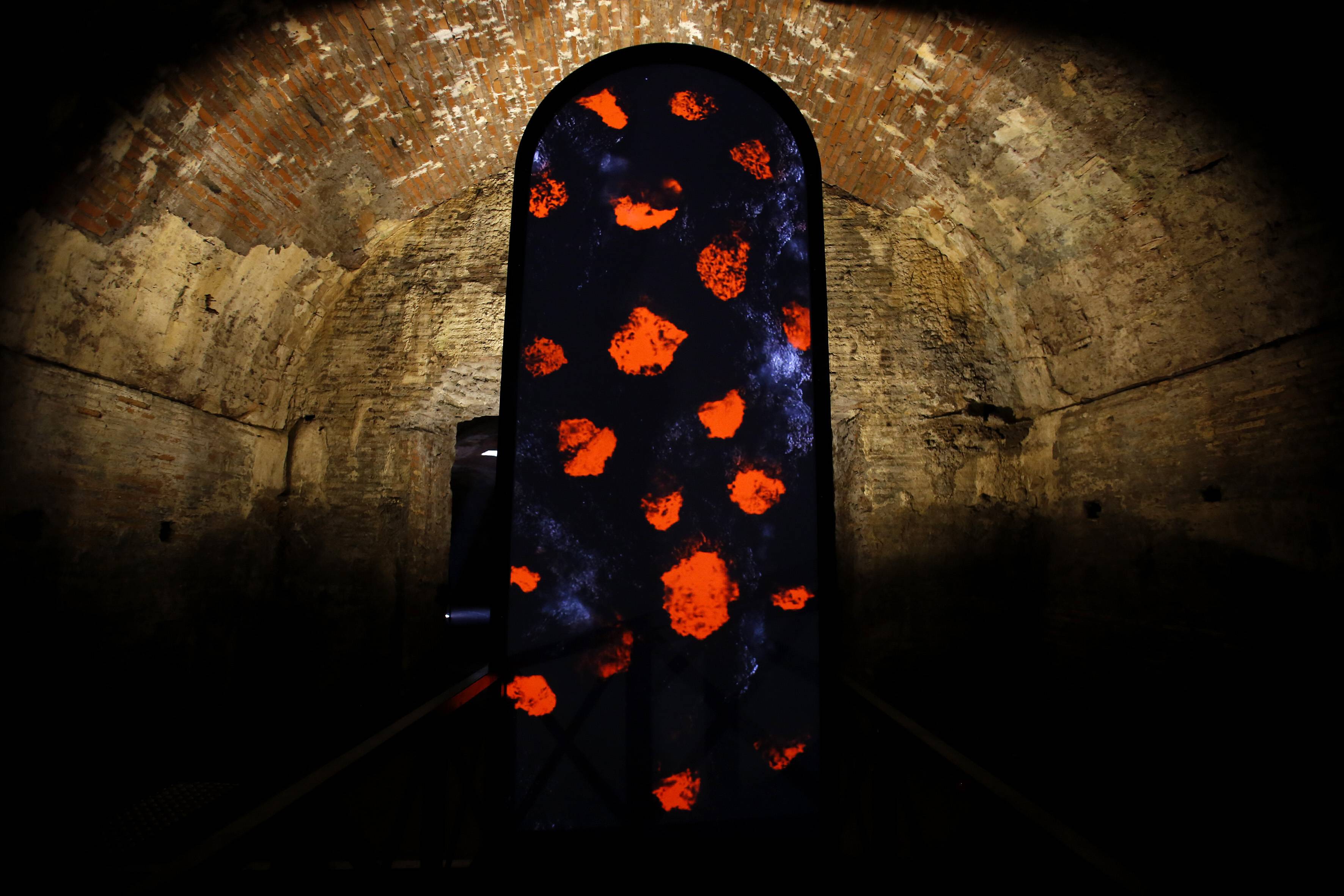
One of the defining characteristics of his work was his understanding of video. Plessi never conceived of it merely as an image to be viewed on a screen, but as a medium capable of occupying space and acquiring a sculptural dimension. Monitors, metal structures, stones, wood, lights, and sounds were integrated into large installations where electronic images could evoke the movement of water, the flames of fire, lava, or the flow of a stream.
His proposal thus established a constant dialogue between tradition and technology. The digital did not appear as a break with the past, but as a tool capable of reinterpreting it. Matter and its representation, landscape and its technological reproduction, the ancestral and the contemporary coexisted in installations with a strong poetic charge.
Throughout his career, Plessi participated in numerous editions of the Venice Biennale and presented his work at some of the world's most prestigious cultural institutions, including the Centre Pompidou in Paris and the Guggenheim in New York. Over the years, his installations acquired an increasingly architectural and spectacular dimension, though they always maintained a fundamental concern for memory, time, and the relationship between humankind and its environment.
Mallorca as a turning point
Plessi's relationship with Mallorca began in 1989, when he was invited to present a major exhibition at the Palau Solleric in Palma. The artist arrived on the island after having already achieved widespread international recognition, but that visit would end up profoundly marking his personal and artistic trajectory.
During the following decades, Mallorca came to occupy a central place in his life. The southeast of the island, and especially Santanyí, became his refuge and the space from which he developed much of his creative activity. There he established his studio, Sa Pedra, conceived by the artist himself as a kind of total work of art and as a space where architecture, landscape, and creation coexisted.
The presence of Mallorca in his imagination was therefore not limited to becoming a source of inspiration. The island ended up becoming part of Plessi's own identity and his way of understanding art.
'Llaüt Light', a dialogue with Mallorcan tradition
One of the works that best reflects this connection was Llaüt Light , presented in 2011 at the Llotja in Palma. In it, Plessi took as his starting point one of the great images of Mallorcan maritime tradition, the llaüts, to construct an installation in which the boats acquired a new dimension within the historic Gothic building.
The proposal was particularly significant because Plessi reduced many of the technological resources that had characterized his career. The wood of the boats, the architecture of the Llotja, and the light established a direct dialogue between the island's maritime tradition and the artist's contemporary vision.
Llaüt Light thus condensed a relationship built over decades. Mallorca was no longer simply the landscape surrounding the artist, nor a place from which to create. It had become an essential part of his language and his identity.
You may be
interested
...