Exhibitions
Thomas Houseago has spent two decades pushing the limits of the human figure
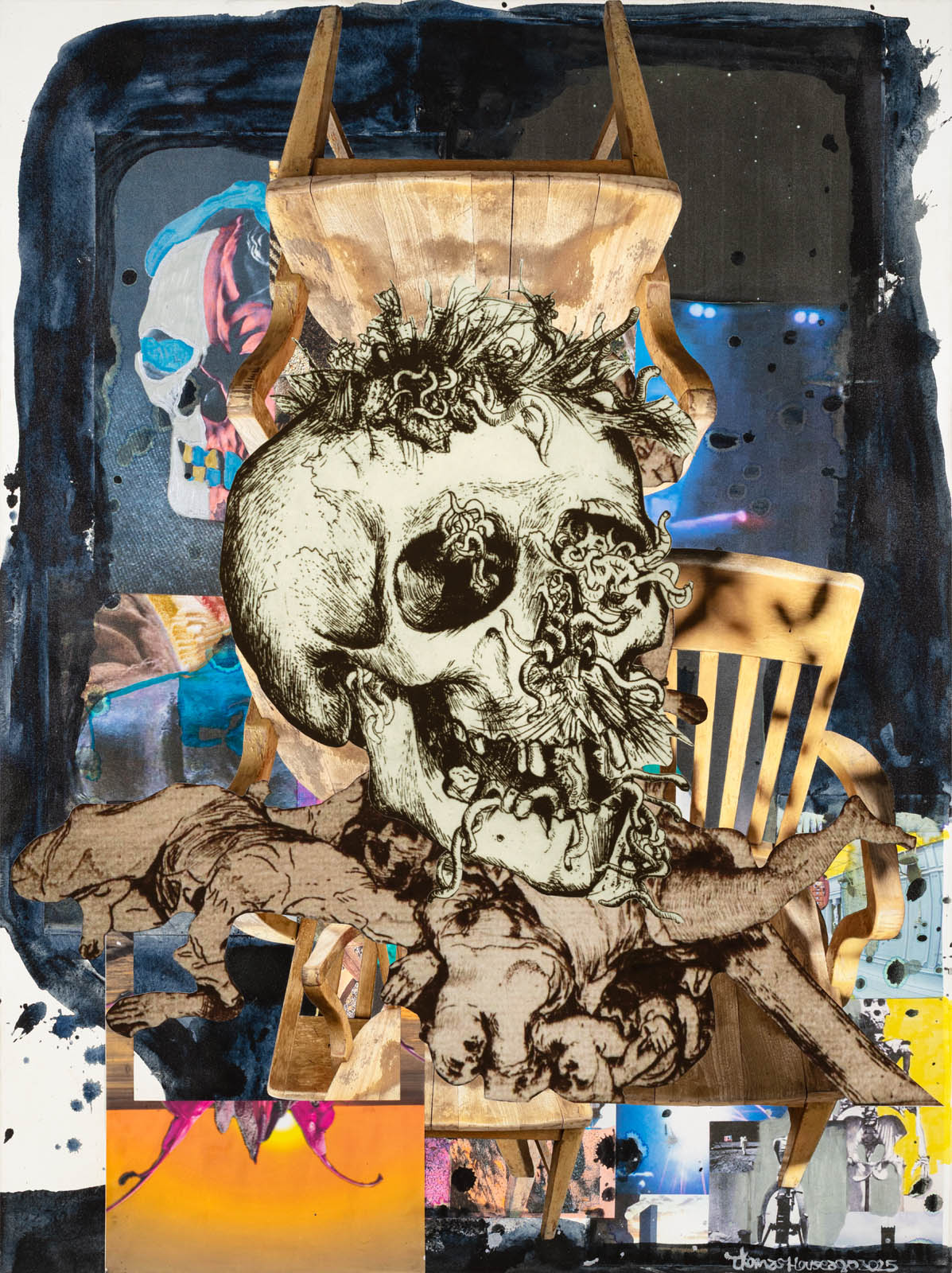
The Rubell Museum in Miami is dedicating its first-ever comprehensive solo exhibition to Thomas Houseago with "First Light ," a show that brings together more than twenty works created over the past two decades and traces the evolution of an artist who has transformed the human figure into a territory of tension between monumentality, fragility, and matter. The exhibition occupies the first seven galleries of the museum and will remain open until September 27, 2026.
The exhibition begins with a particularly significant group of eight plaster figures commissioned by the Rubells for the 2006 Red Eye exhibition. Among them is First Light , the work that gives the exhibition its title, along with pieces such as Box Figure , Sitting Nude , Sunrise , Standing Boy , and Striding Man . These sculptures offer a glimpse into a pivotal moment in Houseago's career, when his figurative language began to acquire a scale and intensity that would become some of his defining characteristics.
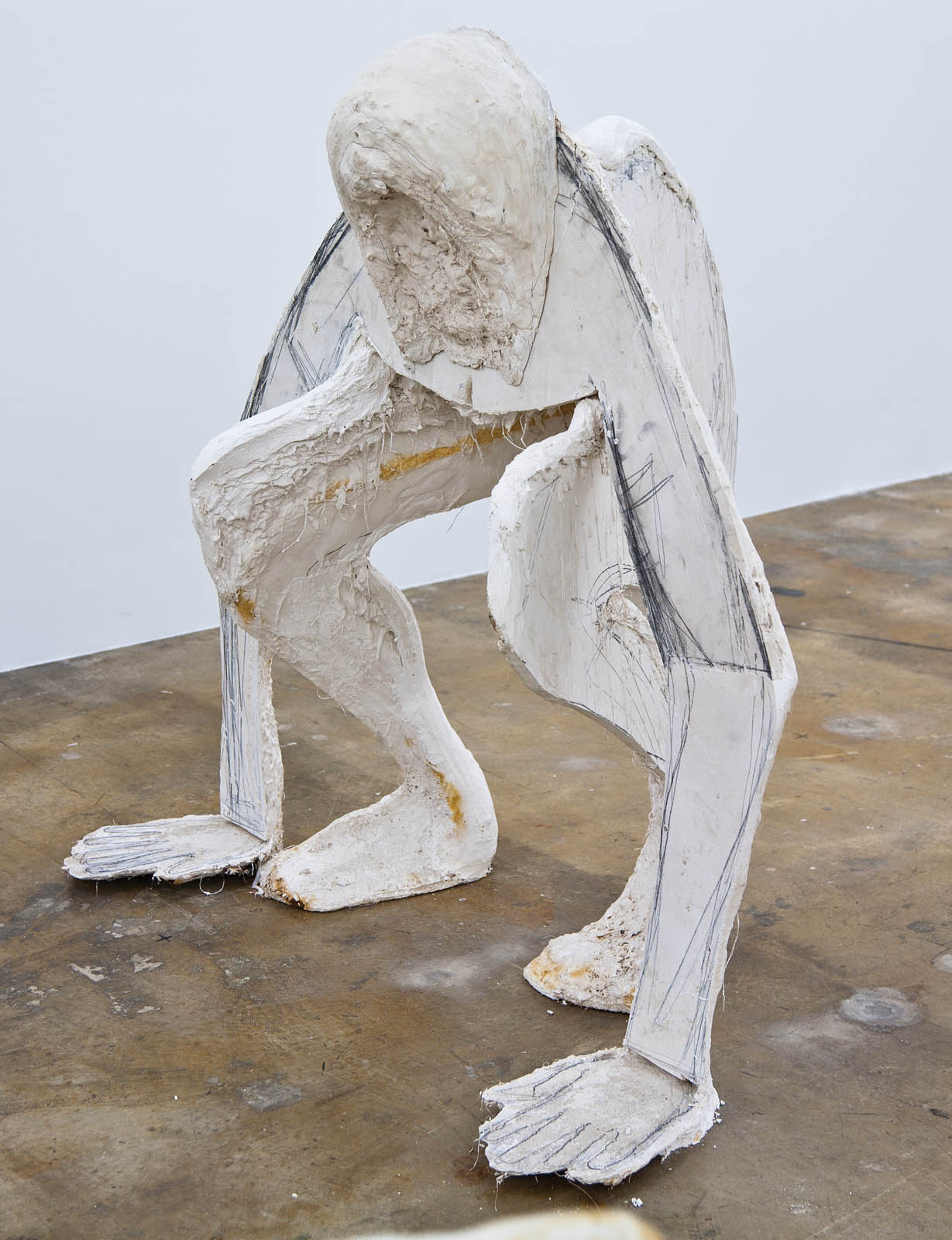
Standing Boy, 2006.
Born in Leeds in 1972, Houseago studied at the Jacob Kramer Foundation College, Saint Martin's School of Art in London, and De Ateliers in Amsterdam. After living and working in Europe, he settled in Los Angeles in 2003, where he continues to develop his practice. His international recognition was consolidated during the 2000s, and his work was included in exhibitions such as the 2010 Whitney Biennial.
His sculpture is characterized by a particularly physical relationship with materials and by often displaying the very traces of its construction. Structures of iron, plaster, hemp, wood, bronze, or aluminum combine to create bodies that appear simultaneously powerful and incomplete. The Whitney Museum has noted precisely this tension between the imposing appearance of his figures and the vulnerability of their construction.
First Light expands this perspective to include works in wood, bronze, paper, found objects, plaster, and painting on canvas, demonstrating how drawing and painting have always accompanied her exploration of the body. In her creative process, drawing functions not only as an independent practice but also as a tool for constructing her sculptures and exploring faces, anatomies, and volumes.
The exhibition also includes large-format paintings created in 2026, establishing a dialogue between the artist's early plaster figures and his most recent research. The result is a journey through twenty years of transformations, but also a demonstration of the continuity of a fundamental concern: how to represent the human presence when the body is fragmented, deformed, or transformed into architecture.
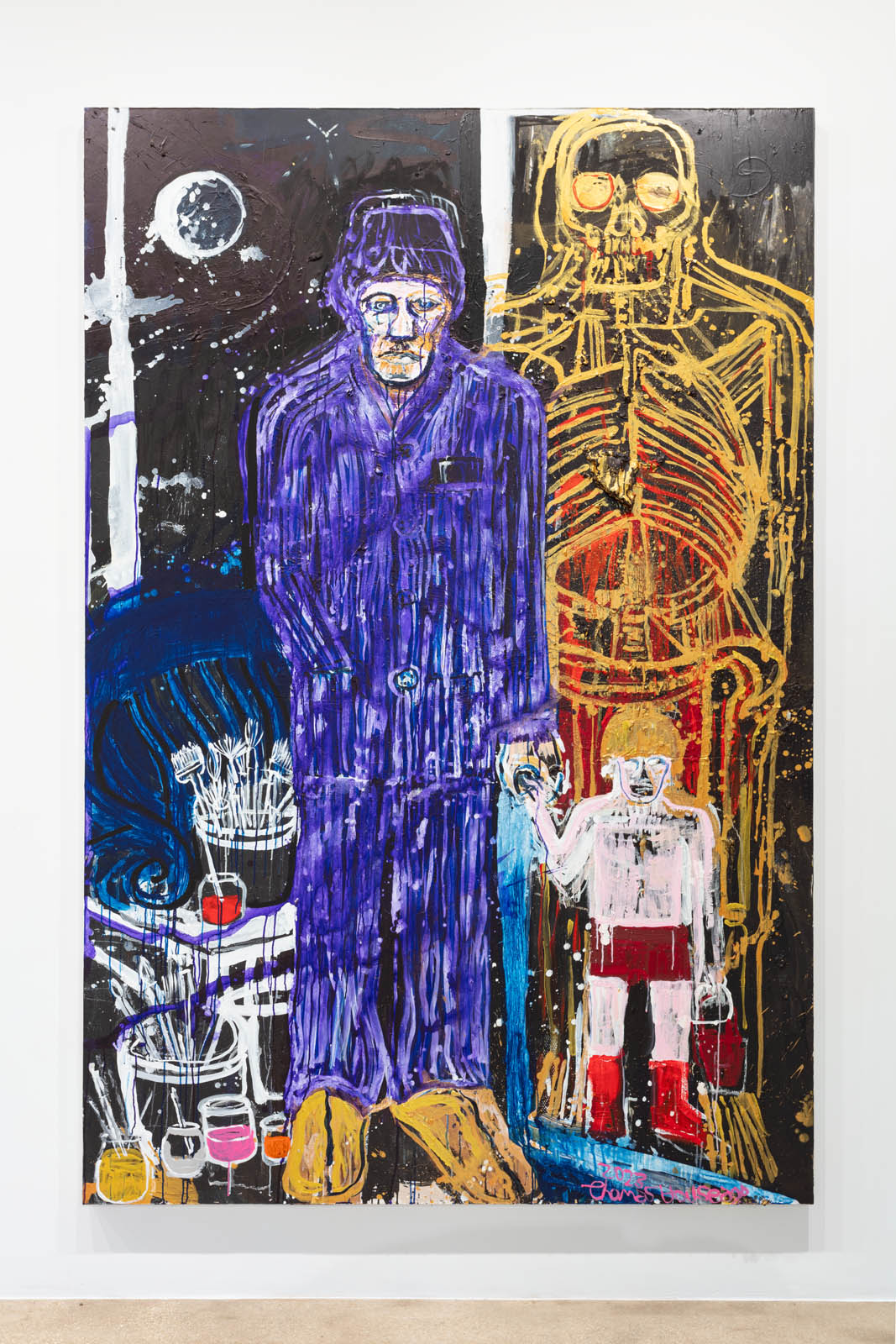
Stage 2 - Vortex Episode - I'm it - It's me, 2023.
This dimension is especially relevant in Houseago's work. His figures may appear monstrous, but they are rarely threatening; they are unstable, vulnerable, and deliberately incomplete bodies. The visible use of materials and structures allows the viewer not only to contemplate the final result but also to perceive the physical process of constructing each work.
The Rubell Museum exhibition thus joins a trajectory that has already taken place at institutions such as the Royal Academy in London, the Musée d'Art Moderne de la Ville de Paris, the Centre Pompidou-Metz, and the Royal Museums of Fine Arts of Belgium. First Light now offers a concentrated interpretation of this trajectory in Miami and highlights Houseago's ability to keep open, for more than twenty years, the same question about the body, matter, and the fragility of form.
You may be
interested
...