Exhibitions
Aleix Plademunt puts the matter before the gaze
The Nicéphore Niépce Museum presents a selection of a hundred photographs that explore the relationship between humans, the material world and the ways of perceiving it.
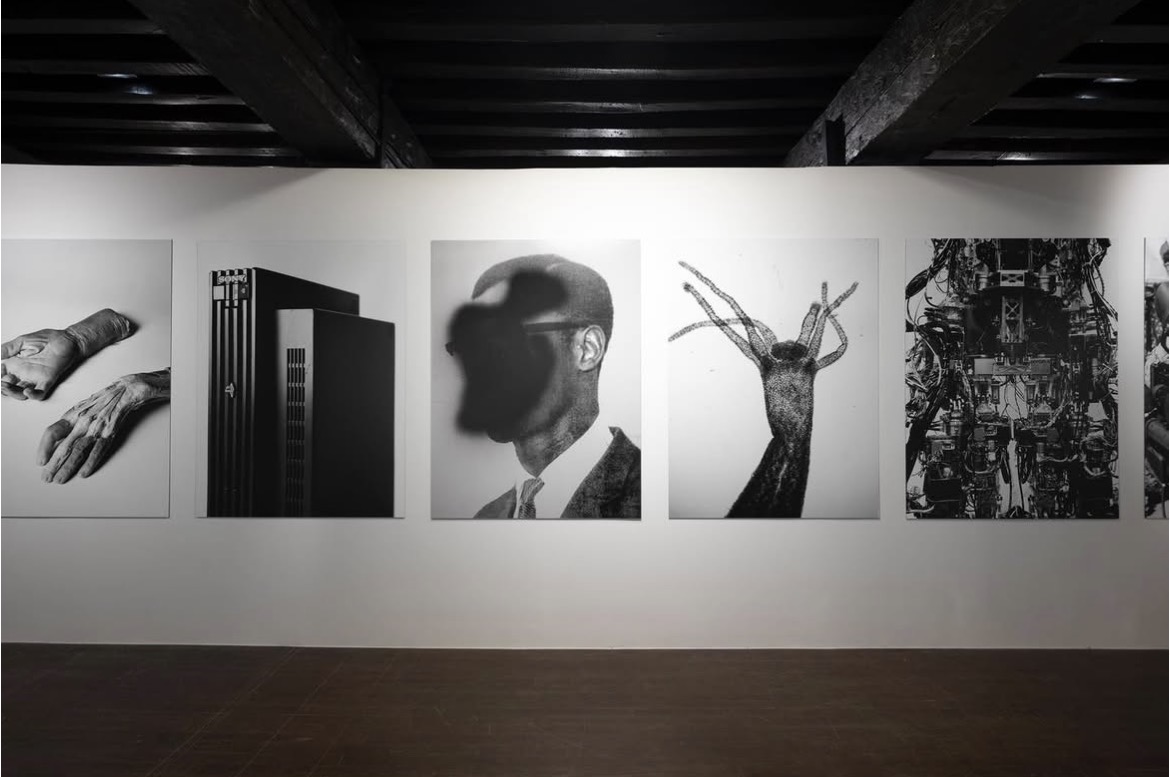
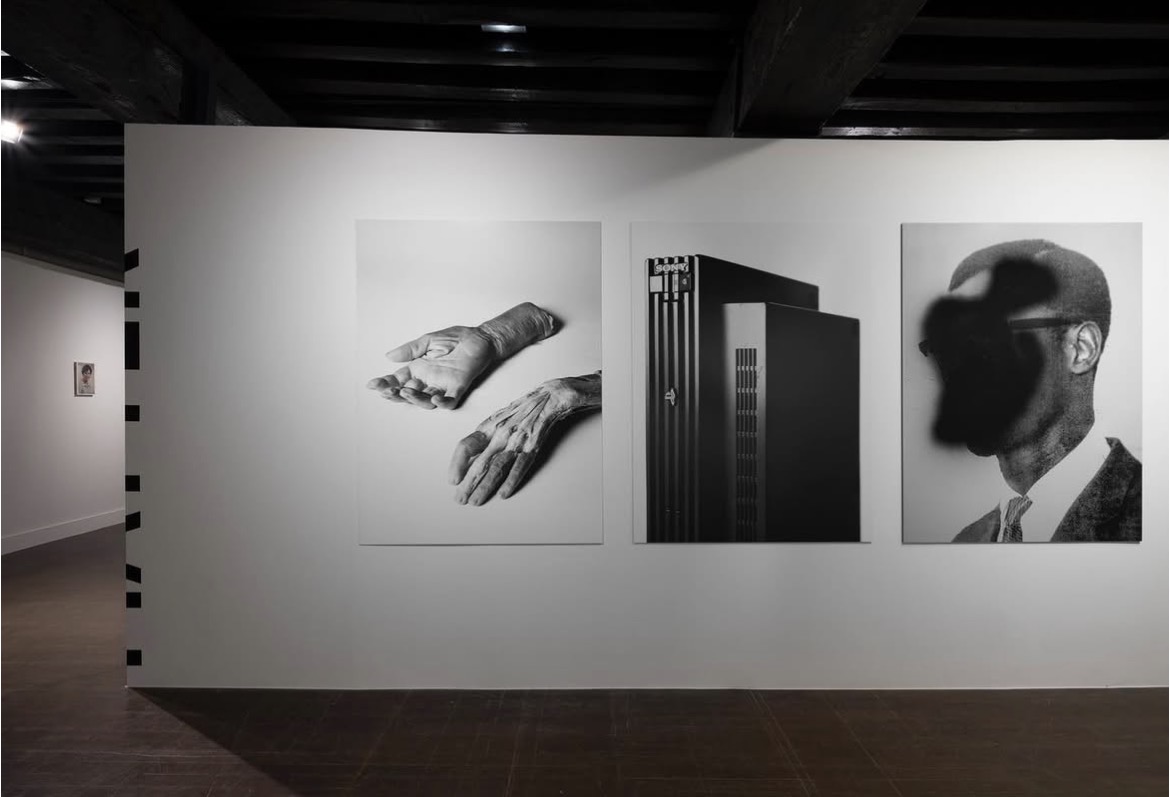
The Musée Nicéphore Niépce, in Chalon-sur-Saône, dedicates the exhibition Matter to Aleix Plademunt until October 11, a proposal that traces the career of the Catalan artist through a hundred photographs from different moments, geographies and projects. The exhibition, open since July 4, starts from an idea as elementary as it is unattainable: matter as origin, as physical presence and, at the same time, as what matters.
The term matter itself contains this double dimension. The word refers to mater , its Latin root, linked to the mother and to an original source from which everything unfolds. But in English it also designates that which has importance, that which counts. Plademunt is situated precisely in this space of tension between substance and meaning, between material reality and our way of looking at it.
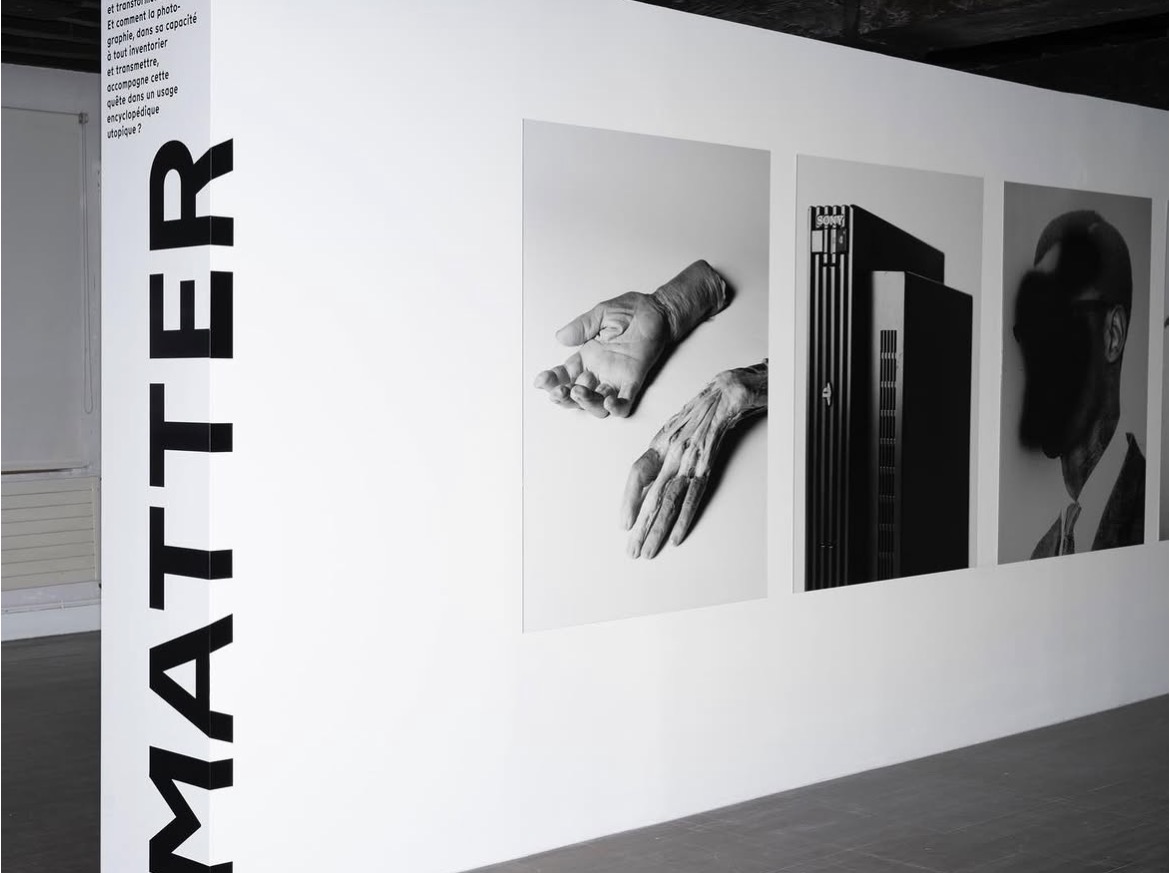
The exhibition thus poses a question that does not seek a definitive answer: how do human beings attempt to observe, understand and transform matter? Photography appears as a privileged tool to address this question, capable of inventorying, classifying and transmitting fragments of the world, but also of highlighting its contradictions.
Far from constructing a neutral catalogue of reality, Plademunt uses photography to show its fractures. His images connect issues such as intimacy, politics, ecology, science and technological progress, and relate beauty to violence, discovery to transformation, and knowledge to the limits of our capacity to intervene in the environment.
The selection assembled at the Nicéphore Niépce Museum comes from a corpus of more than 600 photographs. The nearly one hundred images chosen belong to different periods and represent geographically distant spaces or materials that, in principle, would never have coincided. Their arrangement does not necessarily follow a chronological or narrative sequence, but rather relies on association, contrast and friction.
This way of constructing the route turns the exhibition into an exercise in unexpected connections. Images separated by time, distance or the nature of their protagonists enter into dialogue and generate new meanings. The montage thus makes visible the vertigo of trying to approach a concept as broad as that of matter and, at the same time, questions the very possibility of representing the whole world.
Born in Girona in 1980, Aleix Plademunt began his professional career in the field of engineering before deciding to dedicate himself to photography. In 2004 he obtained a higher degree in photography from the Polytechnic University of Catalonia and later completed his training with a master's degree in photography from the Universidad de las Américas, in Cholula, Mexico.
His photographic practice focuses on the complex relationships between humans, landscape and matter. With a methodology that combines documentation, conceptualization and a poetic gaze, the artist examines the ways in which societies observe, use, transform and reconfigure their environment.
In this sense, Matter expands one of the constants of his work: the desire to understand the world through its material traces. The photographs not only record what exists, but also raise questions about the forces that have made each reality possible and about the consequences of our intervention.
You may be
interested
...