News
El Celler de Can Roca celebrates 40 years of gastronomic excellence
The anniversary becomes a declaration of intent with a new culinary proposal that claims innovation, territory and permanence.
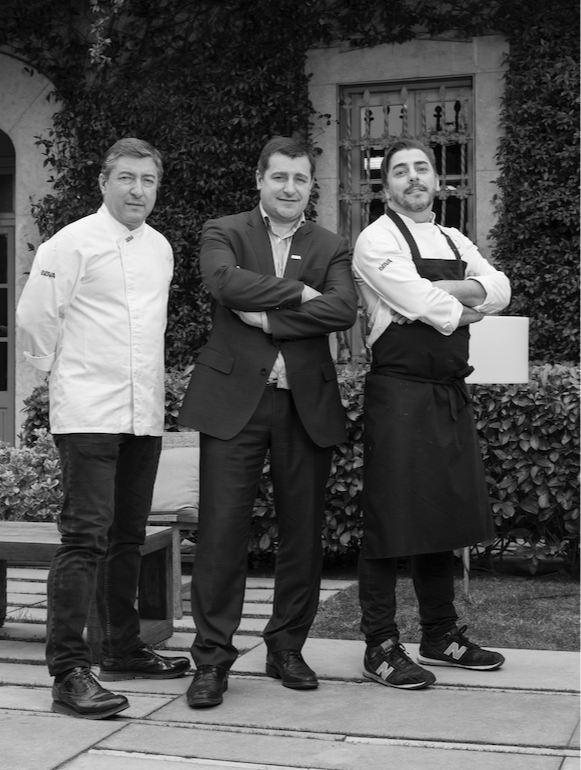
When a restaurant reaches its fortieth anniversary, the celebration usually looks back. El Celler de Can Roca, on the other hand, has chosen to do exactly the opposite. Instead of turning the anniversary into a tribute to its great dishes, the Girona-based restaurant is taking advantage of the anniversary to propose a new reflection on the future of avant-garde cuisine, faithful to a philosophy that has made it one of the world's great gastronomic references.
Since that August of 1986 when Joan and Josep Roca opened a small restaurant next to the family business of Taialà, the project has not stopped evolving. The incorporation of Jordi Roca completed a creative team that has made the complicity between the kitchen, dining room and pastry shop its main hallmark.
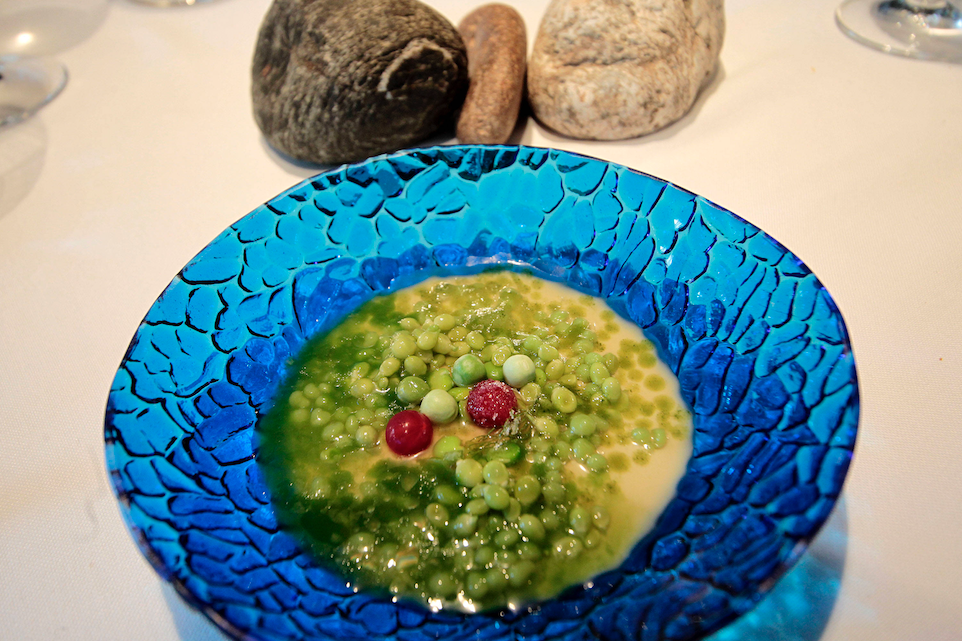
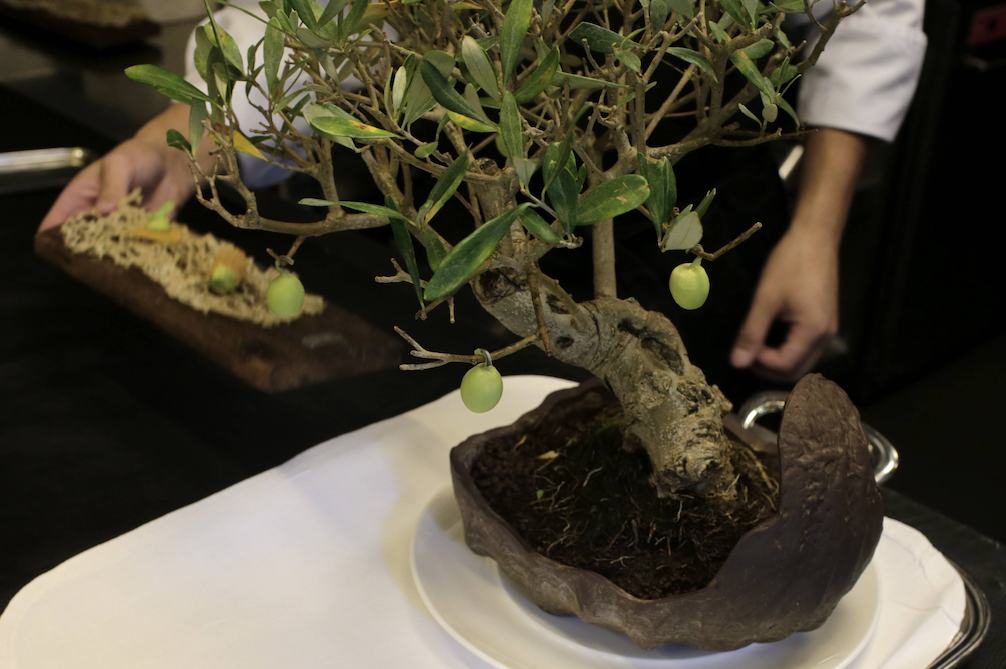
To commemorate these four decades, El Celler presents an exceptional forty-course menu that proposes a journey towards new gastronomic languages. The experience begins with a composition of appetizers presented on nummulitic stone that synthesizes some of the creative concepts that have defined its trajectory. From here, the journey incorporates technological resources such as augmented reality, subtly integrated into the service, to expand the culinary story beyond the plate.
The proposal responds to a very clear idea: innovation does not consist of breaking with the past, but of reinterpreting it. Gastronomic memory, respect for the product, Catalan cuisine and constant research continue to be the foundations on which the Roca brothers build each new creation.
If there is one milestone that sums up the restaurant's international dimension, it is its recognition as the best restaurant in the world by The World's 50 Best Restaurants in 2013 and 2015. However, the Rocas insist that the biggest challenge is not reaching the top, but maintaining the ability to surprise every day. Permanence, more than awards, is the true indicator of excellence.
Another decisive stage came in 2007 with the move to the current Can Sunyer building. The new space, conceived in dialogue with the landscape, reinforces the relationship between gastronomy and nature. The natural light, the central courtyard and the presence of beech trees turn the restaurant into a setting where architecture, territory and cuisine share the same language.
The strength of the project continues to be the sum of three complementary perspectives. Joan Roca brings culinary rigor and technical research; Josep Roca has turned the room and the wine into a cultural experience; and Jordi Roca has expanded the limits of contemporary pastry with a creativity that dialogues with perfume, art and emotions.
Its trajectory can also be read through its recognitions: the first Michelin star arrived in 1995, the second in 2002 and the third in 2009, consolidating a project that has become an international reference without ever giving up its Girona roots.
You may be
interested
...