Exhibitions
Ana Mendieta returns to London with a bang
From July 15, 2026, to January 17, 2027, Tate Modern presents the first major retrospective in the UK dedicated to Ana Mendieta (Havana, 1948–New York, 1985) in over a decade. Featuring more than 120 works, the exhibition offers a profound reinterpretation of one of the most influential artists of the second half of the 20th century, whose multidisciplinary practice transcended the conventional categories of sculpture, photography, video, and performance. Far from following a strictly chronological order, the exhibition is structured around symbolic spaces that allow us to understand how the body, nature, and memory constitute a single creative territory.
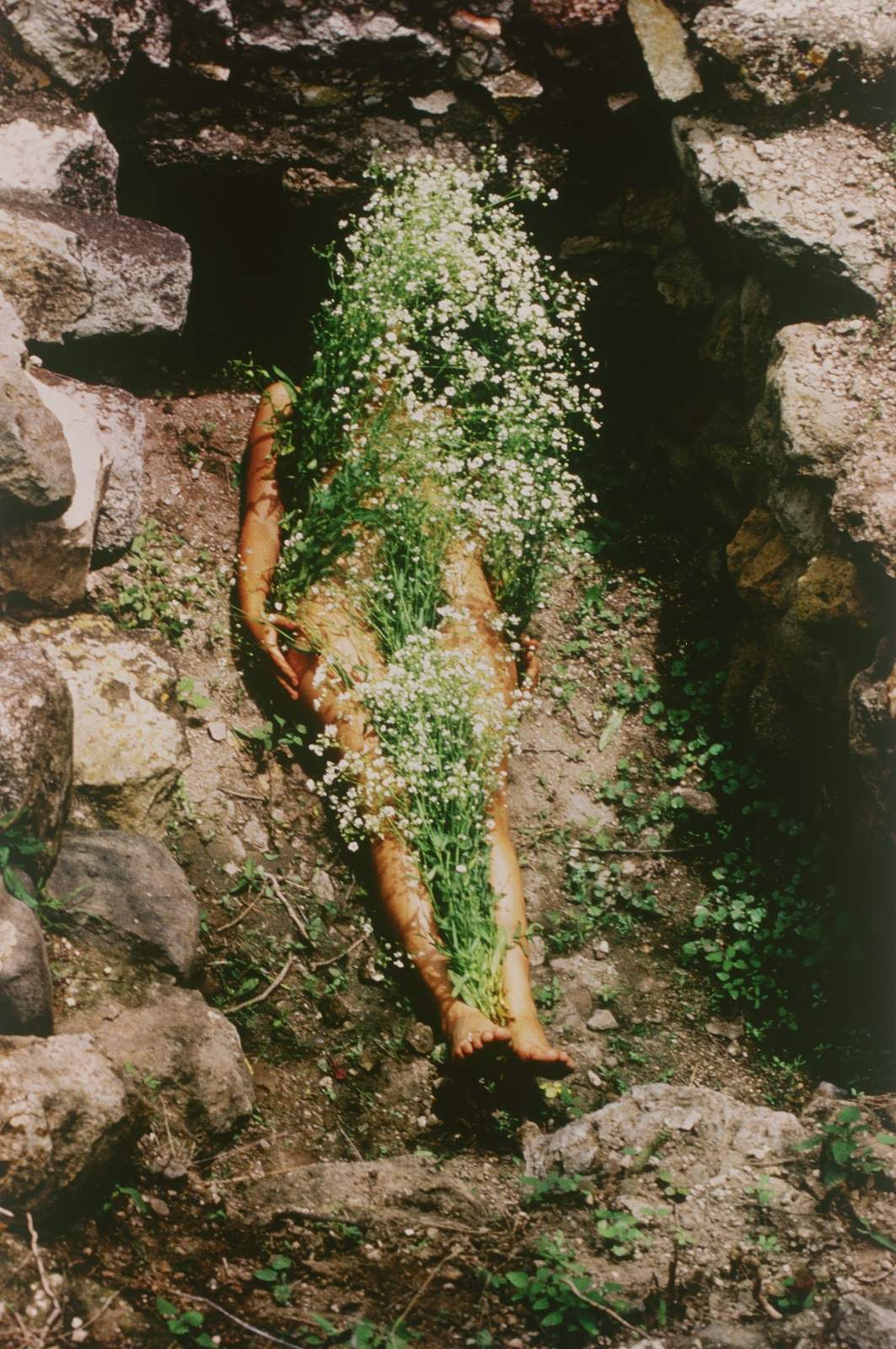
The exhibition centers on the celebrated Silueta Series (1973-1980), a collection of ephemeral interventions through which Mendieta inscribed the imprint of her body on earth, sand, mud, fire, and flowers. More than mere performances, these works constitute rituals of belonging and disappearance that question the permanence of the art object and reclaim nature as a space of transformation. The photographs and films documenting these actions engage in dialogue with paintings, drawings, late sculptures, reconstructed installations, and a selection of recently restored films, revealing an artist whose work continues to challenge the boundaries between the physical, the spiritual, and the political.
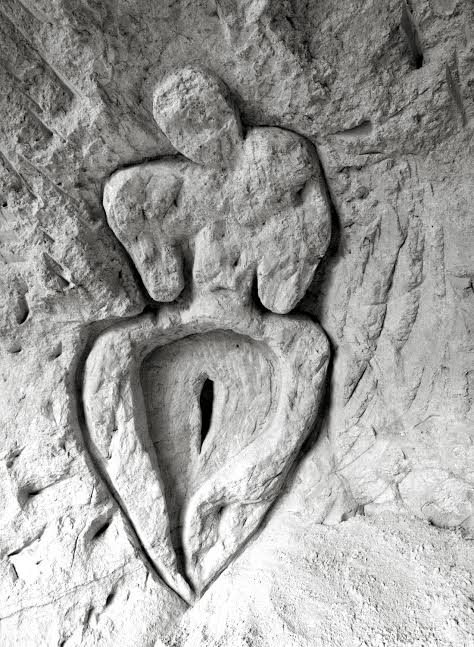
Exile is one of the central themes of the exhibition. Born in Cuba and moved to the United States at the age of twelve after the Revolution, Mendieta transformed the experience of displacement into the driving force behind an artistic investigation into origin, identity, and memory. Works such as Ochún (1981), created on the Florida coast, and the Rock Sculptures (1981), carved from Cuban limestone and inspired by both Neolithic archaeology and Afro-Cuban and Taíno traditions, demonstrate a constant desire to rebuild connections with her lost homeland. In this sense, the exhibition underscores the anthropological dimension of her work, where the landscape ceases to be a mere backdrop and becomes a living archive of individual and collective experiences.
The retrospective also recovers lesser-known aspects of her career, such as her participation in the experimental Intermedia program at the University of Iowa, her teaching, and her involvement in the New York feminist scene through the AIR Gallery, a pioneer in promoting women artists. The inclusion of restored films, some presented for the first time in the United Kingdom, broadens our understanding of an audiovisual language that Mendieta used with absolute freedom, intervening directly on the celluloid and recording such iconic actions as Bird Run (1974) and Anima, Silhouette of Rockets (1976).
More than four decades after her untimely death, Ana Mendieta's work remains remarkably relevant. In a context marked by debates on the body, territory, feminism, migration, and ecology, this exhibition confirms that her work not only anticipated many of the concerns of contemporary art but continues to offer a powerful reflection on the relationship between humankind and nature. Tate Modern is not simply recovering an essential figure in the history of art: it is reclaiming an artist whose poetics continue to engage the present with uncommon intensity.



You may be
interested
...