Exhibitions
The volatile memory archive maps the changing memory
A collective exhibition at the Únqiues Foundation turns memory into artistic matter and presents the archive as a living, fragile and constantly changing space.
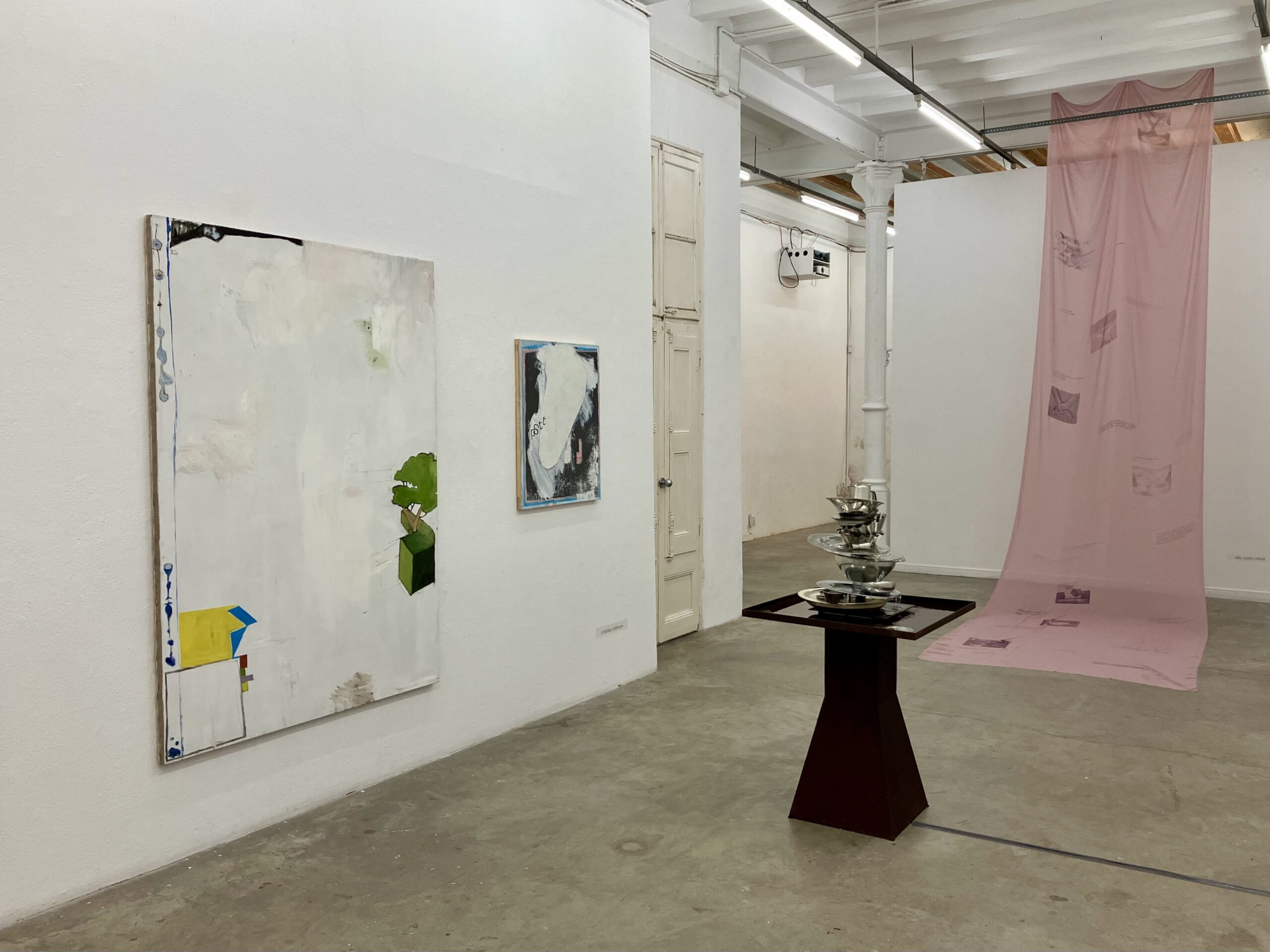
Memory is not a stable territory. It is transformed, fragmented, rewritten and, often, only survives thanks to the traces we decide to preserve. This is the premise of The Archive of Volatile Memory, an exhibition proposal that brings together the artists África Morgui Súnico, Ana Lucía Garcia Hoefken, Gessamí Olesa Sancho, Irene Trujillo Villegas, Agustina Fioretti, Alba Acebes Macià, Cristina Cebrecos Noriega, Maria Rodon Peyrí and Nicole Vindel to reflect on the ephemeral nature of memory and the mechanisms with which we try to preserve it.
Far from understanding the archive as an immutable classification device, the exhibition presents it as a living organism, capable of transforming itself at the same pace as human experiences. The tour establishes a dialogue between individual and collective memory, between history and biography, proposing a critical look at the almost obsessive need to fix what, by definition, is fleeting.
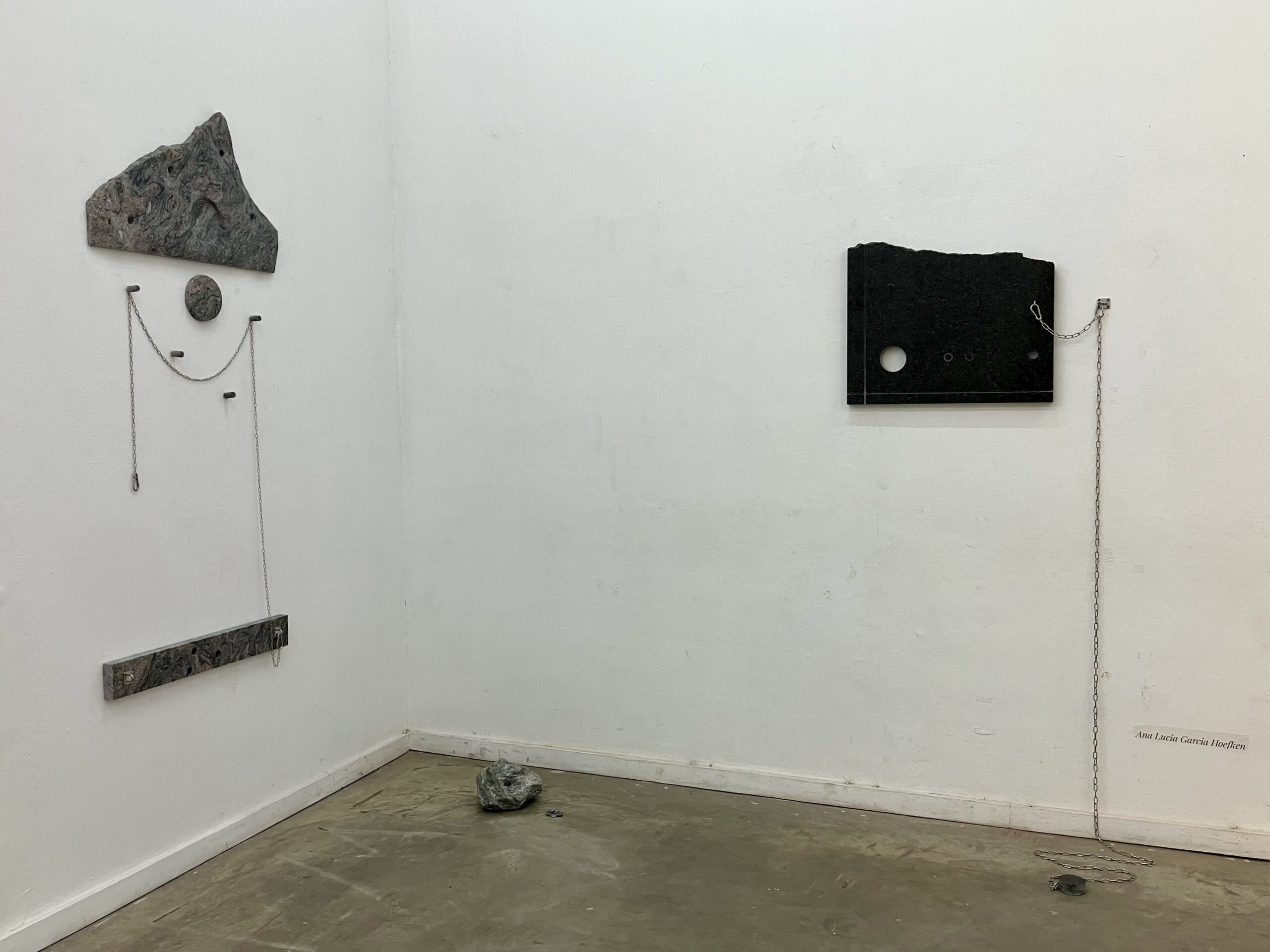
FINISHED PRODUCT & EXTRACTIONS - Ana Lucia Garcia Hoefken.
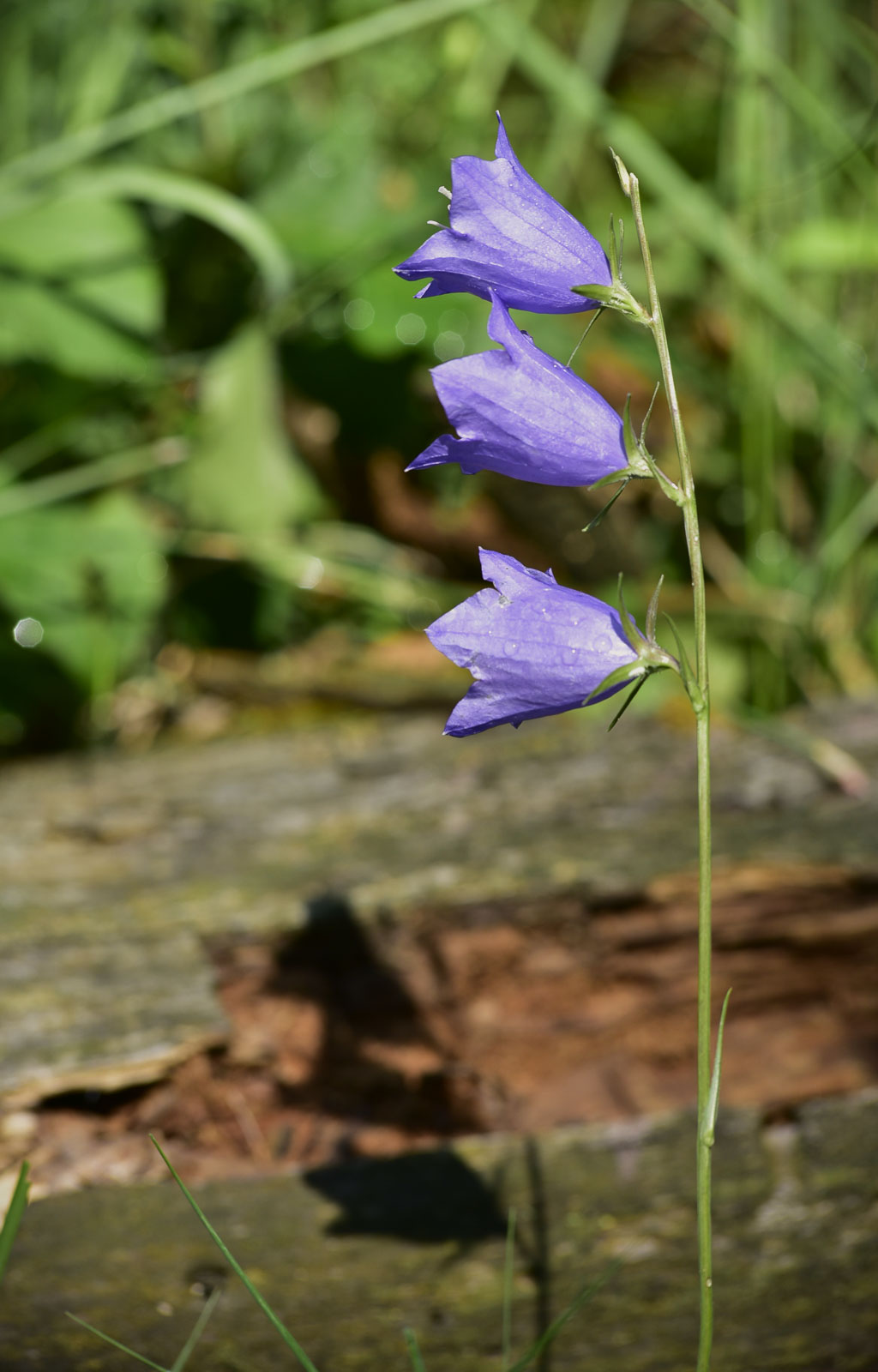
One of the common threads is the relationship between territory and memory. Ana Lucía Garcia Hoefken, with L'étàtic en moviment , observes the landscape as a living body subject to the passage of time. Her pieces question the human impulse to control nature, showing it as a reality that always ends up escaping any attempt at domination. The landscape thus ceases to be a setting to become a metaphor for memory: apparently stable, but in permanent transformation.
This link with the land continues in the work of Gessamí Olesa Sancho, who in Parcel·les sen título transfers fragments of territory to the exhibition space. By decontextualizing them, she turns the matter into a document and poses a suggestive question: to what extent does memory also inhabit materials? The work proposes an archaeology of the present where the land becomes a repository of accumulated time.
The construction of memory from desire appears strongly in Altar for a memory that never existed but includes more than fifty horses , by Irene Trujillo Villegas. The piece explores memory's capacity to invent stories, demonstrating that remembering is never an objective act, but a reconstruction conditioned by emotions, absences and expectations.
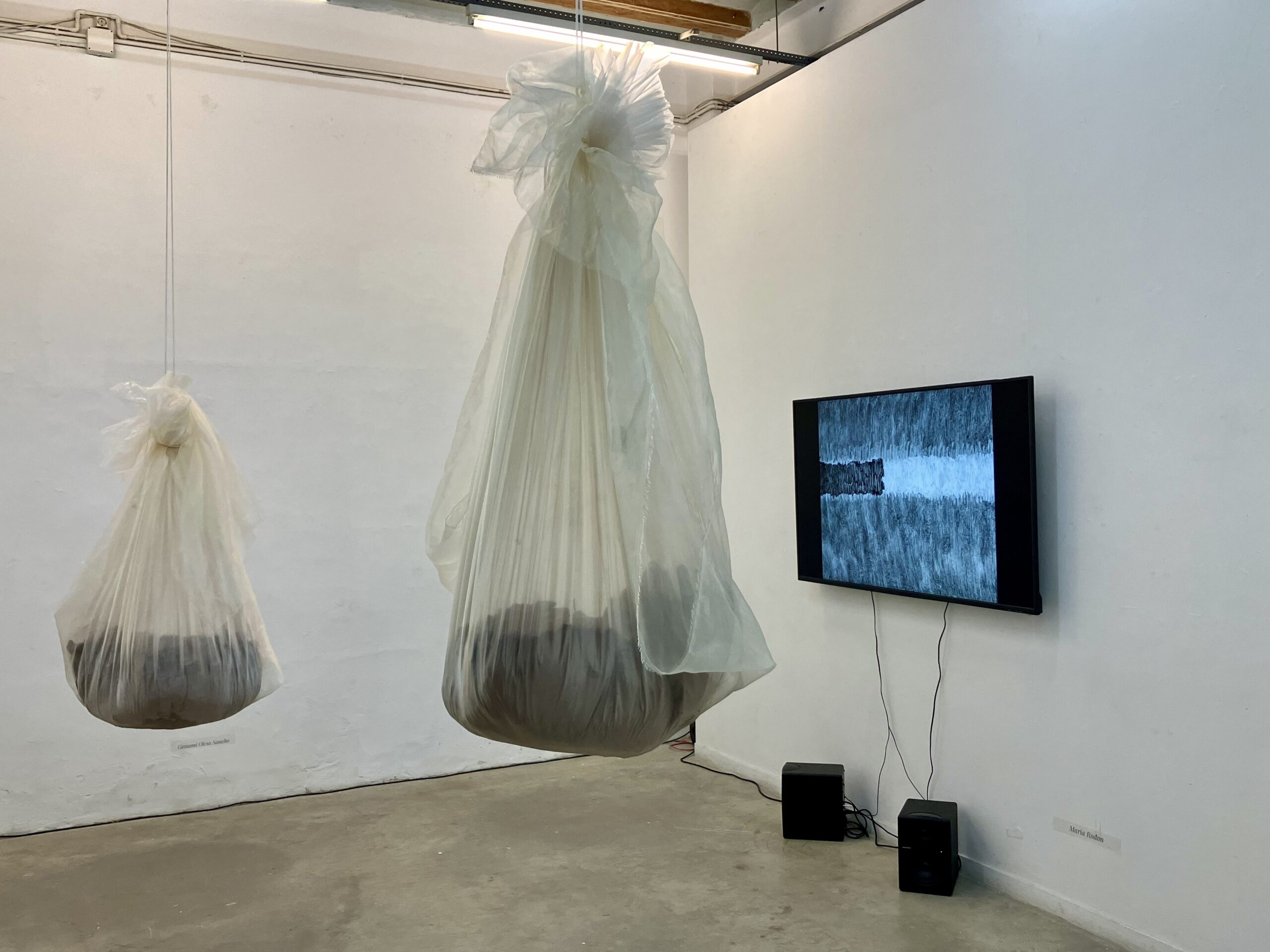
Inheritance - Jessamí Olesa Sancho / Thinking drawers, translating contours - Maria Rodon.
The idea of the archive acquires a political dimension in the work of Agustina Fioretti. With Com tornar portables les coses? , the artist extends the concept of document beyond institutional records and reclaims family and emotional histories as spaces of resistance. Her work shows that any archive is also a selection and, therefore, a position on what deserves to be remembered.
This choral perspective is completed by Alba Acebes Macià, who in Com alguna chosa que permamenta ser crescada i destra simultaneously builds an archive of diverse voices around the relationships between love and anger. The work displaces individual authorship to give prominence to a shared memory, built from multiple experiences that coexist, complement and also contradict each other.
The disappearance of memories is Cristina Cebrecos Noriega's starting point. In Pipe System she does not attempt to reconstruct a complete memory, but rather to attend to its residues. Her proposal focuses on the traces, on the fragments that remain when the memory fades, turning loss into a matter of artistic creation.
For her part, Maria Rodon Peyrí, with Pensar calaixos, traduir contorns , questions the linear idea of time. The drawers function as a metaphor for mental spaces where experiences accumulate that do not follow any chronological order. The past thus appears as an open structure, in which each evocation reorganizes personal history.
The tour concludes with Nicole Vindel and Privilege of a False Abundance , a work that directs attention to the most everyday and seemingly insignificant gestures. Archiving dirty dishes or the remains of everyday life means recognizing that memory is also built from the ordinary, from the details that usually go unnoticed but that end up defining an era and a way of life.
The archive of volatile memory offers a contemporary reading of memory far removed from any nostalgia. The works do not seek to preserve the past in an immutable way, but rather to demonstrate that remembering is always an act of transformation. The set stands out for its conceptual coherence and the diversity of languages with which the artists approach the same issue, turning the exhibition into a reflection on the fragility of the stories we construct and on the impossibility of retaining time without modifying it. More than preserving memory, the exhibition reminds us that all memory is, inevitably, a form of creation.

You may be
interested
...