Exhibitions
The Bayeux Tapestry returns to England almost a thousand years later
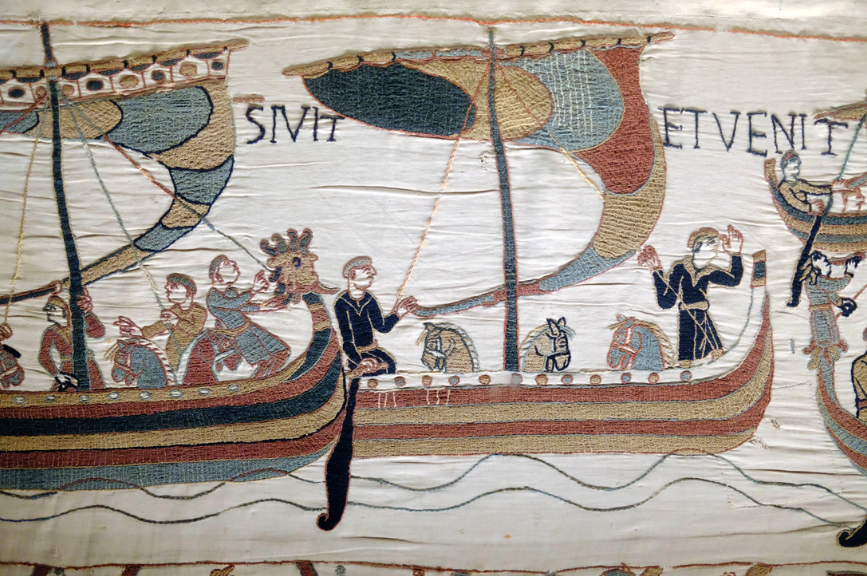
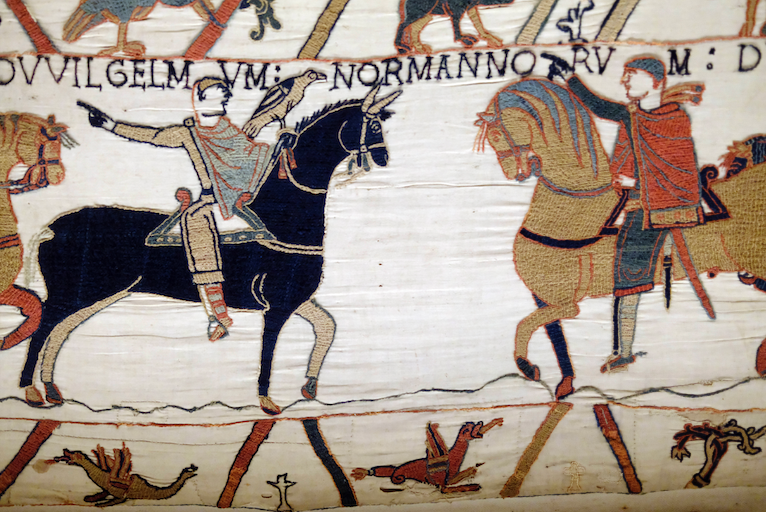
In the early hours of Friday morning, one of the greatest treasures of European heritage discreetly passed through the doors of the British Museum. It was 2:50 a.m. when a truck from northern France entered the institution's loading dock under tight security. Inside was the Bayeux Tapestry, the celebrated medieval work that depicts the Norman Conquest of England and which, for the first time in nearly a millennium, was returning to the country where it was likely created.
The transfer was carried out under a sophisticated conservation system and with the supervision of conservators, specialized technicians, and officials from the London museum. Its arrival was met with excitement by those who participated in what was considered a historic operation.

"We have just witnessed something truly extraordinary," declared the director of the British Museum, Nicholas Cullinan. "The Bayeux Tapestry is returning to England for the first time in almost a thousand years. It is a truly exceptional moment, not only to be able to see it, but to be part of this event."
An embroidery that changed history
Measuring nearly seventy meters in length, the Bayeux Tapestry is one of the masterpieces of medieval European art. Its scenes illustrate the events leading up to the Battle of Hastings in 1066 and the conquest of England by William the Conqueror, combining artistic merit with extraordinary historical significance.
Although it has remained in Normandy for centuries and forms part of French cultural identity, most specialists agree that the embroidery was made in England, probably in Canterbury, at the end of the 11th century. Its creation is attributed to a monastic workshop of embroiderers under the patronage of Odo of Bayeux, half-brother of William the Conqueror.
It is precisely this possible English origin that explains why many historians today speak of a "return" rather than a simple international loan.
A far-reaching diplomatic agreement
The arrival of the tapestry is the result of a cultural agreement reached a year ago during French President Emmanuel Macron's state visit to the United Kingdom. France agreed to temporarily loan one of its most emblematic heritage works while the Bayeux museum remains closed for an ambitious renovation project.
As part of the exchange, the British Museum will send several exceptional pieces from its collections to Normandy, including objects from the famous Anglo-Saxon burial site of Sutton Hoo and the famous Lewis chess pieces.
Macron described the loan as "a gesture of trust, a tangible expression of lasting friendship, and a demonstration of the shared desire of France and the United Kingdom to build their future together." As a symbol of this rapprochement, the British Museum projected an image of the tapestry onto the white cliffs of Dover, accompanied by a simple message: merci .
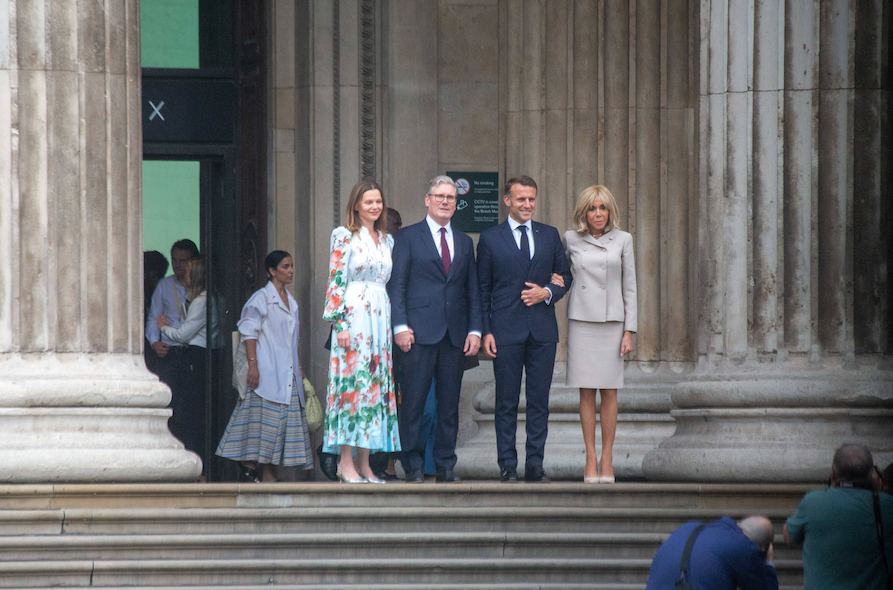
From left to right, Lady Victoria Starmer, British Prime Minister Keir Starmer, French President Emmanuel Macron and Brigitte Macron pose at the gates of the British Museum after visiting the Bayeux Tapestry and participating in a media appearance, on July 9, 2025 in London.
A shared emotion
Among those awaiting the arrival of the artwork was Millie Horton-Insch, curator of the exhibition project dedicated to the Bayeux Tapestry at the British Museum. She acknowledged that the moment was deeply moving.
He explained that it might seem strange to get emotional watching a truck pull into a loading dock, but he pointed out that the object being transported was made just a few decades after the events it depicts, probably by people who lived very close to those historical events. He even confessed that he was moved to tears watching the large container being lowered from the truck and that he expects to experience an even more powerful moment when he sees the tapestry fully unfurled.
A loan that has not been without controversy
The move has also sparked intense debate in France. Numerous experts expressed concern from the outset about the journey of such an extremely fragile piece, considered one of the great icons of the national heritage.
A citizens' petition went so far as to call the loan a "crime against heritage," arguing that no conservation device can completely eliminate the risks inherent in transporting a work that is almost a thousand years old.
Among the critical voices was also the artist David Hockney, who before his death publicly stated that the tapestry should not leave France. "Some things are too valuable to take that risk," he said at the time.



You may be
interested
...