Exhibitions
Rufino Tamayo and the expansion of the pictorial horizon
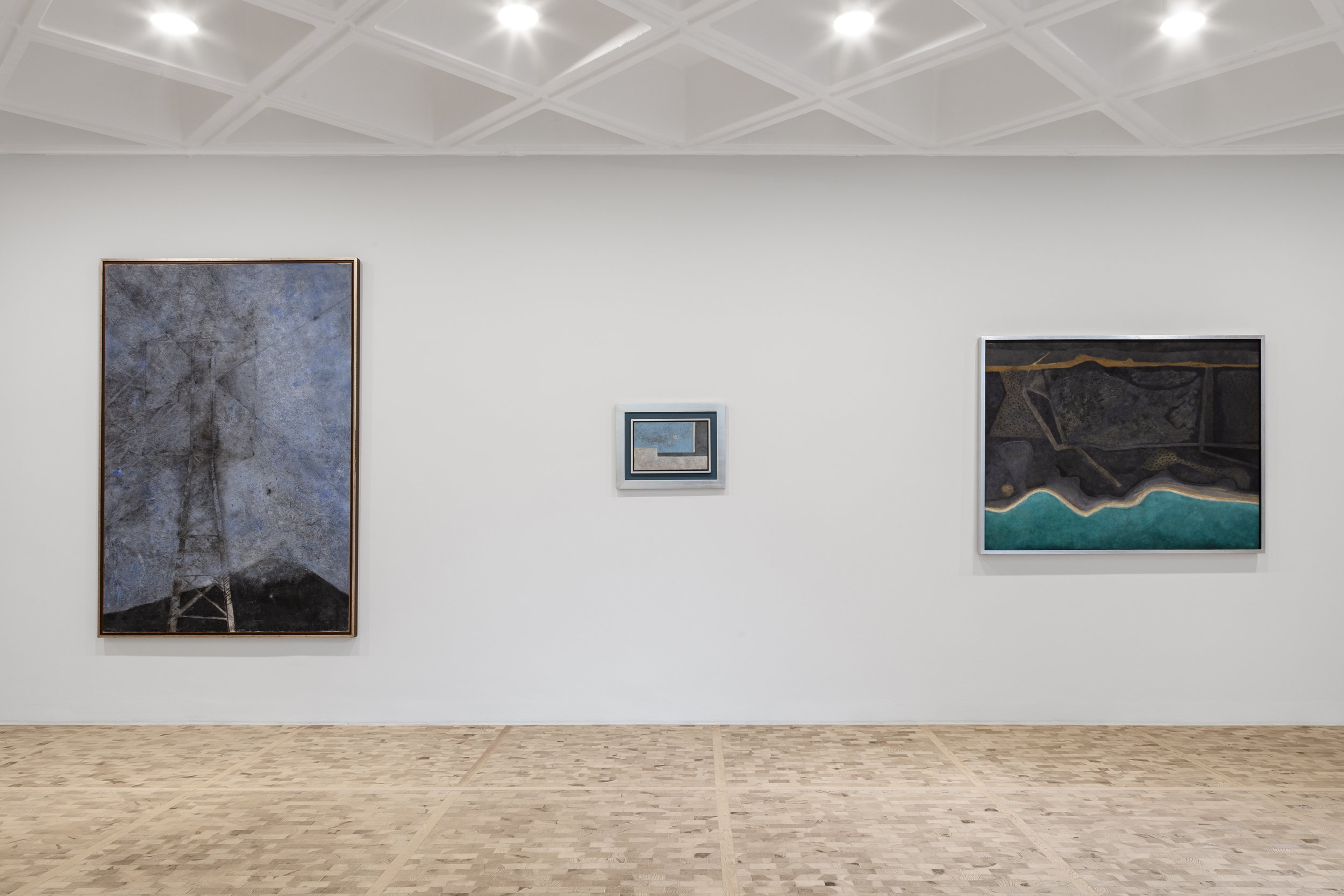
Far from offering a conventional retrospective, Horizontes , the exhibition at the Tamayo Museum on view until September 20, proposes a focused exploration of Rufino Tamayo's mature period, when the painter achieved one of the most personal and refined syntheses in 20th-century Latin American painting. Bringing together works that the artist himself designated for the museum's founding collection, along with pieces from private collections, the exhibition highlights a creative moment in which formal experimentation and chromatic freedom coexisted with a profound reflection on the human condition and the cultural landscape of Mexico.
The exhibition, curated by Juan Carlos Pereda, presents the visitor with a Tamayo fully aware of his artistic language. In these works, any narrative intent disappears, giving way to a painting that finds its principal expressive tools in color, matter, and composition. Each canvas functions as a territory where forms condense to achieve an almost sculptural intensity, while surfaces vibrate thanks to a chromatic exploration that made the artist one of the great colorists of modernity.
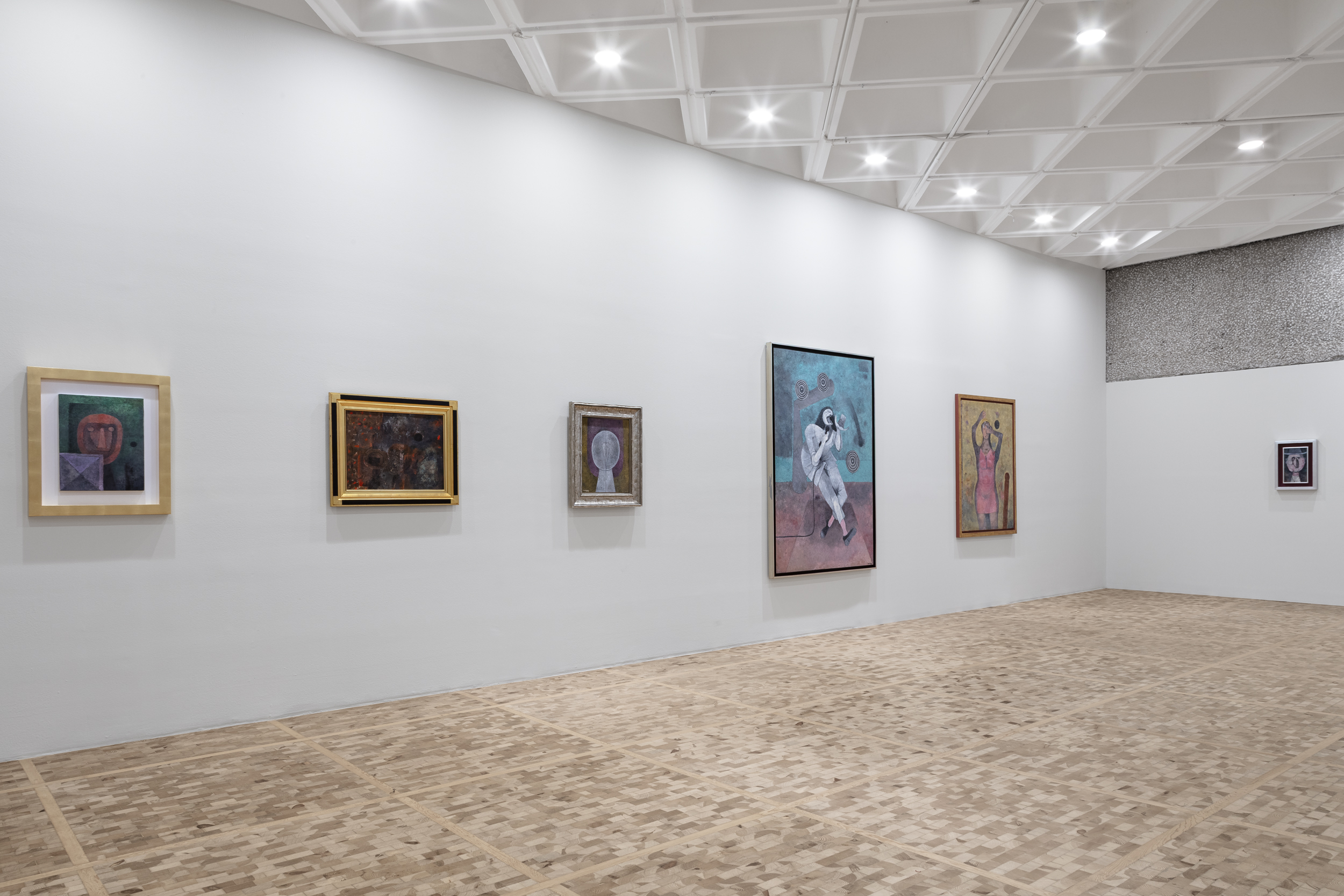
Although Tamayo cultivated some of the classical genres of art history—portraiture, landscape, nude, and still life—he never understood them as closed categories. In his hands, these inherited models are transformed into stages for a profoundly contemporary artistic exploration. His landscapes do not depict specific places, but rather states of contemplation; his portraits transcend the identity of the subject to become symbolic presences; his nudes engage in a dialogue with pre-Hispanic sculpture through a refinement of forms; and his still lifes abandon literal representation to become exercises in the balance between volume, texture, and color.
One of the exhibition's greatest strengths is demonstrating how Tamayo managed to construct a profoundly Mexican imaginary without resorting to costumbrismo or the nationalist discourse that characterized much of the art of his time. His connection to pre-Hispanic art, folk crafts, or everyday elements like fruit is always filtered through a universal perspective, capable of transforming local references into symbols of international significance.
This exhibition features emblematic works such as Watermelons (1968), which has become one of the iconic images of 20th-century Mexican painting. More than a representation of a fruit, the composition demonstrates the artist's ability to fuse form, matter, and chromatic atmosphere to construct an image of extraordinary sensory power. Color ceases to be a descriptive resource and becomes the true protagonist of the work.
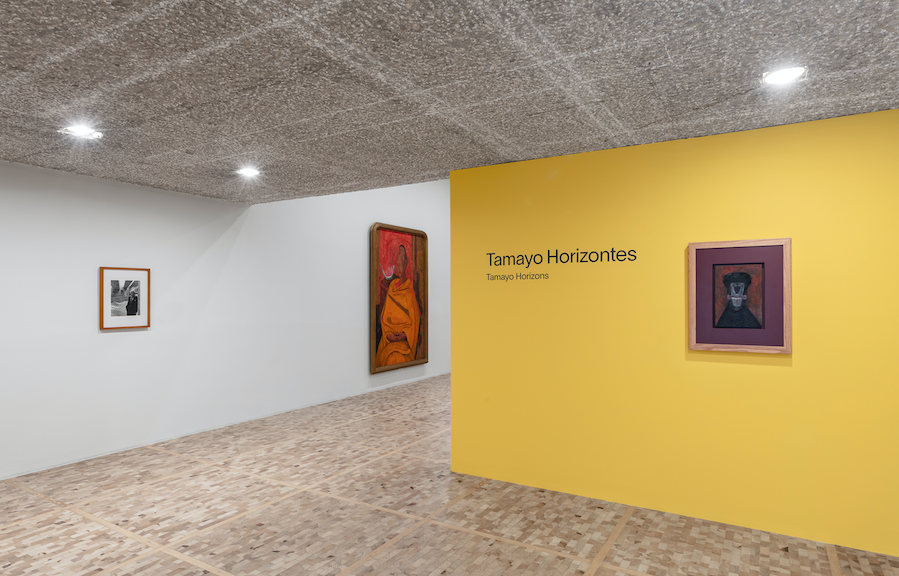
The exhibition also revisits Tamayo's interest in the human figure during the 1970s, when he incorporated mechanical-looking characters that resonated with the era's fascination with technology, robotics, and space exploration. Works such as Man in Red demonstrate how the artist absorbed the anxieties of modernity without abandoning his symbolic universe, creating monumental figures that oscillate between human presence, myth, and machine.
Throughout the exhibition, it becomes clear that Tamayo never stopped reinventing his painting. Even in the last years of his life, he maintained his ability to surprise through new relationships between color, space, and matter. This constant drive to experiment explains why his work continues to resonate with contemporary sensibilities and retains an extraordinary capacity to engage the viewer.



You may be
interested
...