Exhibitions
MACBA activates video memory as a critical and political tool
The gesture of filming. The video in the MACBA Collection revisits the power of the moving image through three projects that connect counter-information, artistic experimentation and political commitment.
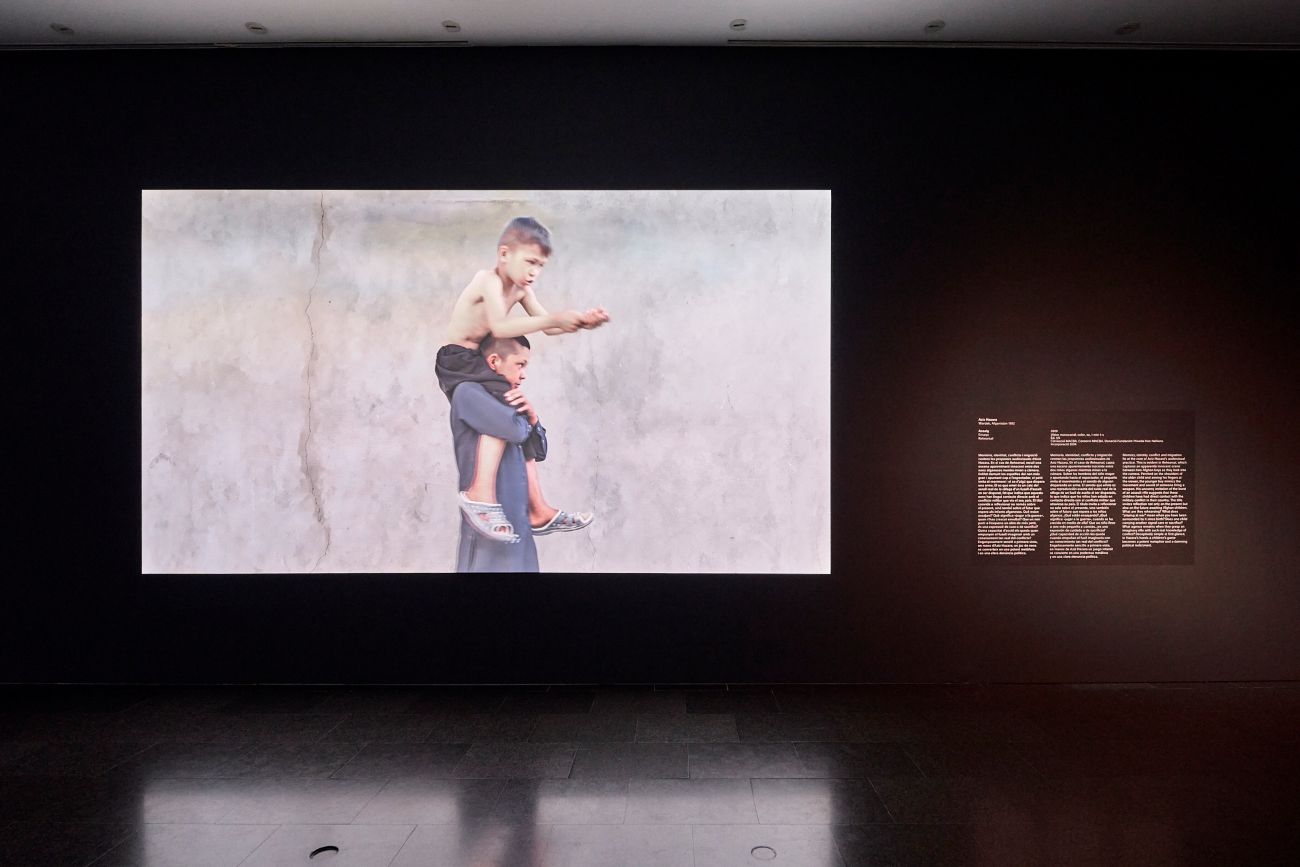
This summer, MACBA dedicates a new reading to its collection with The Gesture of Filming. Video in the MACBA Collection , a proposal that focuses on the moving image as an artistic language, a memory device and an instrument of social transformation. The exhibition, open to the public since July 9, articulates three exhibition projects that, from very different historical contexts and practices, share the same intuition: video is not just a recording technology, but a way of activating stories, generating critical thinking and giving visibility to realities often absent from official narratives.
The exhibition brings together Counterinformation. Video-Nou / Community Video Service , Echoes. Videos donated by the Han Nefkens and Pere Portabella Foundation. The Committed Gaze , three approaches that allow us to explore different moments in the history of video and its capacity to question dominant languages, intervene in public space and reformulate the relationship between document, testimony and experience.
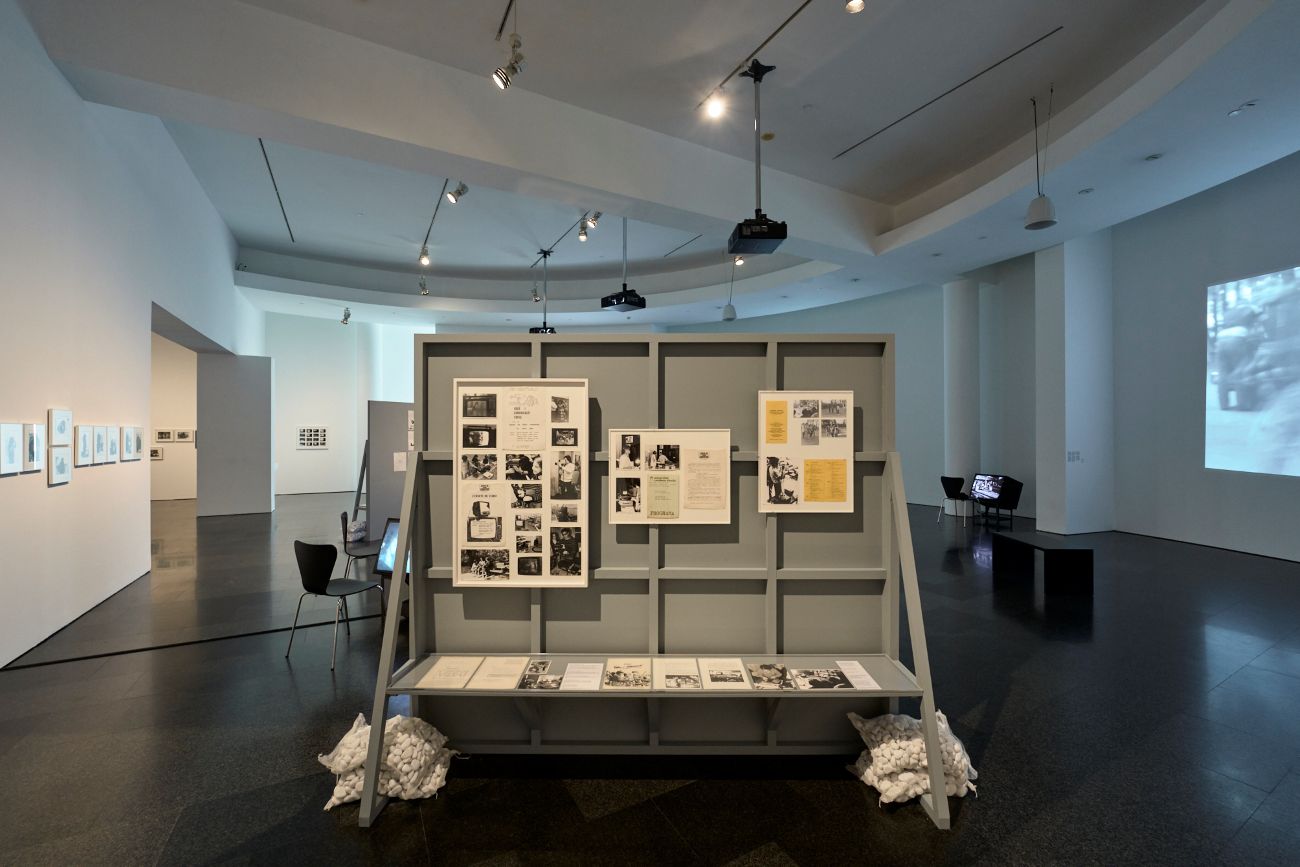
Views of the exhibition The Gesture of Filming. Video in the MACBA Collection, 2026. Photo: Miquel Coll.
The core of the proposal is Counterinformation. Video-Nou / Servei de Vídeo Comunitari , an exhibition curated by María Berríos and Dani Gasol that recovers the pioneering experience of this collective that emerged during the first years of the Transition. The project revisits the role of Video-Nou / Servei de Vídeo Comunitari as an agent of counterinformation and social agitation, and shows how the camera became a tool for community participation, critical documentation and emancipation from the media.
The exhibition brings together thirty videos, seventeen of which have been recently digitized and have not been seen since their initial production and circulation in the late 1970s and early 1980s. This set is joined by a selection of nearly 300 photographs, graphic materials and documents from the Video-Nou Archive / Community Video Service, donated to MACBA and now integrated into the museum's Collection. The project is the result of a long process of recovery, research, digitization and cataloguing carried out jointly by the museum and members of the collective. To date, 1,169 documentary units have been recovered —including documents, photographs, slides and sound recordings— and around 350 videos.
This rereading of Video-Nou allows us to understand to what extent the group broke with the narratives of conventional media and directed the camera towards spaces, bodies and conflicts that remained outside the official narrative of the Transition. Their recordings document episodes that question the image of a model and seamless transition: the International Libertarian Days in Park Güell, the gas station strike, various demonstrations in 1977, the Canet Rock of that same year, the first Carnival celebrated in Barcelona since 1937, the performances of Ocaña, Nazario and Pau Riba or the effervescence of the Barcelona night around Zeleste. At the same time, the journey makes visible a fabric of practices linked to pedagogies from below, social dissidence and urban struggles, which converge in an idea of video as a collective, accessible and politically situated practice.
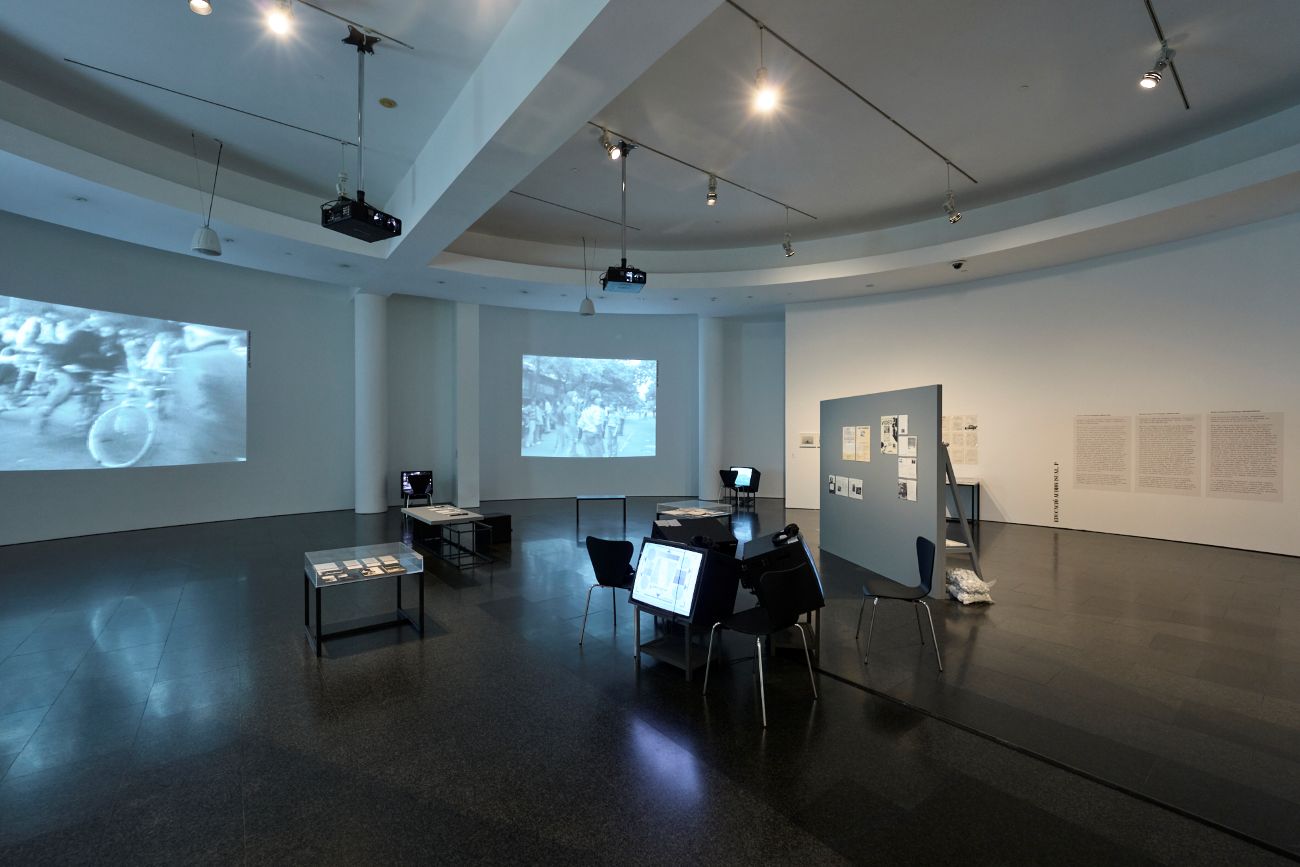
Views of the exhibition The Gesture of Filming. Video in the MACBA Collection, 2026. Photo: Miquel Coll.
The exhibition is structured around four main axes that allow us to read this experience in all its complexity: the relationship between video and countermedia, the pedagogical dimension of audiovisual education, the emancipatory processes linked to dissidence and reflection on urban transformation, accessibility and institutional abandonment. Rather than reconstructing a closed genealogy, the proposal draws a map of tensions between image, activism, education and public space that continues to challenge the present.
If Counterinformation looks towards video as a tool for social mobilization, Ecos. Videos from the donation of the Han Nefkens Foundation opens the focus towards contemporaneity and the narrative and formal possibilities of the medium. The selection brings together works by artists who explore video from the perspective of visual experimentation and the construction of non-linear stories, and who address social, political and intimate issues through superimpositions of images, fragmented temporalities and new forms of perception. The set relates the critical power of video with its more poetic, immersive and essayistic drifts, and demonstrates the extent to which the moving image has become a privileged space for thinking about the contemporary world.
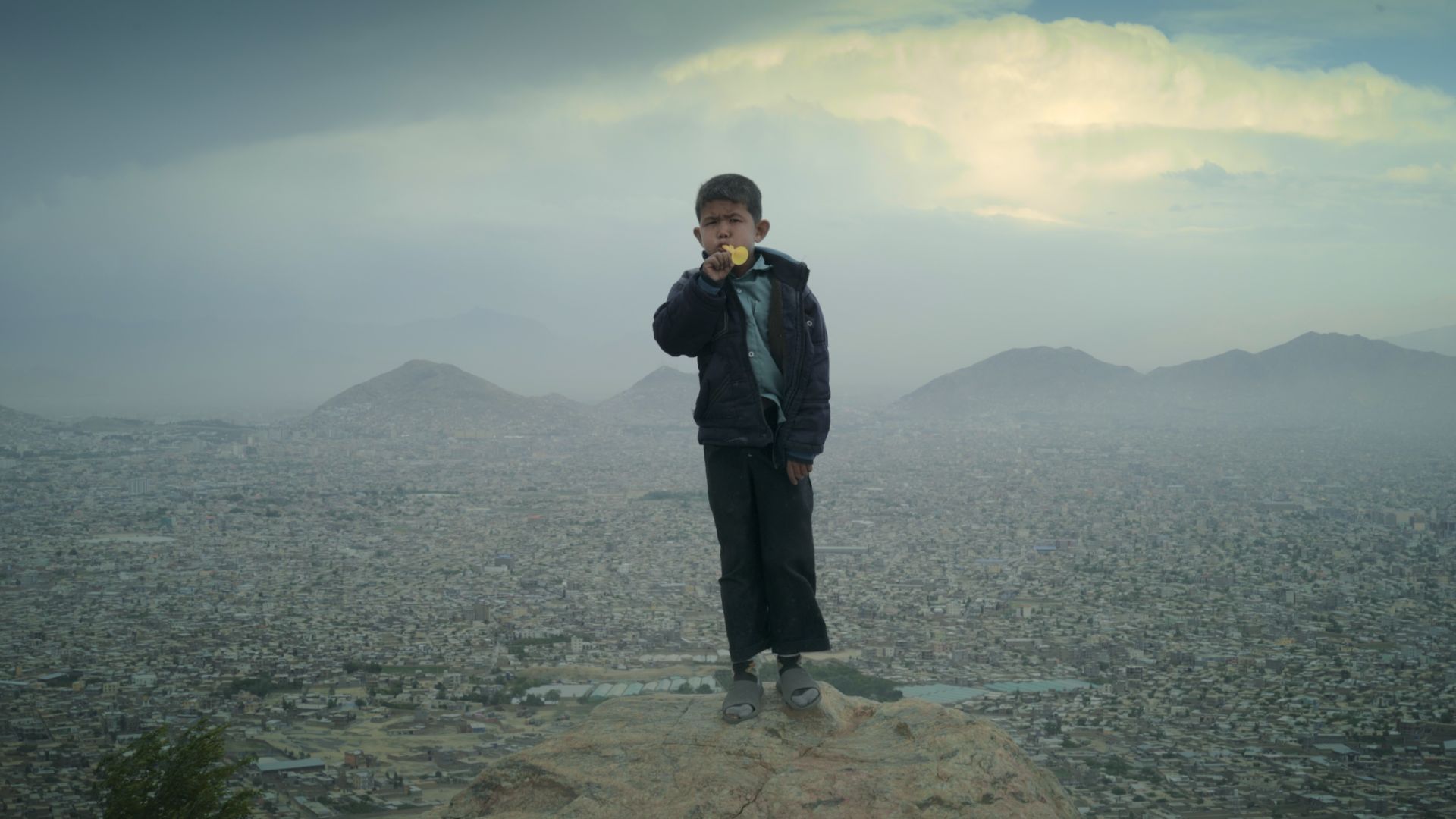
Aziz Hazara, Bow Echo, 2019. MACBA Collection. MACBA Consortium. Donation of the Han Nefkens Private Foundation. © Aziz Hazara.
The third chapter of the project is Pere Portabella. The committed gaze , a screening program included in the framework of "Acció Portabella" that revisits the formal and political radicality of one of the great names of Catalan cinema. The selection allows us to return to the work of a filmmaker who persistently questioned the codes of filmic language and who understood cinema as a space of aesthetic dissidence and confrontation with power. In dialogue with the rest of the proposal, Portabella appears here not only as a key figure of cinematic modernity, but also as an author who has made the critical gaze a form of commitment.
With The Gesture of Filming , MACBA continues its work of activating the collection based on new approaches capable of establishing dialogues between artistic practices, historical contexts and contemporary debates. The proposal is not limited to showing a set of works, but rather attempts a broader reflection on the capacity of the moving image to construct collective memory, open spaces for debate and make visible forms of life, resistance and experience that have often remained on the margins of dominant narratives.
You may be
interested
...