Exhibitions
Before the eclipse: archaeologies, memory and fissures of modernity in Mexican art
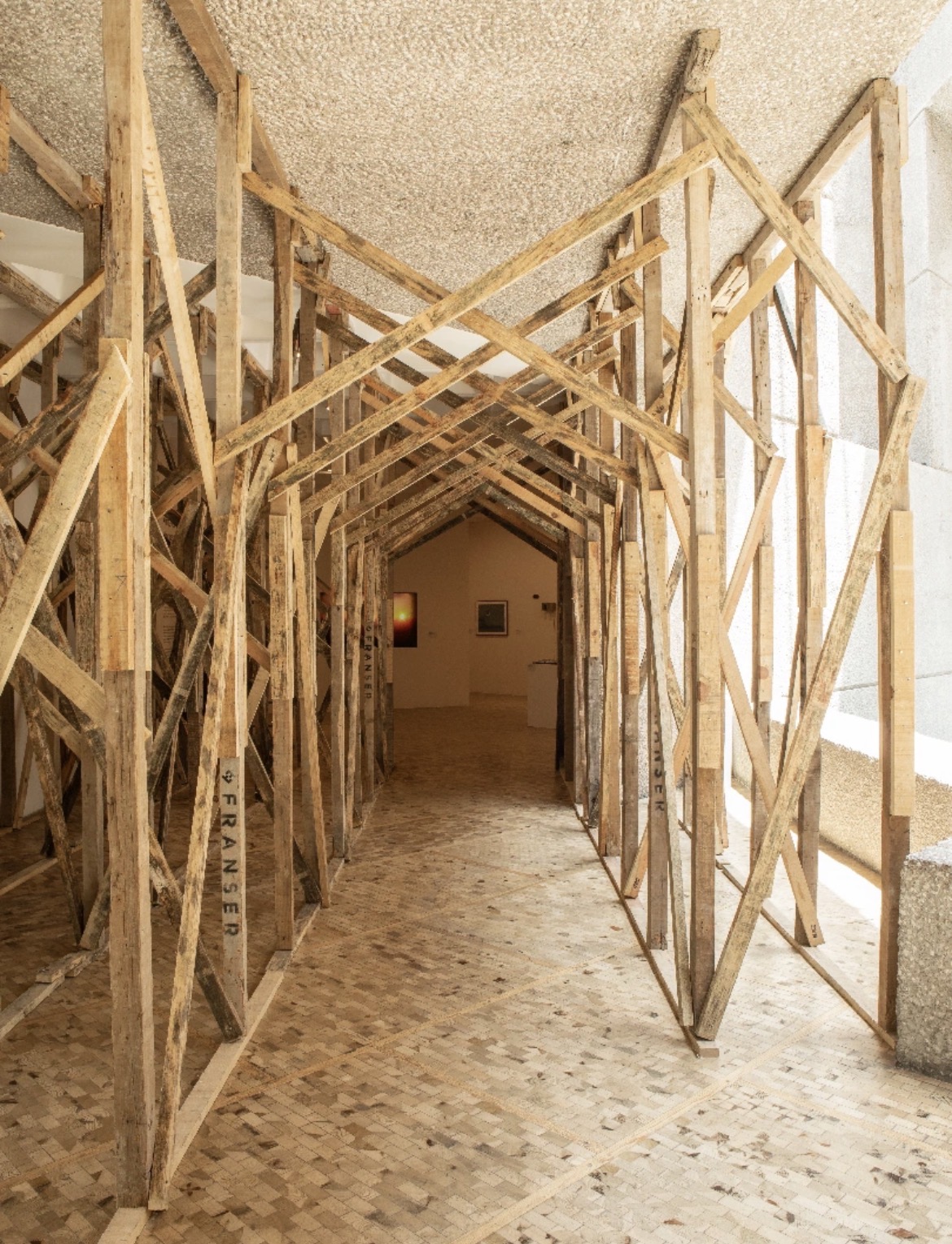
To mark its 45th anniversary, the Tamayo Museum presents Before the Eclipse: Archaeologies of Art in Mexico , an exhibition that deliberately departs from commemorative logic to offer a critical reinterpretation of art produced in Mexico between the 1980s and early 1990s. Rather than reconstructing a period, the exhibition interrogates it through its internal tensions: the economic crisis, political instability, the impact of the 1985 earthquake, and the cultural transformations that heralded the country's entry into a phase of accelerated globalization.
The curatorial core brings together more than sixty Mexican and international artists who lived and worked in Mexico City during this pivotal period. Their practices, far from forming a homogeneous style, constitute a field of friction where exploration of the territory, reinterpretation of the pre-Hispanic past, a drift toward the vernacular, and a growing concern for the ecological, the spiritual, and the sociocultural coexist. Taken together, their works seem to function as archaeological fragments of a time still contested.
In this sense, the exhibition proposes a methodology that borrows the notion of “archaeology” not as a closed discipline, but as a critical metaphor. Excavating the layers of meaning that run through these works involves recognizing how history—far from being a stable background—manifests itself as an unstable surface, susceptible to being intervened upon, rewritten, or even sabotaged through artistic practice.
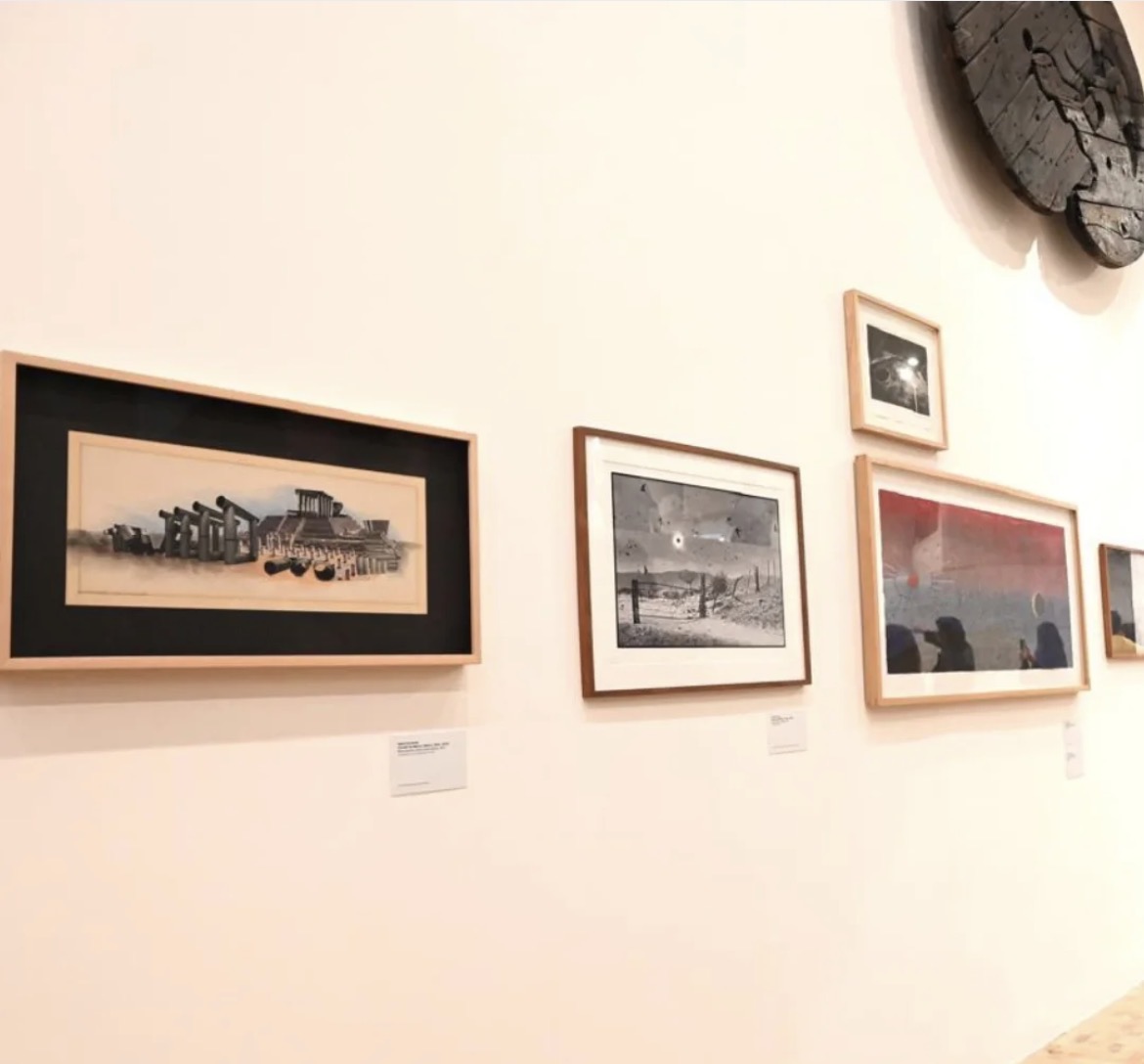
Among the assembled pieces, diverse strategies are deployed: interventions in public space, travel narratives, assemblages, painting, sculpture, video, and manipulated images. This range of formats reflects not only technical diversity but also a desire to transcend traditional artistic categories. In many cases, gesture takes precedence over form; in others, the work functions as an index of a situated experience, marked by the transition between the local and the global, the ancestral and the contemporary.
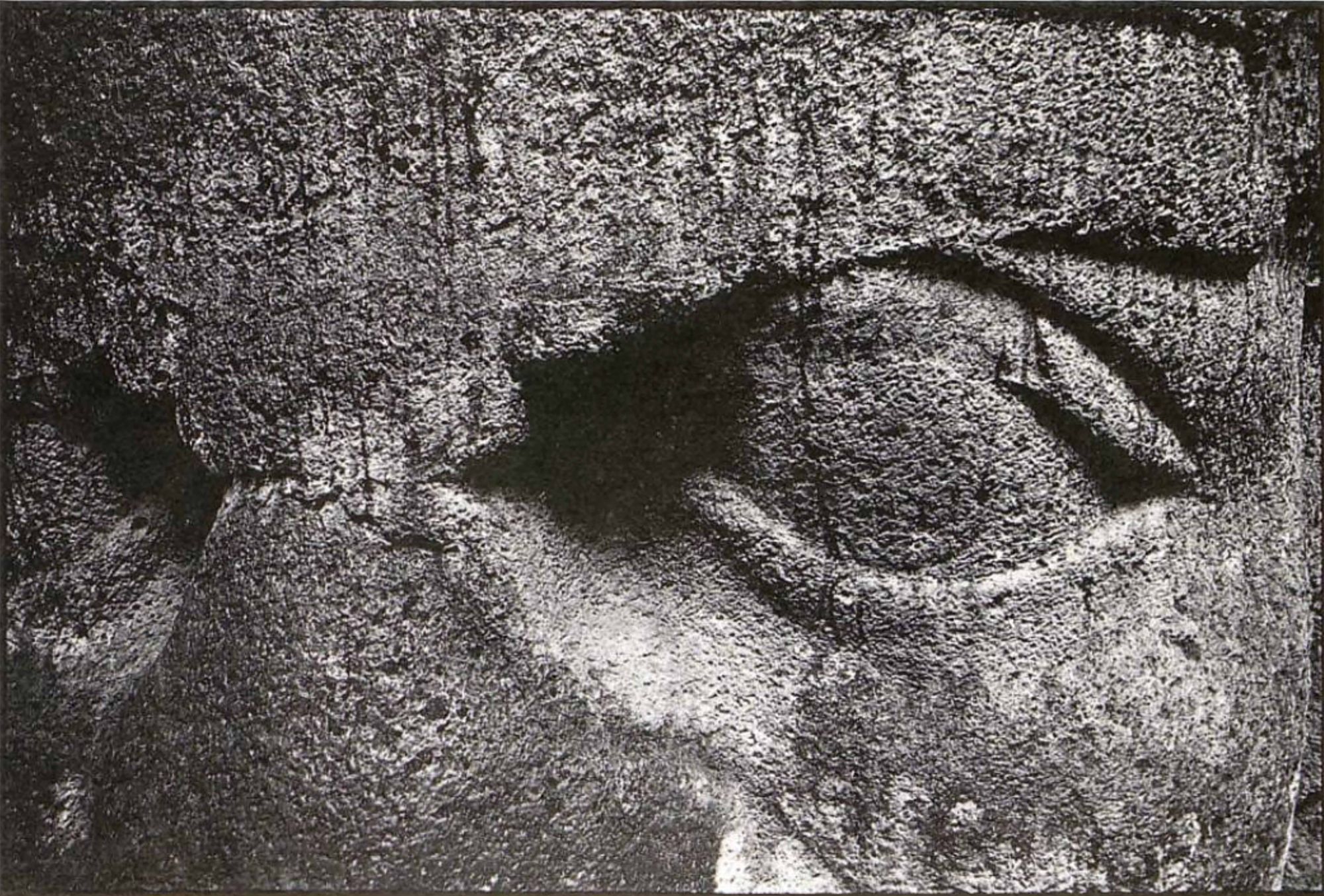
One of the exhibition's most relevant conceptual axes is its dialogue with the thought of Rufino Tamayo, whose figure permeates both the museum's imagery and the critical genealogy that the exhibition seeks to activate. Tamayo championed a productive tension between the vernacular and the universal, between Mexican symbolic tradition and international modern languages. In "Before the Eclipse," he revisits this tension, but shifts it to a later context, in which the very idea of cultural identity is shaped by exile, migration, and the dissolution of closed national narratives.
The period framed by the exhibition—1981 to 1991—is not arbitrary: it begins with the opening of the Tamayo Museum itself and concludes symbolically with the artist's death and the total solar eclipse. This allegorical ending reinforces the idea of suspended time, where history does not advance linearly but folds back on itself, generating shadow zones in which art operates as a tool for reading and rewriting.
In this context, the works gathered here do not seek to illustrate an era, but rather to challenge it. Some of them, presented for the first time in Mexico, acquire a new density when reinserted into the present, while others reactivate debates about the relationship between territory, memory, and symbolic power. The result is an exhibition that offers no certainties, but rather a field of resonances where history behaves as a living, unstable matter, open to interpretation.


You may be
interested
...