interviews
Jean-Roch Dumant Saint Priest, Picabia and Ceret: “This is an exhibition of national interest”
Interview with Jean-Roch Dumant Saint Priest, director of the Museum of Modern Art in Ceret.
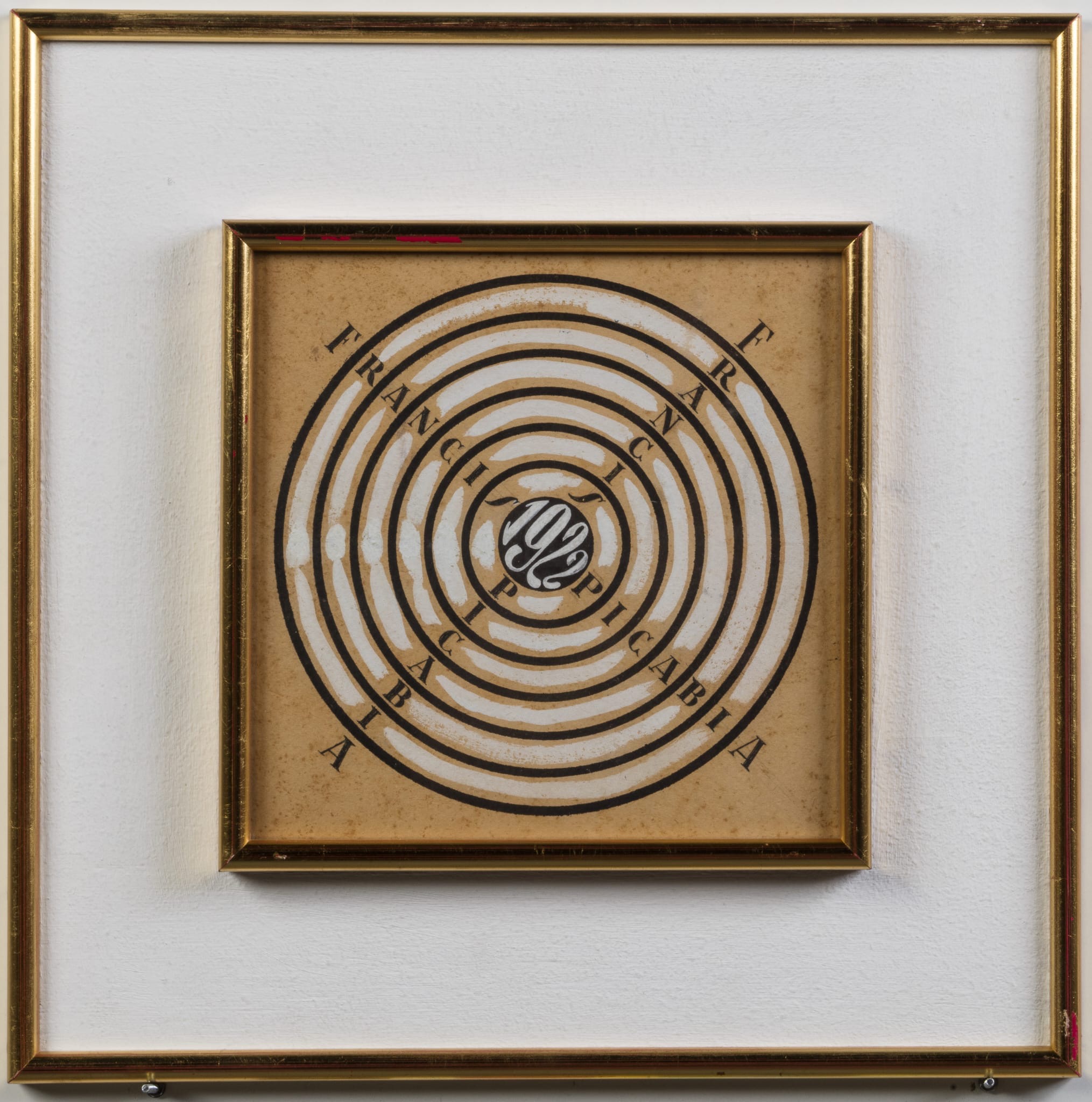
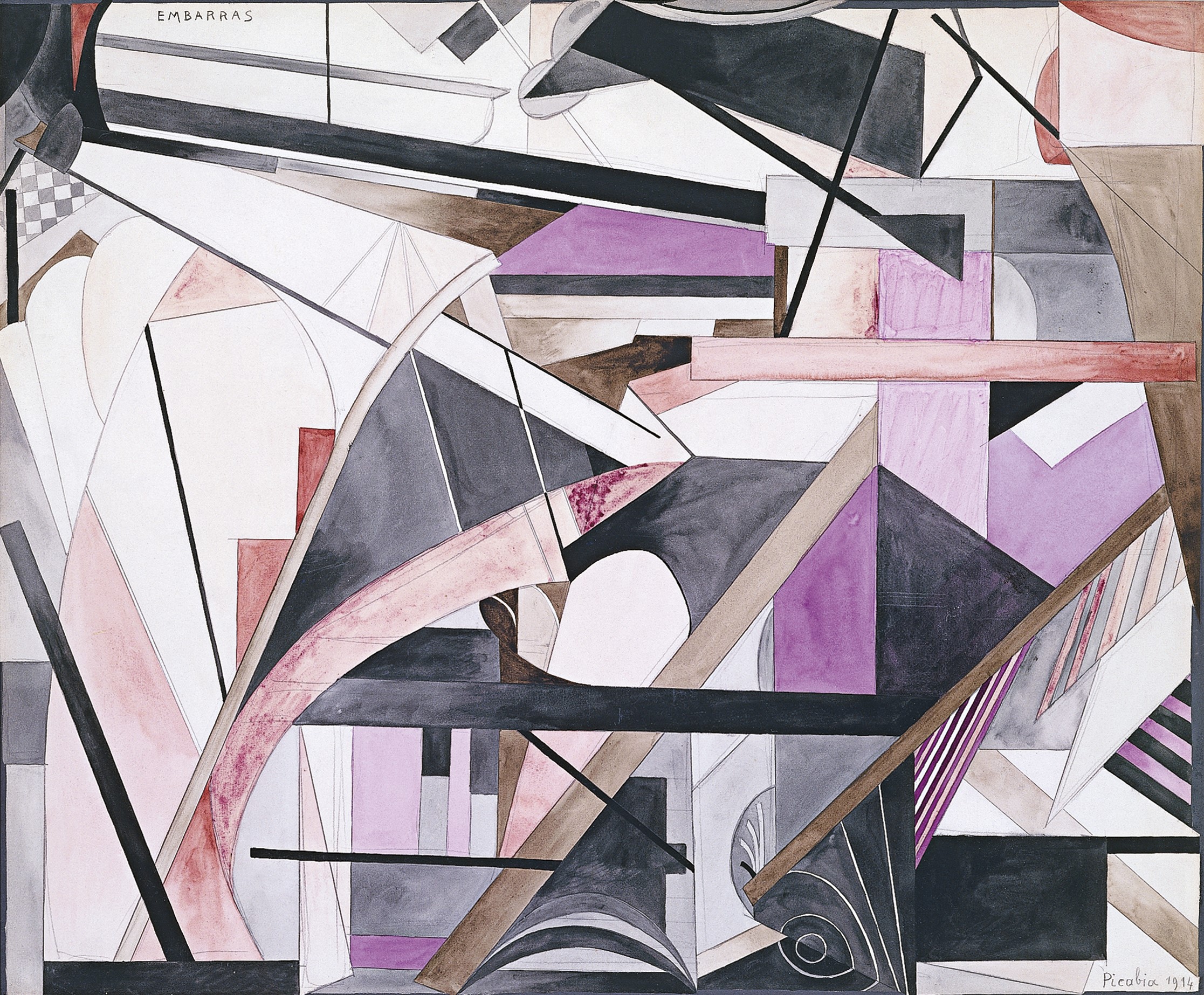
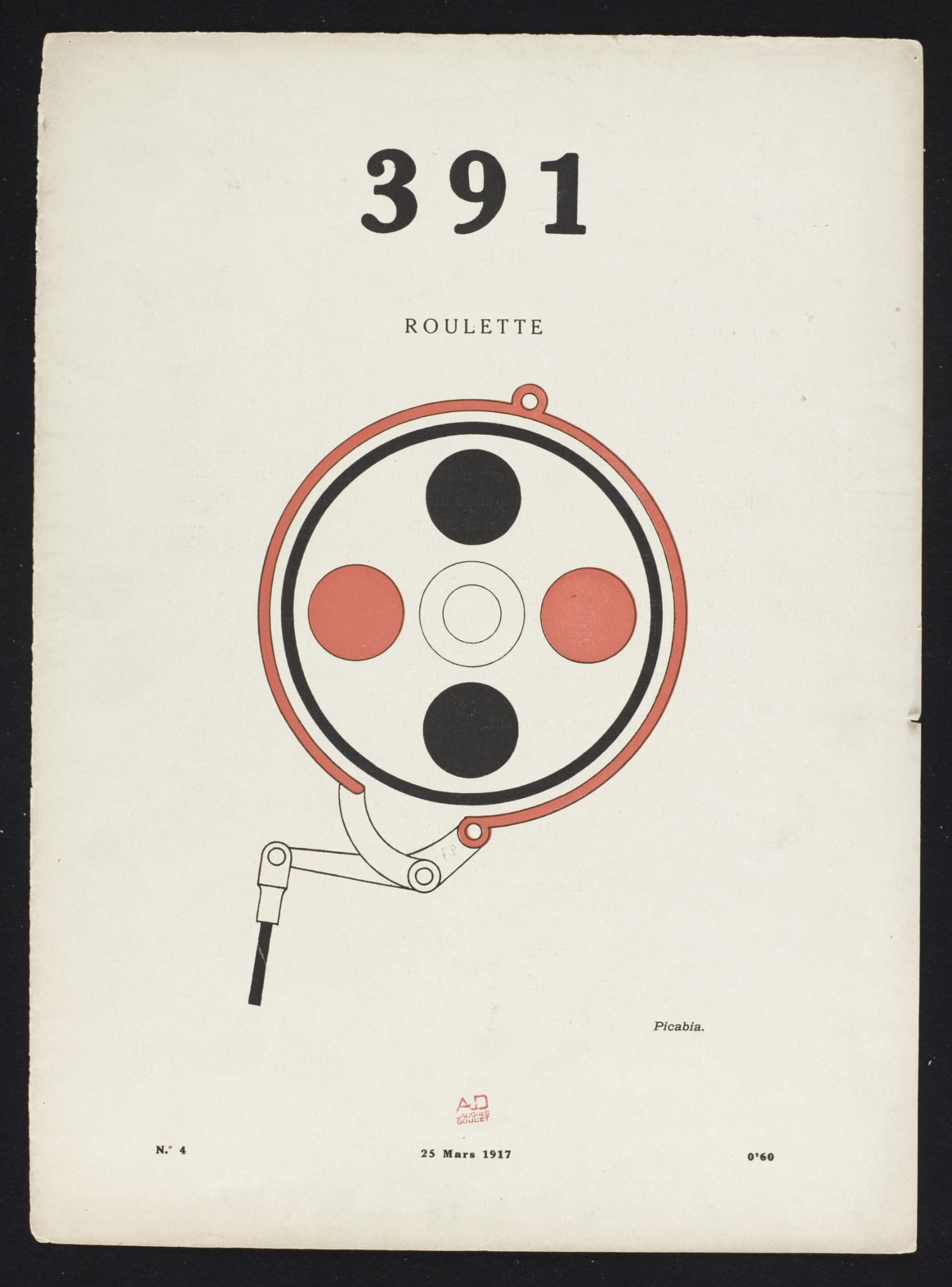
The Musée d'Art Moderne de Ceret presents Picabia, Méditerranée , an ambitious exhibition that places Francis Picabia (1879-1953) at the center of a transnational artistic network that transformed the languages of modernity. Far from a conventional retrospective, the show offers a new reading of his career based on the links with Catalonia and the Mediterranean space, a key territory in the configuration of historical avant-gardes.
In this context, bonart has interviewed Jean-Roch Dumant Saint Priest, director of the Museum of Modern Art in Ceret.
Alexandra Planas: For the first time, the Céret Museum of Modern Art dedicates an exhibition to Francis Picabia (1879-1953) and his creative environment in Catalonia…
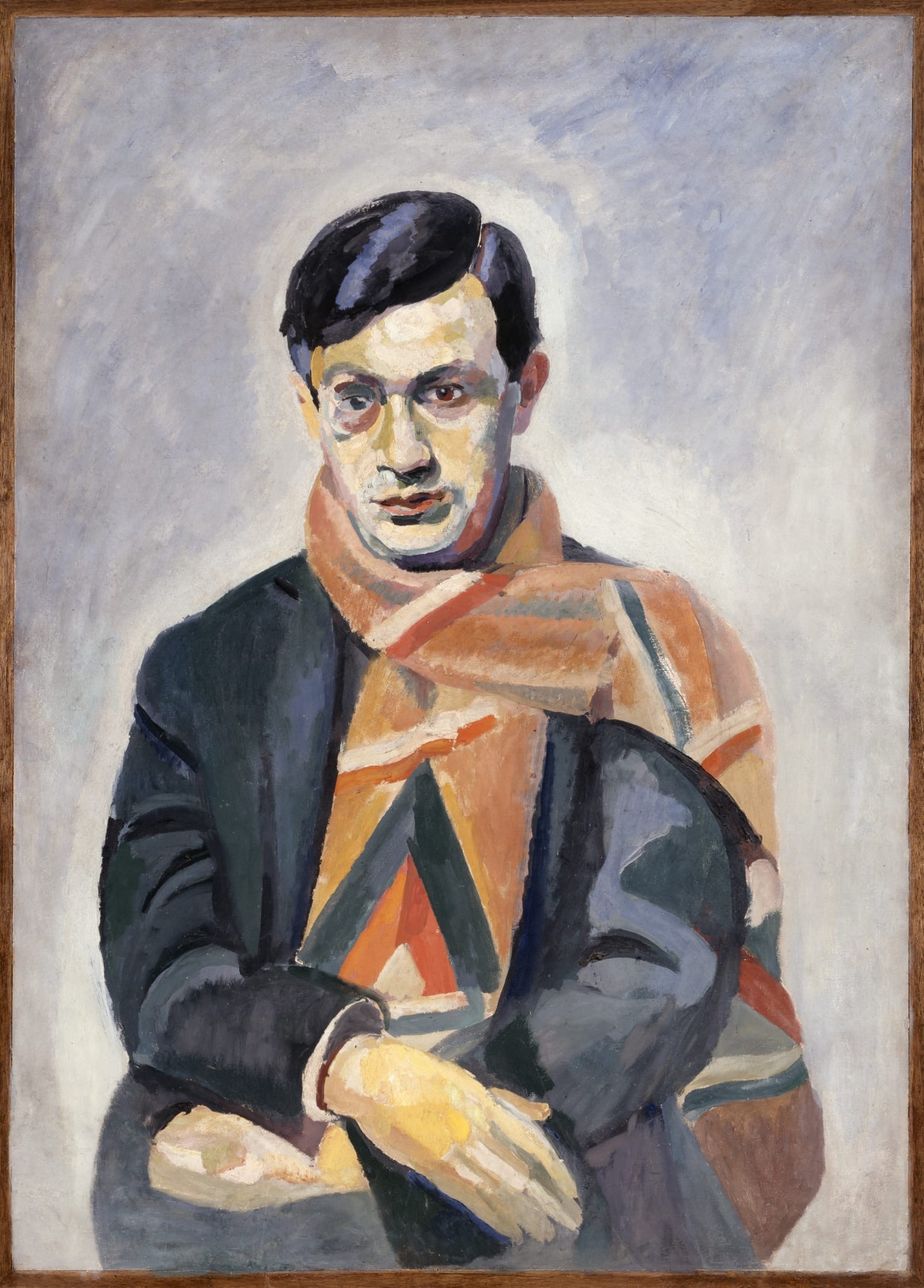
Jean-Roch Dumant Saint Priest : Yes, I would define this exhibition as an "exhibition of national interest" that presents the Dadaist moment, a key moment in the career of Picabia and his New York and Catalan artistic circle, with great names such as Duchamp, Man Ray, Albert Gleizes, Pablo Picasso, Robert Delaunay, Kees van Dongen or Joan Miró, among others.
I am deeply grateful to the La Malmaison art center in Cannes for the project of co-publishing the exhibition catalog; to the Henri Prades Museum in Lattes and the Montpellier Méditerranée Metropolis, with whom we shared the transport of works; and to the Casa Velázquez – Académie de France in Madrid for their valuable support in the field of artistic creation.
It is also worth highlighting the set of public and private collections that have lent masterpieces for this exhibition, especially the Musée de l'Orangerie, the Centre Pompidou, the Toulouse-Lautrec Museum in Albi, the Picasso museums in Paris and Barcelona, the Museo Nacional Centro de Arte Reina Sofía and the Thyssen-Bornemisza Museum in Madrid, among others.
How long did it take you to carry out this project dedicated to Picabia?
The exhibition curator, Gwendoline Corthier-Hardoin, and I have spent approximately two years selecting paintings, drawings, sculptures, photographs, magazines and archival materials that are being shown for the first time in France.
It has been a complex task, as more than twenty artists are participating. In short, the exhibition brings together an exceptional set of works by the main representatives of modernity.
What would you highlight about the programming of this exhibition?
I would like to highlight, first of all, that this exhibition has received the distinction of “exhibition of national interest”, a qualification that is awarded each year to around fifteen outstanding exhibitions in France.
The exhibition focuses on the way in which Picabia and this group of artists assimilated Spanish culture and dance and how, from this influence, new visual productions were generated.
We can say that we are very proud of the work carried out during these 24 months: it has been worth it.
Have you also scheduled another temporary exhibition in September 2026?
Indeed. It is about La Dansa , a proposal that will be open to the public until September 27, 2026 and that focuses on the world of dance within the graphic design studio.
You can see masterpieces such as Danses à l'Ermitage de Consolation, à Collioure by Albert Marquet (1908) or Sardane de la Paix by Pablo Picasso (1953).
Also noteworthy is Le Losange VI by Ode Bertrand (1978), donated to the museum in 2025, as well as the loan of Danse Macabre (2025) by Damien Deroubaix, an artist who worked in residence in Ceret the same year.
This exhibition also emphasizes the world of music and poetry.
What reaction do you expect from both the local and international public? Do you think it will also favor cultural tourism in Ceret?
Our goal is to stimulate both the local public and all visitors who come to the museum. We want them to feel proud of the cultural vitality of their territory and to rediscover the museum as a living space.
As for the international public, we hope that this exhibition will become the main reason for their trip and that it will offer them a unique experience that reinforces the prestige of Céret as a cultural reference.
In addition, we recommend visiting other spaces in the municipality such as the Museum of Musical Instruments, the Devil's Bridge, the Porta de França and the Porta d'Espanya, the Church of Sant Pere, the Font dels Nou Raigs and the historic center, ideal for a calm walk.
And, of course, also our excellent gastronomy in the bars and restaurants of the municipality.
In short, with this proposal of great artistic quality we hope to boost Ceret's cultural tourism in the best possible way.

You may be
interested
...