Exhibitions
Girona recovers the memory of dissidence
A new exhibition at the History Museum traces centuries of repression, resistance and liberation of the LGTBIQA+ community in the city.
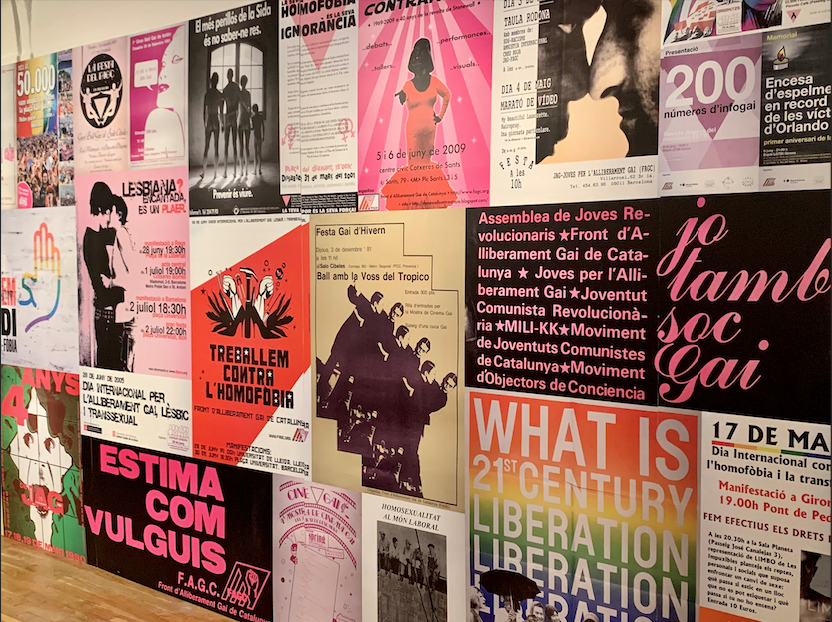
Cities are also told through stories that were left on the sidelines for a long time. Stories of silence, persecution and resistance that have only recently begun to occupy their rightful place within the collective narrative. With Repression, pleasure and freedom: the LGTBIQA+ struggle in Girona , the Girona History Museum opens a window to this memory, proposing a journey that crosses centuries of history to understand how dissident identities and affections have also been part of the construction of the city.
Coinciding with the International Day of LGTBIQA+ Liberation, the exhibition invites us to look at the past with a critical perspective, but also to recognize the spaces of freedom, community and protest that have shaped the LGTBIQA+ movement to the present day. Far from simply explaining a succession of events, the exhibition raises a reflection on the fragility of the rights we have won and the need to continue defending them against any form of discrimination or violence.
Curated by Lyhdyr Esquerdo Teixidó and Pau Gàlvez Lot, the proposal brings together objects, documents and testimonies that demonstrate an ancient and persistent struggle, often made invisible by official accounts. At the same time, it focuses on those streets, squares, venues and meeting spaces that have become fundamental scenarios for both protest and the construction of a diverse and proud community.
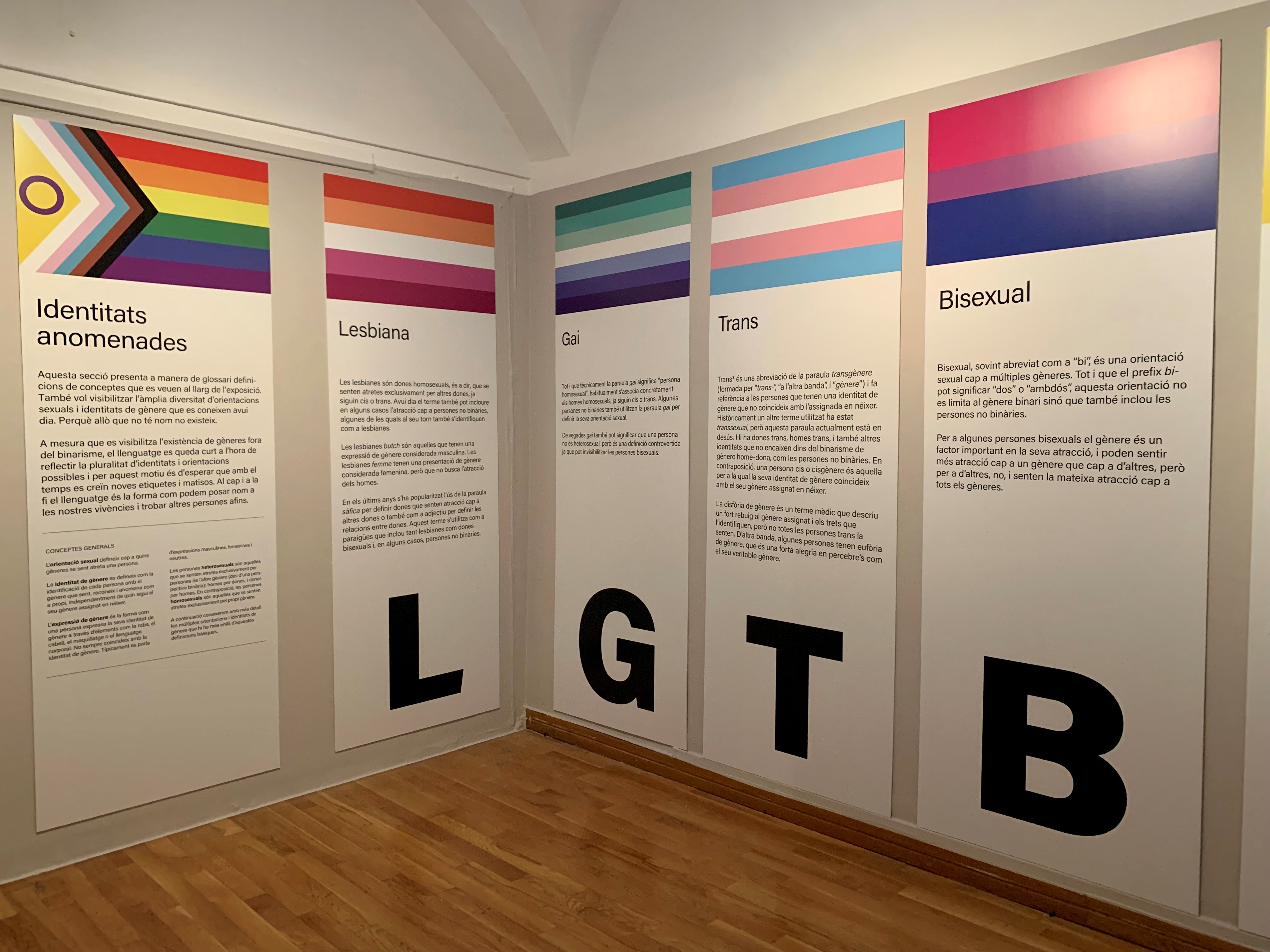
The tour is organized into five major areas that allow us to understand the evolution of identities and movements for LGBTIQA+ rights. From an initial glossary that gives names to the diversity of sexual orientations and gender identities, the visitor travels to the Middle Ages to discover the forms of persecution exercised by civil and religious powers in the Catalan Countries. The story continues with the emergence of the first liberation movements in Europe and the United States, the consolidation of activism in Catalonia from the 1970s onwards and, finally, the development of the movement in Girona and the Girona regions, where the demands have progressively transformed the public space and cultural life of the city.
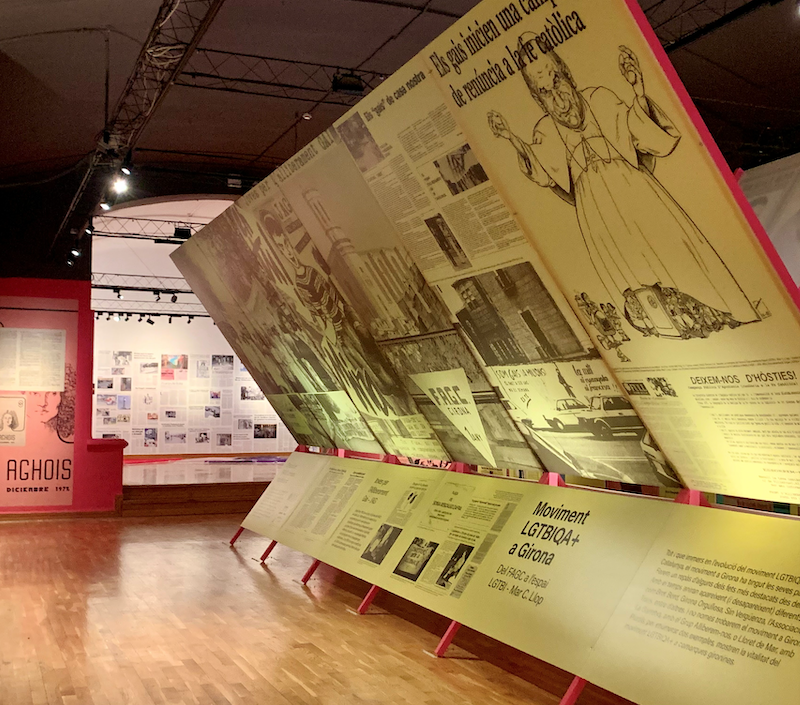
The exhibition also claims the role of museums as spaces for the construction of democratic memory. Recovering these trajectories means incorporating new perspectives on collective heritage and understanding that the history of Girona cannot be explained without the contributions of the feminist and LGTBIQA+ movements, two struggles that have often advanced in parallel, sharing goals of freedom, equality and social justice.
The opening of the exhibition kicks off a program of activities open to the public that expands the debates raised in the museum's rooms. Shows, round tables, urban itineraries, guided tours and conferences will allow us to delve deeper into the origins of LGTBIQA+ activism in Girona, its current reality and the long history of persecution and resistance that has marked the group over the centuries.

You may be
interested
...