Exhibitions
Barceló presents his 'Engravings of Barcelona' at the Artur Ramon Gallery
Around thirty works created between 2010 and 2026 show the most experimental and material side of the Mallorcan artist, in dialogue with the workshops of Joan Roma and Takeshi Motomiya in Barcelona.
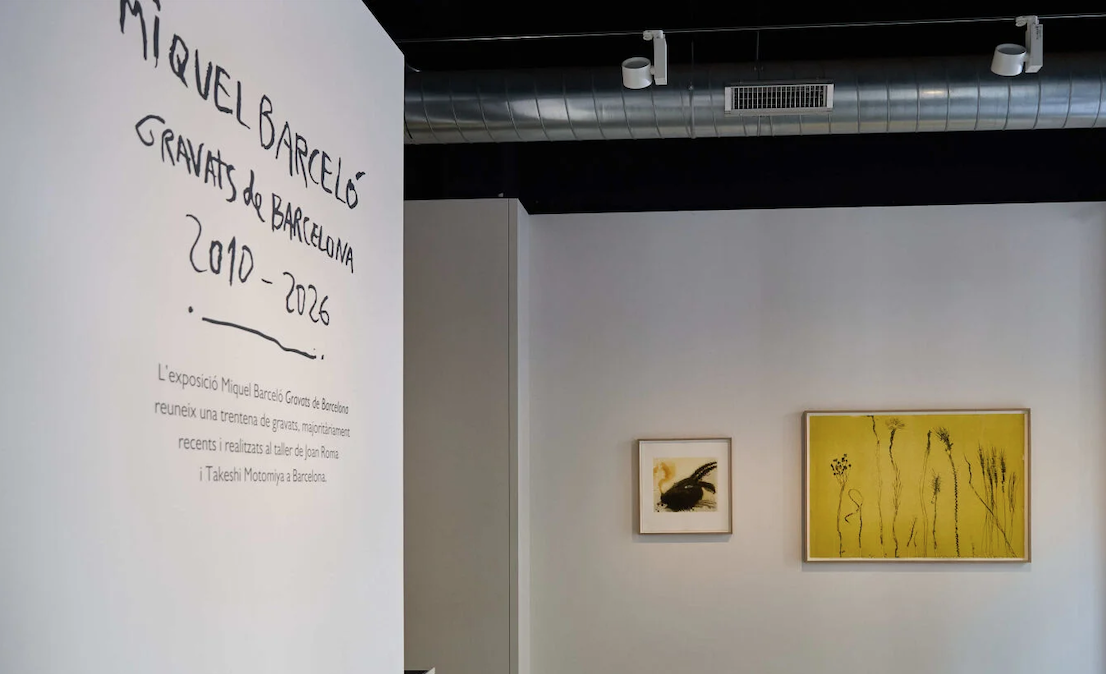
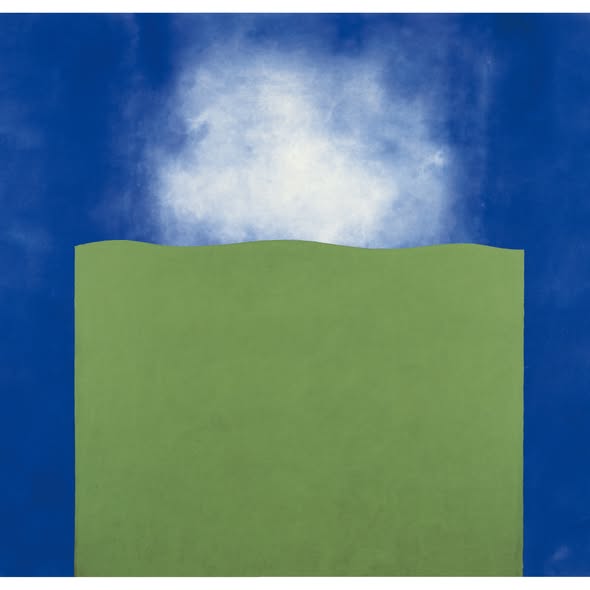
The Artur Ramon Gallery is hosting for the first time the exhibition Miquel Barceló. Engravings from Barcelona , an exhibition that brings together around thirty engravings made by the Mallorcan artist between 2010 and 2026. The project offers a look at his most experimental research within graphic work and can be visited until October 9.
This is the first time since 1990 that Barceló has presented unpublished work in a Barcelona gallery. The artist has acknowledged that this return is timely: “the moment has come and it makes sense”, although he insists that he prefers “to make things than to exhibit them”.
The exhibition focuses on his work with printmaking as an extension of painting, a language that Barceló considers fully his own. The pieces explore diverse techniques such as etching, aquatint, woodcut, lithography, carborundum, screen printing and collage, often incorporating organic materials such as seeds or mica, which reinforce the material character of his work.
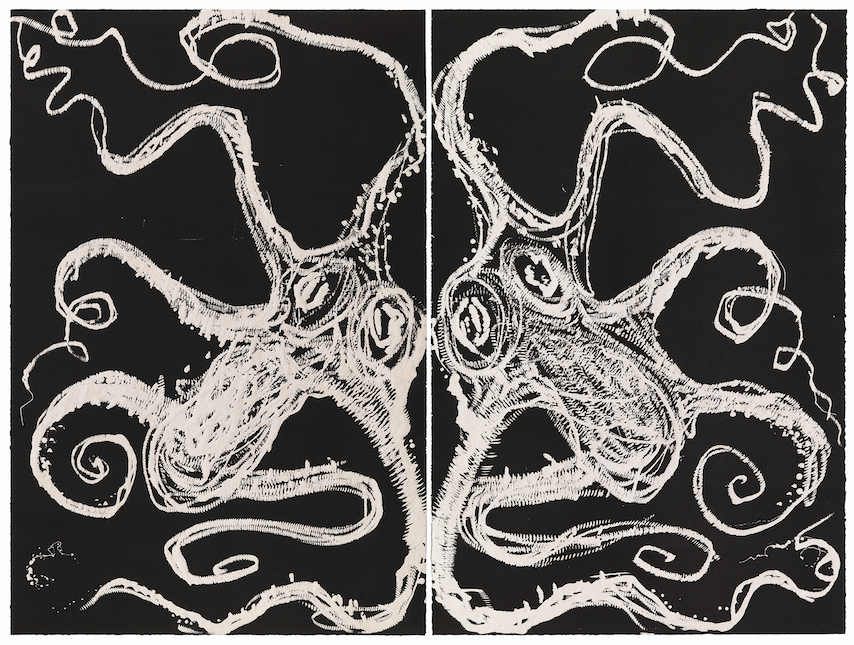
The prints were developed in the Barcelona workshop of Joan Roma and Takeshi Motomiya, printers linked for years to Antoni Tàpies' career. The collaboration with Barceló began between 2010 and 2012 and resumed in 2024 after a period of interruption marked by the artist's travels and the pandemic.
The works present in the gallery develop some of the major recurring themes in his production: vanitas, marine animals such as fish, crustaceans and octopuses, landscapes and plants, portraits of writers and even self-portraits, in a visual universe that combines nature and formal experimentation.
Despite being known mainly for painting and ceramics, Barceló claims engraving as another pictorial territory: a practice that implies reproduction, but where he himself questions the idea of multiple edition, since he would prefer, as he has explained, to reduce copies to one or two.
The exhibition is completed with three artist books: Sobre la apariencia de las cosas , with poems by Enrique Juncosa; In the belly of the ox , without texts; and Le Bestiaire ou Cortège d'Orphée (2025), by Guillaume Apollinaire, made in Paris, which expand the dialogue between image, literature and matter.

You may be
interested
...