Exhibitions
Marisol: when everything is about to begin
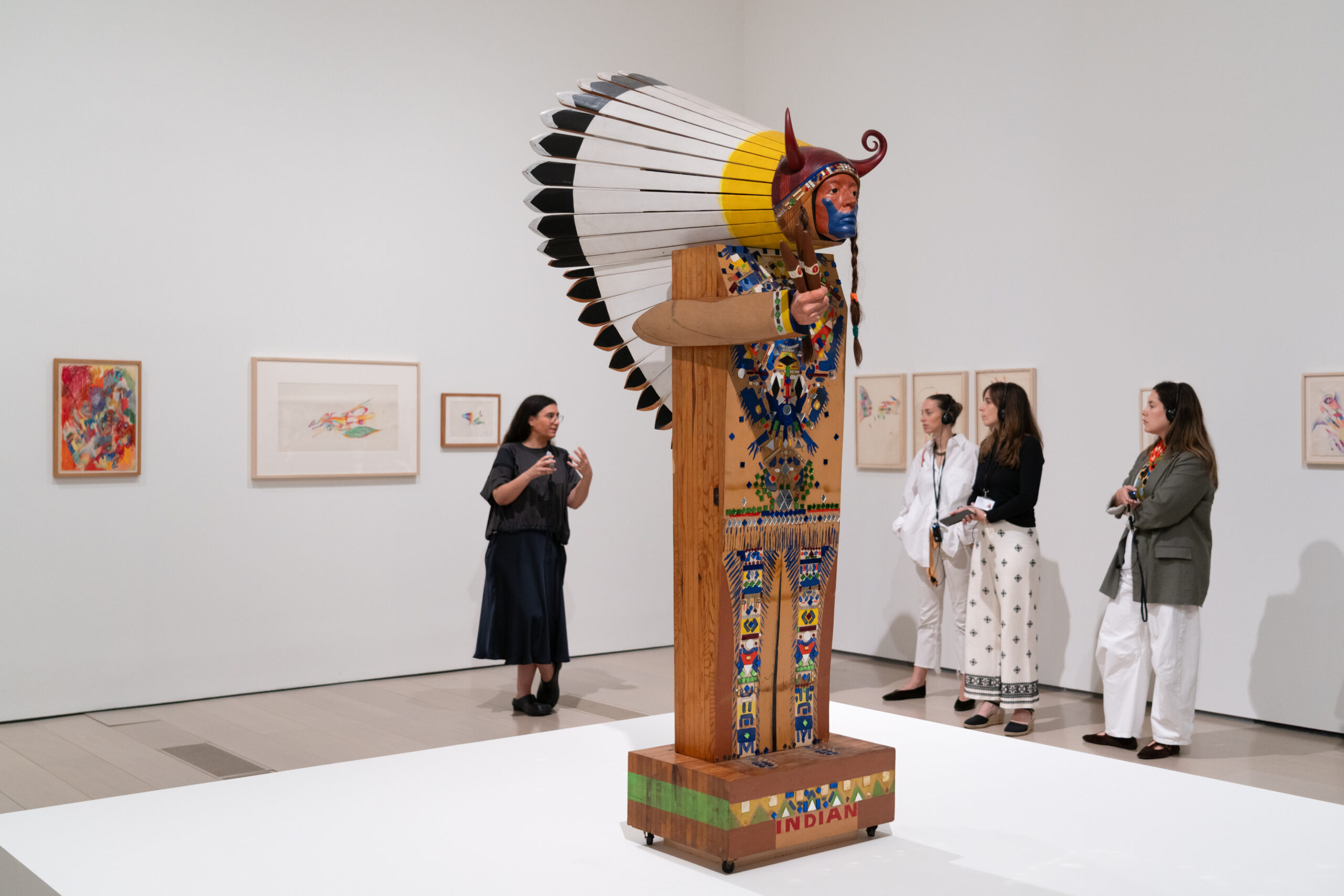
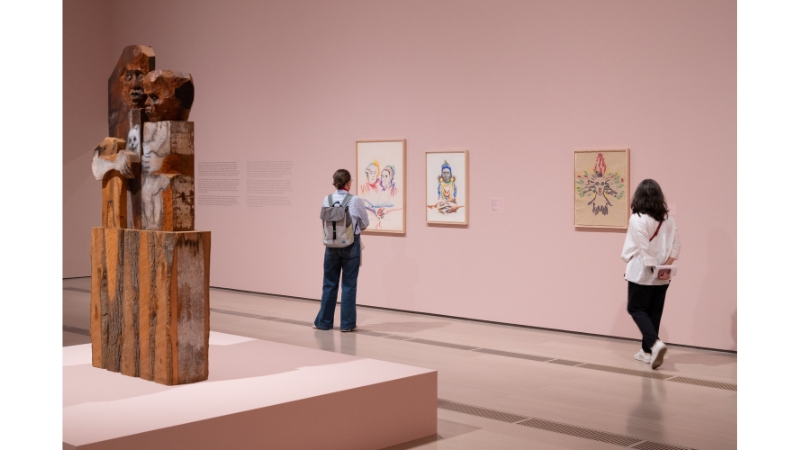
The Botín Centre presents Marisol: When Everything Is About to Begin , the first retrospective dedicated entirely to the drawings of Marisol Escobar, a key figure in international contemporary art and a singular protagonist of the New York art scene of the 1960s. The exhibition brings together more than one hundred works on paper alongside sculptures, prints, photographs, films, and abundant archival material, offering a new perspective on an artist whose career transcended the categories of Pop Art, sculpture, and social portraiture.
Curated by Dr. Laura Vallés Vílchez, the exhibition is a collaboration with the Buffalo AKG Art Museum and is co-produced with the MAC/CCB-Museu de Arte Contemporâneo and the Belém Cultural Center. After its run in Santander, the exhibition will travel to Lisbon starting in December.
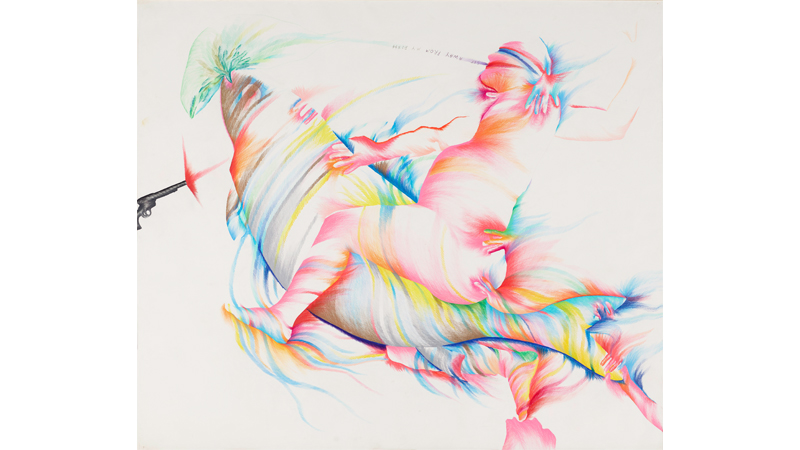
Born in Paris in 1930 to a Venezuelan family and educated in Caracas, Los Angeles, and New York, Marisol created a body of work deeply marked by cultural displacement, identity, and public representation. Although sculpture brought her international acclaim thanks to her celebrated life-size wooden figures, drawing was the intimate and constant territory that accompanied her throughout her creative life.
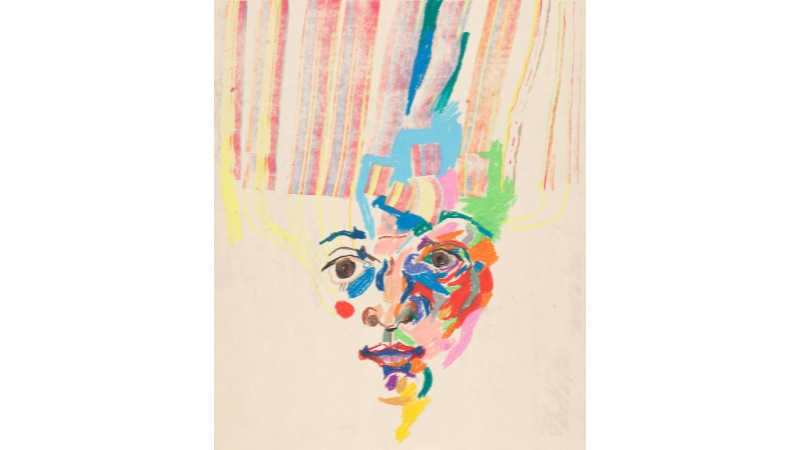
The exhibition highlights precisely this lesser-known dimension of her work. More than a preparatory practice, drawing appears here as a space for thought and experimentation: a place to observe, repeat, doubt, and construct shifting identities. Faces, hands, profiles, and masks become recurring signs that question the relationship between the body, memory, and public image.
During the 1960s, Marisol achieved extraordinary notoriety, even before Andy Warhol. Her work appeared in magazines such as Life and Glamour , as well as in leading publications like The New York Times . She also participated in some of the major international contemporary art events, including the Venice Biennale and Documenta IV.
The mutual fascination between Warhol and Marisol also occupies a prominent place within the exhibition. The show includes two films made by the American artist featuring the Venezuelan sculptor, testimonies of a friendship that began in 1962 and of an art scene that was then beginning to redefine the relationships between art, media, and celebrity.
The exhibition itinerary is structured around three major “escapes” by the artist, deliberately departing from a conventional chronology. The first occurs after the impact of her early fame: following her first solo exhibition and at the height of her media career, Marisol leaves New York and settles in Europe. Her gallerist, the influential Leo Castelli, wrote her a phrase that now lends its title to the exhibition: “How can you leave, when everything is about to begin?”
The second move coincided with the escalation of the Vietnam War. Committed to the anti-war protests in Washington, the artist decided to travel to Southeast Asia, once again distancing herself from the international art scene at the height of her career's visibility.
The third movement relates to the last years of his life, when Alzheimer's disease altered his relationship with memory and will. Amidst this transformation, drawing remained a form of intimate and persistent resistance.
The exhibition begins with a film shot by Andy Warhol in the early 1960s, from the collection of The Andy Warhol Museum. In it, Marisol appears next to her sculpture Women and Dog (1963-64), now in the Whitney Museum of American Art. For several minutes, the artist remains almost motionless before the camera, positioned at the same scale as the wooden figures, in a scene that encapsulates the tension between presence, representation, and silence that runs throughout her work.
The exhibition is also accompanied by a publication co-edited with La Fábrica and designed by Filiep Tacq, which brings together texts by the historian and curator Cecilia Fajardo-Hill, the researcher Helena Lugo, the art historian Helena Vilalta and an essay by Laura Vallés Vílchez herself, delving into the emancipatory and political power of drawing in Marisol's work.

You may be
interested
...