Exhibitions
Vivre Sa Vie: Georges Dambier and the elegant revolution of fashion photography
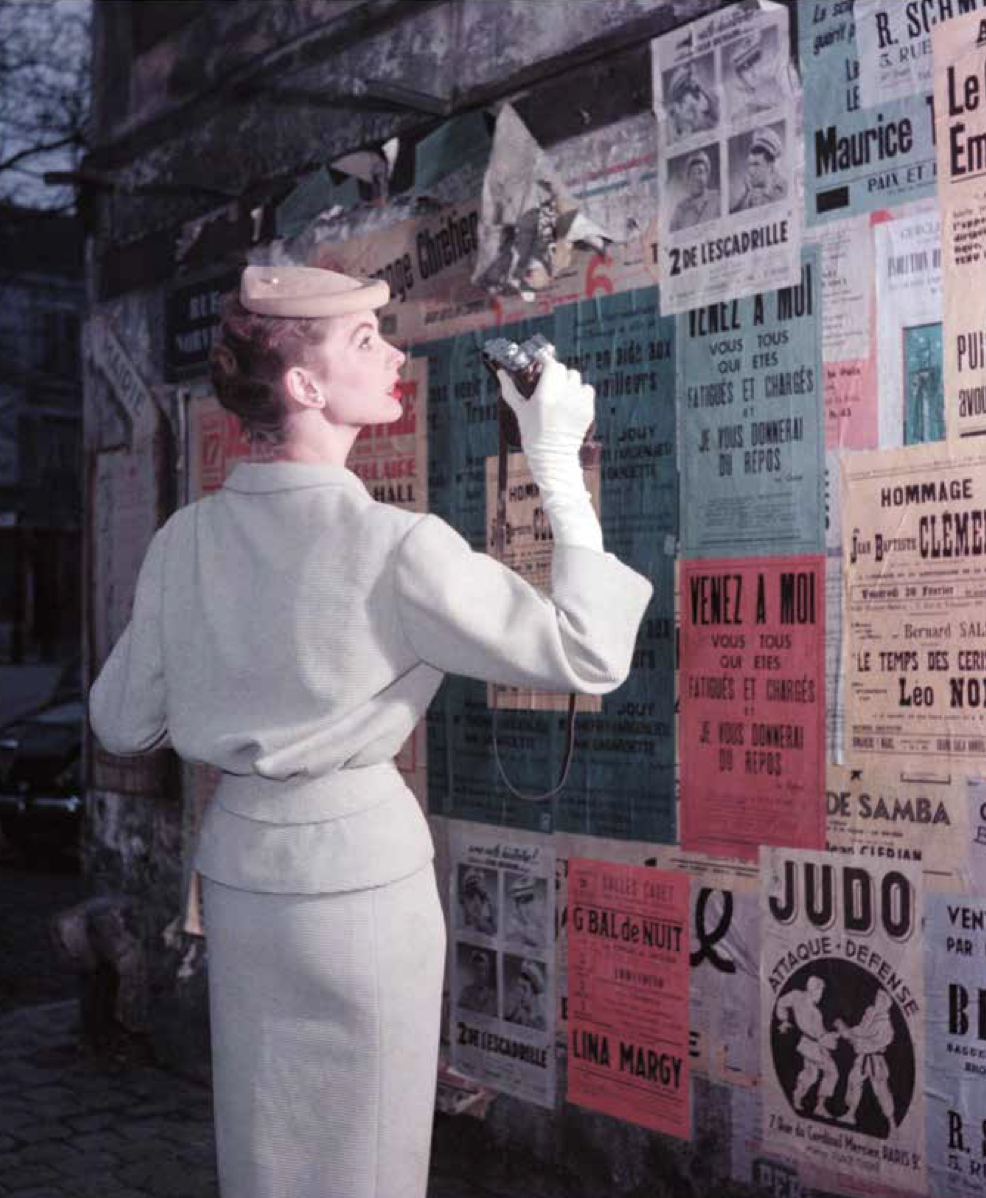
Georges turned each photo into a vivid and expressive scene.
Thanks to him, fashion sessions ceased to be static or rigid.
His report told a story.
—Anne Rivemale, the fashion editor of ELLE magazine
In the history of fashion, there are names that defined an era on the runways and in the ateliers, and others that forever transformed the way we see. Georges Dambier belongs to this latter category. The exhibition Vivre Sa Vie. Georges Dambier and Fashion , presented at the Cristóbal Balenciaga Museum, celebrates the work of a designer who revolutionized fashion photography by taking haute couture out of the studios and into the streets, into life, and into movement.
Curated by Anabela Becho in collaboration with Guillaume Dambier, the exhibition brings together 77 photographs organized into seven thematic sections that explore both the creative universe of the French photographer and the social and cultural context of post-war Europe.
© Georges Dambier Photos
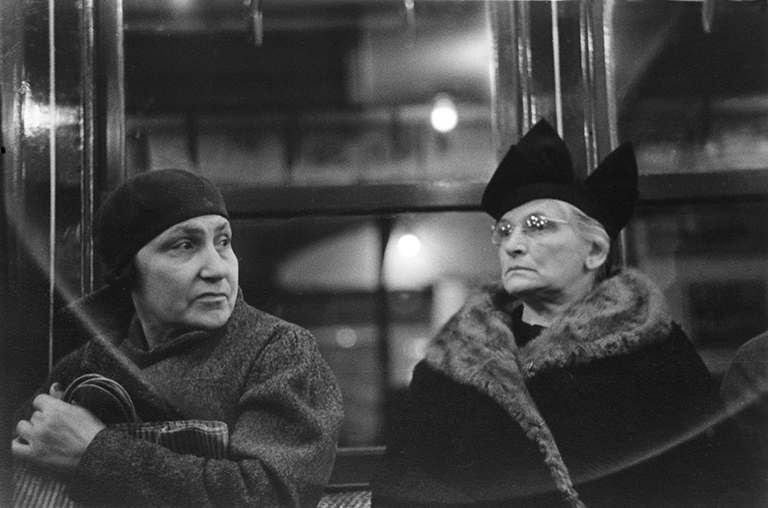
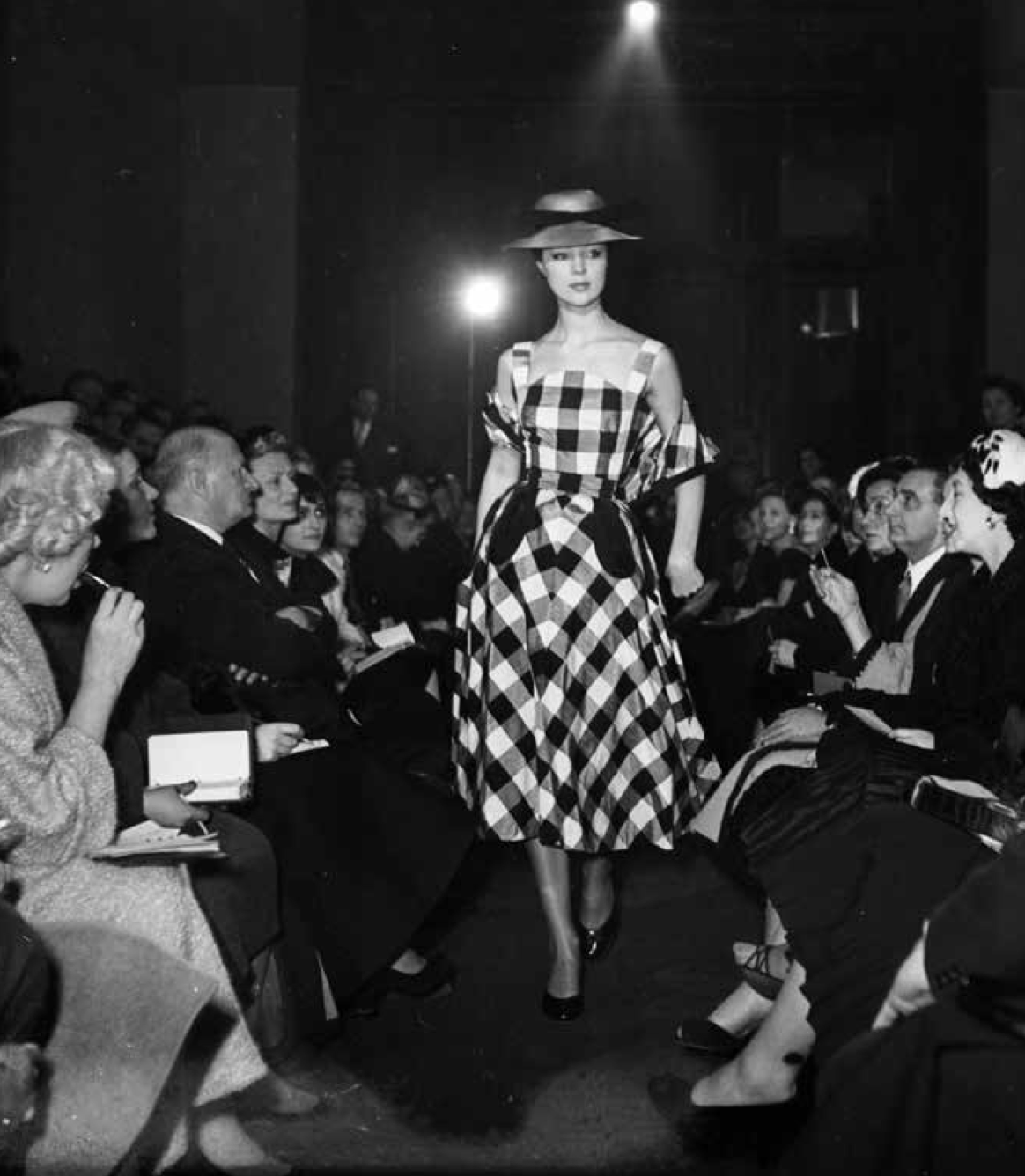
Far removed from the rigid poses and artificial theatricality that dominated mid-20th-century studio photography, Georges Dambier (1925–2011) embraced a spontaneous and profoundly modern aesthetic. Influenced by cinema and anticipating the visual spirit of the French New Wave, he transformed models into active protagonists of the urban scene. His images exude freedom: women strolling through Montmartre, wandering along the Place Vendôme, or gazing at the Seine with a naturalness unprecedented for the time.
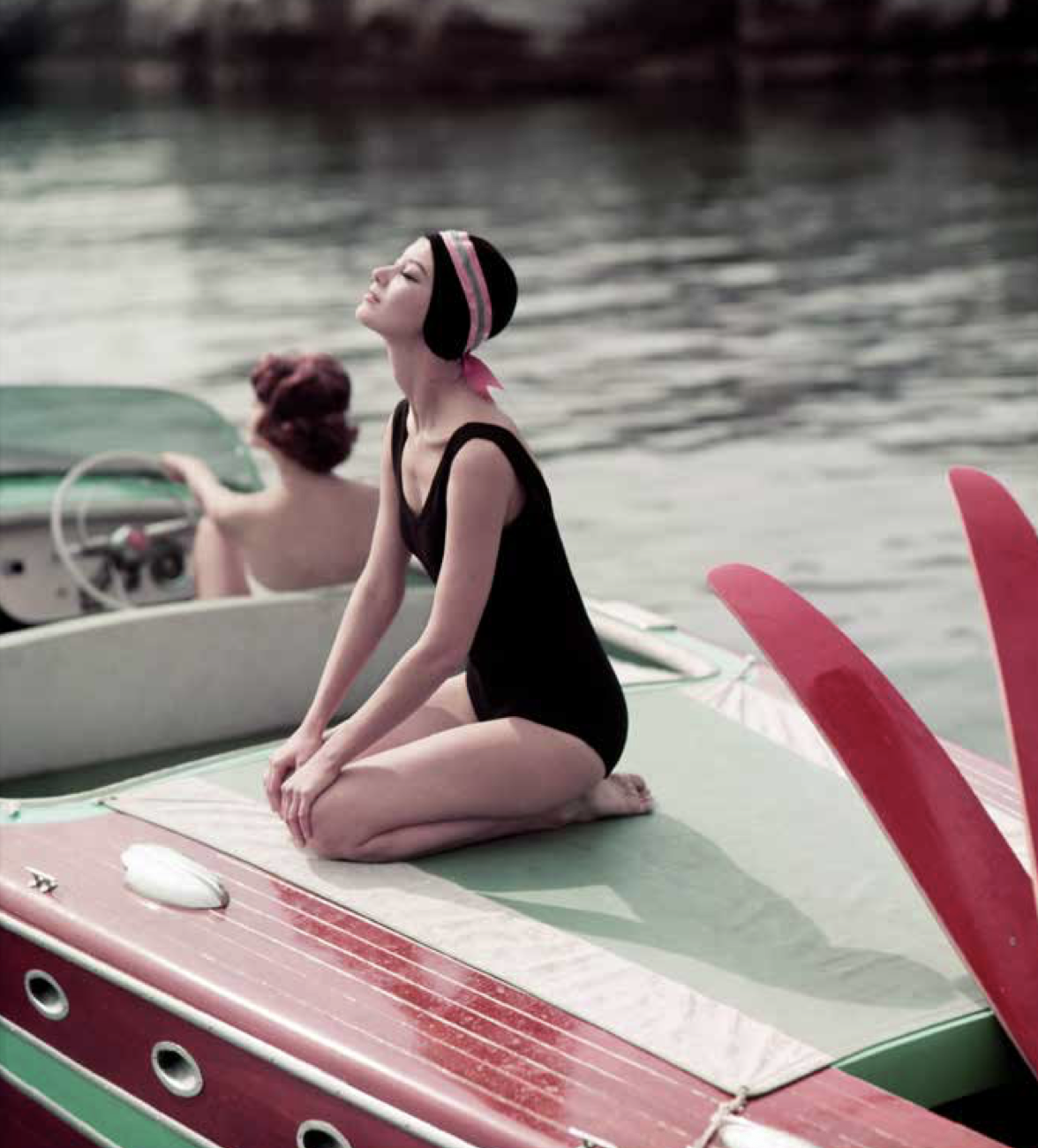
Dambier called this approach “couture in motion,” a way of understanding haute couture outside the confines of photographic studios. His camera accompanied the creations of major Parisian houses such as Dior, Chanel, Givenchy, Balenciaga, and Jacques Fath, in settings ranging from Paris to Morocco, Brazil, Tahiti, Ceylon, Spain, and Portugal.
In many of her photographs, the woman ceases to be a mere prop for clothing and becomes the true emotional center of the image. Dambier portrays an elegant yet autonomous, luminous, and powerful femininity. This visual sensibility explains why her work maintains a striking contemporary relevance today.
The exhibition also takes on special significance due to its connection with the history of Parisian fashion. The first article published by Dambier in Elle magazine documented Hubert de Givenchy's debut in 1952, thus establishing a natural link with the museum's major temporary exhibition, The Givenchy Family , dedicated to the friendship and creative affinity between Givenchy and Cristóbal Balenciaga.
© Georges Dambier Photos
The exhibition unfolds in the Aldamar Palace, a former residence linked to Fabiola of Belgium, a space that enhances the intimate and sophisticated atmosphere of the images. Among the 77 selected pieces, eleven photographs showcase Balenciaga designs captured by the refined eye of the French photographer, most in impeccable black and white that underscores the timeless nature of his work.
Beyond fashion, the exhibition reflects on the role of photography as an emotional archive and cultural memory. While the magazines and newspapers that originally disseminated these images were conceived for ephemeral consumption, Dambier's photographs have survived as a visual testament to a golden age of Parisian couture. His work demonstrates how fashion photography can transcend advertising and become art, a historical document, and an expression of a collective sensibility.


You may be
interested
...