Exhibitions
Calo Carratalá: the landscape as a spiritual and provisional experience
The Bancaja Foundation presents 'Every Place is Provisional' until June 7, a contemporary look at landscaping over three decades of history.
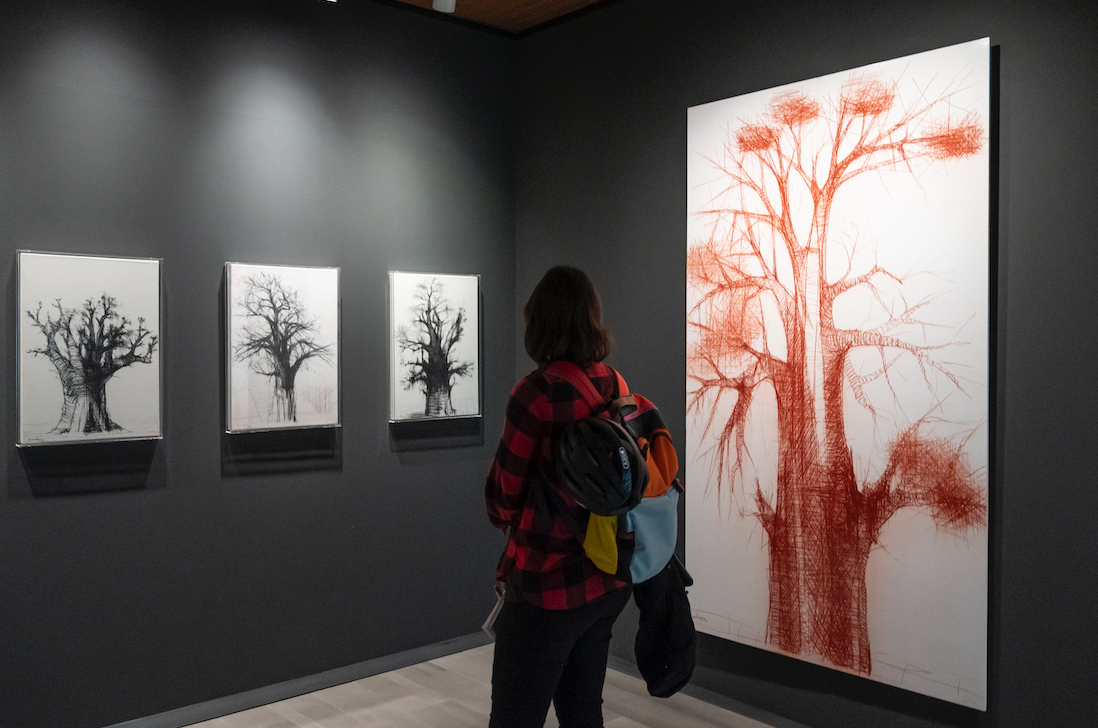
The Bancaja Foundation has presented at its headquarters in Valencia the exhibition Tot lloc és provisional by the Torrent artist Calo Carratalá (1959), a show that reviews his particular interpretation of the natural landscape after more than thirty years of career dedicated to the painting of the territory. Considered one of the outstanding figures of contemporary Spanish landscape painting, Carratalá brings together in this exhibition a mature synthesis of his visual language, deeply linked to the experience of travel and contemplation.
The exhibition brings together 37 large and small format works created between 2013 and 2026, many of which are part of three of his main series. This set is exhibited together for the first time in Valencia, including pieces created expressly for the occasion. The tour proposes a visual journey through various territories of the world: the snowy mountains of Norway, the Amazon in Brazil and Peru, and the African landscapes of Tanzania and Senegal, with special attention to the baobabs, symbols of memory and cultural continuity.
In Norway, Carratalá constructs landscapes with a great chromatic economy, where snow and light configure scenes of serene and melancholic beauty. In the Amazon, the jungle is transformed into a network of lines in graphite and ink, suggesting the density of vegetation, reflections and humidity of the territory. In contrast, African landscapes unfold through intense greens, open shapes and empty spaces that evoke the relationship between nature and community.
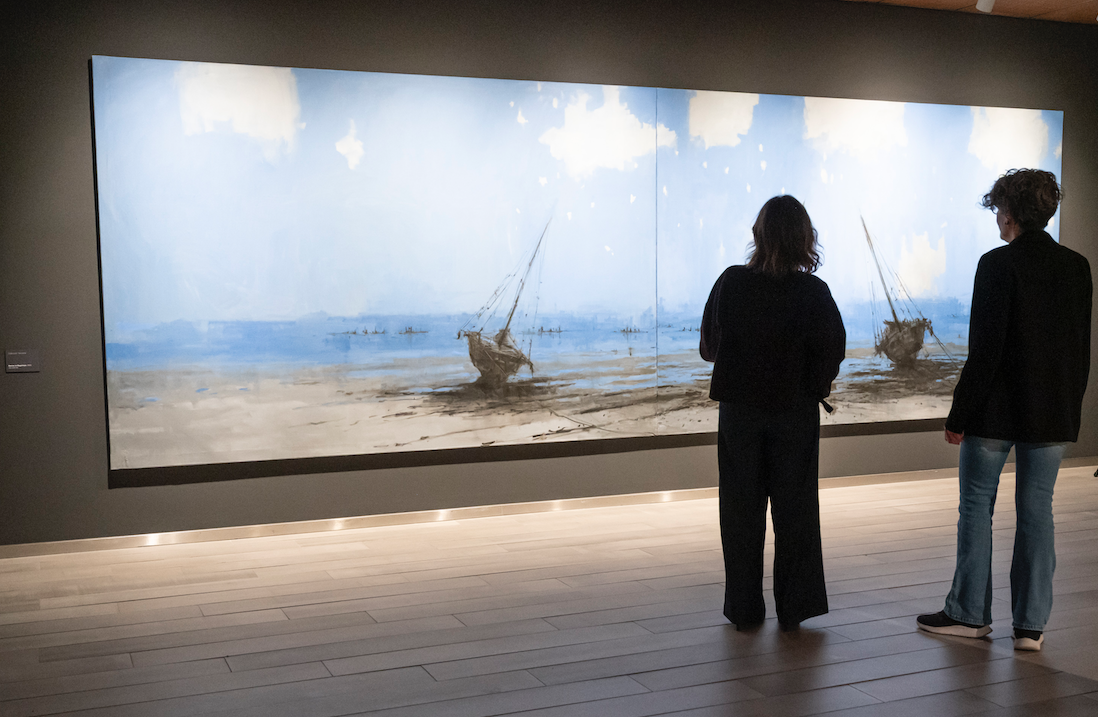
The exhibition tour, curated by art historian Marisa Giménez Soler, highlights the painter's gesture: fast, synthetic and precise. Carratalá works with outlined, corrected and superimposed strokes that turn the landscape into an emotional rather than descriptive construction. In this process, the painting becomes a fusion of air, color and time, where geographical reality is transformed into a sensorial experience.
His work is part of a pictorial tradition that dialogues with the Dutch landscape painters of the 17th century, with the romantic sensibility of William Turner, John Constable or Caspar David Friedrich, as well as with the legacy of Impressionism and Expressionism. However, Carratalá updates this heritage from a contemporary perspective marked by ecological awareness and reflection on the preservation of the environment.
The journey constitutes the essential starting point of his creative process. The artist travels for weeks to distant territories, immersed in the landscape, observing and inhabiting it before transferring it to the studio. From this direct contact are born drawings, sketches and small tables that capture the first imprint of his experience.
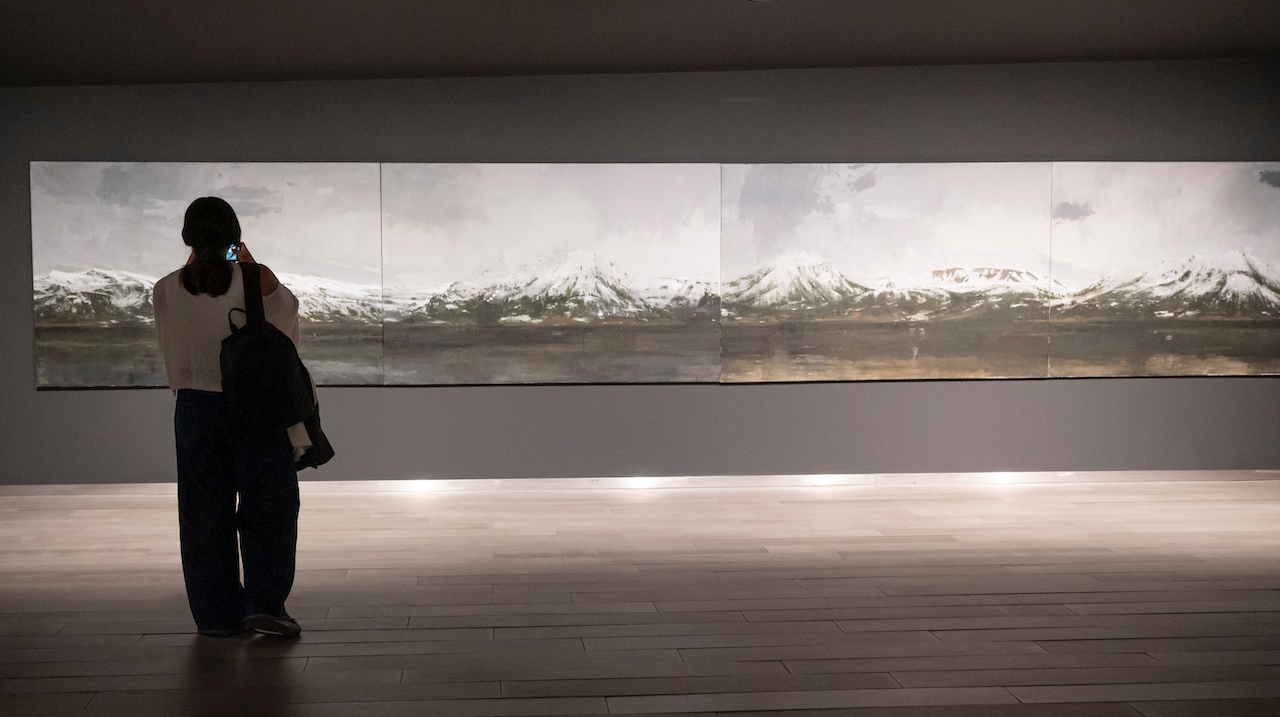
Upon his return, and after a leisurely work based on notes, photographs and memory, Carratalá reinterprets these spaces and reconstructs them pictorially. The result is not a faithful reproduction of the place, but an interior recreation that incorporates the personal experience and emotional atmosphere of the trip.
As the artist himself explains, "travel has something spiritual about it. I spend the day alone, painting, observing and thinking. It is also an introspective exercise, a way of being with oneself and regaining the time to look and feel."


You may be
interested
...