Exhibitions
When painting ceases to be a window with the Nabis
La Pedrera is hosting a large exhibition dedicated to the Nabis that, through more than 200 works, explores the movement that at the end of the 19th century transformed modern painting by placing color, subjectivity and everyday life at the center of artistic creation.
The exhibition The Nabis: from Bonnard to Vuillard invites visitors to delve into the artistic adventure of a group that, at the end of the 19th century, decisively transformed the course of modern painting. This exhibition itinerary, curated by Isabelle Cahn, which can be visited from March 6 to June 28 at the Fundació Catalunya La Pedrera, revisits the radical commitment of creators who placed emotion, subjectivity and everyday intimacy at the center of aesthetic experiment. By distancing themselves from dominant naturalism, the Nabis opened up new paths that would anticipate many of the formal and conceptual concerns of the first avant-gardes of the 20th century.
At the end of the 19th century, in Paris, a group of artists who called themselves the Nabis—“prophets”—understood that painting should not be an open window to the world, but a surface capable of revealing an inner gaze. Faced with the naturalism and obsession with impressionist light, figures such as Pierre Bonnard, Édouard Vuillard, Maurice Denis, and Paul Sérusier committed themselves to a silent but decisive revolution.
Its modernity does not lie in scandal, but in the conviction that the painting is, above all, a flat surface covered with colors arranged in a certain order —as Denis defended. Intense and often non-naturalistic colors, simplified forms, spaces without illusory depth: all at the service of an emotional and symbolic experience. Everyday life —domestic interiors, intimate scenes, seemingly banal moments— becomes poetic territory.
The Nabis also blurred the boundaries between painting and decorative arts, integrating poster design, illustration and design into a single aesthetic concept. This desire to unite art and life, combined with the influence of Japonism and its symbolic spirit, places them as an essential bridge to the avant-gardes of the 20th century. They may not have made a splash, but they changed the way we understand what painting is—and what it can be.
Organized with the exceptional support of the Musée d'Orsay, the exhibition offers a journey through the aesthetic foundations, influences and concepts that define the universe of the Nabis. Through a wide and significant selection of works, it reveals the formal richness, the plurality of languages and the creative force of a decisive movement in the transition from Impressionism to the early avant-gardes of the 20th century.
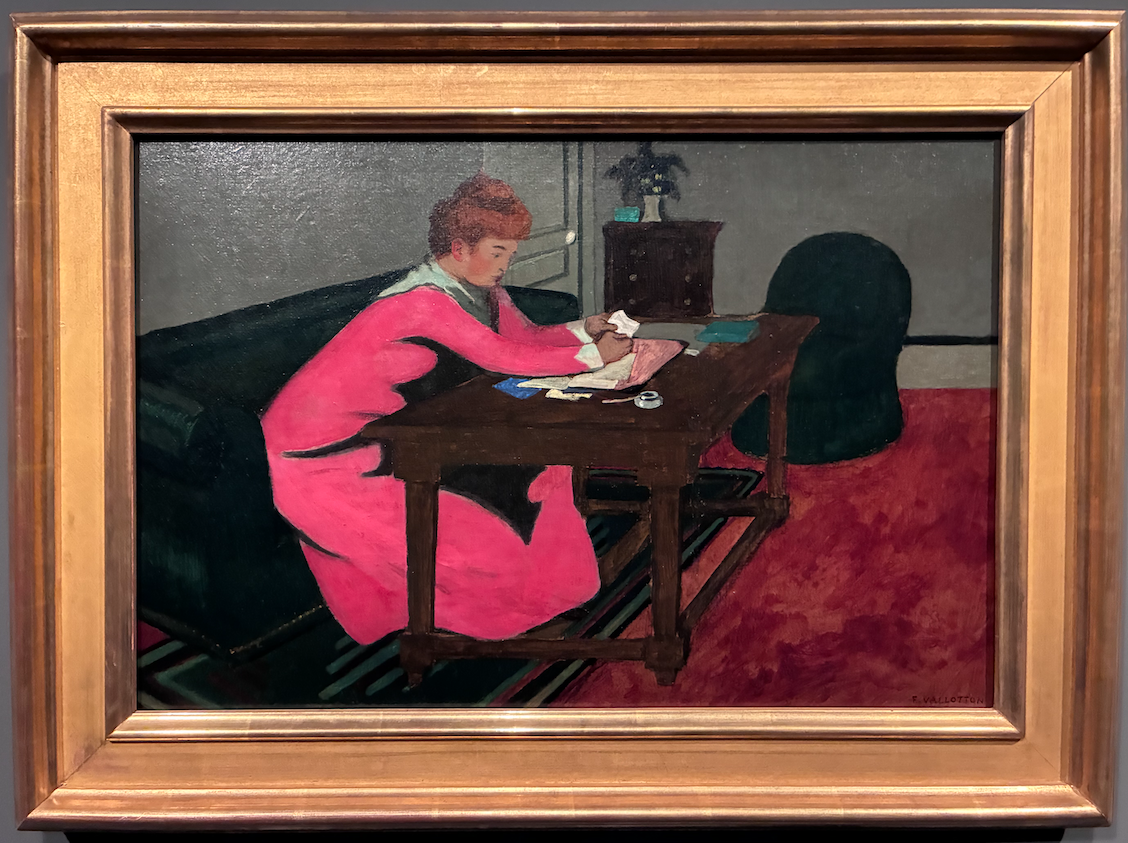
Félix Vallotton, Misia à son bureau, 1897.
The exhibition focuses especially on two key figures: Pierre Bonnard, with his subtle research into light and the autonomy of color, and Édouard Vuillard, who turns domestic space into a stage of introspection and psychological density.
It would be difficult to imagine a more suitable setting than Casa Milà to host this proposal. Like the Nabís, the building shares the same desire: to dissolve the boundaries between art and life and to understand artistic creation as a total experience that permeates everyday space.
The Catalunya La Pedrera Foundation is promoting at Casa Milà the first exhibition entirely dedicated to the Nabís to be presented in Barcelona, bringing together more than 200 works by artists active in France between 1888 and 1900. The tour is not limited to painting: it also includes drawings, engravings and sculptures, and highlights the transversal dimension of the movement. Beyond the canvas, the Nabís explored areas such as the design of wallpapers, tapestries, screens, manufactured objects and interior decoration, reaffirming their desire to integrate art and life.
The exhibition unfolds the aesthetic principles, influences and concepts that defined the group, and demonstrates, through a wide range of works, their formal richness and their capacity for innovation. In this context, the Nabis emerge as decisive figures in the transition from Impressionism to the early avant-gardes of the 20th century, protagonists of a key moment in the construction of artistic modernity.
The exhibition is divided into nine thematic sections that follow the main axes of the Nabís' production and allow us to understand, at the same time, the aesthetic complicity of the group and the singularities of each of its members.
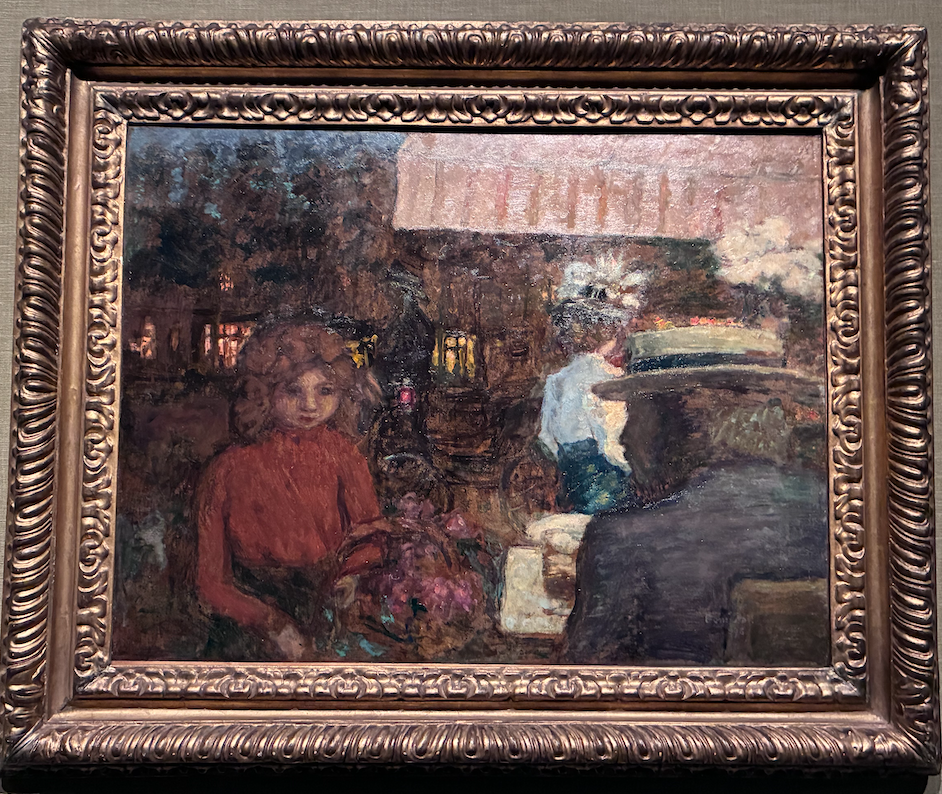
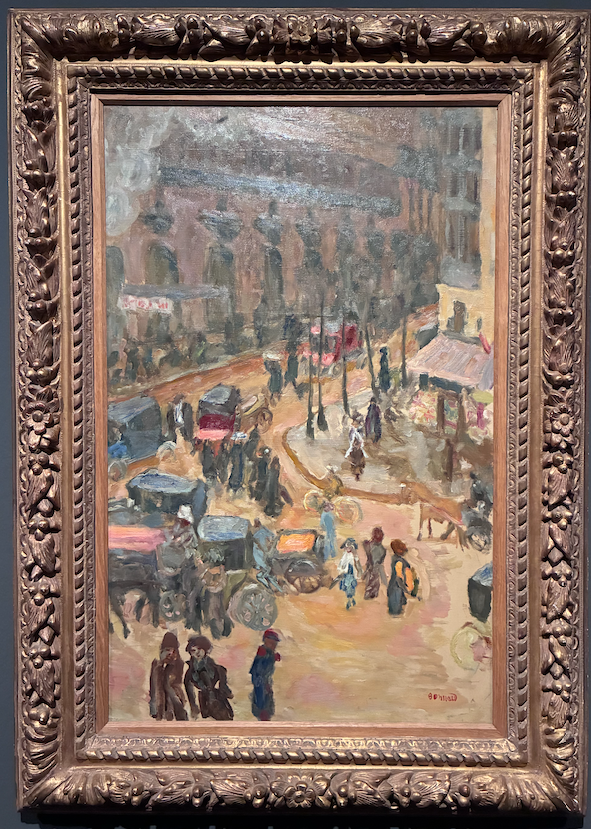
Pierre Bonnard, Place de Clichy, 1898.
The exhibition opens with the Nabís circle, which contextualizes the personal and intellectual bonds that shaped the movement, and continues with an aesthetic revolution, where the break with naturalism and the defense of a plastic language based on color, formal synthesis and subjectivity are evident.
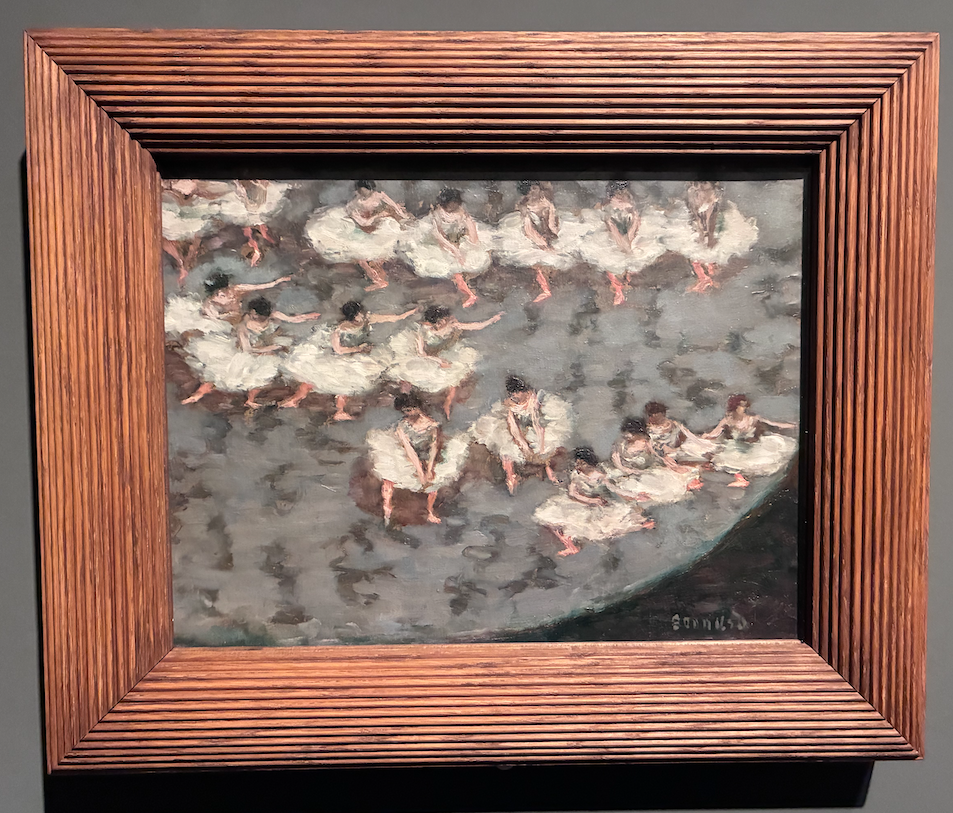
The itinerary then delves into Parisian life and the universe of theatre, music and shows, fundamental areas in the group's visual imagination. The chapter dedicated to symbolism - between esotericism, dreams and mysticism - reveals the spiritual and poetic dimension of their work, while the sections focused on landscapes and gardens show their particular reading of nature.
The desire to integrate art and environment is strongly displayed in modern decoration, and culminates in two sections that condense much of its ideology: the representation of everyday life, converted into a space of intimacy and introspection, and the Mediterranean, understood as a territory of light, color and sensory plenitude.
“Let us remember that a painting—before being a workhorse, a naked woman, or any anecdote—is essentially a flat surface covered with colors arranged in a certain order.” Maurice Denis, in 1890.
The Nabís: from Bonnard to Vuillard
The Quarry
Barcelona
06.03.2026 to 28.06.2026
You may be
interested
...