Exhibitions
José Carlos Martinat explores the traces of power on the walls of Houston
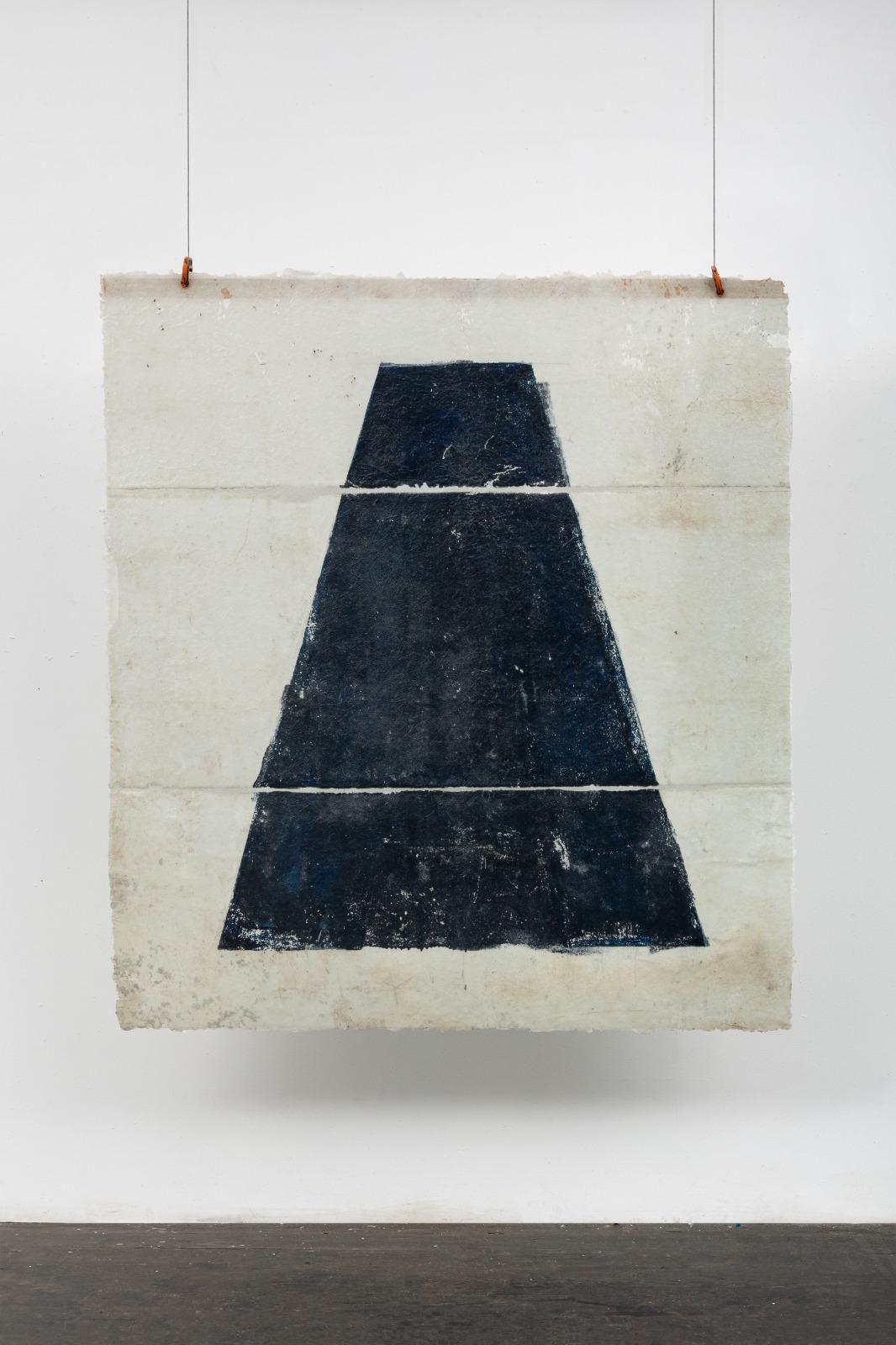
The city as a territory of dispute, memory, and representation. This is one of the central ideas of Field of Power, the exhibition with which Revolver Gallery presents for the first time in Houston the individual work of the Peruvian artist José Carlos Martinat (Lima, 1974), which also marks his second solo show with the gallery in the United States. Through a multidisciplinary practice that connects art, architecture, language, technology, and public space, Martinat investigates the relationships between urban images and the political and social structures that determine their presence and disappearance.
His work is part of important international institutional collections, including those of the Museum of Modern Art (MoMA) and the Solomon R. Guggenheim Museum in New York, the Tate in London, the Latin American Art Museum of Buenos Aires (MALBA), and the Lima Art Museum (MALI). In this new proposal, the artist directs his attention toward the city's walls, understood as living surfaces on which discourses, symbols, and ideologies are superimposed. His work begins with the extraction of paintings, inscriptions, and materials from urban spaces to preserve images that, by their very nature, were destined to disappear.
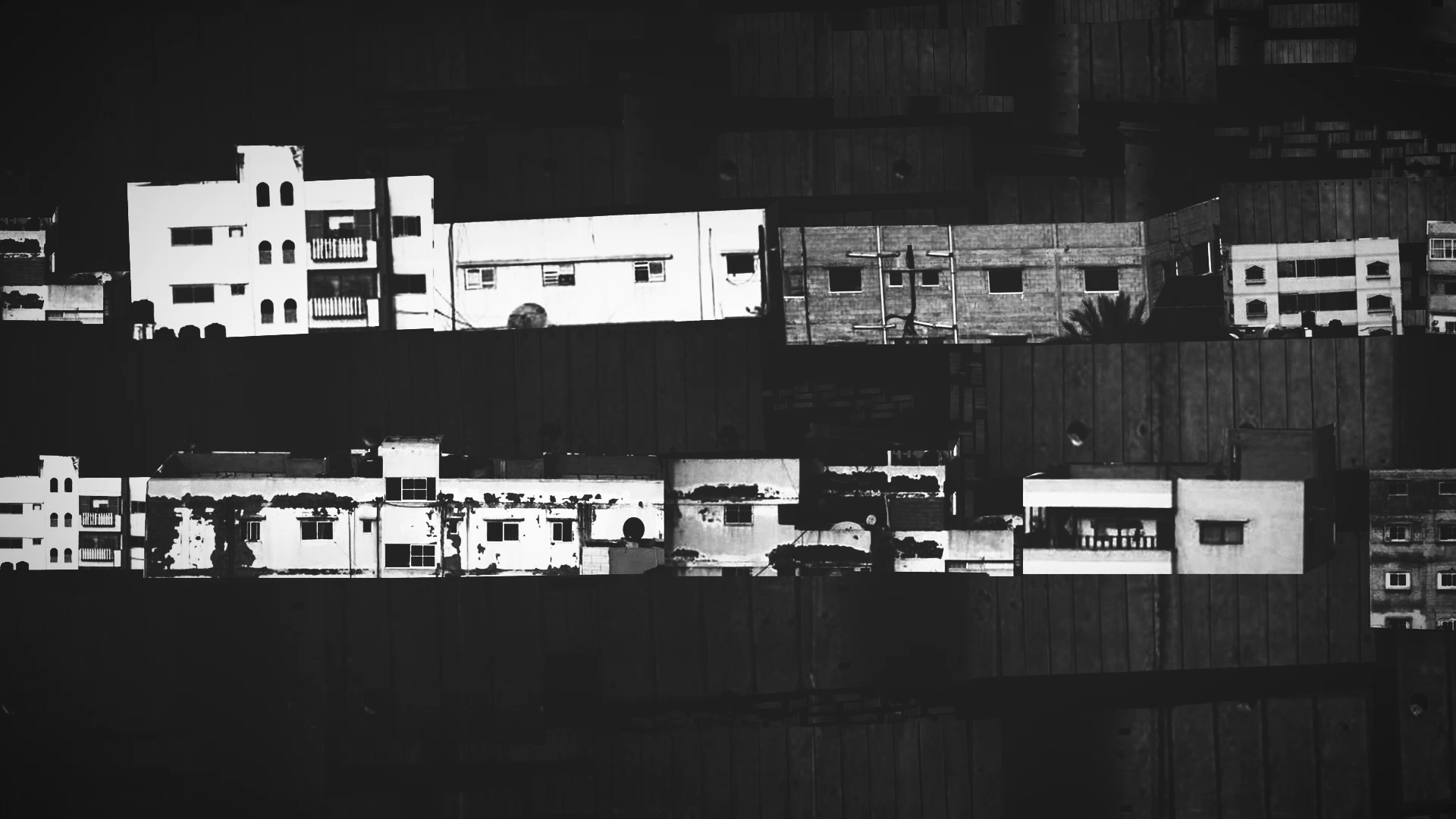
Transferred to the exhibition space, these fragments retain the traces of time and their original context but acquire a new autonomy. They are presented as material palimpsests, testimonies of what a society has tried to assert, transform, or erase. The process of decontextualization allows observing how urban surfaces accumulate layers of meaning and how each intervention leaves traces of the conflicts that cross public space.
The exhibition’s title takes on special resonance in Houston, a city closely linked to the legacy of Mark Rothko and the tradition of Color Field, as well as hosting the emblematic Rothko Chapel. Martinat shifts the concept of field beyond the limits of painting to situate it in urban space. The walls thus become authentic fields of power where images, discourses, and ideologies overlap, compete to remain visible, and sometimes disappear under new interventions. The exhibition thus establishes a dialogue between Houston's artistic history and a political reading of the surface as a place of memory, conflict, and transformation.
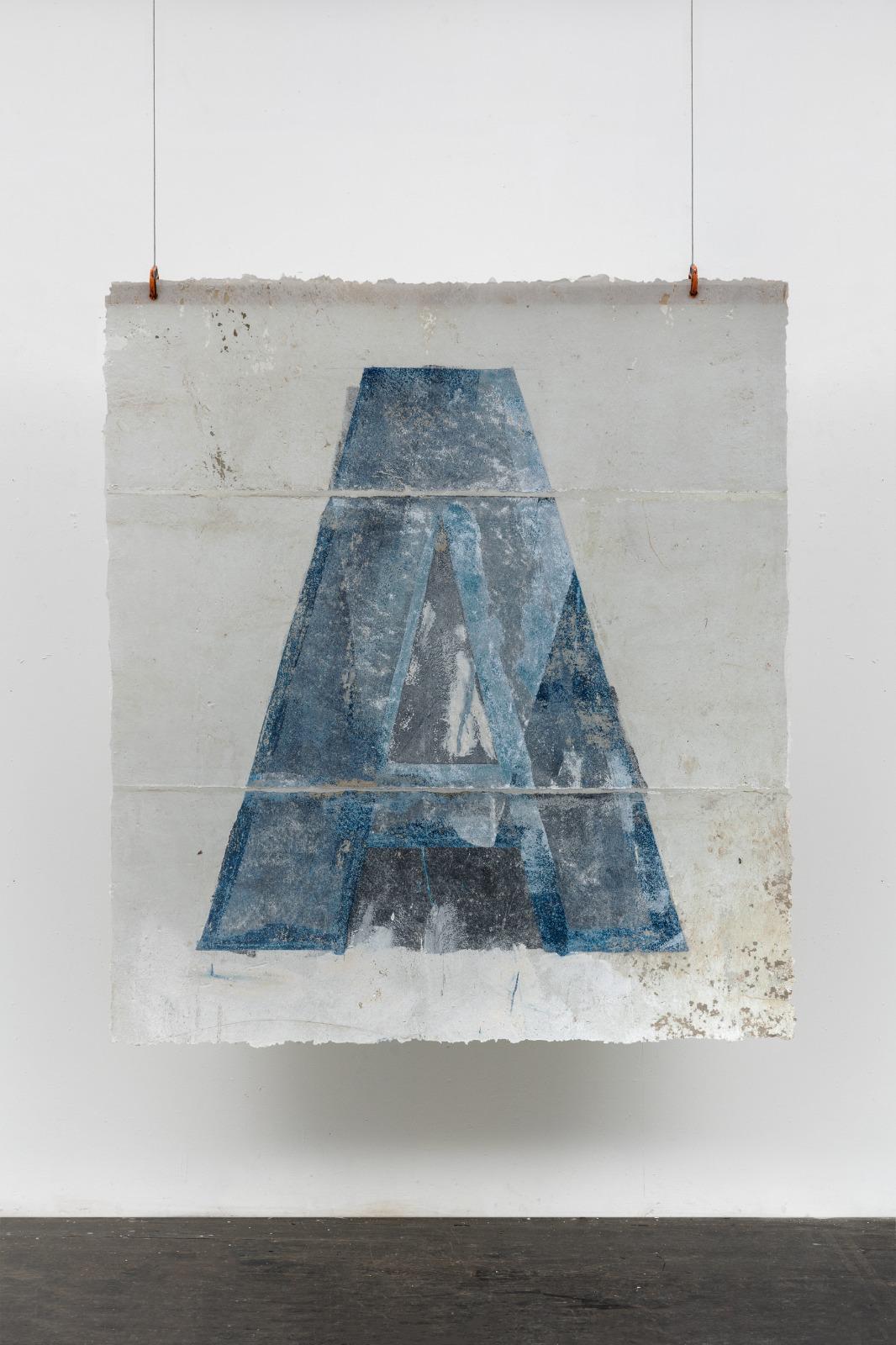
The works originate from electoral propaganda painted on the walls of Lima. Political parties routinely intervene in public and private surfaces, sometimes without authorization, superimposing their messages over those of previous campaigns. Some images remain exposed to the elements for years, while others fade over time or are removed by residents tired of the propaganda saturation. Behind this apparent visual disorder, Martinat identifies a much more persistent power structure.
The Peruvian political context is especially significant: between 2016 and 2026, the country has had nine heads of state, a succession of leaderships that contrasts with the continuity of certain political forces and interests. While the faces of power change, the same structures negotiate, forge alliances, and seek to perpetuate themselves in Congress. This tension between institutional instability and the permanence of power mechanisms constitutes one of the critical axes of the proposal.
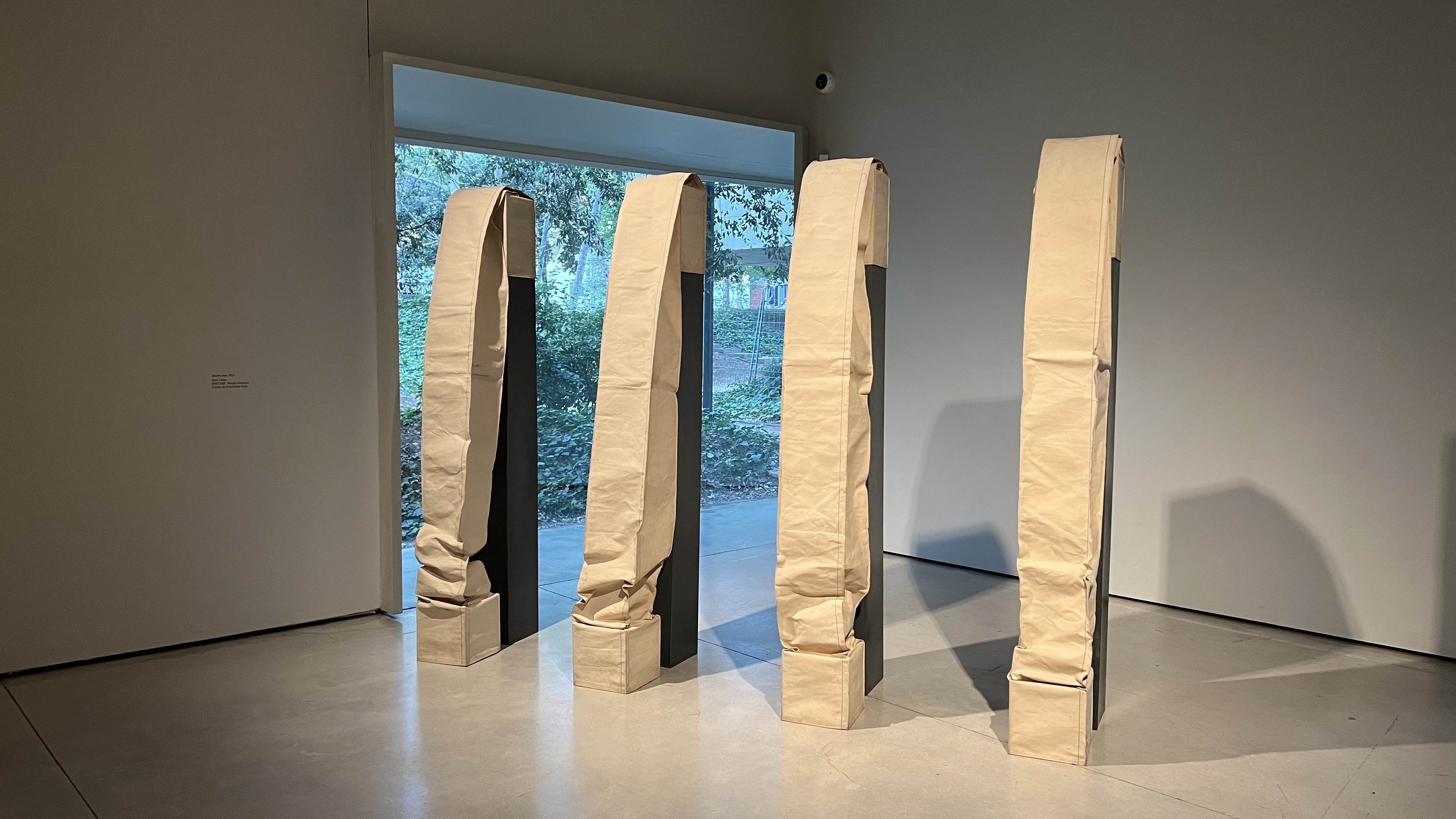
Each work is presented on both sides. On the front, a black field covers the original propaganda and can be seen as an abstract pictorial composition. On the reverse, however, a surviving letter from the initial message remains visible. The distribution of these pieces throughout the gallery rooms prevents the letters from being recombined into a readable text. The message has not been destroyed but has lost its readability by being fragmented and separated. What was meant to remain hidden reappears precisely on the side that was never intended to be seen.
In this operation, covering becomes a political gesture. Erasing a slogan does not mean eliminating its history but producing a new image that retains the traces of an attempt at censorship, substitution, or exclusion from collective memory. Martinat does not point solely to the action of a specific authority but to a system that reproduces itself through the constant elimination of its own images. Each campaign covers the previous one without completely making it disappear; each new discourse hides the preceding one, although its traces remain present.
You may be
interested
...