News
The most intimate Gaudí appears with ten unpublished drawings that have survived for generations
Two self-portraits from 1876, anatomical studies and ornamental sketches reveal the lesser-known facet of the young architect, in papers that the family of his fellow student Emili Cabanyes has preserved for more than a century.
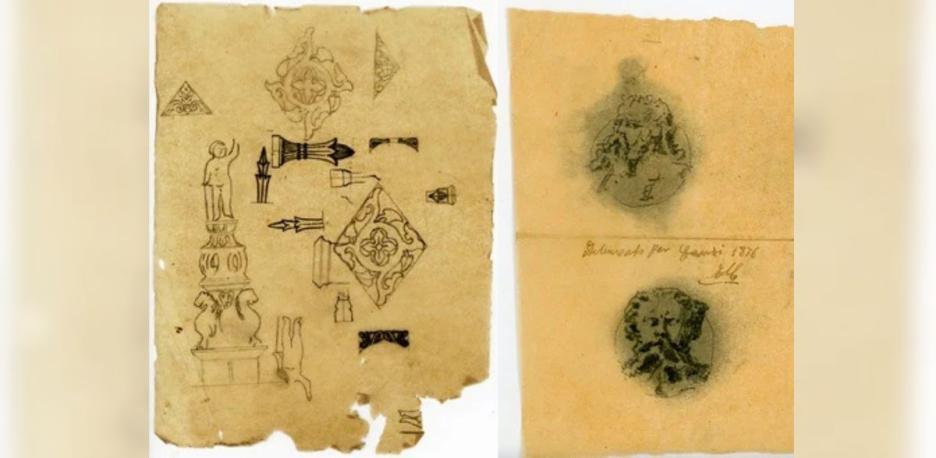
Before Antoni Gaudí revolutionized architecture with his organic forms and impossible structures, he was already experimenting with a pencil to explore the world around him. Ten previously unpublished drawings from his student days have now emerged, preserved for generations by the family of a former classmate. Presented as part of the Gaudí International Congress, which is being held at La Pedrera until Sunday, October 25, the papers include two self-portraits from 1876 that allow us to discover a little-known facet of the young architect, when his creations were still years away from becoming universal icons.
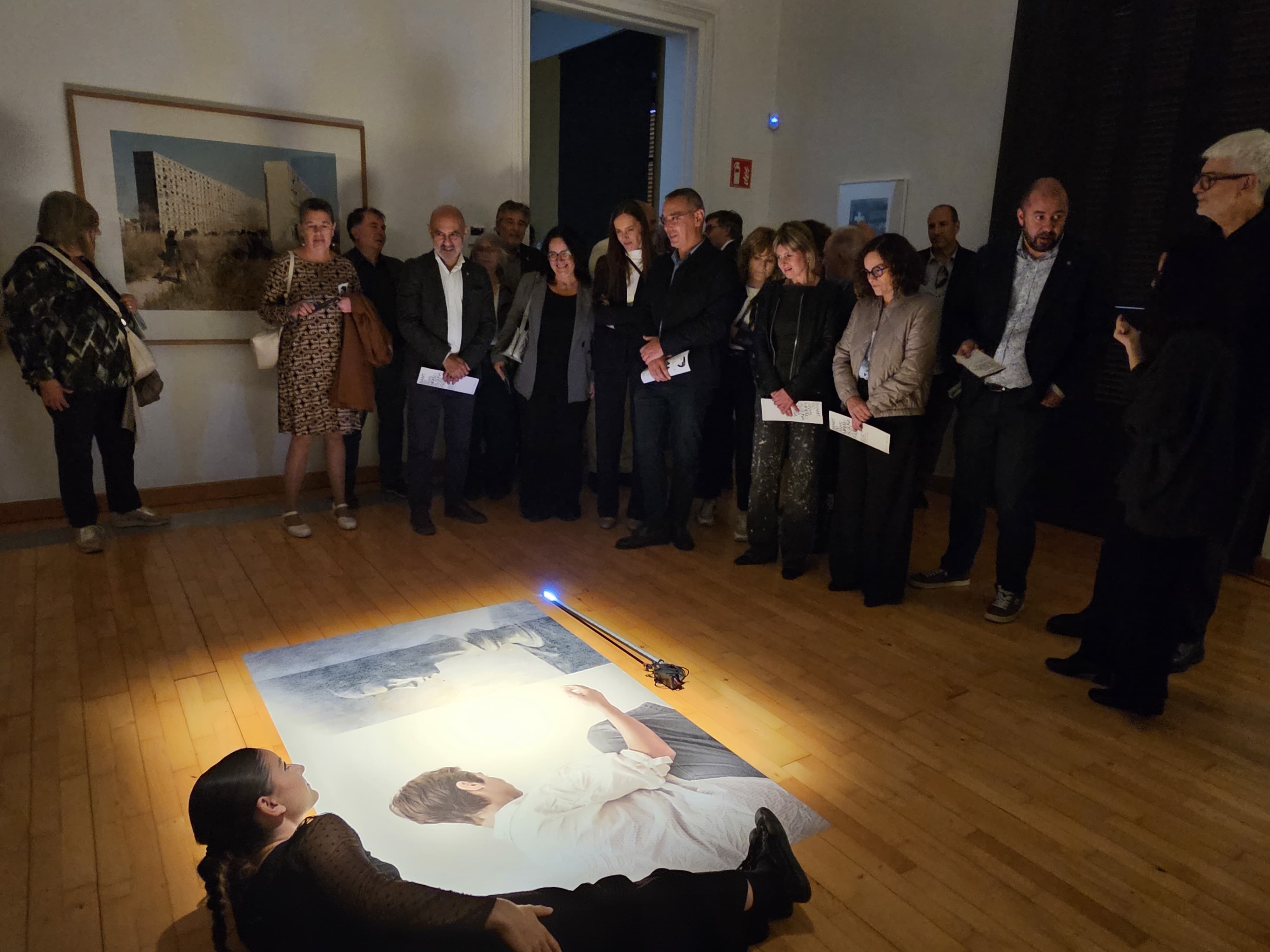
The find was unveiled this Saturday at the Gaudí Congress by Josep Maria Tarragona, one of Gaudí's main biographers, author of two reference biographies published in 1999 and 2016. The set allows us to delve deeper into the architect's artistic training and discover a skill that has often been overlooked in the face of his extraordinary ability to conceive spaces, structures and architectural forms. Gaudí was not particularly prolific in drawing, as he preferred to work with models, but he had a remarkable talent for graphically synthesizing what he observed and studied. According to Tarragona, from a young age he demonstrated 'a great ability to graphically synthesize both direct observation and the models he studied'.
The two self-portraits constitute the most surprising pieces of the set. In one, Gaudí is represented from the front; in the other, in profile. Both correspond to 1876 and show a young man with abundant hair and a long beard, drawn by means of a succession of small strokes. Beyond their documentary interest, these images bring us closer to an intimate dimension of the architect, usually represented in the collective imagination as a mature, austere man completely devoted to his work. Here, however, the student emerges who is still constructing his gaze and exploring the possibilities of graphic language.
The rest of the drawings expand this formative portrait. The papers include anatomical studies, representations of animals, ornamental motifs and exercises linked to constructive and technical solutions. These notes allow us to follow the visual interests of the future architect and observe how he experimented with the representation of nature, the body and forms. In these early works, we can already glimpse the importance of observation and the study of models in the development of a creative thought that, over the years, would find in architecture its main field of expression.
The history of the drawings is also exceptional for the way they have been preserved. The originals belonged to Emili Cabanyes i Rabassa, a fellow student of Gaudí who later became mayor of Mataró. Since then, the documents have remained in the hands of his family and have been passed down from generation to generation until they reach the current owners. This family continuity is a relevant element for studying their provenance and authenticity, since the papers have not suddenly appeared on the market nor do they come from a collection with a documentary history that is difficult to reconstruct.


You may be
interested
...