
Exhibitions
One, two, three, four, five, six, seven, eight letters by Frederic Amat
The exhibition 'EIGHT' at La Virreina Centre de la Imatge explores Frederic Amat's artistic exchanges with poets and storytellers whom he has been able to 'accompany with images'.
Frederic Amat's work has an intimate relationship with time. He does not speak from the slow strata of geology or the frenetic leaps of "the present", but from the human experience of time. Of lived time. Perhaps it is because of the naturalness with which he writes letters to Lorca, Rimbaud or Llull - to refer to some of the books he has illustrated -, making them present and contemporary, that he has accustomed us to a feeling of synchronicity in the questionable "history of art". It is worth saying, in Hegelian terms, that nothing is better than denying it and disowning it in order to continue affirming it.
But the exhibition "EIGHT", which can be visited at La Virreina until November 1, explores his artistic relationship with writers with whom —according to the chronology, he states forcefully— he has lived together over time. Thus, apart from listening to them, they can respond, dialogue. According to the artist, the eight names (JV Foix, Mark Strand, Octavio Paz, Chantal Maillard, Juan Benet, Guillermo Cabrera Infante, Lawrence Ferlinghetti and Juan Goytisolo) are a "small constellation of writers and poets, beloved and close, who I have had the fortune to accompany, over the years, with images". The plurality in his writings translates into a multiplicity of genres and subgenres in Amat's epistles, which, from drawing to moving images —through stills and finds— takes his language to the limit to deploy its metaphors.
Foix's voice reciting the poem "A Rose" is embodied with the gestural mime of a hand dance.
Mark Strand's septenary poem Seven Days is read quietly, jumping through Bob Wilson's playful calligraphy and the kaleidoscope of colors that roll and gather.
"Blanco", by Octavio Paz, made of silent verbs and apophaticism, leads us back to the homophonic meaning of the exhibition's name: emptiness.
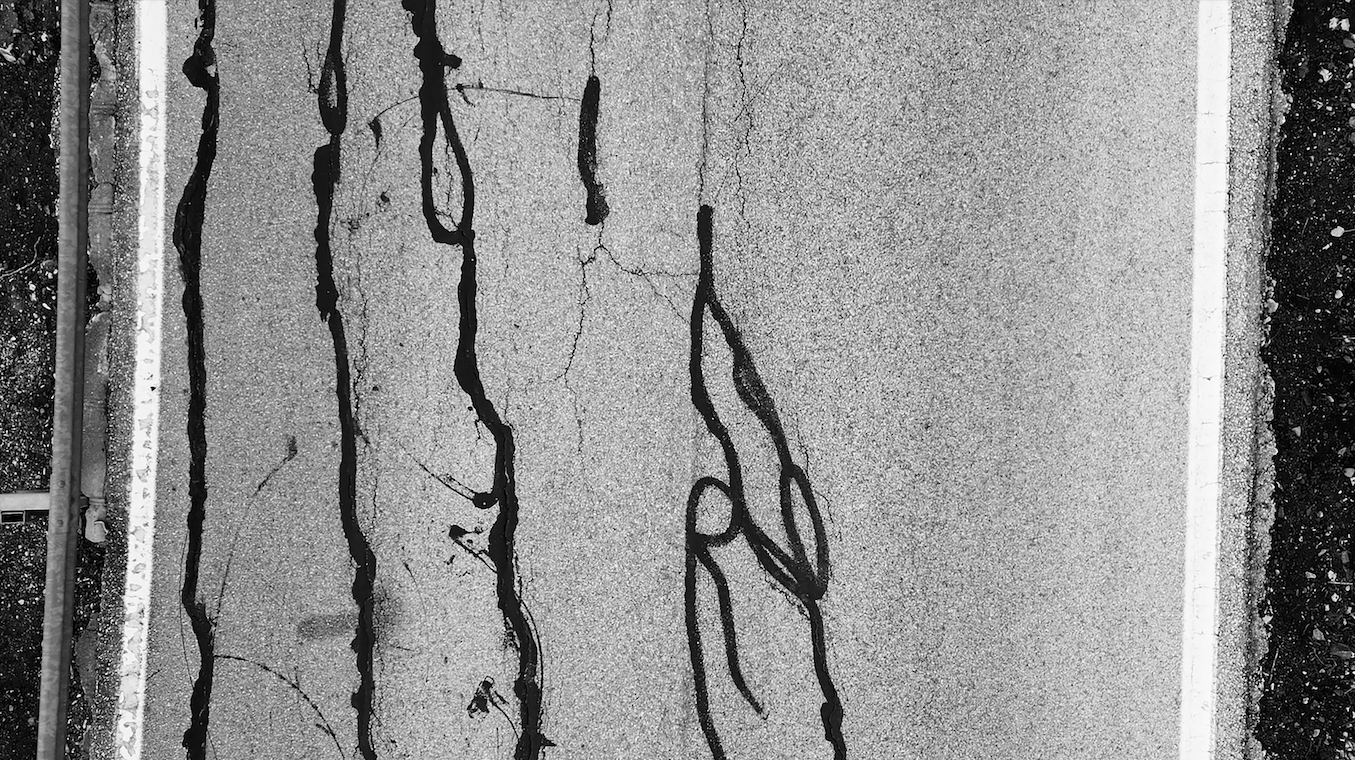
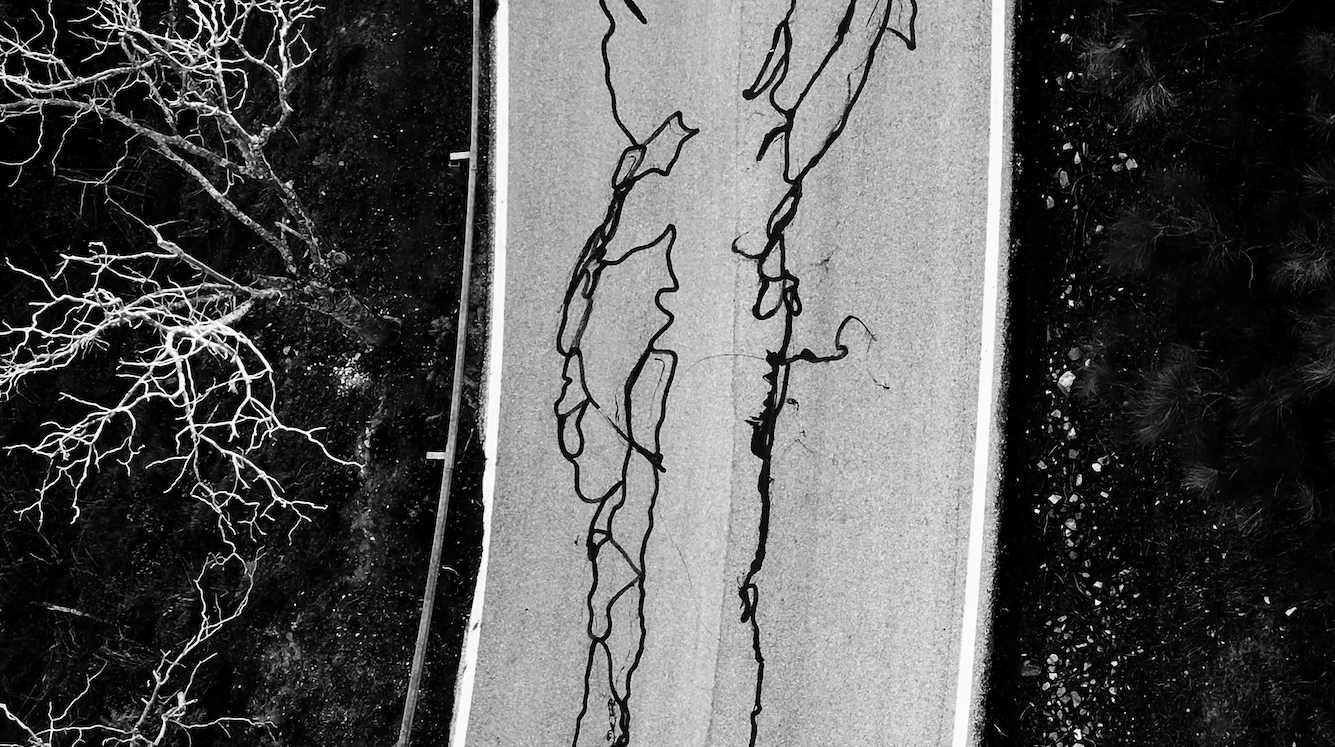
The unreleased video of Al filo , with text and voice by Chantal Maillard, follows the tarred lines of a road with very Amatian lines. It is difficult not to think of the brutal derailment with which his celebrated Matar a Plato begins, but now sublimated towards the surplus, "what is left incomplete or undefined" and "drifting, they end up leading us out of the picture for a vision of an unsuspected horizon."
From the film Aullido , with a script by Guillermo Cabrera Infante, I am captivated by the storyboards prepared by the artist, where painting, collage and dimensions choreograph an encounter with the beast.
The silkscreens on text by Juan Benet in Visitas de 1 a 12 or alongside What is poetry? , by Lawrence Ferlinghetti, explore the "transmutation" between verbal and visual codes. The untranslatable thing about poetry is that it becomes poetry in translation .
The staging of Juan Goytisolo's "sainete ibérico" in Memorias de tortuga , with Albert Pla and Joan Baixas, addresses historical memory as a series of awakenings and relapses into lethargy. The regime's musical residues and the wounded sculptural shells pose a fabulous and politically incisive colloquium.
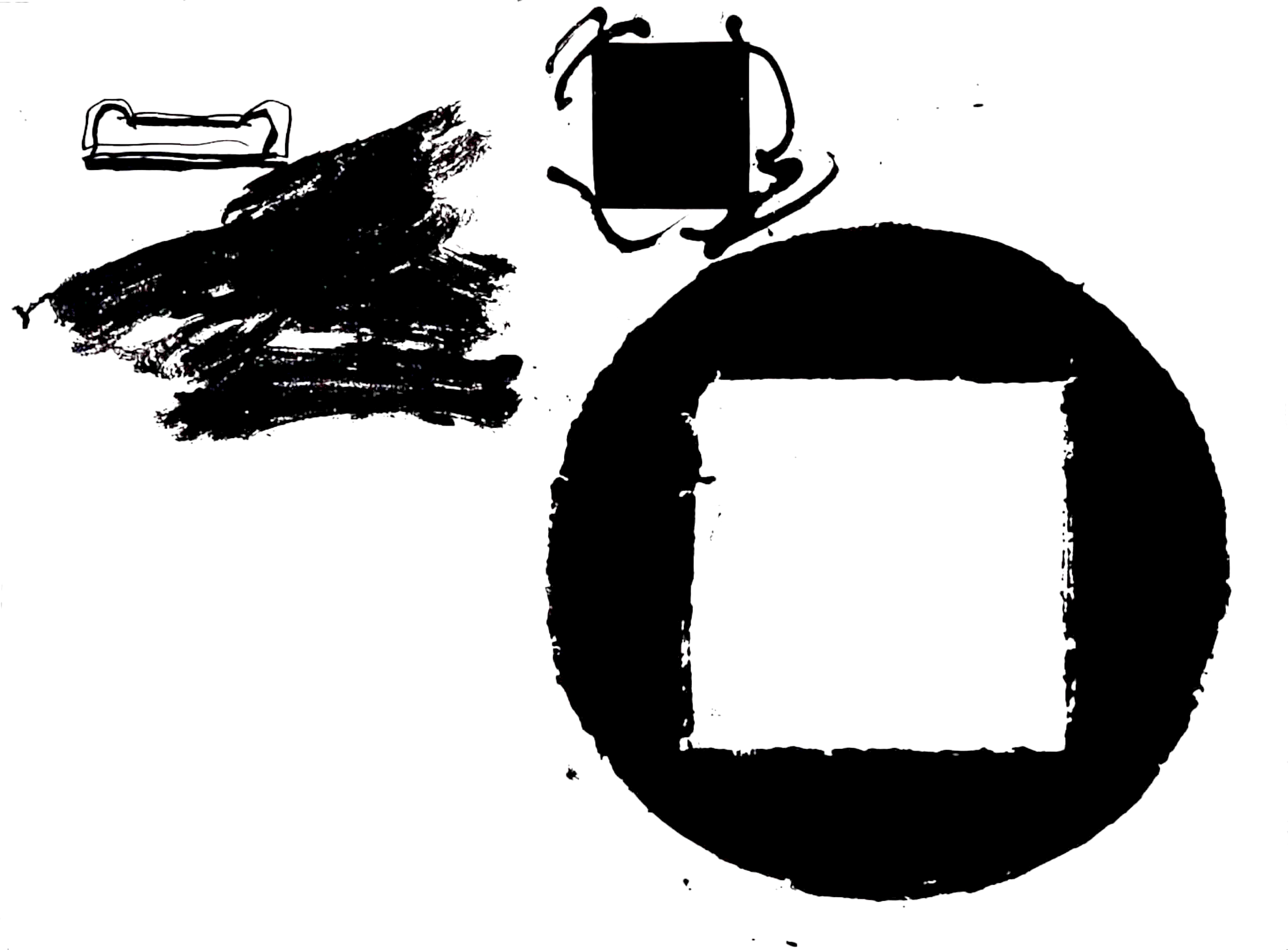
Valentín Roma presents these —and other— works focusing on the creative processes behind the paths of text to image and the friendships that motivate them or end up arising from them. Thus, apart from the storyboards , the making of the films is also shown, some document that testifies to the previous dialogue or the original works. In the arrangement, the curator makes the right decision to show some of them directly nailed to the wall, without filters that obstruct the view. However, Amat's film production —seven screens with headphones allow you to watch these videos— seems to divert attention a little from the artist's books, which should be opened, touched, read and recited.
In the texts of the exhibition, Roma expands the eight names to dozens of other writers and artists, relating them by affinities and showing how the lines of tradition, like stars or hyperlinks, can always connect with each other. Although Amat considers himself an artist who works "from the periphery", the exhibition at La Virreina demonstrates how for decades he has traversed the "center" of international modern art. And how the threads, while celebrating friendship, continue.


You may be
interested
...