Exhibitions
José Guerrero and Esteban Vicente facing the vertigo of color
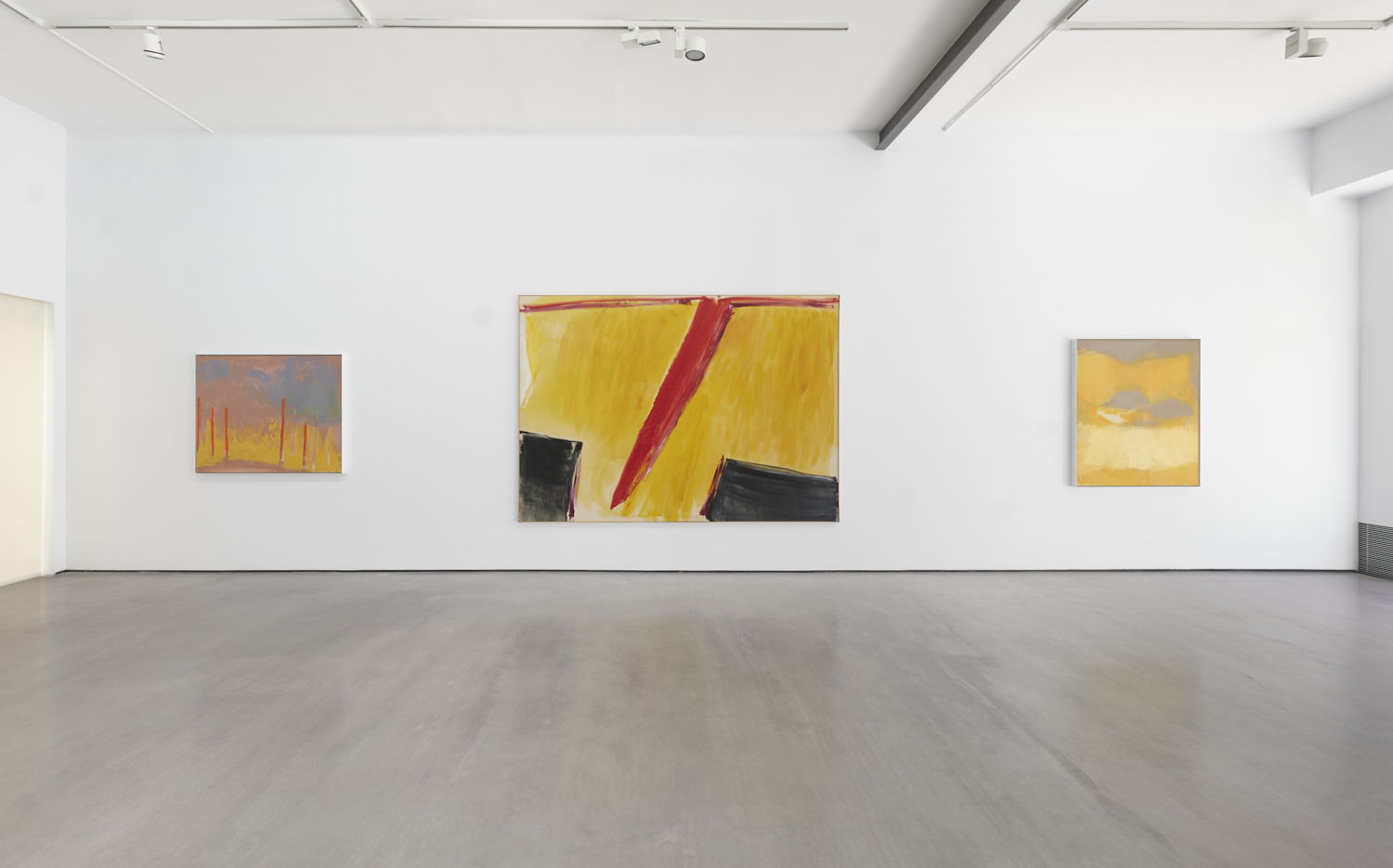
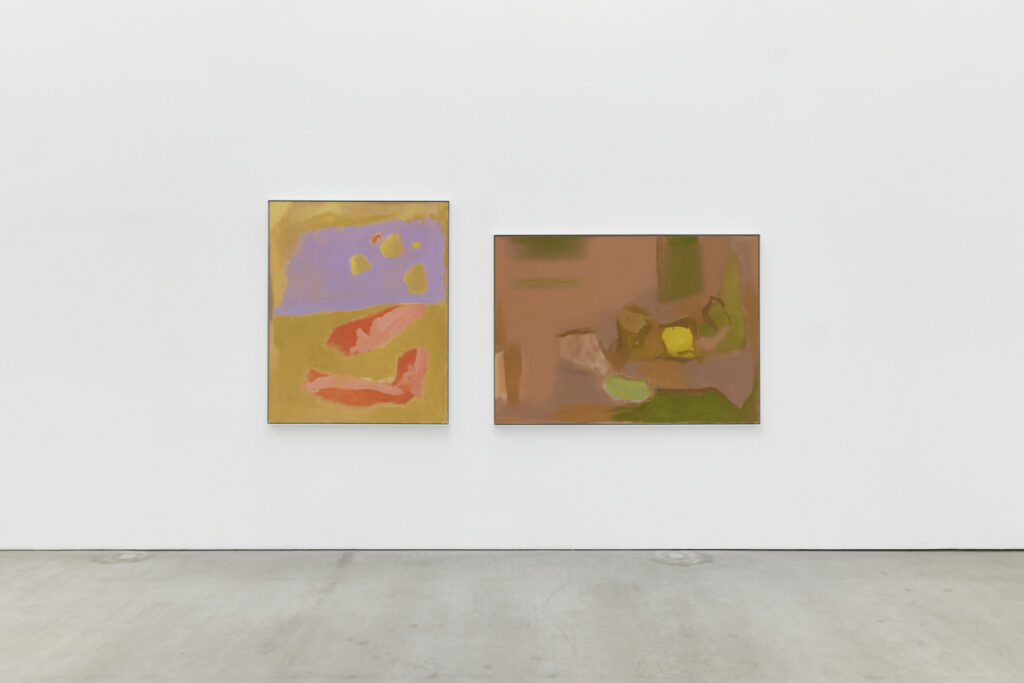
The Cayón Gallery in Madrid is hosting an exhibition of eight works by José Guerrero (Granada, 1914–Barcelona, 1991) and seven by Esteban Vicente (Turégano, Segovia, 1903–Bridgehampton, New York, 2001), running until November 15. The exhibition once again juxtaposes two fundamental figures in understanding the Spanish presence within the New York School. Open since September 10, the show continues the project presented during June, July, and August at the gallery's Menorcan location, housed in the former Palace of the Baron of Las Arenas and the Victoria Cinema.
Madrid, however, does not replicate that selection. Cayón now proposes a new dialogue through different works, with special attention to large formats, where the chromatic intensity and the physical dimension of the painting acquire particular power. Among the assembled pieces are several canvases by Guerrero that have not been publicly exhibited for decades.
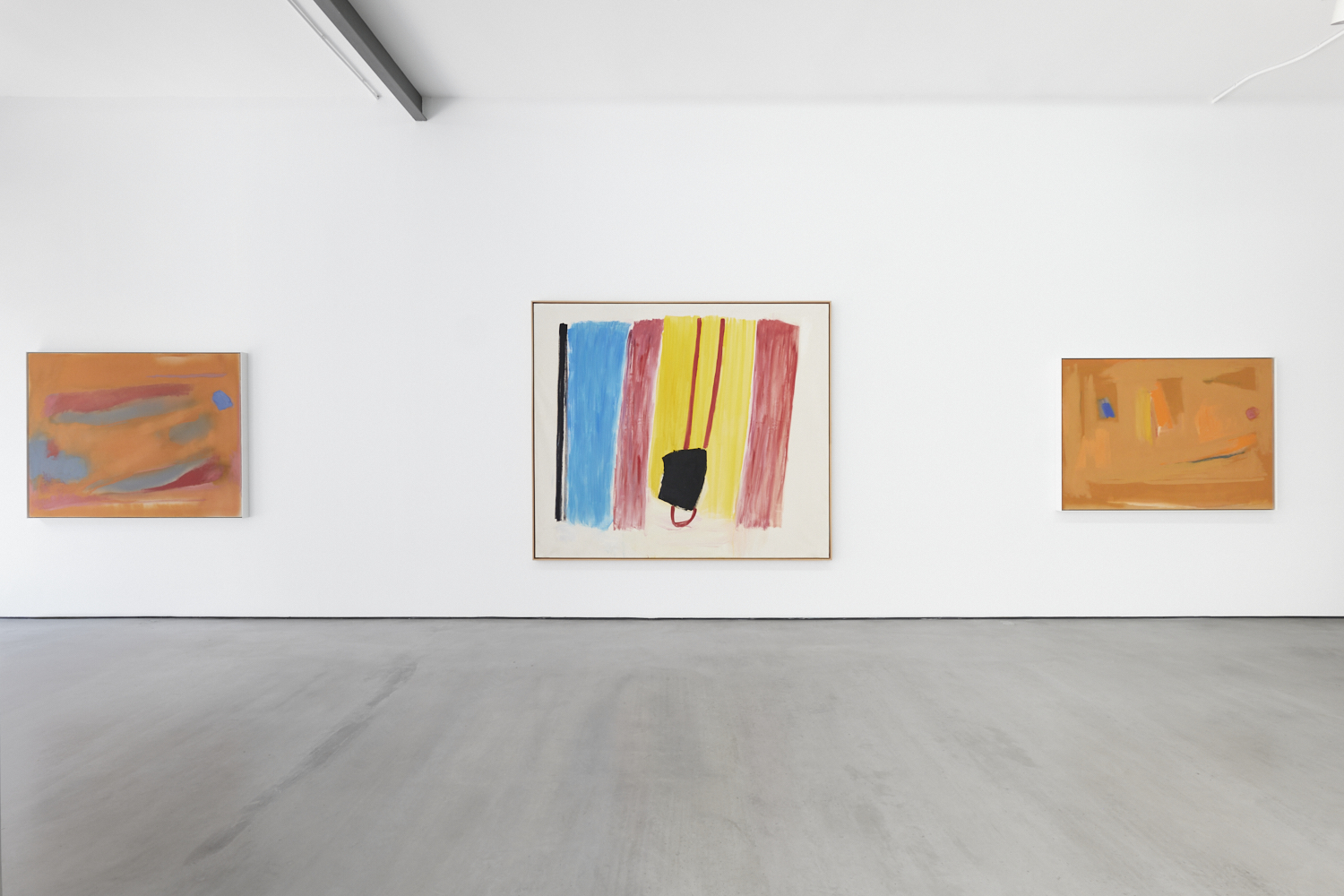
The exhibition focuses on two Spanish artists who fully participated in the American Abstract Expressionist movement, though they did so through their own distinct artistic languages and a particularly free and decisive use of color. Guerrero and Vicente shared initial training at the San Fernando School of Fine Arts and later traveled to Paris, where they came into contact with the European avant-garde. Their paths would later lead them to the United States, at different times and under different historical circumstances, where they would further develop their respective abstract explorations.
From the early 1950s, both became integrated into the artistic milieu of the first generation of the New York School and maintained contact with some of the essential names of that time, such as Willem de Kooning, Mark Rothko, Franz Kline, Robert Motherwell, and Jackson Pollock. But beyond biographical coincidences and shared context, Guerrero and Vicente developed two unique ways of understanding abstraction.

You may be
interested
...