
Exhibitions
Vera Chaves Barcellos and the latent life of images
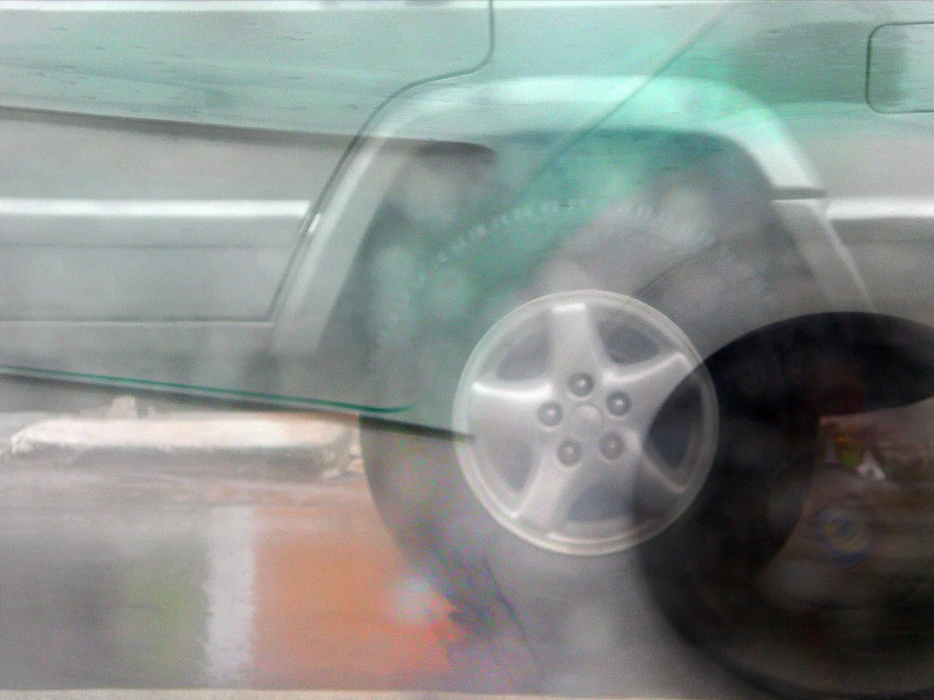
A photograph never truly belongs to the moment it was taken. It can remain for years and yet retain an intact possibility of the future: another perspective, another association, another composition capable of returning it to the present with a different meaning. In the work of Vera Chaves Barcellos, images inhabit precisely that suspended territory between what they were and what they can still become. For more than six decades, the artist has explored this changing nature of photography, understood not as a fixed imprint of time, but as a living material, capable of reappearing, shifting, and establishing new relationships.
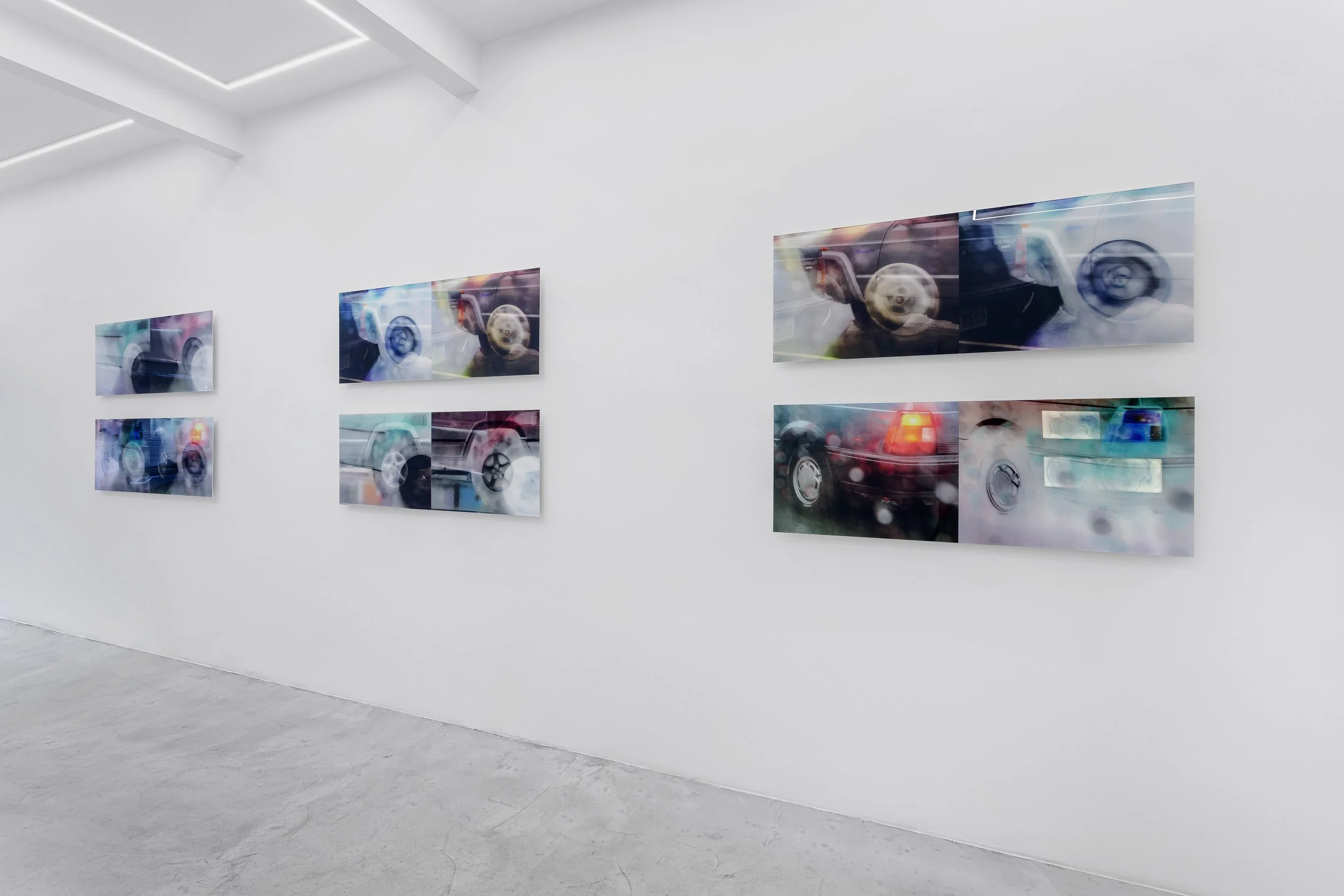
This concept permeates Não lugares , an exhibition presented by Zielinsky São Paulo that brings together photographs taken at different points in the artist's career. Airports, beaches, highways, and urban spaces appear as places of transit, seemingly everyday settings that, when recovered and reorganized, cease to function as mere records of a moment and become materials open to new interpretations.
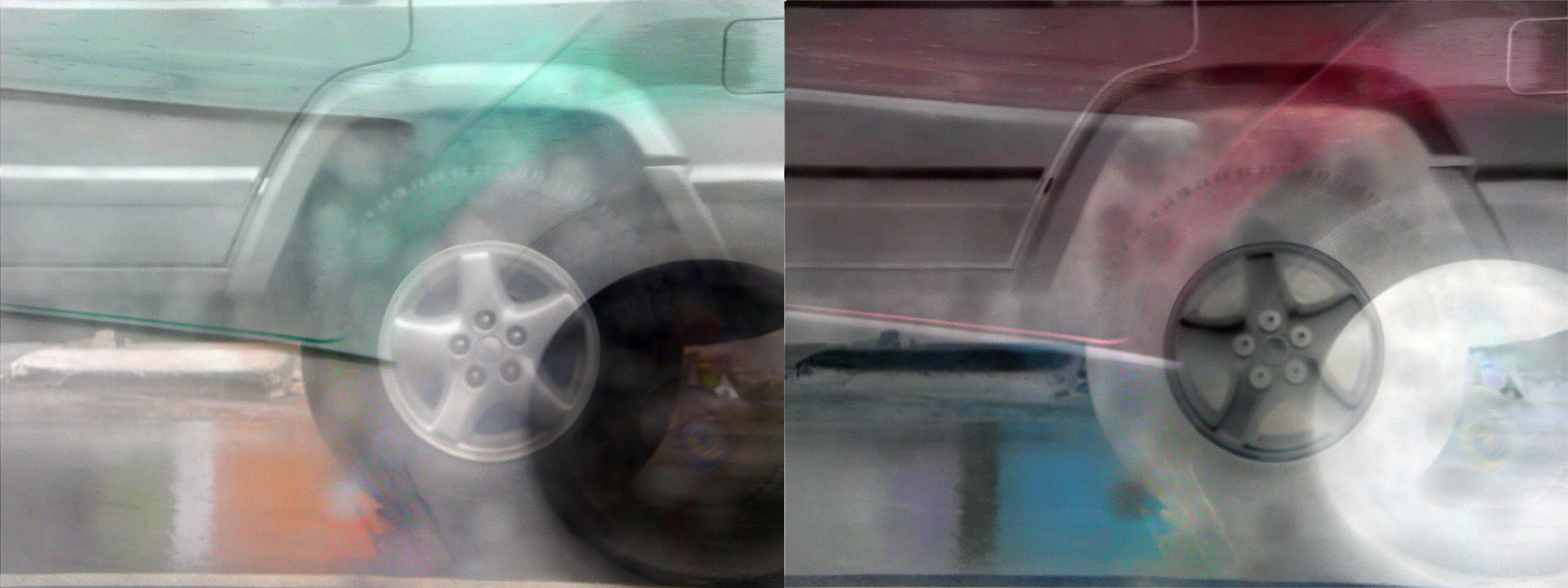
The exhibition thus proposes a perspective on the archive that moves away from the idea of static preservation. When Chaves Barcellos recovers photographs taken decades ago, he does not simply revisit his own artistic past. The images re-enter circulation and establish relationships that might previously have remained hidden. The installation acts as a tool for activation: it brings together photographs separated by time, generates correspondences, introduces contrasts, and modifies the perception of what seemed familiar.
The artist had already made this way of thinking about images an essential characteristic of her practice. From her early woodcuts in the 1960s and, especially, from the incorporation of photography in the 1970s, Chaves Barcellos has understood the image as a territory of constant experimentation. Repetition, inversion, comparison, approximation, and montage form part of a vocabulary that questions the autonomy of photography and places it in permanent relation to other images.
Seriality plays a particularly important role in this process. Present since works such as the Testarte series, it allows us to understand that an image never appears completely isolated. Its meaning can be transformed when the context changes, when it is placed next to another photograph, or when a new perspective modifies the established relationships. In this way, each montage can reveal something that was already contained in the image, even if it had not yet found a way to become visible.
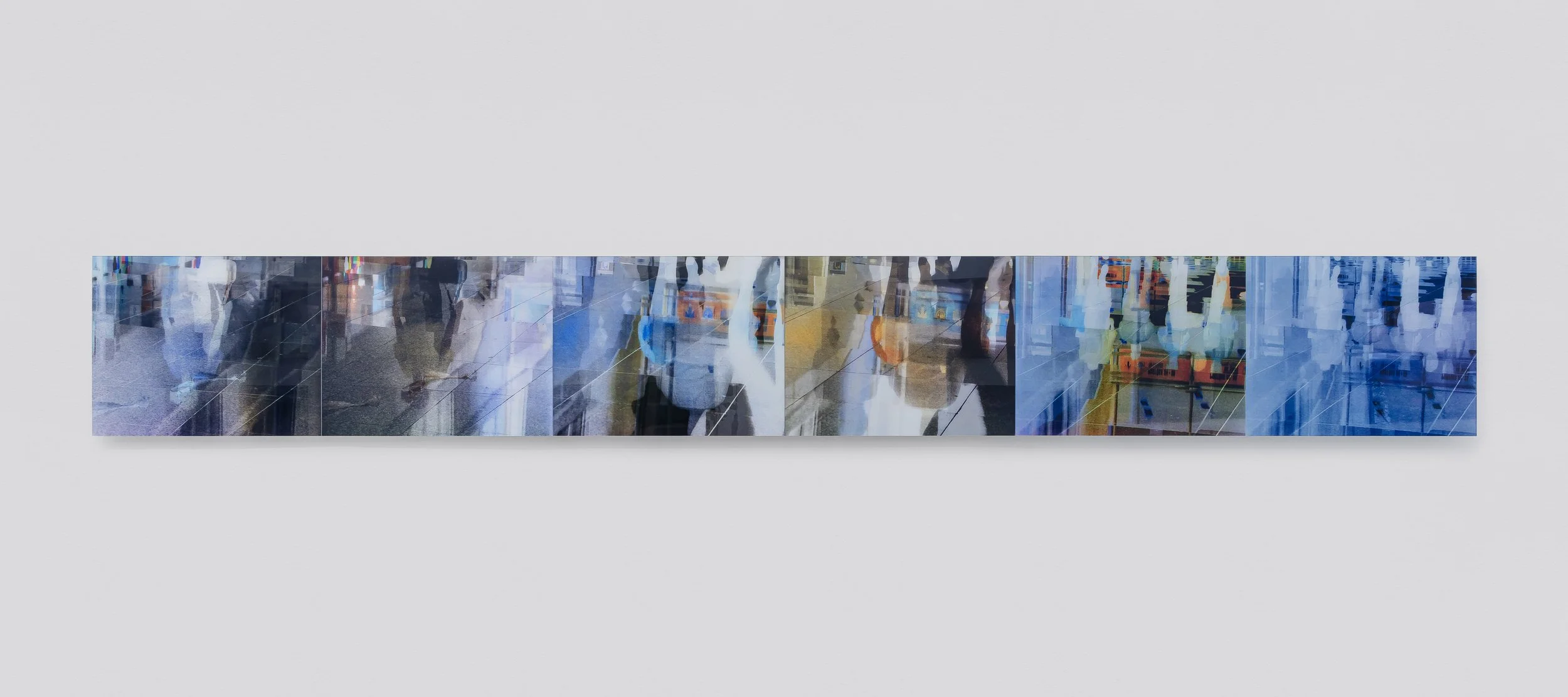
In Não lugares , this concept takes on a particularly intense temporal dimension. The photographs come from different moments and now return to the present with a renewed capacity to establish connections. They are images of transient spaces, places that by definition seem to lack a stable identity, but which in the artist's hands become stages where memory, perception, and experience intersect.
The concept of latency is fundamental to understanding this exhibition. In photographic terms, it refers to the image that remains invisible before becoming visible during the developing process. In Vera Chaves Barcellos's work, however, the idea transcends the technical procedure to become a way of understanding the very existence of images. A photograph can contain possibilities that have not yet been activated and that only appear when time, editing, or a new perspective establish other relationships.
You may be
interested
...