
Exhibitions
Plessi i Roig, a dialogue between light and the hidden
The Oratory of Sant Feliu hosts the first joint exhibition by Fabrizio Plessi and Bernardí Roig, conceived more than a year and a half ago and now turned into an unexpected tribute to the pioneer of Italian video art.
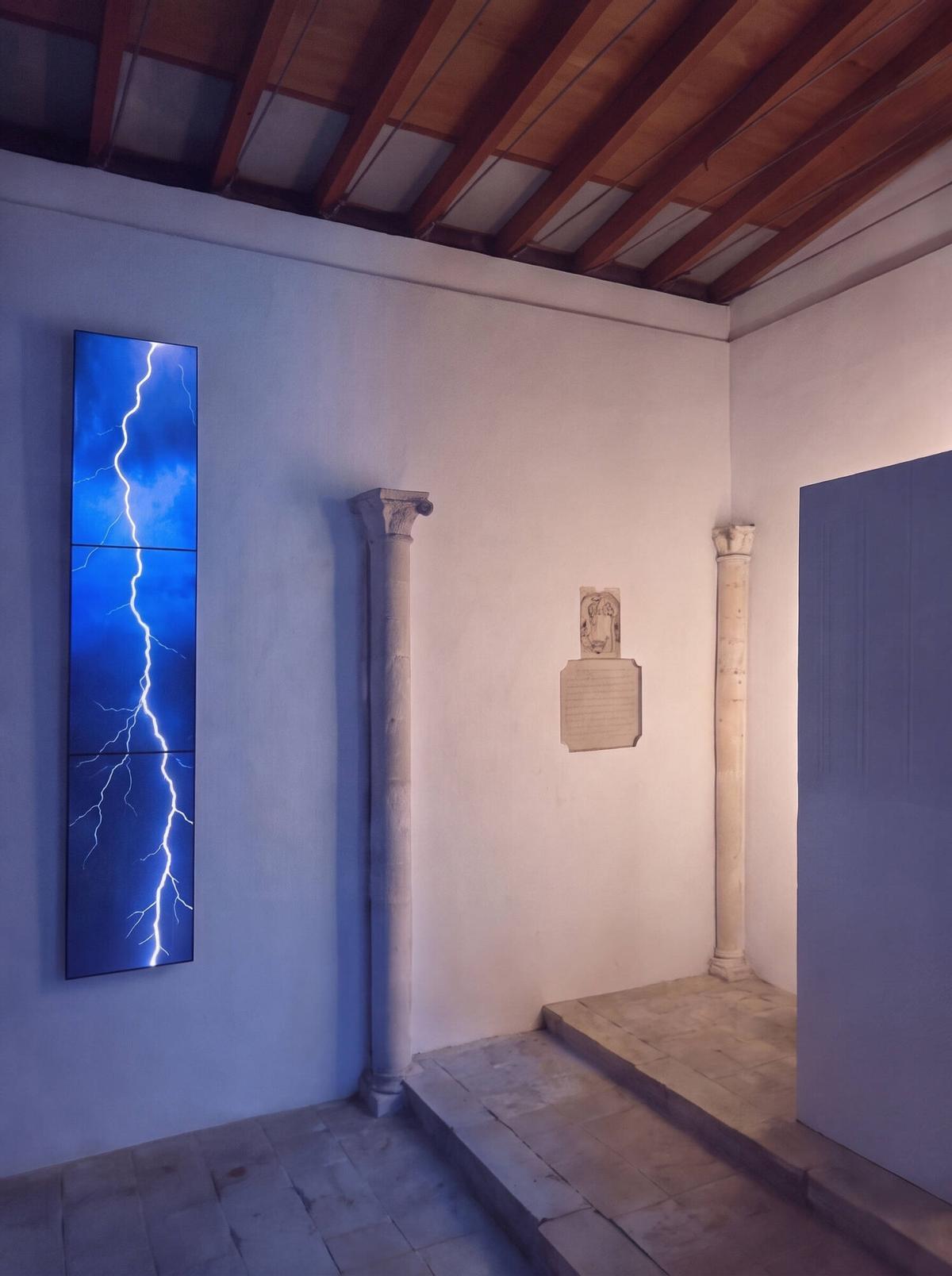
Light, image and what is hidden behind a surface are some of the elements that articulate Plessi | Roig , the exhibition that the Kewenig gallery presents at the Oratorio de Sant Feliu in Palma and that brings together for the first time in a joint show the work of Fabrizio Plessi and Bernardí Roig. The exhibition will open its doors on September 16 and will be officially inaugurated on the 19th, as part of the Nit de l'Art. Plessi's recent death, however, has inevitably modified the reading of the project, conceived by the two artists approximately a year and a half ago and now transformed into a posthumous reunion.
Roig prefers, however, not to define the exhibition as a tribute . "It is not a tribute to Plessi", points out the Mallorcan artist, who defends the autonomous nature of a project conceived jointly for such a unique space as the old Oratory of Sant Feliu, converted into a gallery by Kewenig. The unexpected death of the Italian artist has meant that an exhibition conceived during his lifetime has inevitably acquired a new dimension, but without altering the nature of a dialogue that was already fully outlined.
The relationship between Plessi and Roig dates back 35 years and is based, as the Mallorcan explains, on "a lot of affection and admiration, but above all respect". It is not, therefore, a conventional dialogue between two artists, but the confluence of two independent trajectories that share certain concerns and tensions around the image, perception and the relationship between what is shown and what is hidden. Both had previously coincided in collective exhibitions, but Plessi | Roig is the first time they have shared an exhibition specifically conceived as a common project.
The installation establishes this relationship based on the architectural characteristics of the Oratory. One of the central pieces is Energy , by Plessi, a video installation formed by three LED panels that emit a noise that bursts into the space of the old temple. The light and sound of the work thus enter into tension with the memory and stillness of the building, generating an experience that goes beyond the simple confrontation between sculpture and image.
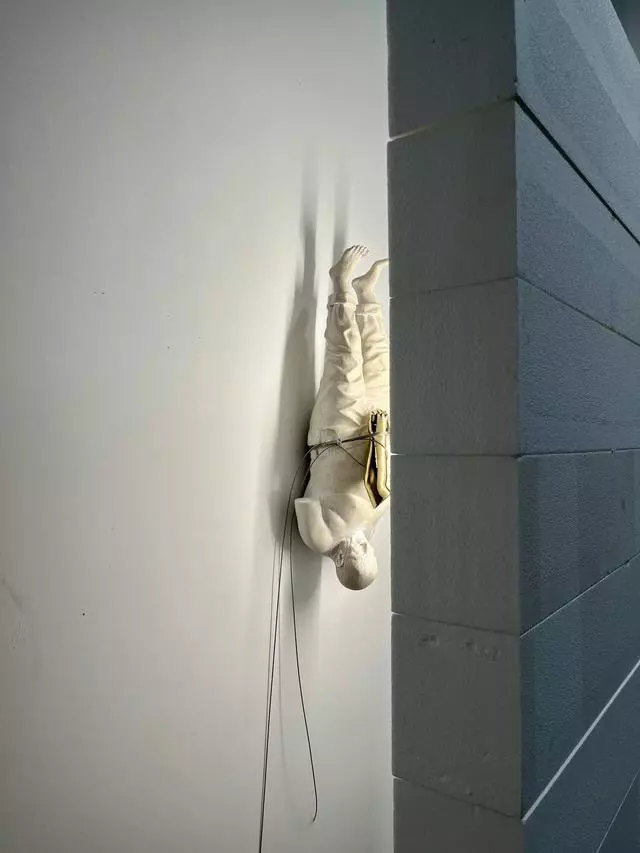
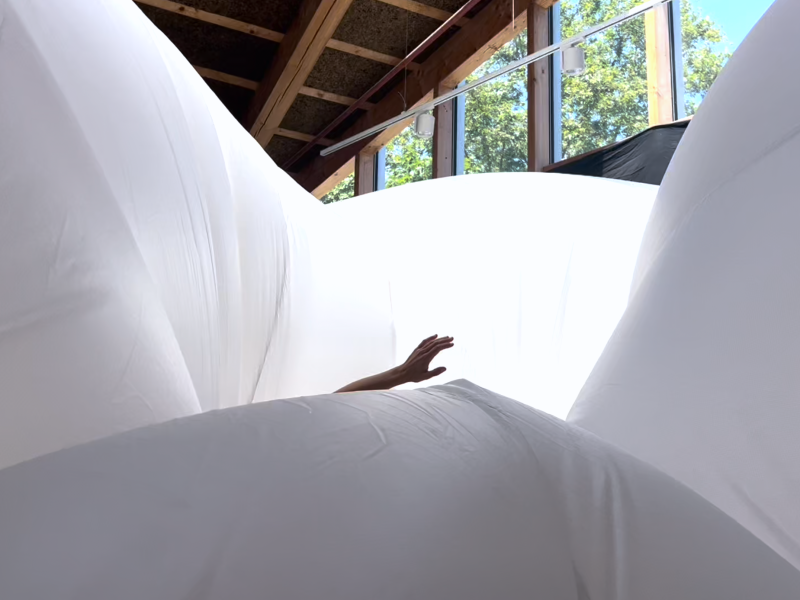
Behind the altar, however, a white wall of Mehr Licht! persists, an intervention by Bernardí Roig that had already occupied this same space a few years ago. The apparently hermetic surface hides a sculpture: The Man with the Golden Arm , also by Roig, which represents a man hanging upside down. What is seen and what is hidden thus become two poles of the same exhibition architecture, in which the works not only dialogue with each other but also with the history and physicality of the Oratory.
The continuity with this space is particularly significant in Roig's career. The artist presented Vox clamantis in deserto there in 2014, before returning there seven years later with Mehr Licht!. Now, his work is reunited with that of Plessi in a project that resumes that relationship with the Oratory and moves it towards a shared territory.
The connection between the two artists can also be understood from their way of working. "Plessi is a man who draws while he talks and I talk while I draw," explains Roig to describe an affinity that is not based so much on a common aesthetic as on a certain attitude towards creation. Plessi, a pioneer of video art and a figure closely linked to Mallorca —where he had a studio and lived—, developed a work marked by technology, light, water, movement and the capacity of the electronic image to transform space. Roig, for his part, has built a practice in which drawing, sculpture, the human figure and mechanisms of perception occupy a central place.
In Plessi | Roig , these two ways of understanding art coincide without losing their independence. The screen, the light, the sound, the wall and the body establish a constellation of presences and absences in which nothing is ever fully revealed.


You may be
interested
...