Exhibitions
Beyond Silicon Valley, the women who built technology
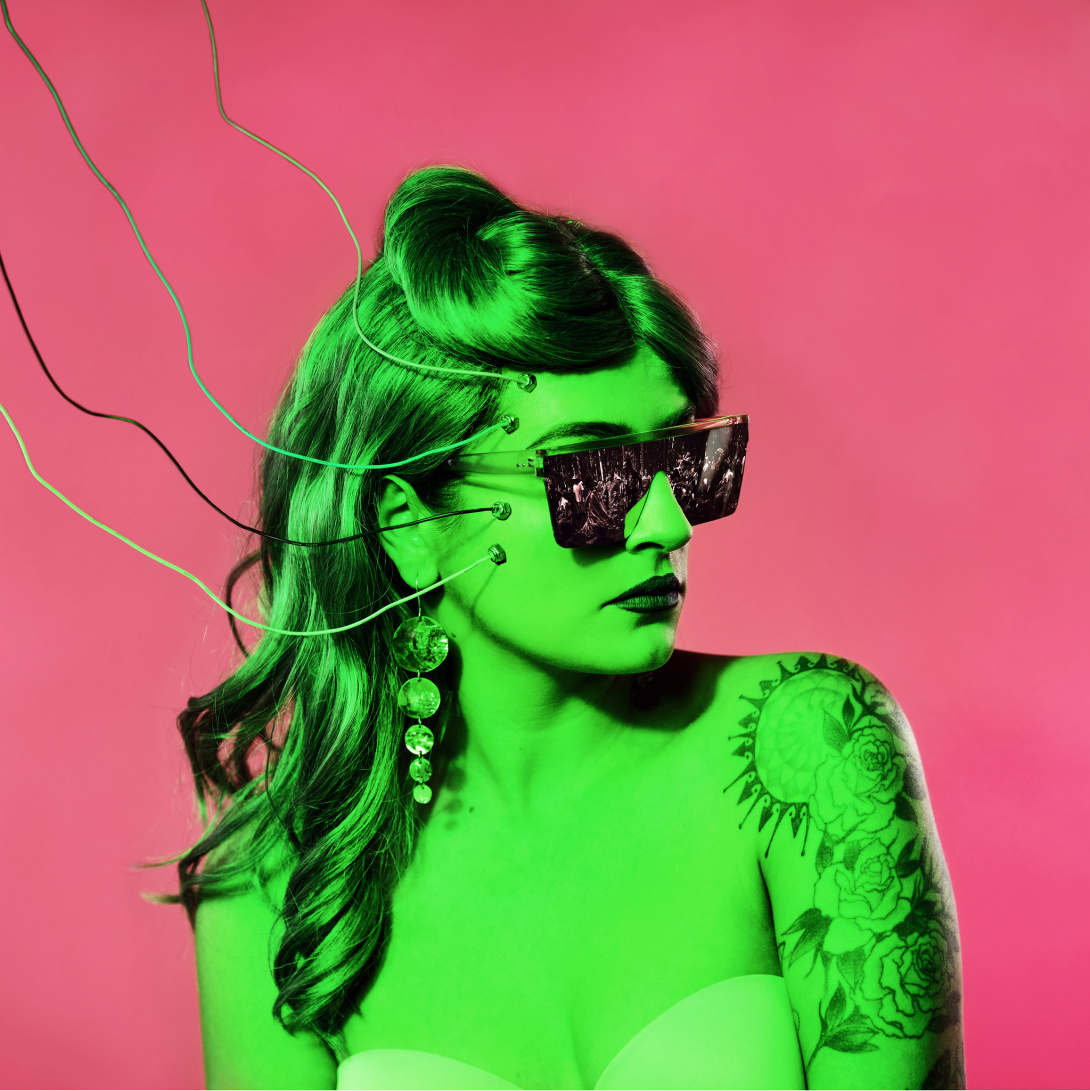
The story of technology's history is often dominated by inventors, scientists, and big names associated with the digital revolution. However, beneath this narrative lies a vast network of women whose work was crucial in making possible many of the advances that are now part of everyday life. The San Jose Museum of Art recovers this silenced history in Motherboards , an exhibition that celebrates women's contributions to the tech industry and questions how they have been relegated from official narratives.
The exhibition, which can be visited from April 10, 2026 to January 10, 2027, covers different moments in this history: from the first women who performed calculation and programming tasks to the workers in the electronic component factories of Silicon Valley and other places in the world, passing through the current invisible workers who support a large part of the infrastructure of the digital economy.
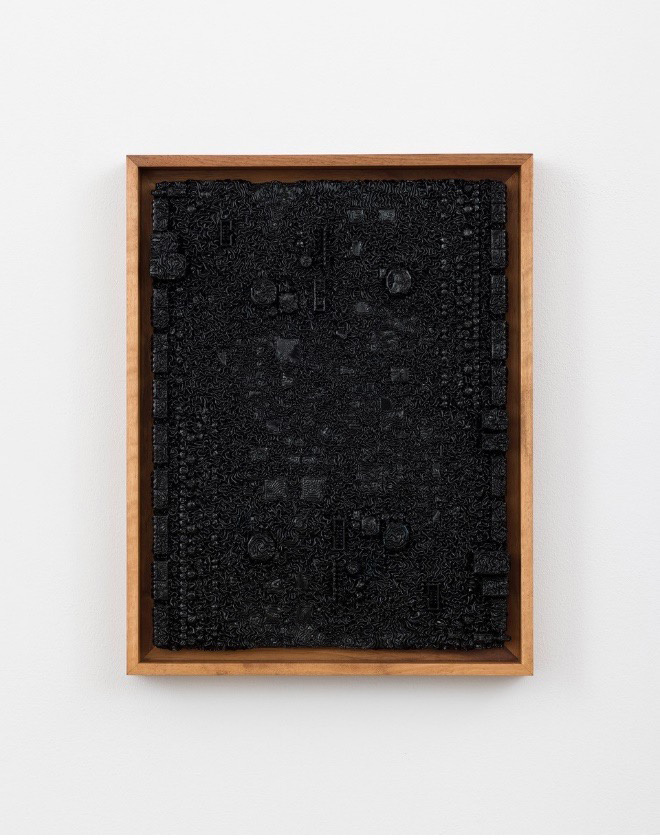
Analia Saban, Motherboard #8, 2020.
Motherboards thus presents a genealogy of technology that moves beyond the usual image of the laboratory or garage as the sole spaces of innovation. The exhibition connects these emblematic Silicon Valley locations with looms, desks, kitchens, and assembly lines, highlighting other settings and forms of knowledge that have also contributed to building the technological world.
One of the exhibition's central themes establishes a link between computer science and a practice traditionally associated with women's work: weaving. The relationship is not merely metaphorical. The patterns, coding systems, and structures inherent in weaving allow us to draw connections with early computer languages and processes, while also demonstrating how certain practices considered domestic or artisanal have contributed to the evolution of technology.
Another chapter explores the role of women who worked as "computers" during the early decades of the 20th century. Before machines took over many of these tasks, women performed complex mathematical calculations fundamental to various scientific and technological fields. Their work, though essential, has often been overshadowed by that of machines and by the male names subsequently associated with computing.
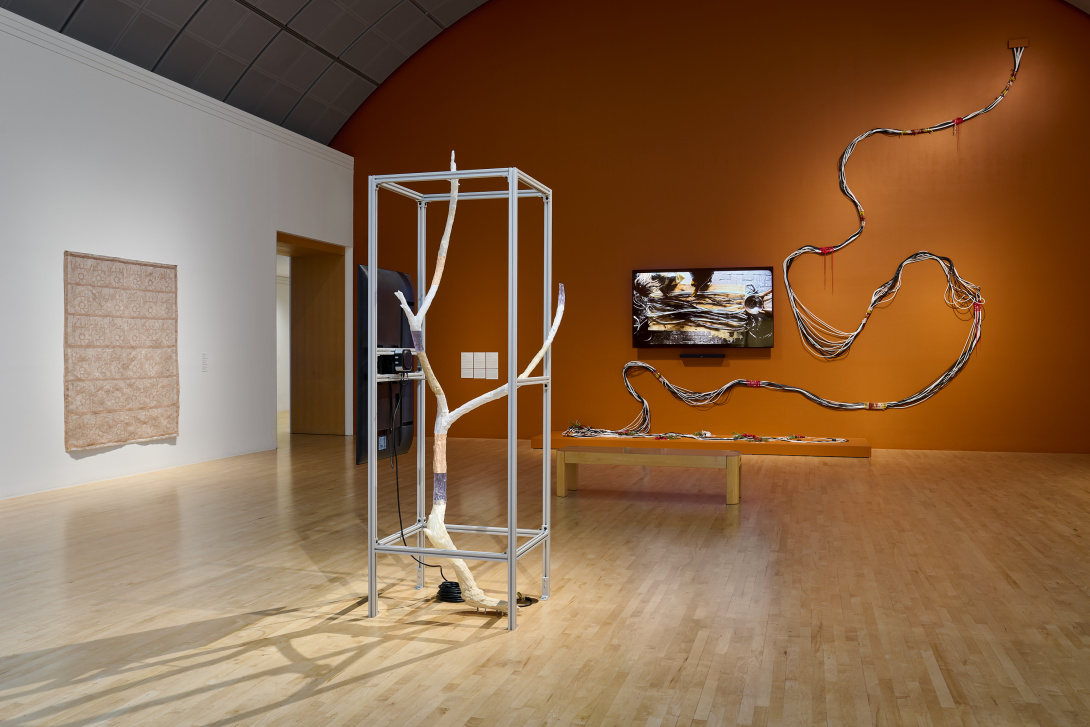
Photo: Glen Cheriton.
The exhibition also focuses on the women who made the physical realization of technology possible. Electronic component factories and assembly lines become another crucial setting for understanding this story. Contrary to the image of Silicon Valley as a territory exclusively linked to programmers, engineers, and entrepreneurs, Motherboards reveals the enormous amount of manual labor behind technological devices and systems.
The journey continues to the present to also address the new forms of invisible work linked to the digital economy. Behind automated systems and technological platforms, there is a multitude of workers who perform essential tasks for these technologies to function. Many of them are still women and remain far removed from the visibility and recognition associated with technological innovation.
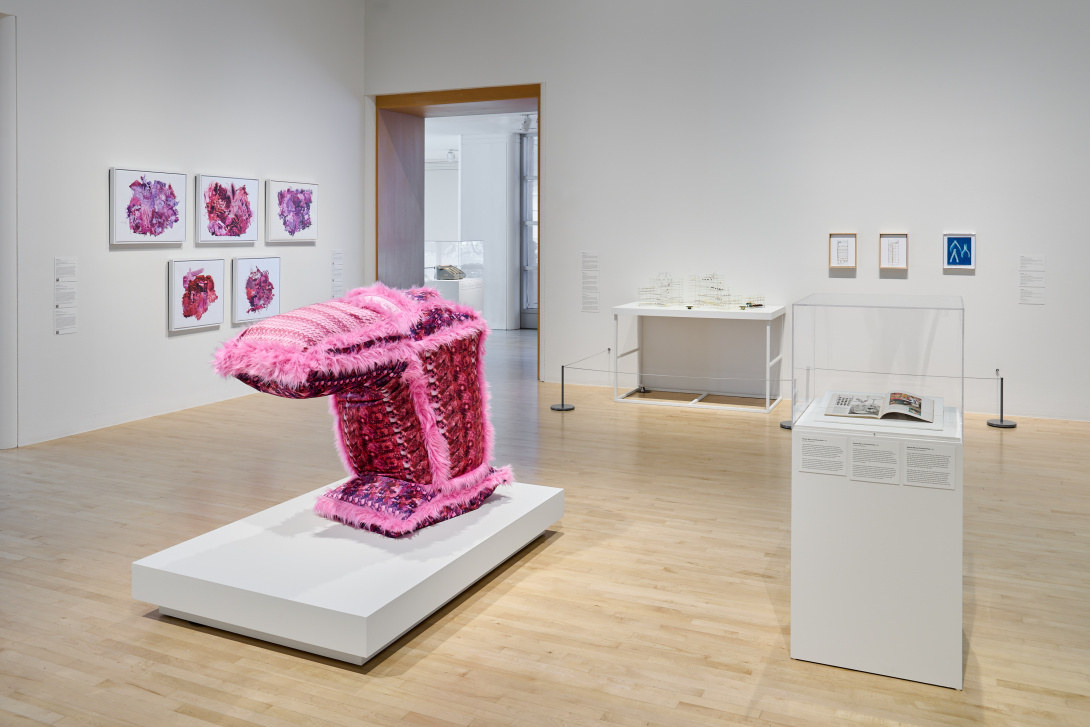
Photo: Glen Cheriton.
The exhibition brings together works by artists from California and elsewhere who explore these connections through diverse mediums. Sarah Buckius, Tania Candiani, Priyageetha Dia, Rhonda Holberton, Charlotte Johannesson, Ahree Lee, Amor Muñoz, Hương Ngô, Mimi Ọnụọha, along with Charlene Eigen-Vasquez, Sonya Rapoport, Cara Romero, Sarah Rosalena, Analia Saban, Marilou Schultz, the collective Superkilogirls—comprised of Camila Galaz, Ana Meisel, and Lua Vollaard—and Mika Tajima participate in a show that blends installations, video, textiles, and other forms of contemporary art.
These proposals are complemented by objects from the Computer History Museum archive, which broaden the project's historical scope and establish a dialogue between documents, art, and material culture. The result is an exhibition that not only aims to add women's names to a history already written, but also to reconsider the perspective from which that history is told and what work, spaces, and knowledge have been left out.


You may be
interested
...