Exhibitions
Paris, the place where three Mexican artists redefined their vision
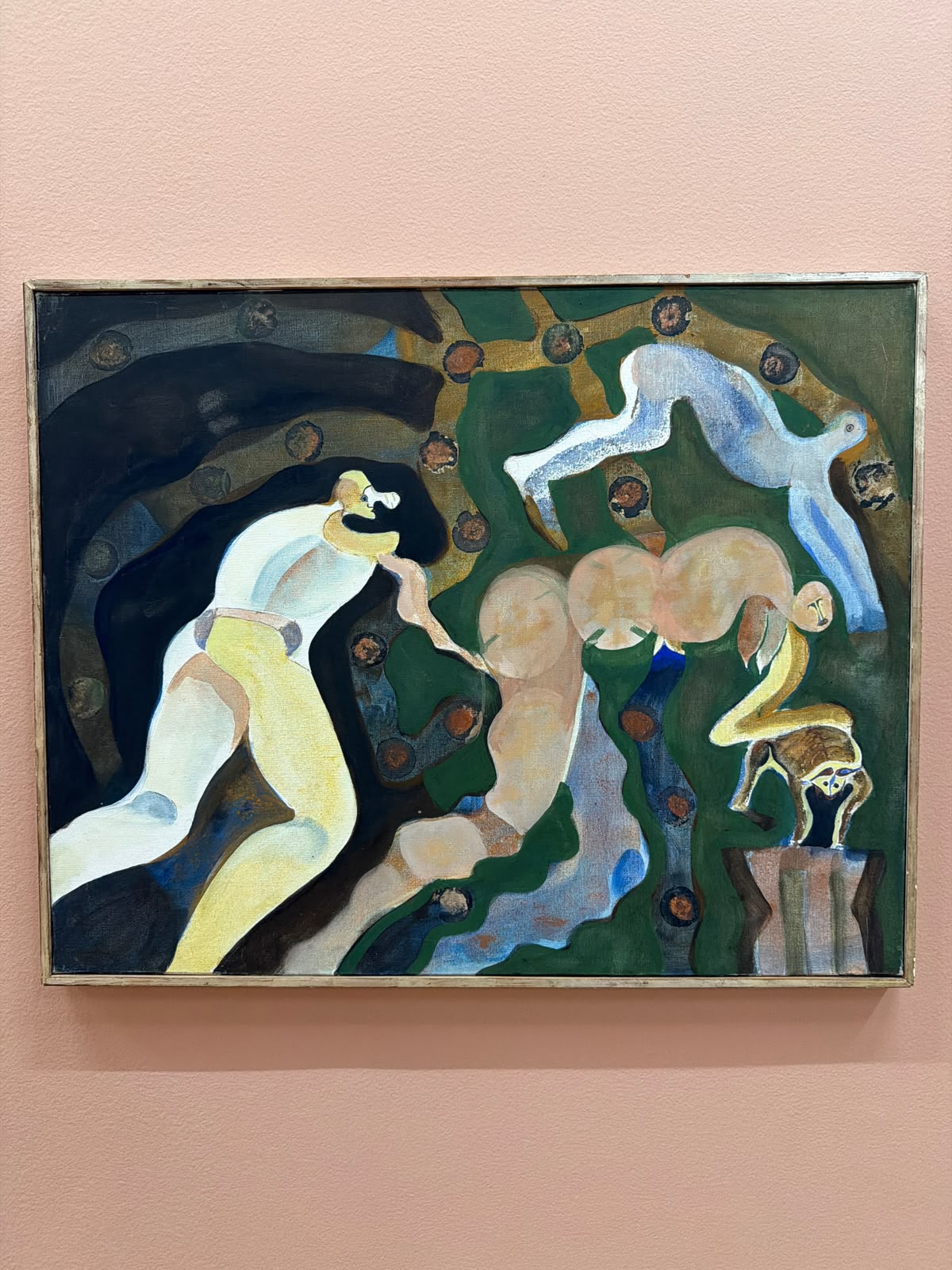
Paris was much more than a destination for Rufino Tamayo, Rodolfo Nieto, and Francisco Toledo. For these three artists from Oaxaca, the French capital became, during different periods of the second half of the 20th century, a space of transformation, discovery, and dialogue with the main currents of international art. The Tamayo Museum in Mexico City now revisits this fundamental period in the exhibition Tamayo, Nieto, Toledo: The Years in Paris , which brings together nearly one hundred works.
The exhibition, curated by Juan Carlos Pereda, will be open from August 20, 2026 to February 15, 2027. Through paintings, drawings, graphic works and collages, the exhibition reconstructs the Parisian experiences of three artists belonging to different generations, but united by the same desire to broaden their horizons and build their own artistic language.
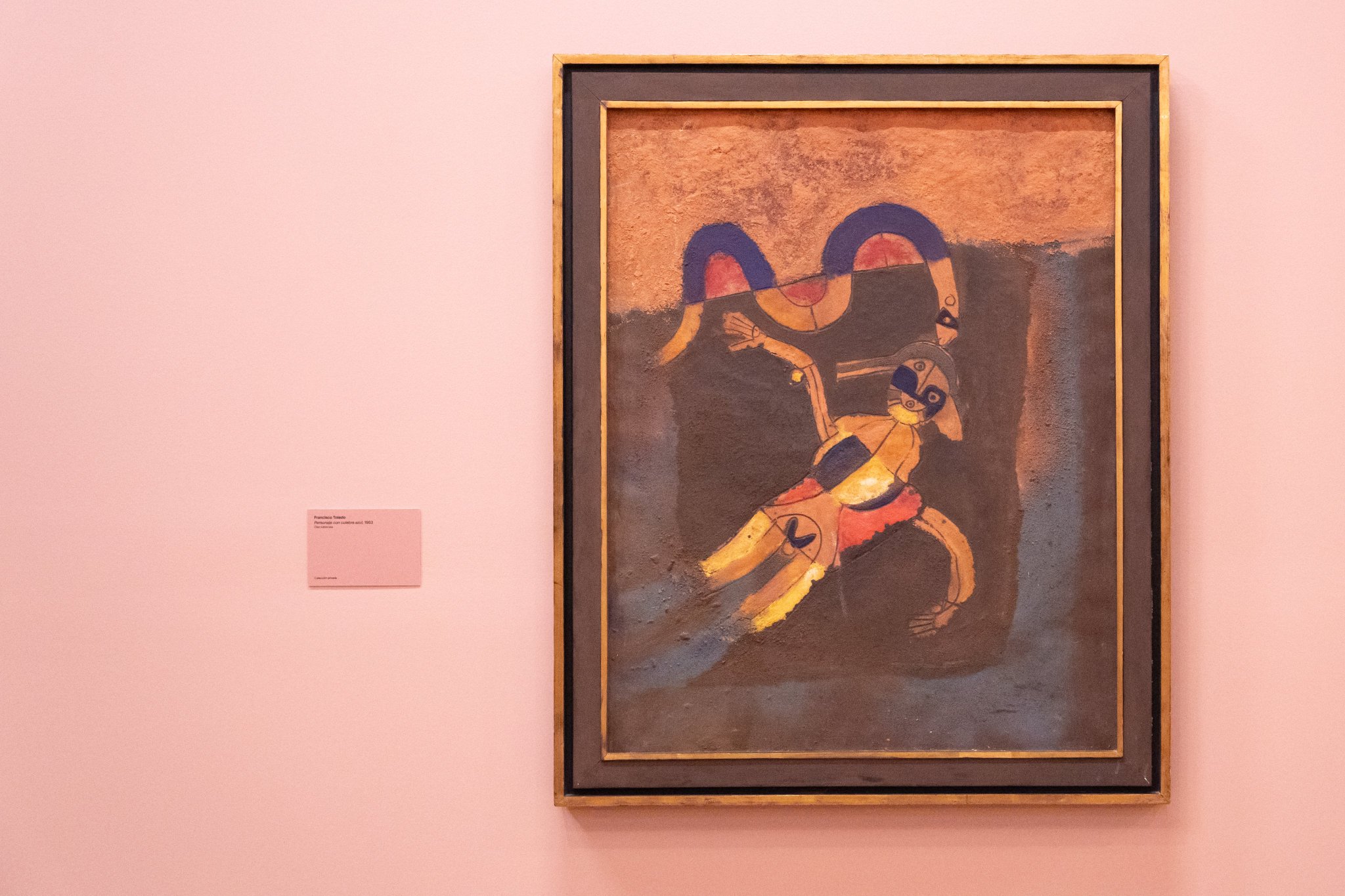
Organized into three sections, one dedicated to each artist, the exhibition presents an interwoven interpretation of their careers. The aim is to reveal their points of convergence, their affinities with pre-Hispanic aesthetics and Mexican folk art, and, at the same time, how they incorporated into their practices the new international trends they encountered in Paris.
Tamayo, Nieto, and Toledo left their hometowns, first moving to Mexico City and later embarking on their respective journeys abroad. Far from the institutional support of Mexico, all three achieved initial international recognition and developed careers marked by a constant pursuit of independence.
Paris, one of the great centers of contemporary culture and art in the second half of the 20th century, played a decisive role in this process. There, they not only worked in painting but also explored drawing, printmaking, and collage, while establishing connections with other artists and with figures in literature, music, film, ballet, and philosophy. They also collaborated with printmaking and graphic arts workshops, experiences that influenced both their artistic output and their understanding of culture.
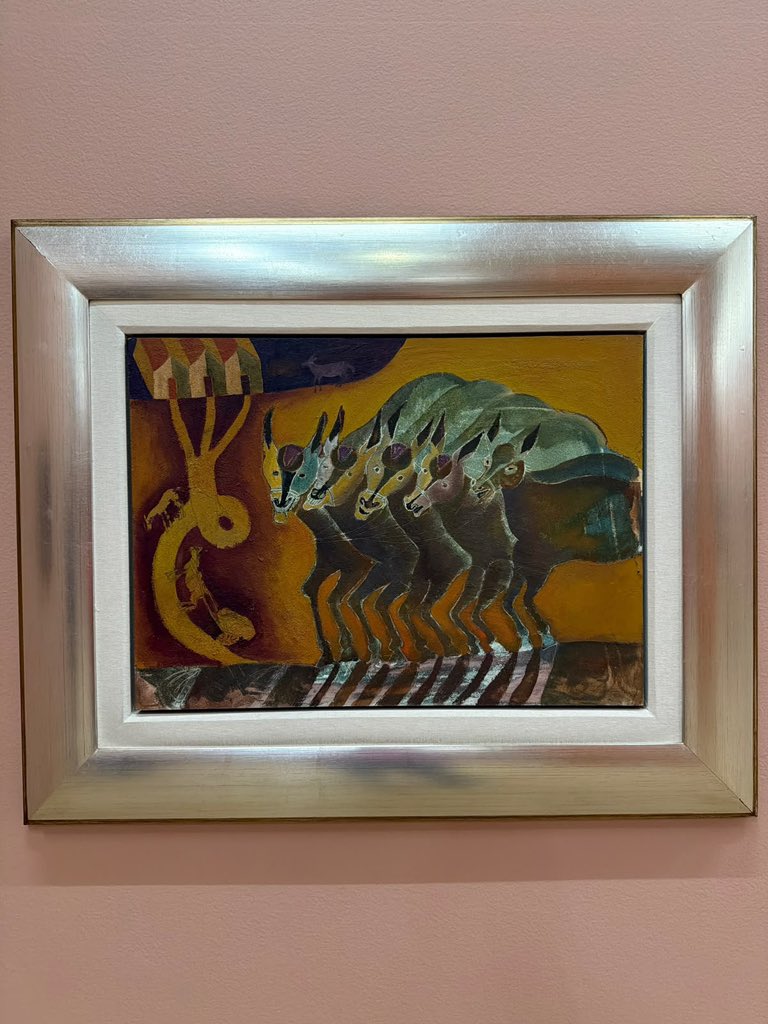
The exhibition pays particular attention to the figure of Rufino Tamayo (1899-1991), whose international career ultimately made him a point of reference for several generations of Mexican artists. His position was especially significant for those creators who sought to integrate themselves into artistic modernity without abandoning their Mexican cultural roots.
In the case of Rodolfo Nieto (1936-1985), his time in Paris was fundamental in consolidating a language characterized by experimentation and the strength of line. Francisco Toledo (1940-2019), for his part, found in the French capital a context from which to delve deeper into a body of work profoundly linked to nature, mythology, and the traditions of Oaxaca, but at the same time open to contemporary artistic languages.
Among the works on display are Tamayo's The Trembling Woman ; Nieto's series of eight paintings, Mental Zoology ; and Toledo's Animal and Hunter , The Amazon and Travelling Companion , and Two Figures . Some of Tamayo's pieces are being shown in Mexico for the first time, making the exhibition an exceptional opportunity to revisit a key period in his career.
The project also coincides with the 45th anniversary of the Tamayo Museum. Its director general, Andrea Torreblanca, has indicated that the anniversary program seeks to revisit the past from a contemporary perspective and reflect on the ideas, concepts, and contexts that have historically shaped art and society.
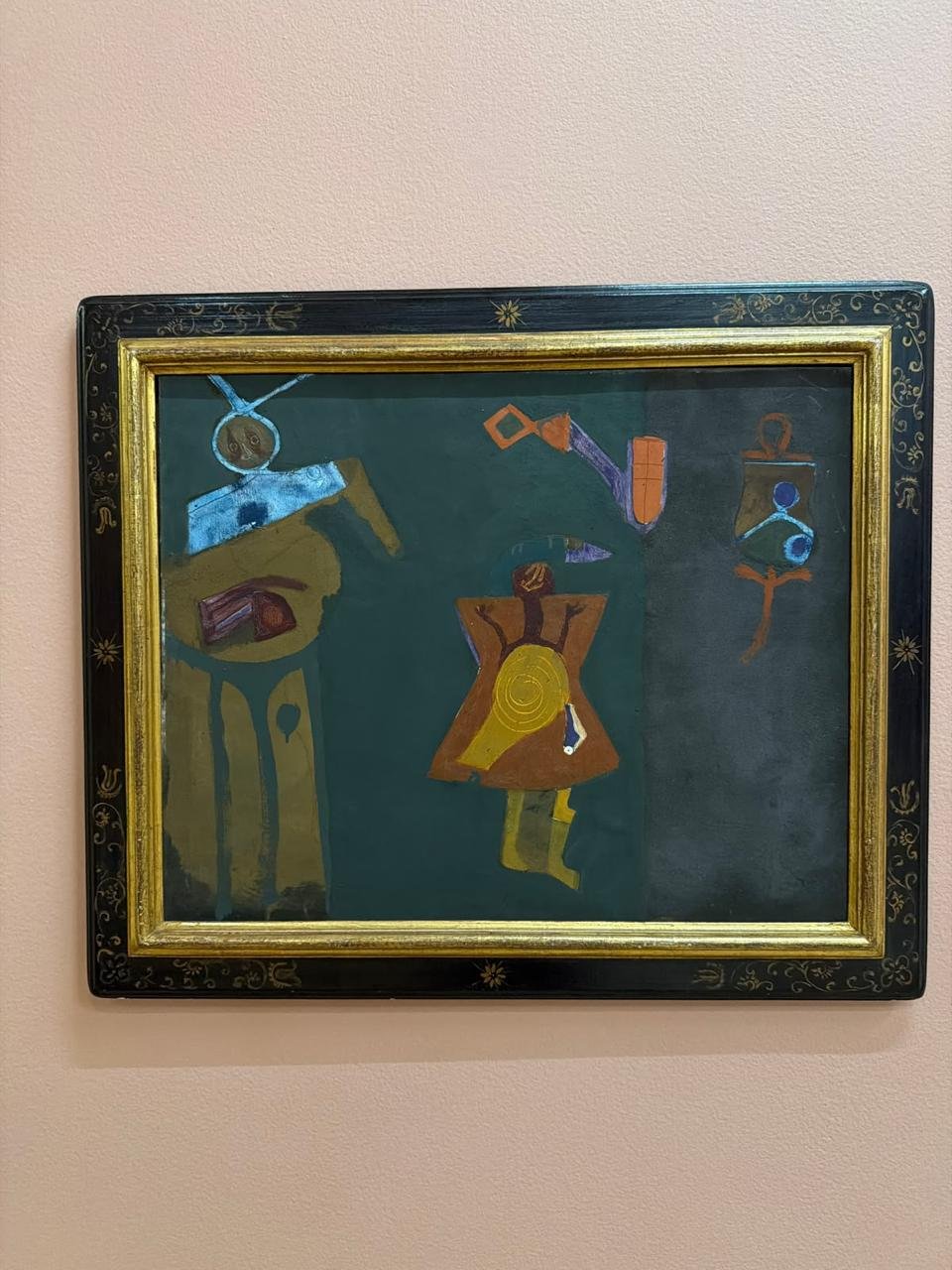
The joint review of these three trajectories allows us, in this sense, to revisit the history of Mexican art from a perspective less tied to the nationalist canon that dominated the country for much of the 20th century. The return of Tamayo, Nieto, and Toledo to Mexico after their international sojourns was accompanied by consolidated prestige and contributed to expanding the possibilities of an art scene that was beginning to question established boundaries.
For Juan Carlos Pereda, curator of the exhibition and deputy director of Collections at the Tamayo Museum, one of the main values of the exhibition lies precisely in showing how the contacts of the three artists with different disciplines and cultural agents during post-war Paris transformed their production and their worldview.
The project is the result of three years of research and collaborative work by the team at the National Institute of Fine Arts and Literature (INBAL) and the Tamayo Museum. Beyond presenting three individual trajectories, Tamayo, Nieto, Toledo: The Years in Paris seeks to understand how the encounter between Mexican roots and the international art scene generated new ways of seeing, experimenting, and constructing a unique artistic identity.
You may be
interested
...