
Exhibitions
'Bonnes Mères' explores the multiple perspectives on motherhood
A major exhibition in Marseille travels through more than two thousand years of history, art and imagination to question stereotypes and give voice to the multiple experiences of being a mother.
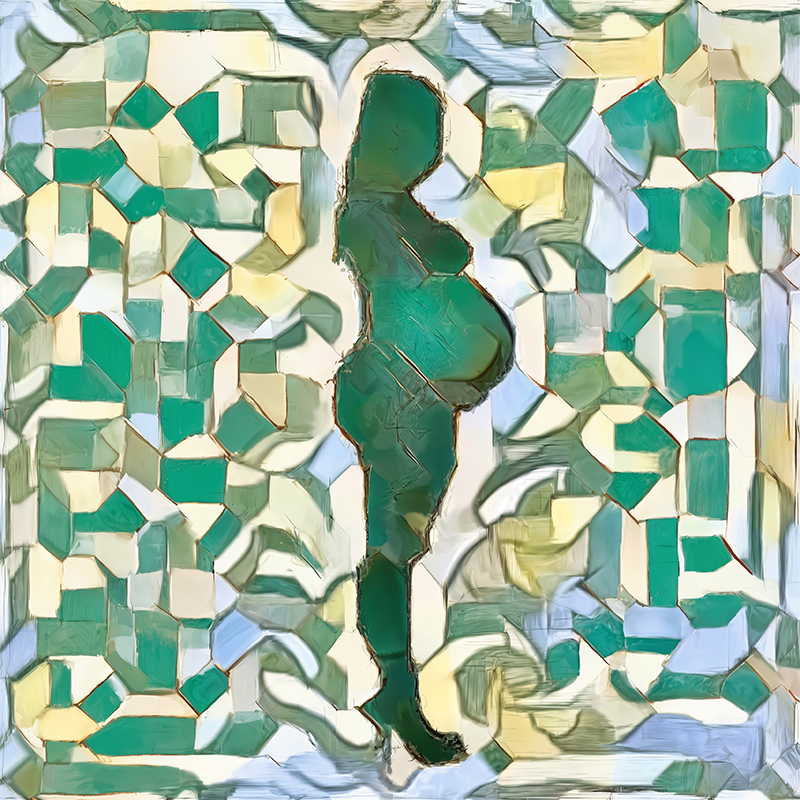
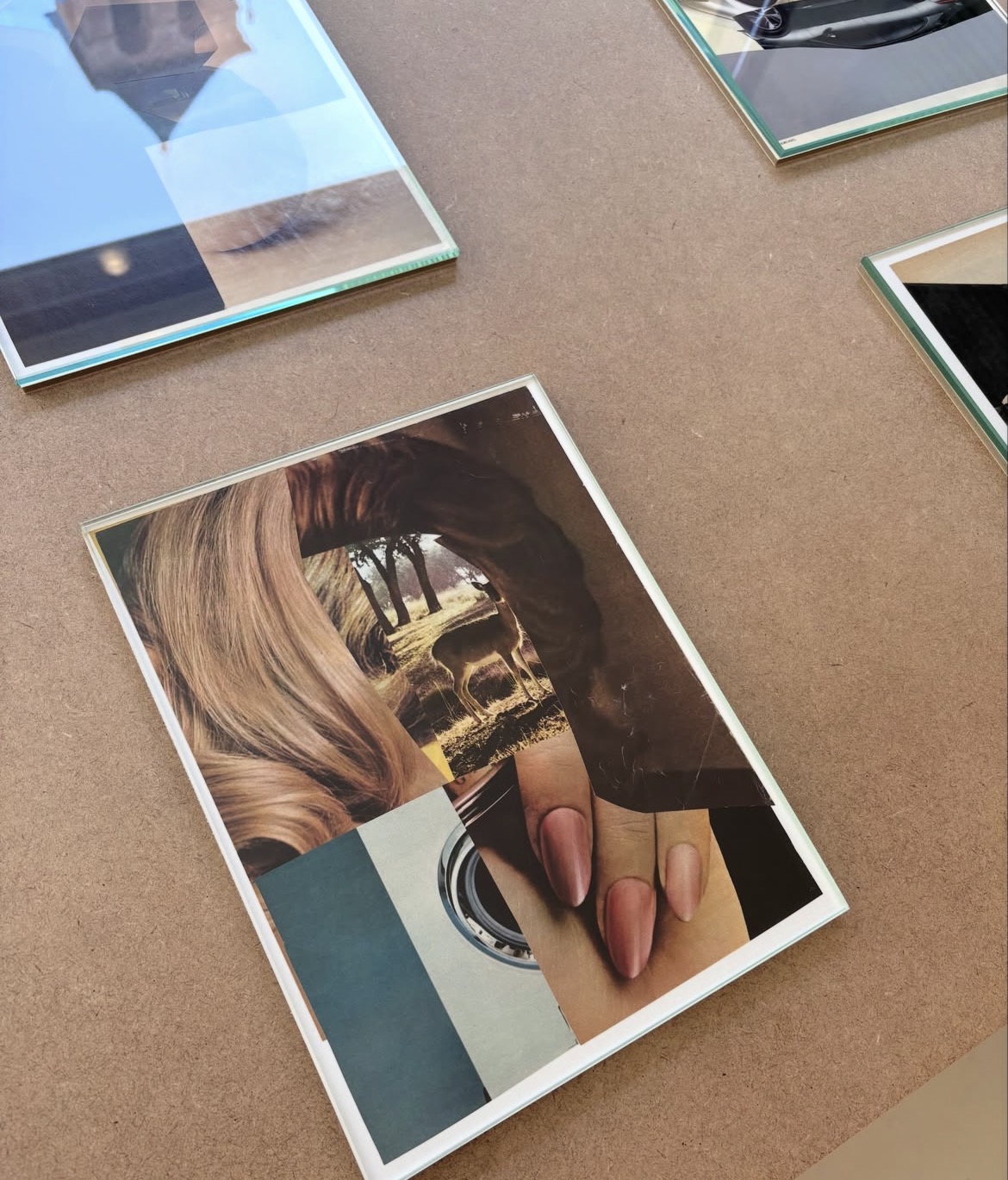
The Mucem in Marseille presents Bonnes Mères , one of the major exhibitions of the season, a proposal that offers a historical, artistic and social journey around motherhood in the Mediterranean. Through more than 350 works, the project explores how the figure of the mother has been represented throughout the centuries, while inviting reflection on a universal experience often marked by ideals, expectations and social impositions.
Curated by Caroline Chenu, Mucem researcher, and Anne-Cécile Mailfert, president of the Fondation des Femmes, the exhibition departs from stereotypical visions to build a plural story that combines heritage, history, anthropology and contemporary art.
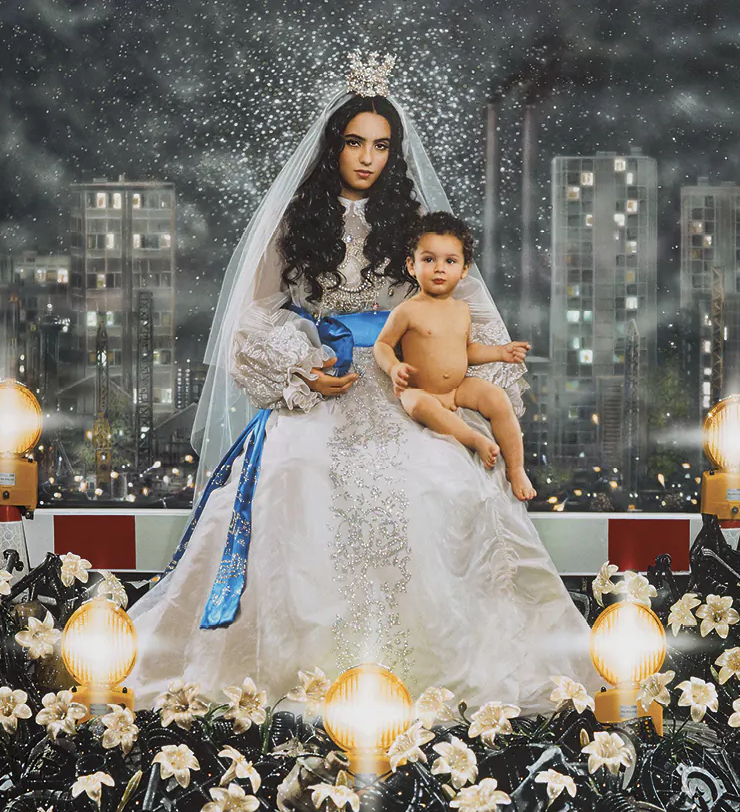
© Pierre et Gilles, La Vierge à l'enfant, Hafsia Herzi et Loric, 2009
The exhibition takes Mediterranean cultures as its starting point to address motherhood from multiple perspectives: as an intimate experience, a social construction, a political issue and a subject of artistic creation. From ancient mother goddesses to the popular Bonne Mère of Marseille, through patriotic mothers, religious representations and the perspectives of contemporary artists, the tour shows how motherhood has been the subject of symbolic, cultural and political discourses throughout history.
According to Caroline Chenu, the Mucem, as a museum dedicated to Mediterranean societies, takes on the challenge of addressing a topic "little treated in the museum world or, too often, presented from a stereotypical perspective". The researcher recalls that, in many Mediterranean societies, the mother occupies a central place within the domestic sphere, but "paradoxically she often has little voice in the public space". The aim of the exhibition is precisely to give space to these voices and the various forms of expression of maternal experiences.
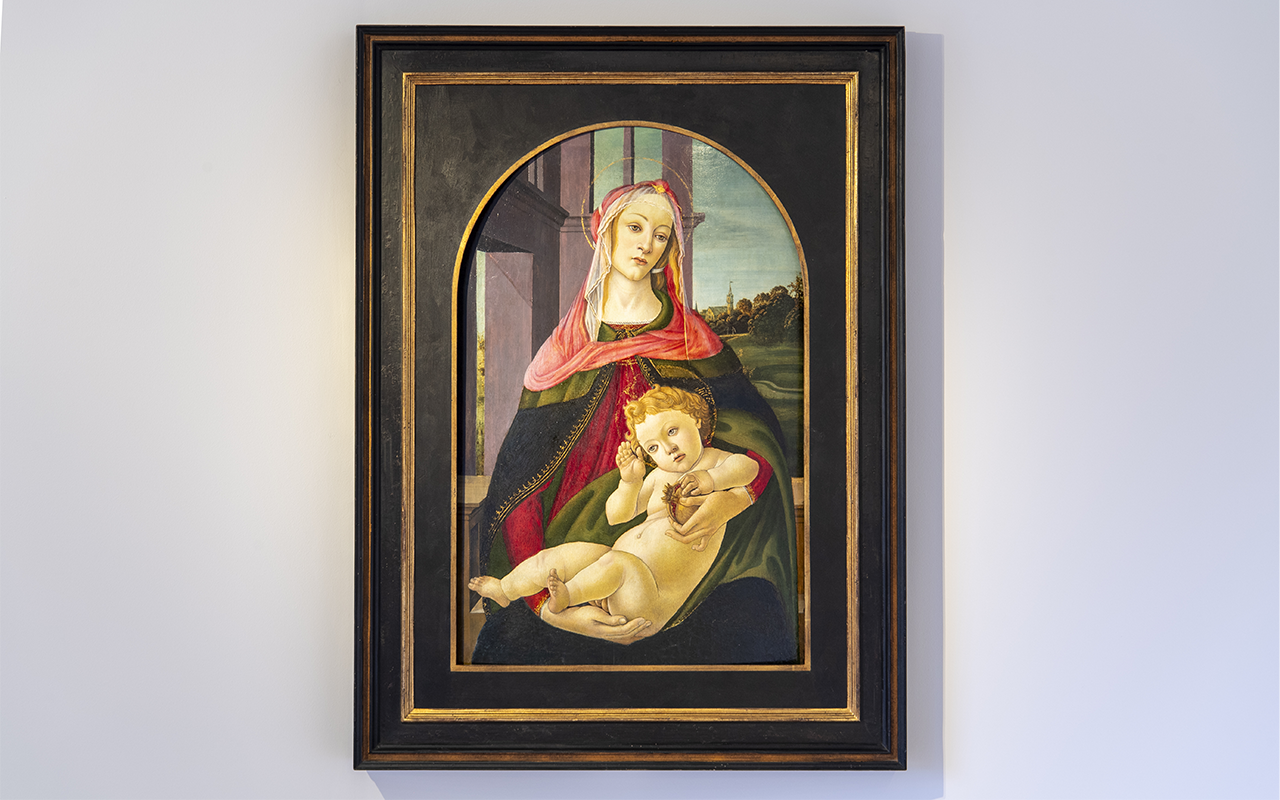
Sandro Botticelli (atelier of), La Vierge à la Grenade, circa 1487, Collection Carmignac ©Thibaut Chapotot / Fondation Carmignac.
The exhibition discourse is divided into three main areas. The first, "Mother Goddesses", analyses the mythological, religious and political imaginaries linked to motherhood and the construction of the maternal ideal. The second focuses on the multiple realities —often invisible— that cross the lives of mothers, highlighting diverse experiences that go beyond any single model. Finally, the third section explores the bonds, transmissions and relationships between mothers and children, showing the emotional, cultural and affective complexity that defines these ties.
For Anne-Cécile Mailfert, even the title of the exhibition is a declaration of intent. "We thought a lot about this name. Bonnes Mères is in the plural, and it's all in that detail," she explains. The plural symbolizes the desire to break with the idealized figure of "the good mother" and to restore "the voice and the body to the plurality of real mothers."
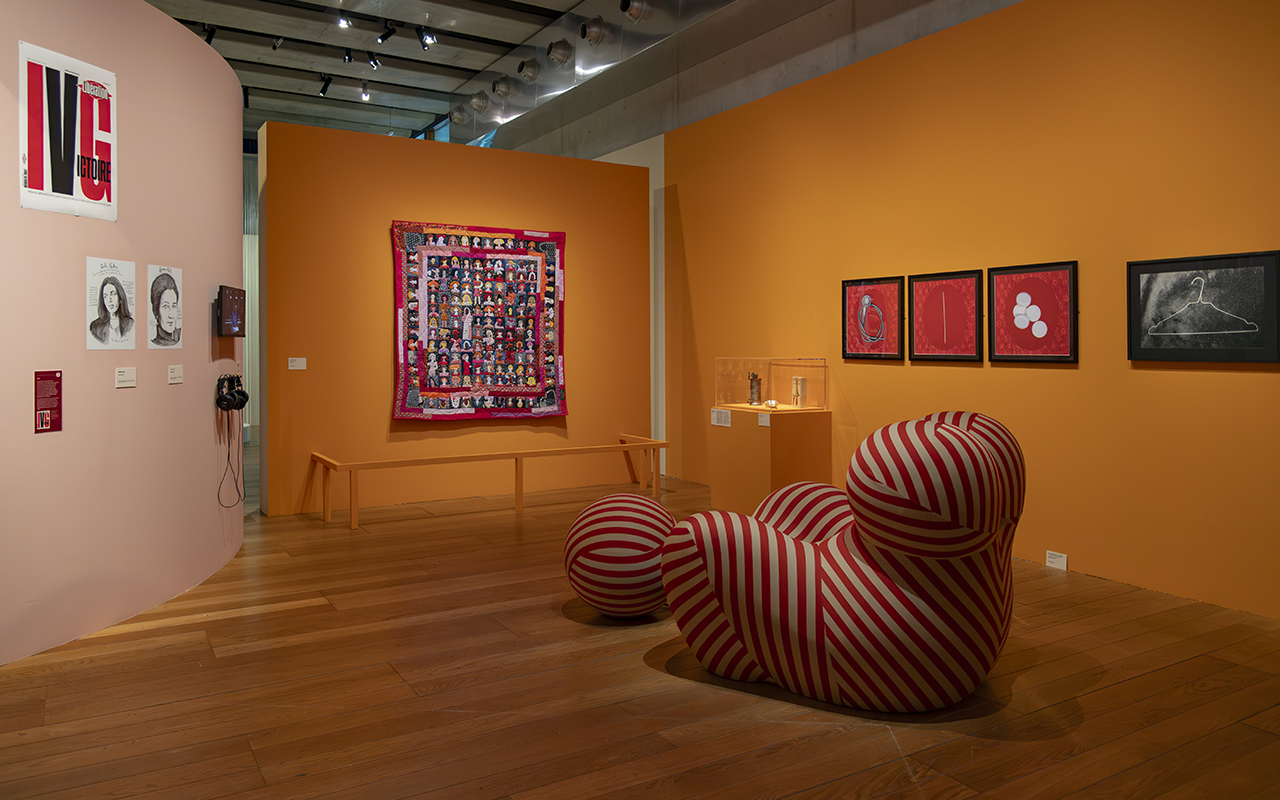
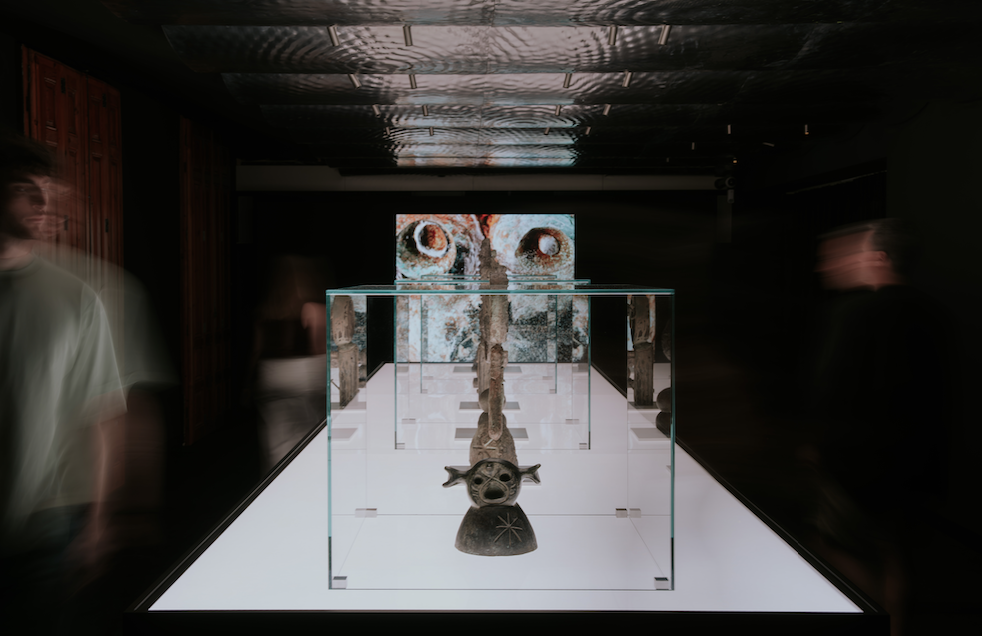
Good mothers, Mucem, scenography Agence SCENO, Birgitte Fryland, March 2026 © Nadine Jestin - Hans Lucas - Mucem.

You may be
interested
...