News
Betye Saar, a pioneer of African American art and a leading figure in contemporary assemblage, has died.
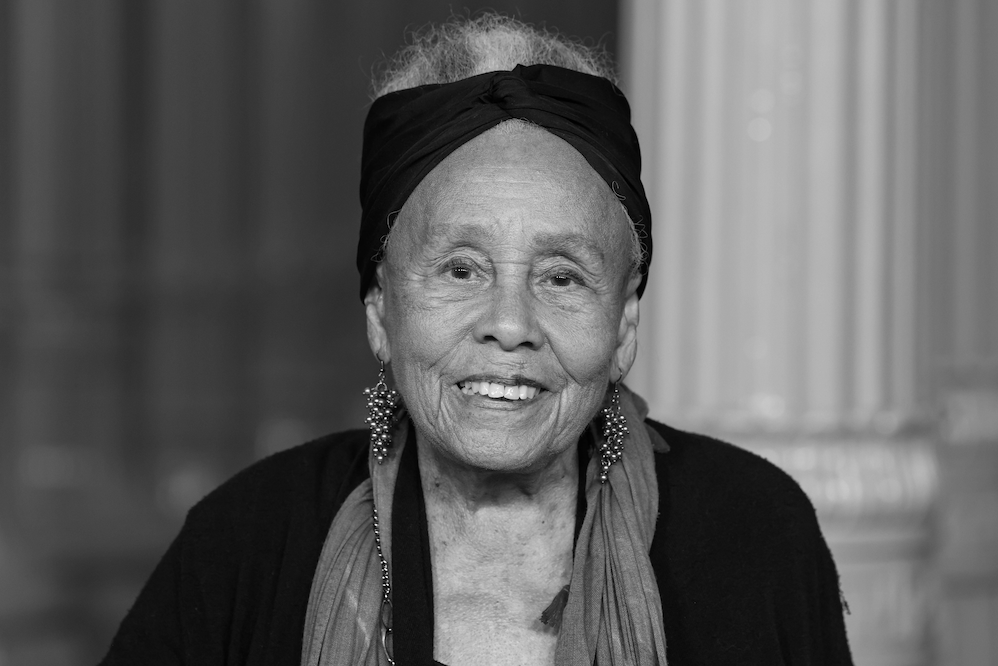
American artist Betye Saar, a key figure in the Black Arts movement and a leading innovator of contemporary assemblage, has died at the age of 99 in her hometown of Los Angeles. Her passing brings to a close a career spanning more than six decades, during which she transformed everyday objects and remnants of American popular culture into powerful works of social commentary and identity affirmation.
Internationally recognized for her ability to reinterpret images and objects linked to racial segregation during the Jim Crow era, Saar developed her own artistic language based on assemblage, a sculptural technique constructed from found objects. Dolls, washboards, clocks, cages, altars, and antique furniture became part of a visual universe in which memory, spirituality, history, and political activism coexisted inseparably.
Her work challenged deeply ingrained racial stereotypes in American society and transformed objects that had perpetuated discrimination into symbols of emancipation and African American pride. This ability to subvert the meaning of racist icons made Saar an essential reference point for several generations of artists.
Although she began her professional career in design, it wasn't until she was 35 that she decided to dedicate herself fully to the visual arts. From then on, she maintained an uninterrupted creative activity, working well into her nineties. Born in Pasadena, she was part of an active community of African American artists in the Los Angeles area and always cited Simon Rodia's famous Watts Towers as one of the decisive influences of her early years.
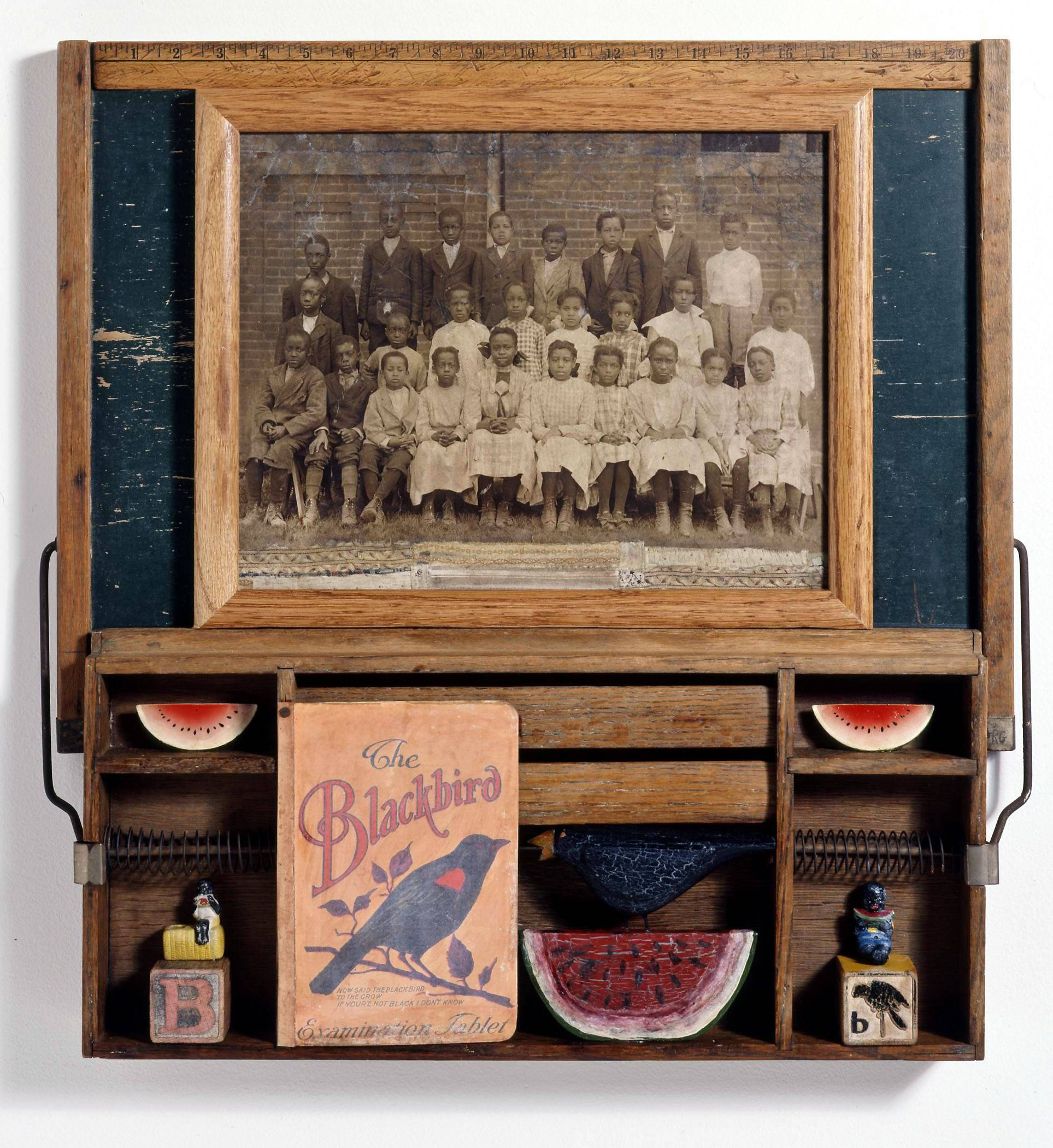
Among his most emblematic works is Black Girl's Window (1969), considered today a fundamental piece of 20th century American art, although its institutional recognition came decades later with its incorporation into the collection of the Museum of Modern Art in New York in 2019.
Another milestone in her work was The Liberation of Aunt Jemima (1972), a piece that became an icon of contemporary political art. In it, she reappropriated the stereotypical figure of the African American maid, transforming it into a symbol of resistance: the character holds a rifle and a grenade, completely inverting the meaning of the racist imagery it represented.
In addition to her artistic production, Betye Saar played a fundamental role as a mentor to numerous African American creators, including the painter Kerry James Marshall, decisively contributing to paving the way for new generations in an artistic landscape historically dominated by predominantly white institutions and discourses.
Although her presence in major museums was sporadic for decades, institutional recognition solidified in the final years of her career. In 2019, she had simultaneous solo exhibitions at the Los Angeles County Museum of Art and the Museum of Modern Art, and in the spring of 2026, she was elected to the American Academy of Arts and Letters, one of the nation's highest cultural honors.
Until her final months, she continued to be the subject of exhibitions and studies. In Los Angeles, an exhibition dedicated to her textile and clothing designs remained open, while the New-York Historical Society displayed a wide selection of the more than one hundred dolls she collected throughout her life, which constituted a constant source of inspiration for a body of work that transformed art into a tool of memory, resistance, and social transformation.

You may be
interested
...