Exhibitions
Mónica Capucho transforms color into a territory of perception and thought.
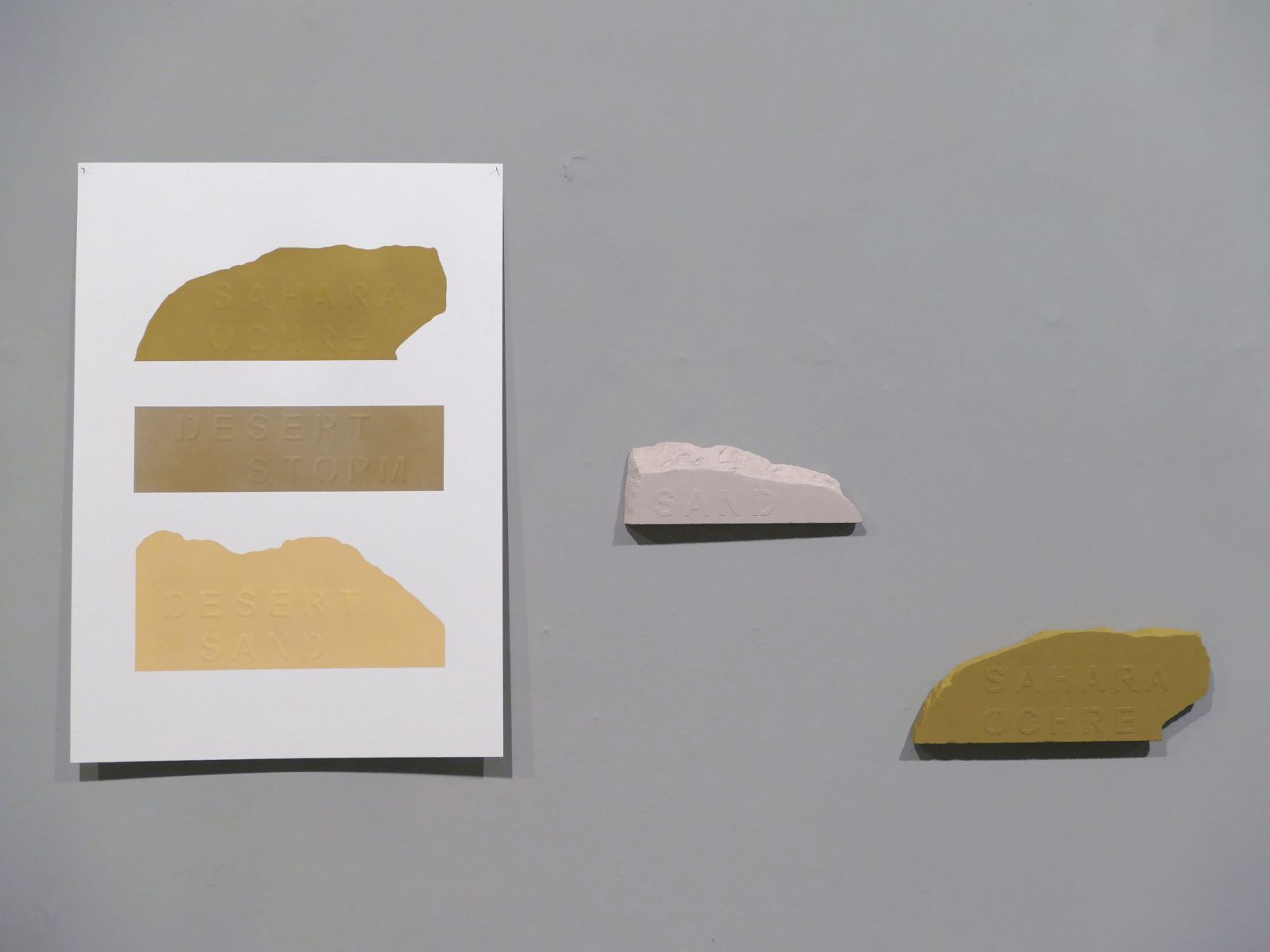
Painting ceases to be a surface and becomes a space to be traversed, experienced, and interpreted. This is the premise behind Rose Madder Genuine , the new exhibition by Portuguese artist Mónica Capucho, open from June 18 to September 19, 2026. It is the artist's fourth solo exhibition at this gallery and represents a further exploration of her research, which places color at the center of a constantly evolving artistic language.
Far from understanding color as a stable or merely decorative quality, Capucho approaches it as a relational phenomenon, whose perception depends as much on matter and light as on the spatial context and the viewer's perspective. The exhibition is constructed from variations of the same chromatic range developed through different densities, scales, and combinations that make each work part of a broader visual system. No piece functions in isolation: all engage in dialogue with each other and with the architecture of the exhibition space, generating an experience where painting transcends its own boundaries.
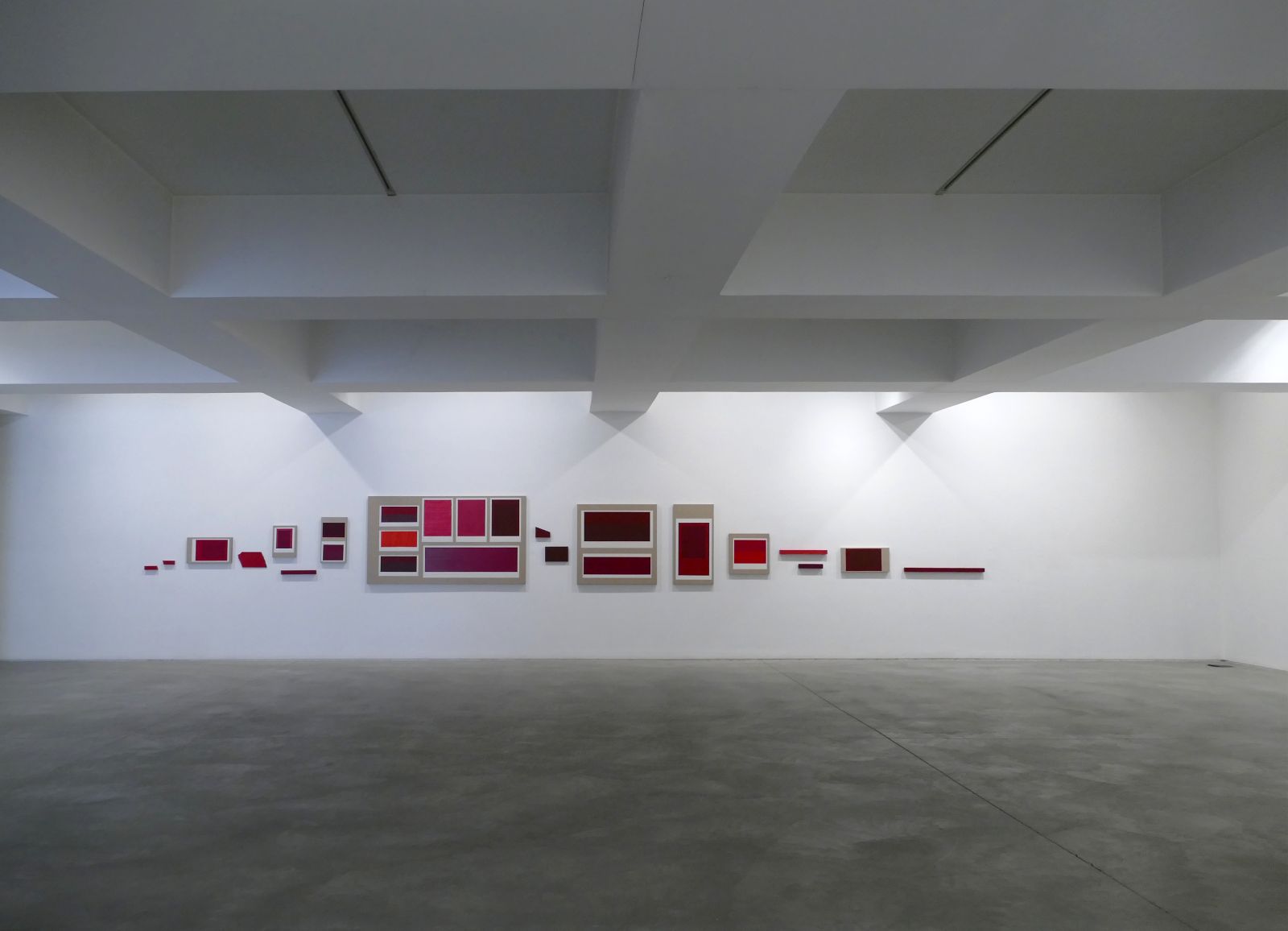
The proposal reveals an understanding of color akin to the research of post-painterly abstraction and perceptual minimalism, where seemingly subtle differences trigger profound alterations in the perception of space. The overlapping and proximity of different tones modifies the sensation of depth, proximity, and visual rhythm, demonstrating that color never possesses an absolute meaning, but rather is constructed through shifting relationships.
The exhibition reaches one of its most intense moments in the main hall, where the confrontation between red and blue generates a physical and emotional tension. The red, projected onto the wall, seems to expand toward the visitor, activating a feeling of closeness, energy, and intensity. Opposite it, the blue unfolds horizontally, creating an effect of distance and depth that transforms the perception of space. This chromatic opposition functions not only as a formal device but also as a strategy to highlight color's capacity to alter our bodily experience of architecture.
Beyond its exploration of color, Rose Madder Genuine raises a reflection on the very nature of painting. Capucho revisits some of the fundamental questions that have accompanied contemporary art for decades: what truly defines a painting, to what extent sculpture can be part of it, and whether painting can expand to inhabit three-dimensional space. Her works respond to these questions without offering definitive answers, shifting the focus from the object itself to the processes of transformation and the relationships it establishes with its surroundings.
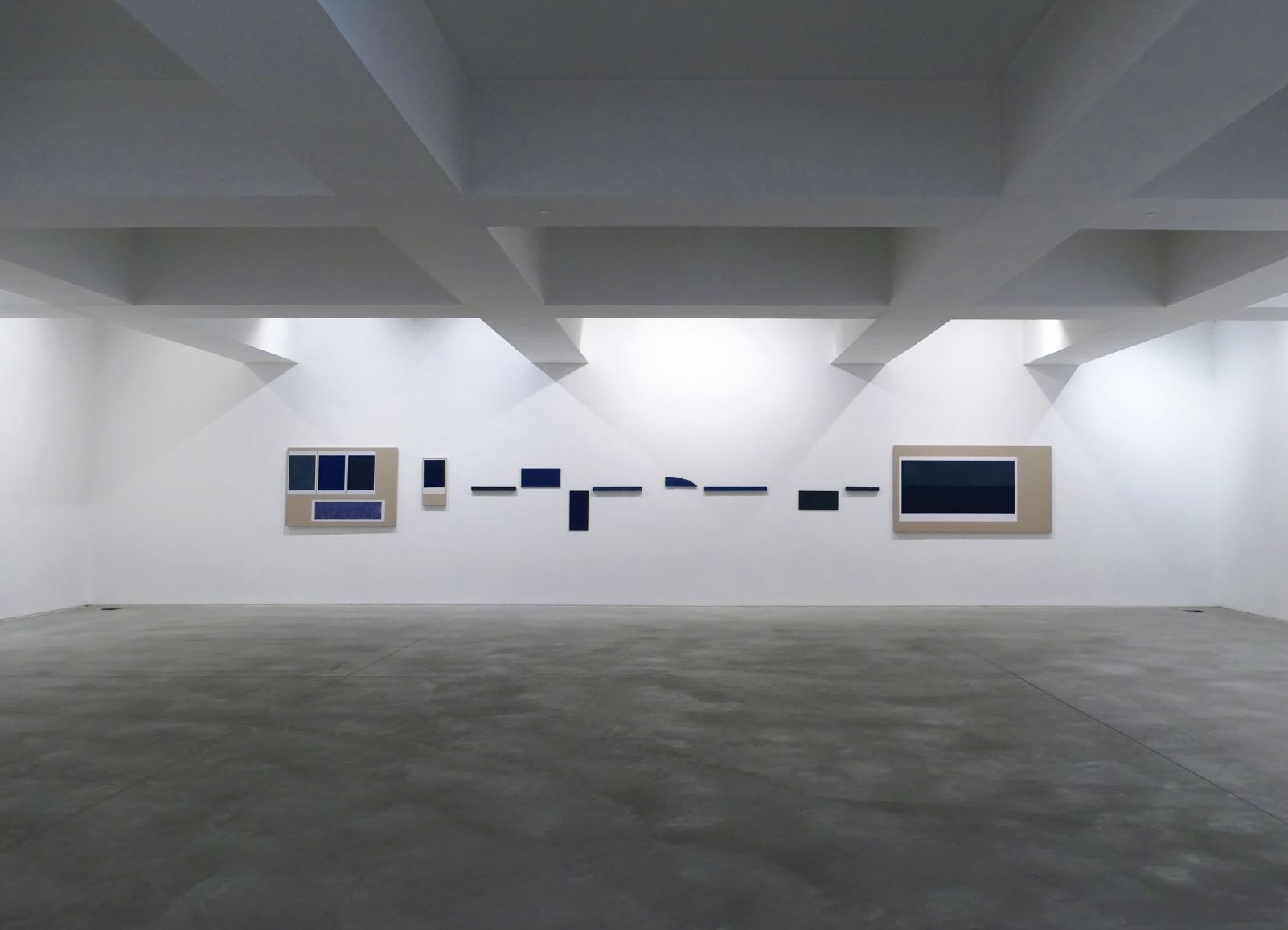
In this sense, the installation aligns with the tradition of conceptual art and site-specific practices, where meaning emerges from the dialogue between the artwork, the space, and the viewer. Painting ceases to be understood as an autonomous medium and becomes an immersive experience that incorporates sculptural and architectural elements, blurring the boundaries between disciplines.
Mónica Capucho's research is especially significant at a time when numerous artists are revisiting the legacy of painting from hybrid and installation-based perspectives. Her work demonstrates that the medium continues to offer possibilities for renewal when its most deeply rooted conventions are questioned. In Rose Madder Genuine , color neither represents reality nor illustrates an idea; it acts as a living matter capable of reorganizing space, modifying perception, and activating new forms of visual thinking.
You may be
interested
...