Exhibitions
Doors inside or the anonymous memory that ends up entering the museum
More than 300 vernacular photographs from Jordi Baron's collection turn the Palau Solterra Museum into a space for reflection on memory, intimacy and the artistic value of domestic archives.
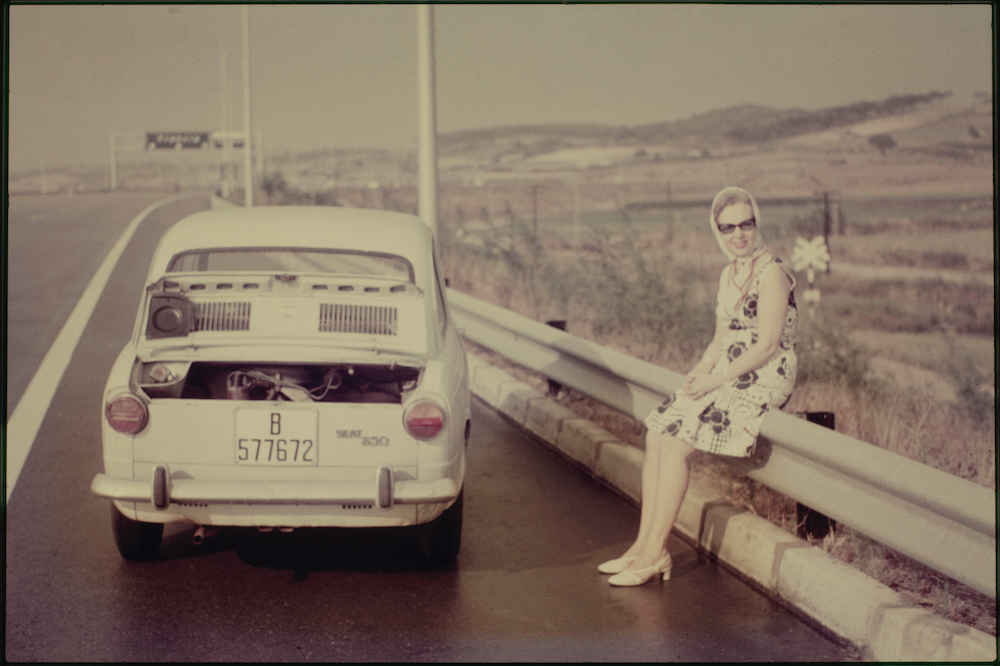
In an era in which millions of images are produced every day and are destined to disappear almost as quickly as they are shared, the exhibition Doors Inside. The Archives of Others , inaugurated on June 27 at the Museu Palau Solterra, proposes an exercise in visual resistance. Far from the grand narratives of author photography, the exhibition vindicates the aesthetic, documentary and emotional strength of vernacular photography, the kind that was never conceived to occupy the walls of a museum.
Curated by Fèlix Pérez-Hita, the exhibition presents for the first time a selection of more than three hundred photographs from the private collection of Jordi Baron (Barcelona, 1973), a photographer, antique dealer and collector who for decades has rescued anonymous images found in markets, flea markets, auctions and empty houses. Dating between 1945 and 2000, these photographs constitute much more than a set of recovered objects: they form an affective archive that documents social transformations, daily rituals and forms of representation of a society that is already part of memory.
The great virtue of the proposal is precisely its capacity to question the limits between document and work of art. The images do not stand out for a conscious artistic will, but for their authenticity. Family portraits, holidays, communions, excursions, popular festivals or domestic scenes acquire a new dimension when they are decontextualized and observed from the present. The museum does not only preserve these photographs; it re-signifies them.
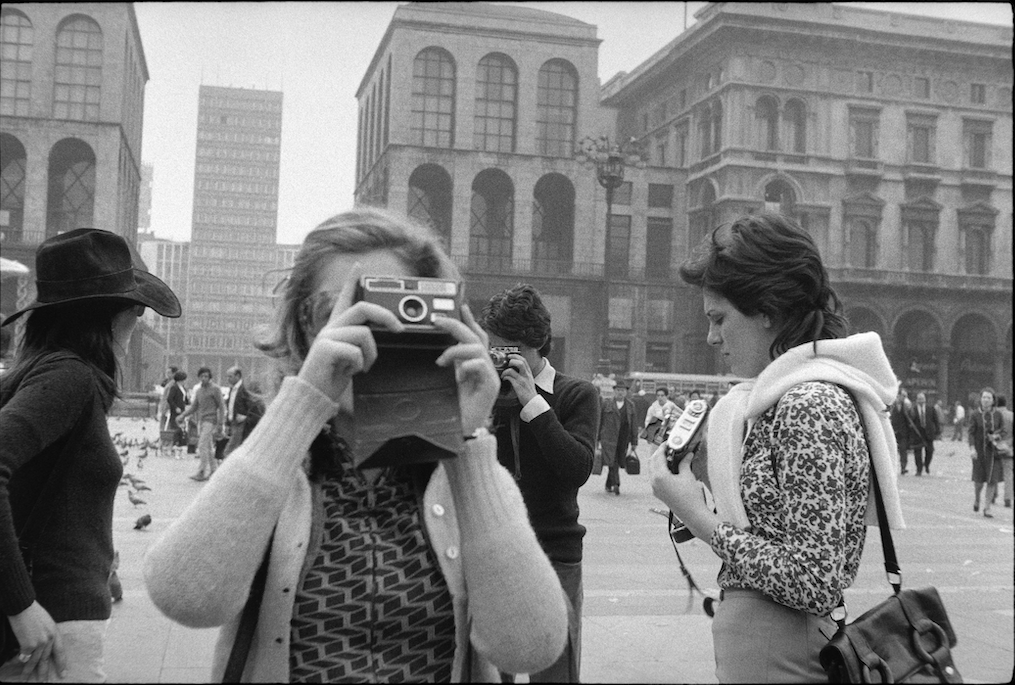
Baron defines his practice as an obsession with collecting fragments of the lives of others. This gaze, which could seem purely archaeological, is transformed here into a reflection on the very nature of photography: what does an image really preserve? Whose memory is it when the protagonists have disappeared? And to what extent is looking at these alien albums also a way of interrogating our own experience?
The exhibition is organized into eight thematic areas — We Are Photographers , Enigma , Don't Run, Dad , Suburbia , Domestic Life , Free Time , Los amigos de Blas and Erotomania — that allow us to explore different dimensions of 20th-century visual culture. It is not a chronological journey, but rather an exploration of the social uses of photography: building memories, affirming identities, documenting urban changes, representing desire or immortalizing the small events that end up defining a life.
Particularly suggestive is the space dedicated to the most intimate or transgressive photographs. Amateur erotic images, exercises in exhibitionism, clandestine scenes or photographs marked by voyeurism emerge here not as morbid curiosities, but as witnesses to a visual culture usually excluded from official discourses. Their inclusion broadens the reading of vernacular photography and reminds us that family archives also preserve what history often prefers to forget.
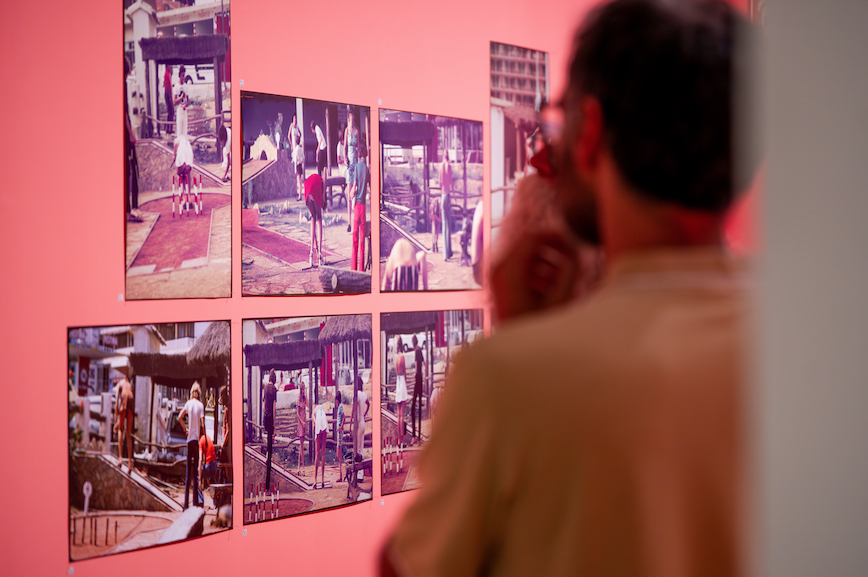
From a critical perspective, Portes endins also raises a fundamental question: what happens when intimacy enters public space? Photographs conceived to remain within a family album now become collective heritage. This displacement generates an ethical tension that the exhibition assumes without avoiding it. Rather than exposing alien lives, it invites the visitor to recognize in these images shared patterns, universal gestures and emotions that cross generations.
The inaugural area, We Are Photographers , establishes an interesting dialogue with contemporaneity. Before smartphones and social networks, taking photographs was still an exceptional gesture, reserved for moments that were considered worthy of being remembered. The comparison is inevitable: today we document almost any moment, but perhaps we remember less. The exhibition does not fall into easy nostalgia, but offers an opportunity to think about how the mechanisms of constructing visual memory have changed.
The presence of images that reflect gender stereotypes, racial representations, forms of violence or attitudes that are currently socially questioned also contributes to this critical reading. The Vila Casas Foundation contextualizes them as a product of their time, avoiding any idealization of the past and reaffirming the commitment to contemporary values of diversity, equality and respect.
You may be
interested
...