Exhibitions
Nature as architect
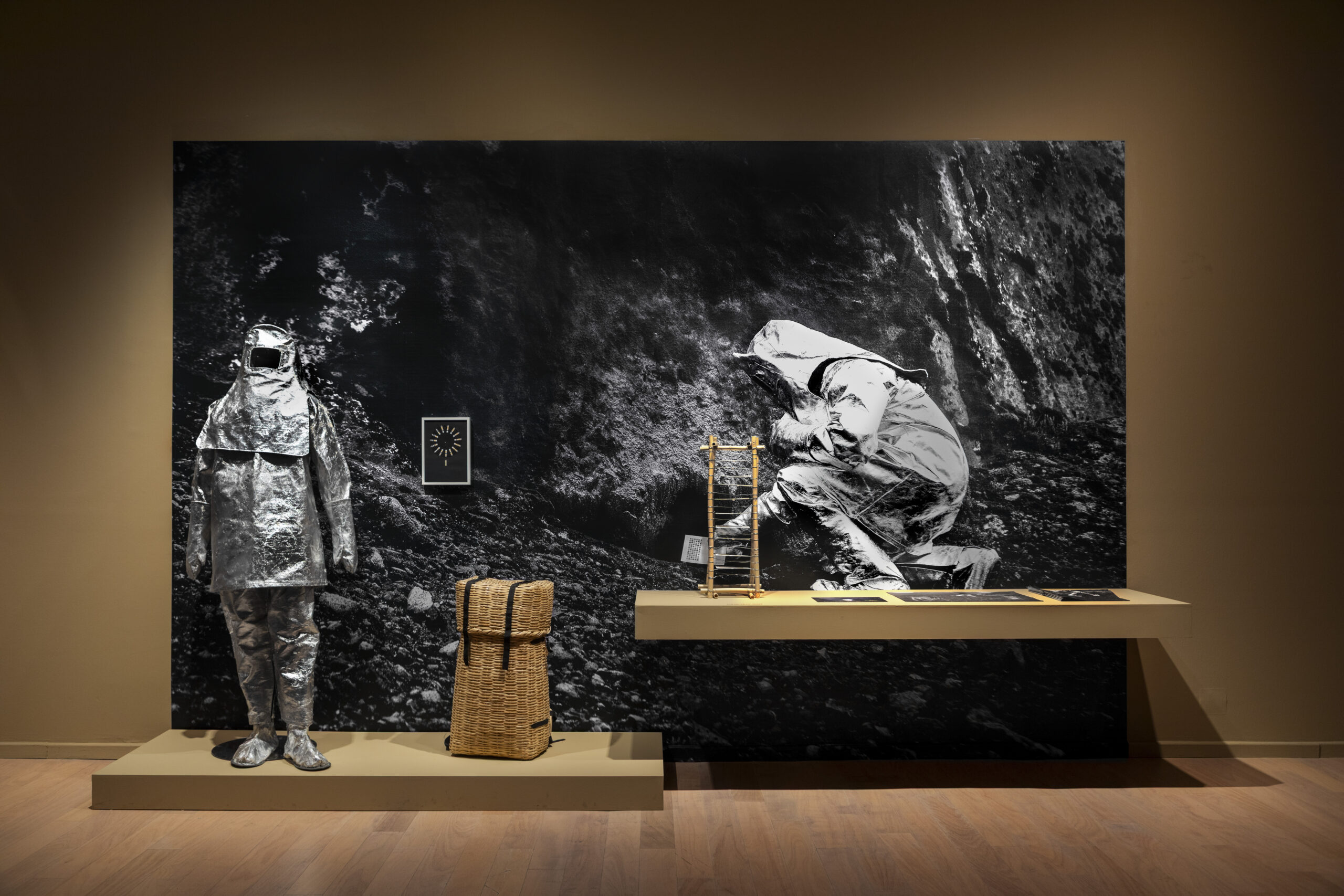
The Museum of Modern Art in Buenos Aires presents Nature as Architect , an exhibition on view until April 2027 that shifts the idea of nature from a mere backdrop or stage to the very heart of creative, social, and political practices. Far from a passive representation of the natural world, the exhibition proposes understanding it as an active intelligence that organizes, inspires, and transforms the ways in which we inhabit the planet.
The exhibition invites us to listen to the stories the forests tell, to read the rivers as moving archives, and to think of volcanoes as geological inscriptions that condense time and memory. In this shift in perspective, animals appear as potential interlocutors, capable of destabilizing human centrality and opening up other forms of perception and knowledge.
Nature as architect articulates long-term research, speculative imagination, and sensory experience as methods of knowledge. Within this framework, art intertwines with architecture, poetry, botany, cartography, and ecological activism, generating an expanded field where disciplines cease to function in isolation. Botany intersects with social history, zoology with aesthetics, and cartography with poetic writing, in a network that understands territory as a contested and constantly reconfiguring space.
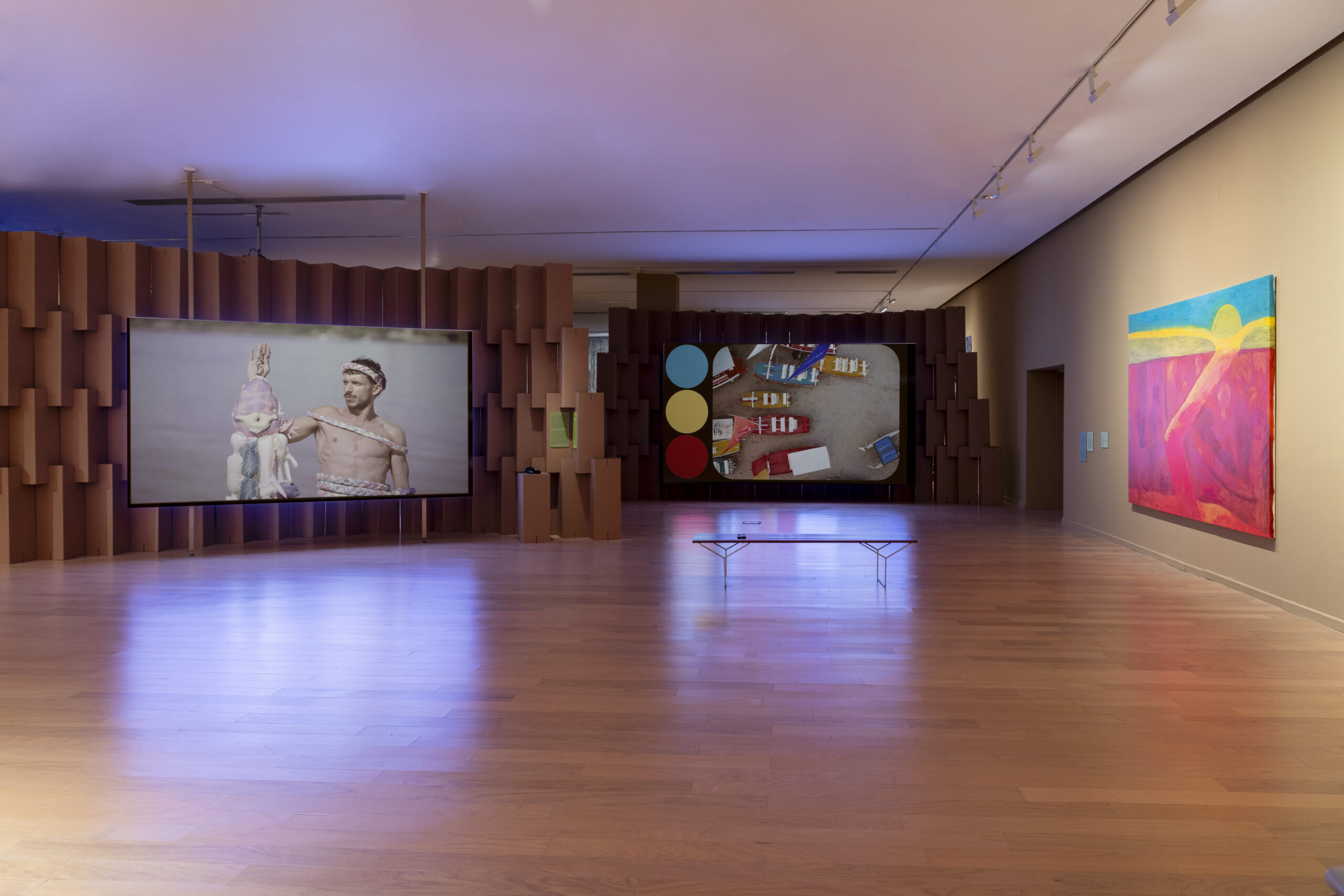
The exhibition brings together artists and collectives from Argentina, Brazil, Chile, Zimbabwe, and other contexts, including Manuel Brandazza, Virginia Buitrón, Adriana Bustos, Ariel Cusnir, Jonathas de Andrade, Julián D'Angiolillo, Cao Guimarães, Artur Lescher, Florencia Levy, m7red, Valeria Maggi, Eduardo Navarro, Rivane Neuenschwander, Rayana Rayo, Casa Río Lab, Florencia Rodríguez Giles, Sebastián Roque, Tomás Saraceno, Felix Shumba, Paulo Tavares, and the Utopía del Sur project, linked to the Nicolás García Uriburu Foundation. It also incorporates references to the legacy of artists and thinkers such as Raúl Zurita, in dialogue with a sensibility that intersects poetry and territory.
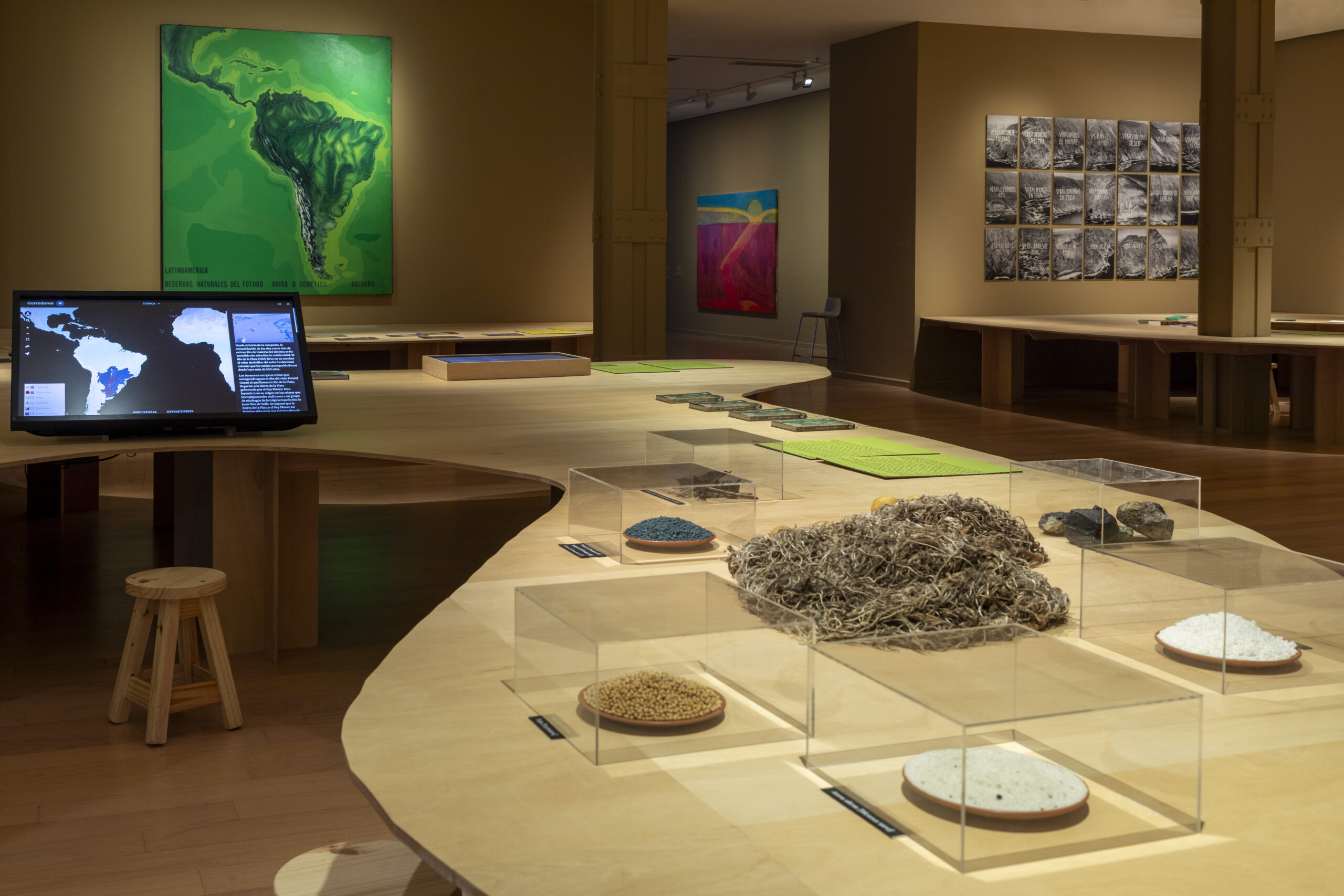
Curated by Patricio Orellana in dialogue with Victoria Noorthoorn, the exhibition is organized into two large spaces that function as complementary routes. In Room A, the installation takes the form of a large river table that operates as a device for research and encounter. There, the works are presented as nodes of a living system that connects artistic practices with ecological and social processes unfolding on a regional and global scale.
In this first section, Paulo Tavares's thinking is key to understanding the idea of the cultural forest as a form of collective design where nature, history, and politics intertwine. Tomás Saraceno's research on spiderwebs as collaborative structures among species expands this notion toward an ecology of interdependent relationships. Projects like m7red and Casa Río Lab explore river territories and their social dynamics, while Florencia Levy addresses landscapes shaped by extractivism, where matter and memory are inscribed in layers of conflict. The Utopías del Sur program builds on the legacy of Nicolás García Uriburu by linking art, environmental activism, and education.
Room B proposes a shift towards a more sensory and immersive experience. In this space, nature manifests itself as perceptual intensity, permeated by colors, movements, and sounds that transform the way we inhabit the exhibition space. Rivers appear as forms of knowledge that cross borders and reshape geographies, while artistic practices explore celebrations, rituals, and narratives where the human and the non-human coexist.
The works also focus on what remains hidden or subterranean, from roots and volcanic formations to geological layers that reveal other temporalities of the world. Together, these proposals broaden the visitor's sensitivity and encourage a more expansive form of attention to the living world.
The journey culminates in a large mural that evokes a forest inhabited by multiple presences, where nature is presented not as a static landscape but as a field of constantly transforming relationships. In this final gesture, Nature as Architect poses an open question about how we inhabit the planet and what other forms of coexistence can still be imagined through art.
You may be
interested
...