Exhibitions
'Roads in transit' portrays the mobility of EU citizens in an exhibition that explores freedom of movement and its contradictions
The International Center for Photojournalism presents until July 31 a multimodal project with photographs, testimonies and a DIY version that invites us to rethink European borders.
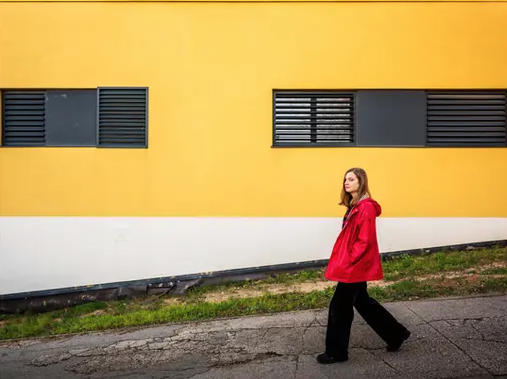
The Centre International du Photojournalisme in Perpignan presents until July 31 the exhibition Roads in transit: EU citizens across Europe , a project that reflects on mobility within the European space and its social, cultural and identity implications.
The exhibition takes as its starting point the creation of the Schengen area in 1995, which allowed the free movement of citizens of the member countries. Since then, millions of people have moved within the continent to settle in new territories, crossing not only geographical borders, but also administrative, linguistic, social and symbolic ones.
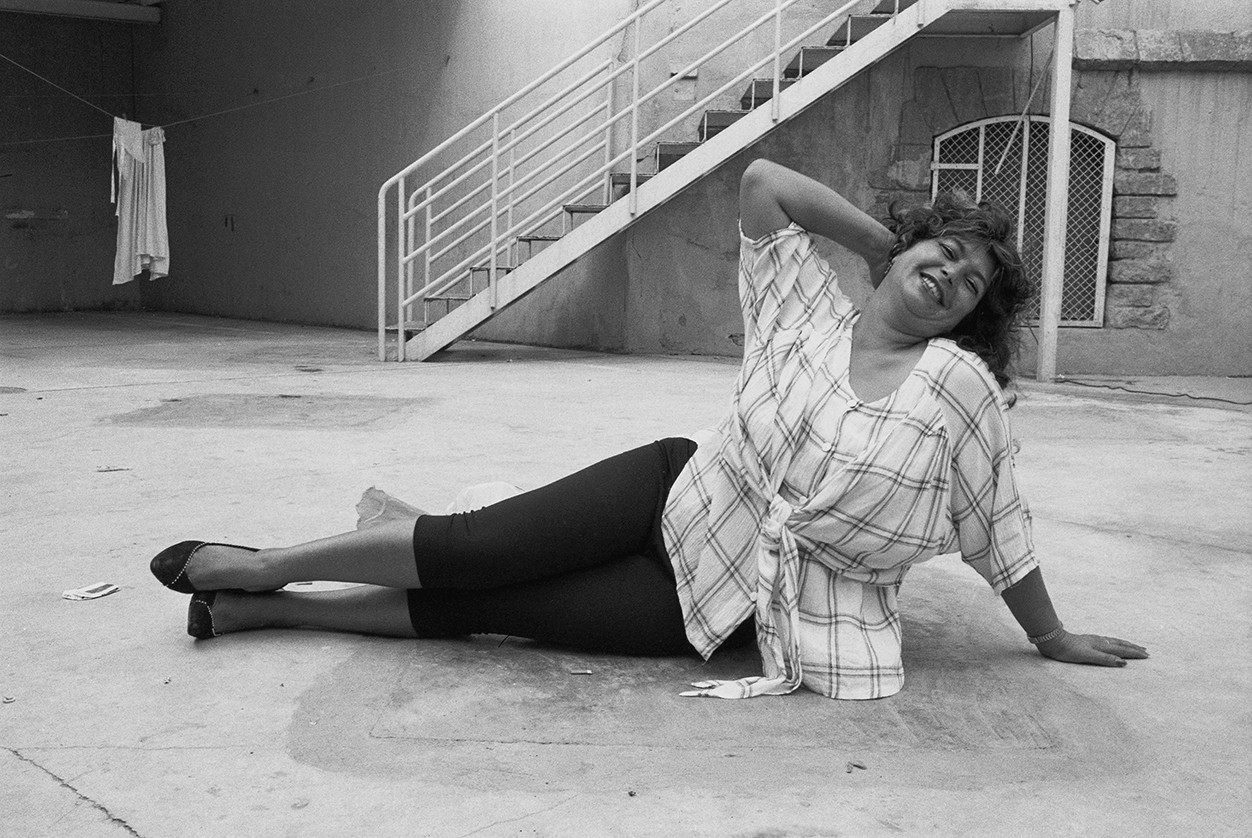
The project brings together testimonies from people from different parts of Europe who now reside in the south of France, mainly in the Pyrénées-Orientales region. These people define themselves in various ways—as “foreigners,” “expatriates,” “migrants,” “travelers,” or “new arrivals”—and explain the reasons for their displacement, often linked to work, family, or political reasons.
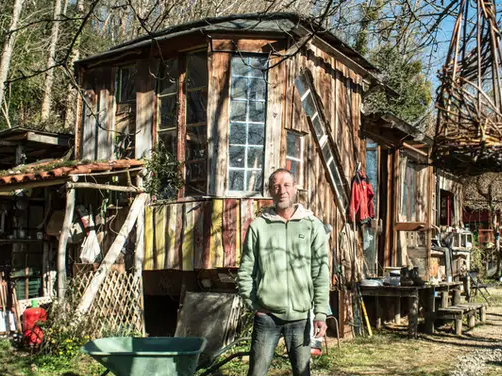
© Céline Gaille, Hans Lucas.
The stories collected highlight the complexity of the migratory experience within the European Union, as well as the tension between freedom of movement and everyday difficulties. Highlights include the discovery of new ways of life and the enrichment that intercultural encounters bring, but also persistent obstacles: language barriers, stereotypes, hostility towards foreigners and administrative complications.
The exhibition is part of the research project FOM@PLAY ( Freedom of movement at play: EU citizens' identity and transnational discourses ), funded by the Erasmus+ Agency. Its French branch, coordinated by Henry Tyne (UPVD and CRESEM laboratory), presents 19 portraits of European citizens settled in the south of France. The images are the work of photojournalists Georges Bartoli, Idriss Bigou-Gilles, Virginie Demorget, Céline Gaille, Leonor Lumineau, Jean-Christophe Milhet and Justine Roquelaure, while the texts have been prepared by Hugo Roquere, researcher in human and social sciences at the University of Perpignan Via Domitia.
One of the central elements of the project is its multimodal and itinerant character. The exhibition combines different formats to broaden the visitor's experience and reflect the diversity of the trajectories represented. In addition, the information posters are reinterpreted as graphic pieces sewn on acetate by sociologist Mathilde Pette, which represent the itineraries of each person within the European Union.
On the other hand, the project proposes a second participatory dimension: a “DIY” (Do It Yourself) exhibition. This version is distributed in PDF format through the CIP website and can be downloaded, printed and assembled freely by any institution or interested person. The aim is to encourage the circulation of the project and turn the public into an active agent in its dissemination.
In addition, this open modality invites participants to share the result of their installations on social networks, especially Instagram, tagging the CIP, with the aim of generating a network of connected and constantly expanding exhibitions.

You may be
interested
...