Exhibitions
Richard Avedon and the hidden face of the American West
Fundación Mapfre presents for the first time in Spain the complete series In the American West (1979-1984), one of the most influential and controversial works of 20th-century photography.
The Madrid headquarters of Fundación Mapfre, located at Paseo de Recoletos, 23, will host one of the highlights of the PHotoESPAÑA program from June 6 to August 30: Richard Avedon. In the American West, 1979-1984 . Curated by Clément Chéroux, director of the Fondation Henri Cartier-Bresson, the exhibition has been organized by this Parisian institution in collaboration with Fundación Mapfre and features loans from The Richard Avedon Foundation in New York.
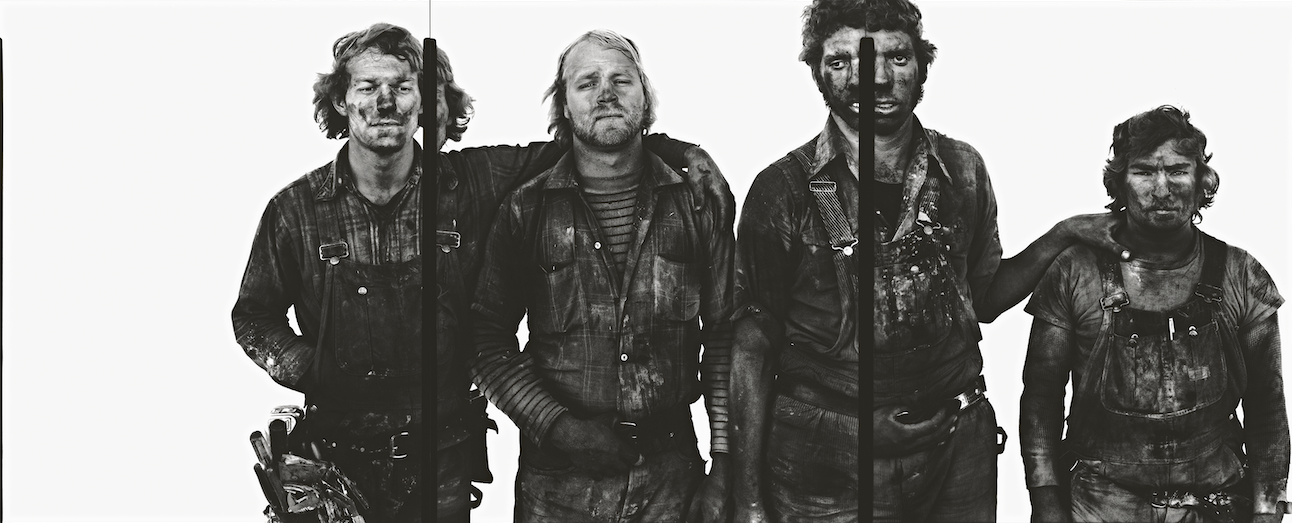
The exhibition brings together the 110 photographs that make up In the American West , the ambitious project that Richard Avedon developed between 1979 and 1984 and which radically transformed the perception of his work. Internationally known for his sophisticated fashion images and celebrity portraits for magazines like Vogue , the New York photographer surprised the art world with a series focused on anonymous figures from the American working class.
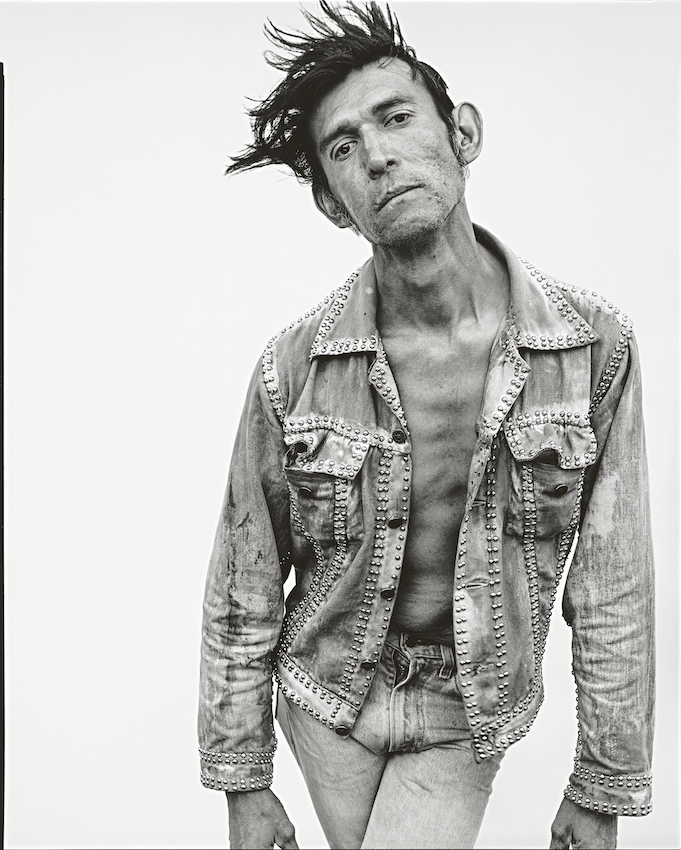
David Beason, shipping clerk, Denver, Colorado, July 25, 1981, Photograph by Richard Avedon, © The Richard Avedon Foundation.
When he began this project, Avedon was already an established figure in international photography. He had exhibited at leading institutions such as the Museum of Modern Art (MoMA) and the Metropolitan Museum of Art in New York, and his name was synonymous with glamour and visual elegance. However, the commission he received from the Amon Carter Museum of American Art in Fort Worth, Texas, allowed him to embark on a very different kind of visual exploration.
For five years he traveled across the American West, photographing miners, factory workers, waitresses, the unemployed, housewives, vagrants, and workers from various sectors. In contrast to the mythologized image of the West associated with vast landscapes, frontier heroes, and the television luxury popularized by series like Dallas and Dynasty , Avedon constructed a complex, human, and profoundly critical portrait of American social reality.
The series generated intense controversy after its presentation in 1985. Many observers questioned the harshness of the images and their departure from the photographer's more well-known work. However, over time, In the American West has established itself as one of the fundamental works of contemporary photography, both for its aesthetic power and its political and documentary dimensions.
The Madrid exhibition also possesses exceptional value: it presents the 110 reference prints that Avedon himself selected and oversaw for the original exhibition and for the publication of the book. These prints constitute the closest set to the artist's final vision and allow for a precise appreciation of his technical and formal decisions.
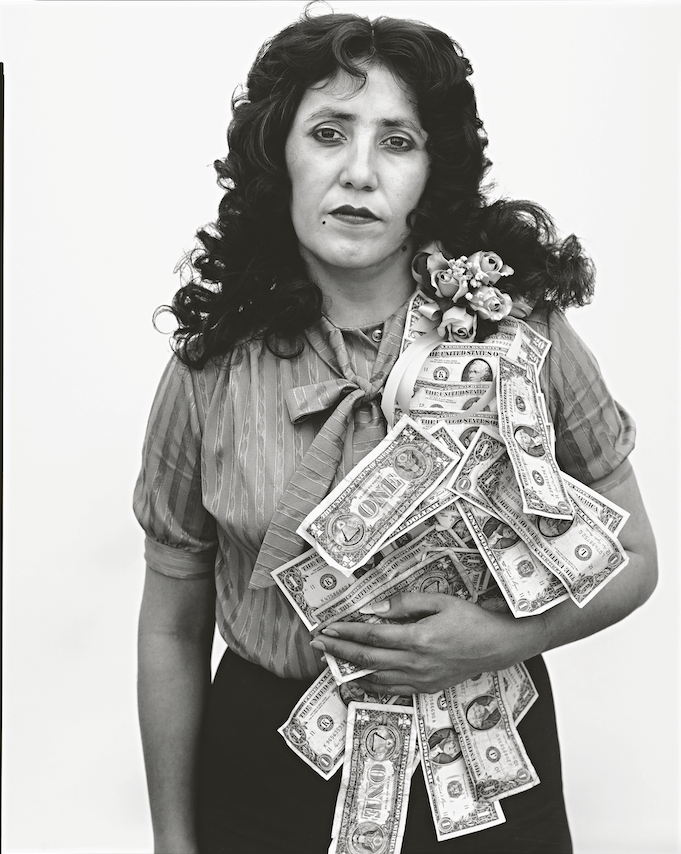
Petra Alvarado, factory worker, on her birthday, El Paso, Texas, April 22, 1982 Photograph by Richard Avedon, © The Richard Avedon Foundation.
The layout faithfully reproduces the sequence conceived for the book. The pages that were originally left blank are now empty spaces within the room, while page turns are indicated by narrower separations, respecting the narrative structure designed by the photographer.
Alongside the images, visitors can discover a valuable selection of archival materials that reveal Avedon's creative process: handwritten notes with instructions for printing the portraits, Polaroids identified with the models' names, working documents, and correspondence with some of those portrayed.
With this exhibition, Fundación Mapfre makes an exception to its usual retrospective program, dedicating its entire ground-floor galleries to a single work. This decision underscores the historical and artistic significance of In the American West , a project that continues to engage viewers more than four decades after its creation and offers a lucid perspective on the contradictions of contemporary American society.


You may be
interested
...