Opinion
How many loves touch each other?

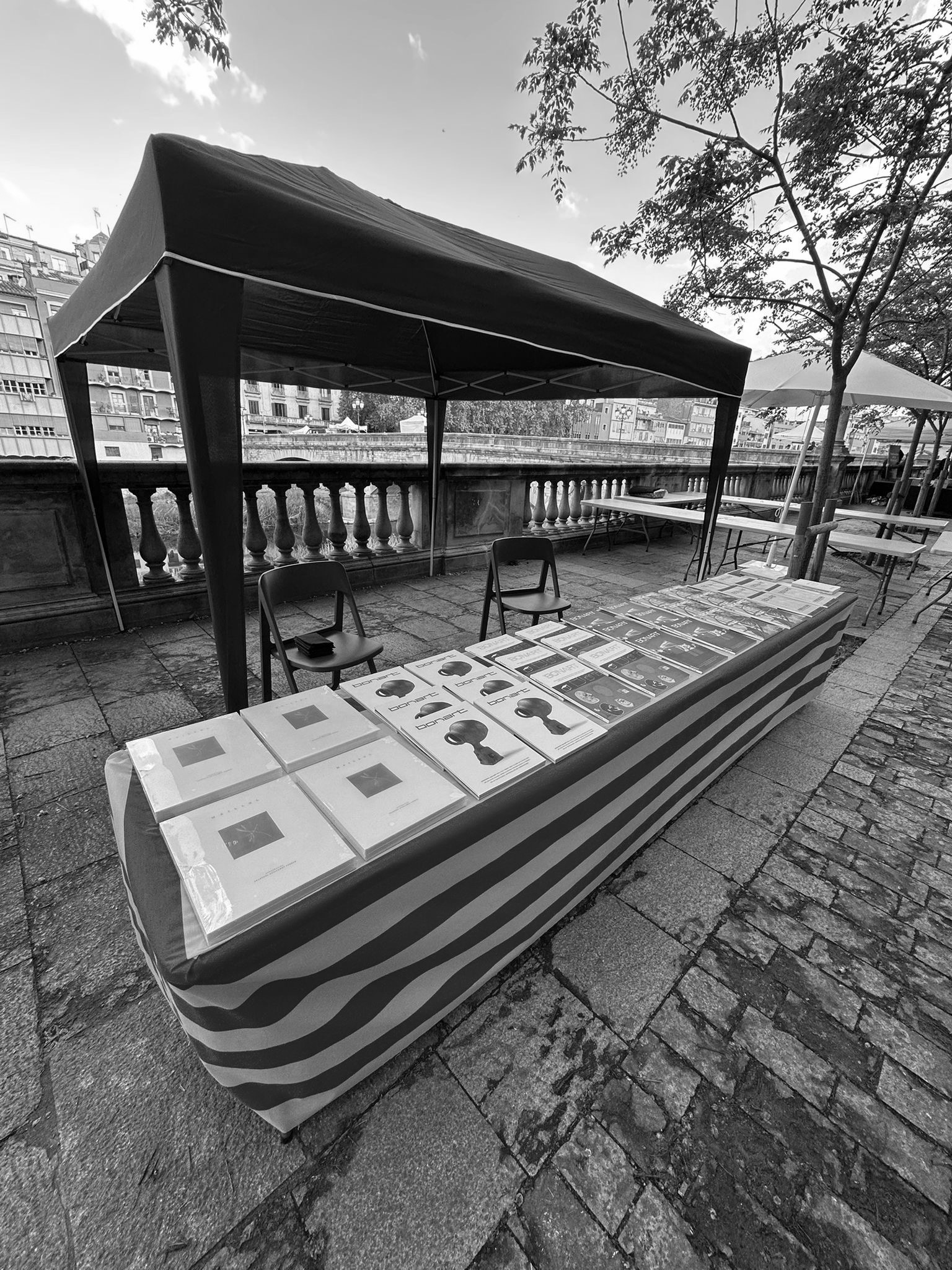
As I walk through the crowds of people and stalls that smell of paper and flowers, I stop in front of a book of a bright, almost insulting red. On the cover, Love Letters , by Frida Kahlo (edited by Suzanne Barbezat for Blume). The title tickles my brain and triggers a question like the ones we ask ourselves at three in the morning or after our third glass of wine with our friends: How many loves do we have in this life?
We have the romantic, and perhaps somewhat outdated, idea that there is only "Love", capitalized and singular. We have heard so much about the love of our lives that we have come to believe that there is only one. But open this book and Frida will unravel the scheme for you in a second. She did not love little, not little by little, nor with fear of catastrophe. She loved with a fierce, almost indecent appetite. And reading her letters, you realize that the answer to my question is not a number, but a capacity.
We all know the Frida-Diego couple. That "accident" more serious than the tram accident, as she said. But in these pages we discover that Frida's heart was a shared apartment with many rooms. There are letters to Alejandro Gómez Arias, the first love of her youth; messages full of desire for the photographer Nickolas Muray; words of fascination for women like Chavela Vargas or Jacqueline Lamba, and infinite tenderness for friends who were, in reality, transformed loves.
And this inevitably made me think about us. We live in the era of liquid love, of ghosting , of bonds with expiration dates and of labels that are more frightening than exciting. It seems that loving too much is synonymous with naivety. That showing interest is losing power. That feeling deeply is being exposed.
And then Frida appears —from a slower, but also more raw, era— and reminds you that accumulating great loves is not a sentimental failure: it is having lived several lives within one.
What I like about the style of this collection is that it doesn't sell us an idealized love from a Sunday afternoon movie. It's a love that boils, that forces you to write because your body can no longer contain the words. There's a vitality in his voice that connects directly with us, with that first, innocent love.
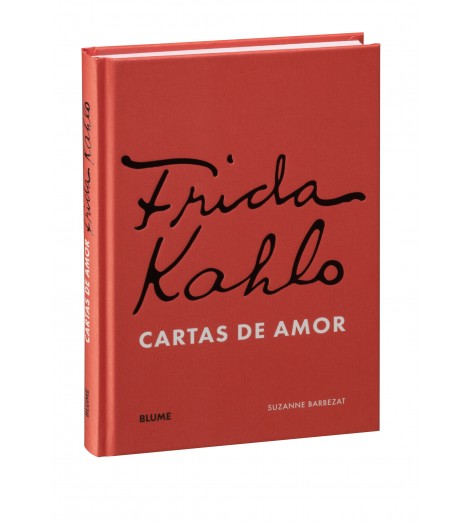
This article could be a drama, but today is Sant Jordi and I want to be positive. How many loves do we have? I say all the ones we are capable of sustaining. Because Frida teaches us that you can be physically broken, but have an indestructible emotional architecture. She wrote love letters while the world was collapsing, and maybe that is the lesson: love (or loves) is the only thing that keeps us grounded when the ground decides to disappear.
It is not a book, or not only, for fans of Mexican art. It is a manual and a reminder for those who, like me, look at dating apps with a bit of mistrust, but still get excited when we see someone reading on the subway. It is an invitation to be brave, to write "I love you" without fear of being left "seen", because the value is not in the answer, but in the ability to feel it.
So, this Sant Jordi, I gave myself this red book. To remind myself that you don't have to choose just one path, that life is too short to love wisely and that, if we ask ourselves how many loves we have, the best answer will always be: one more.


You may be
interested
...