Editorial
Radical shake-up in Catalan museums and art centers
There has been a seismic movement in Catalan museums and art centers. In just a few months, there have been a number of transfers, resignations and end-of-term appointments that have reconfigured the institutional ecosystem. It is not a sum of anecdotes. It is a profound reorganization of the system. At the Picasso Museum, Emmanuel Guigon leaves a museum well positioned internationally. Beyond the rumors about his character, his contacts and his capacity for projection, he has left a clear mark. The arrival of Rosario Peiró will have to manage this legacy and redefine the story.
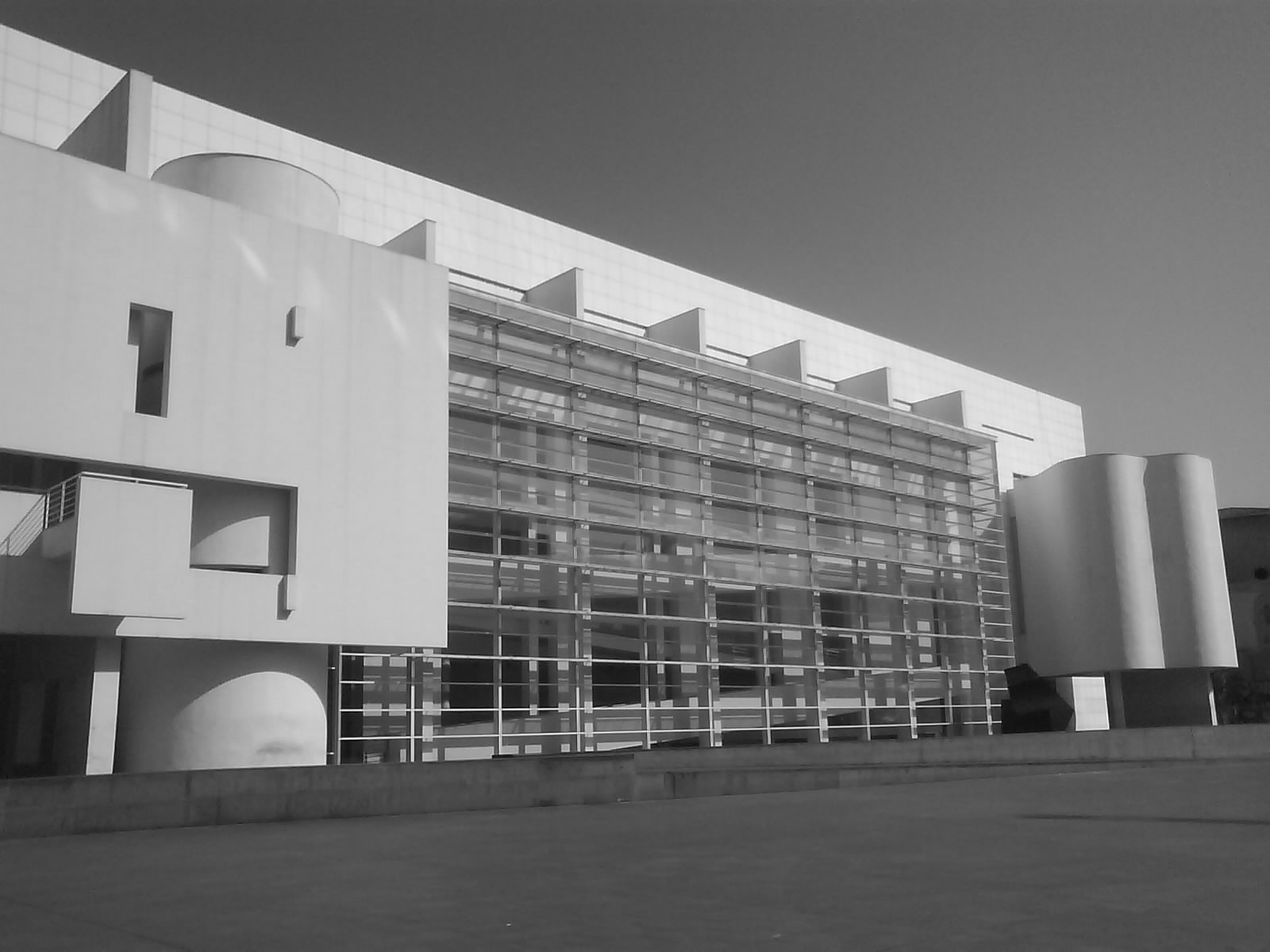
At the Barcelona Design Museum, the replacement of José Luis de Vicente by Lluís Nacenta is not just a change of name. Vicente's time shifted the center of gravity towards a space for debate on the climate crisis, technology and social transformation. It generated complicities, but also frictions. The debate about what a museum should be today —and how far it should go in its critical function— remains open. MACBA is facing the departure of Elvira Dyangani Ose. Directing MACBA means governing a complex structure, with institutional vis-à-vis between museum and foundation and with constant public exhibition. Dyangani Ose promoted a discursive turn with a decolonial and communitarian accent. It also experienced internal tensions and significant departures, such as that of Maria Antònia Perelló, today director of the Miró Mallorca Foundation. The acceptance of the direction of the Abu Dhabi Public Art Biennial is what activates the incompatibility and precipitates the end of her mandate, an incompatibility that the consortium has had to formally remind her of. Beyond the legal formality, the decision opens an obvious debate: a director who has defended critical and decolonial paradigms with conviction is now projecting her work in an institutional context that hardly meets European democratic standards. Whether this ends up being an operation of cultural laundering or a real possibility of openness, time will tell.
The Fundació Antoni Tàpies began a significant turn in 2023 with the appointment of Imma Prieto to replace Carles Guerra. The change is not only nominal: from Fundació to Museu Tàpies, with the aim of updating the project and giving centrality to new feminisms. The Guerra stage was intense, but also marked by structural and treasury tensions. The Fundació Joan Miró is facing the sudden departure of Marko Daniel amidst complex internal dynamics. Sara Puig, at the head of the board of trustees, is carrying out a relevant task of cohesion in this moment of transition.
At the National Art Museum of Catalonia, the MNAC, Pepe Serra's direction remains in place despite the structural upheavals that have shaken the country's museological debate. Manuel Borja-Villel's reflections, following the Ministry of Culture's commission to rethink the Catalan museum model, have generated tensions. A report that has been prepared but has not yet been publicly presented has fueled speculation about the future of the system. In a recent interview, Borja-Villel pointed out that many contemporary museums seem to talk more about death than life. An intellectual provocation that directly challenges the current institutional model.
There has also been a change at the Museum of Archaeology of Catalonia. The departure of Jusèp Boya —Aranès— was sudden and not at all kind. One of the designers of the Museums Plan of Catalonia, Boya had carried out a brilliant task of internationalization and projection. The handover opens a new stage with Mònica Borrell, from the National Archaeological Museum of Tarragona. At the National Museum of Science and Technology of Catalonia, the MNACTEC, based in Terrassa, the replacement of Jaume Perarnau by Albert Tulleuda Lari also marks a change of cycle. Perarnau had consolidated a spectacular network of industrial museums, with an enormous amount of work on the ground throughout the country, articulating heritage, territory and productive memory. His departure was not particularly kind. Tulleuda arrives with experience in heritage management and will have to consolidate a project that connects industrial memory and contemporaneity.
It is a pity because profiles like Perarnau, Boya or Josep Manuel Rueda —also recently retired— are assets that the country cannot underestimate. They are trajectories with experience, institutional memory and criteria, profiles that could perfectly act as “senators” in a future Council of Wise Men on museology. We are not so rich in intellectual capital in this area.
At the Tecla Sala Art Centre, in Hospitalet, a new stage is also opening. Antoni Perna, painter and director for many years, has retired. His time has left an impressive mark on the recovery and visibility of top-level national authors. Now a process of succession is opening that will mark the future of the centre. In Girona, at the Museu d'Art, the management is in a situation of extension while waiting for the opening of the public competition. Carme Clusellas wants to present herself there again. Her time has made a clear commitment to making the role of women in creation visible and to working on anniversaries that other national museums had not addressed. From a central location like Girona, she has been able to structure the story and programming with her own ambition.
At the Jaume Morera Art Museum in Lleida, after inaugurating the new space and culminating twenty-five years of tireless work by Jesús Navarro, a generational handover is now opening. The museum reaches this moment with the structural work done, which represents a competitive advantage for whoever takes on the new management. El Bòlit begins the Oriol Fontdevila cycle after the Íngrid Guardiola stage. Guardiola built a coherent and thoughtful project. Fontdevila takes on the challenge with the requirement of consolidating territorial influence.
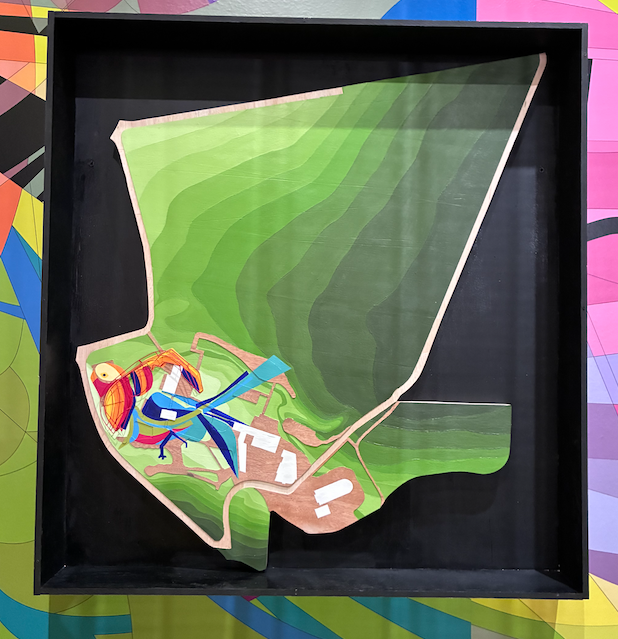
As for the Lluís Coromina Isern Foundation, this year the project for the Pla de l'Estany Contemporary Art Centre Museum, designed by the architect and sculptor Josep Miàs, was presented at the ARCO Fair in Madrid. Inspired by models such as the Chillida Leku or the Louisiana Museum, the project plans to integrate almost four hectares of natural surroundings with pavilions that will dialogue between ancient and contemporary art. It is a project that I have had the pleasure of directing for fifteen years, since its formation, and which now shines through in this museum as the culmination of a task sustained over time, driven by the energy and enthusiasm of its president and creator. The shake-up is radical. Now we have to see if we are facing a real change of model or a simple rotation of names. Time —and the facts— will tell.

You may be
interested
...