Exhibitions
Walker Evans at the Mapfre: The chronicler of the invisible
At the KBr of the Fundación MAPFRE in Barcelona, Walker Evans's gaze challenges the present and questions our way of seeing the current world.
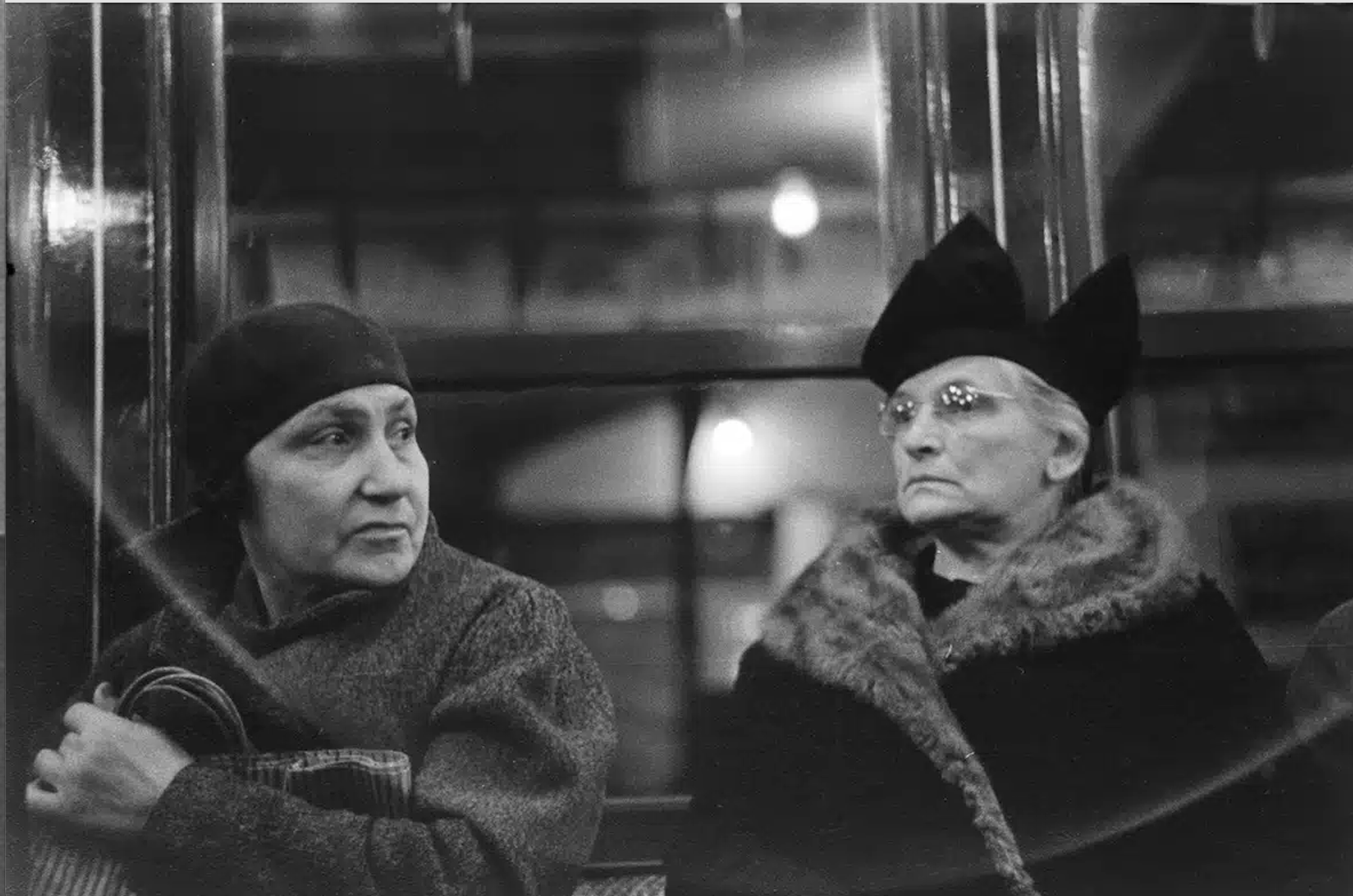
Beyond their documentary nature, certain photographs possess the faculty of questioning the observer in order to uncover their sensitivity. This is the case of Walker Evans. Now and Then , the latest production of the Mapfre Foundation in Barcelona. Curated by David Campany, the exhibition transcends the simple retrospective journey to become a reflection on the validity of the environments portrayed by Evans and his surprising capacity to reflect the drifts of our own time. Walker Evans (1903-1975) was not a hunter of celebrities or easy headlines.
While other photographers of his time sought spectacle or artificial drama to move the viewer, Evans turned his camera towards everyday banality. He was the great chronicler of the Great Depression, but he did so with an austere elegance that he himself called lyrical documentary. The exhibition presents 231 works that cover his entire career: from his first self-portraits in Paris in the 1920s to his last experiments with the Polaroid SX-70 in the 1970s.
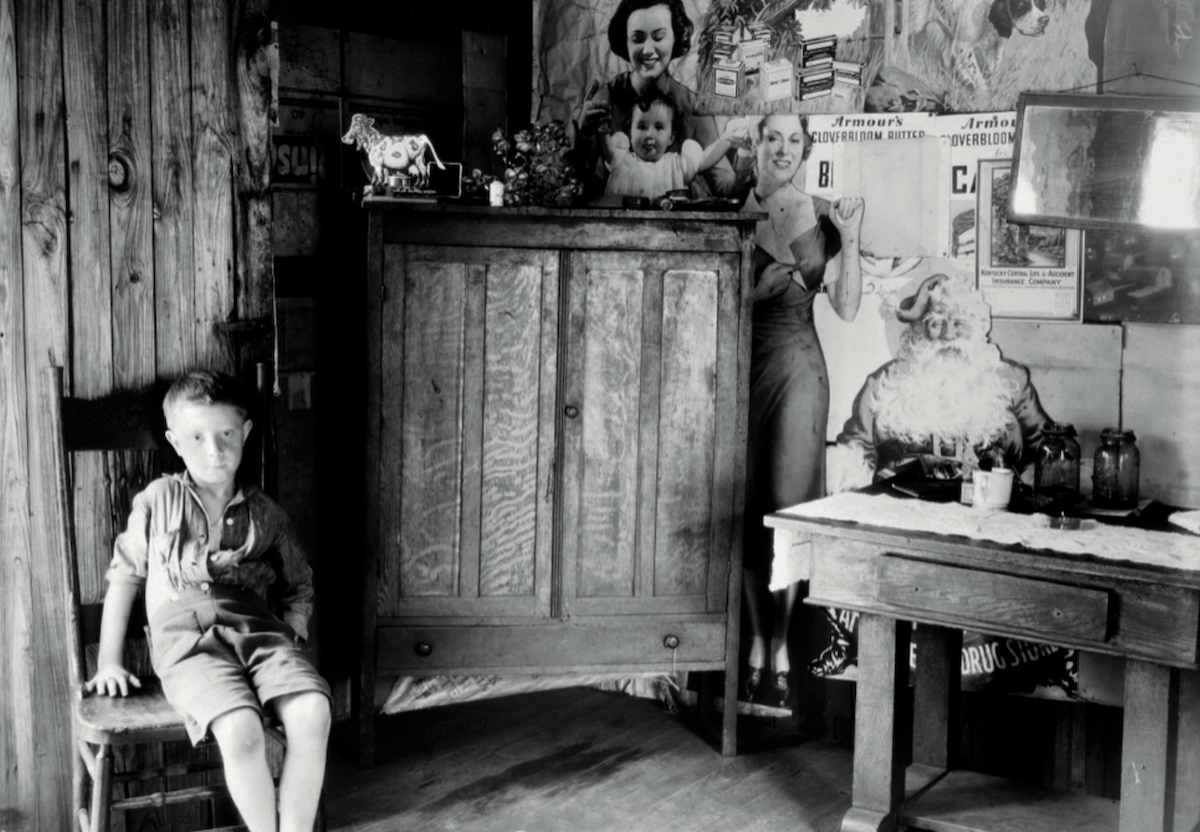
Walker Evans, West Virginia, Living Room, 1935, Private collection, San Francisco.
Obviously, the gaze of Allie Mae Burroughs, the wife of an Alabama tenant farmer, is one of the axes that articulates the exhibition. This image from 1936 is the definitive portrait of dignity in times of extreme poverty. It is a gaze that questions us today, in an age of filters, retouching and artificial intelligence, about what truth and honesty really mean in an image.
The exhibition is organized thematically into sections that read the urban landscape in an almost archaeological way. Evans was obsessed with signs: from sophisticated commercial signs to handmade posters with spelling errors and dusty shop windows.
He saw in popular typography the genuine soul of a nation in the making. He also emphasizes the culture of the automobile. Evans documented the rise of the car as a symbol of freedom, but he also photographed its B-side: the drains, the rusted parts and the abandoned vehicles. In the midst of the debate about sustainability, climate change and the future of mobility in our cities, these photos resonate with prophetic force. In a world where we compulsively produce and consume thousands of photos per second, Evans suggests that we pause. His ability to find beauty in a red fire hydrant, a simple wooden chair or the weary expression of a New York subway passenger (surreptitiously photographed with a camera hidden under his coat) forces us to rethink how we view our immediate surroundings.
The exhibition also delves into his most multifaceted and unknown facet: his early use of color and his demanding work as an editor, writer and designer. Evans left nothing to chance; he controlled down to the last millimeter how his photos were seen in books and magazines (such as the legendary Fortune), aware that context and sequence are absolutely everything when it comes to telling a story. Now and Then is an invitation to rediscover authenticity in post-truth times. Evans was convinced that small towns and peripheral neighborhoods offered a much more real and accurate image than large metropolises, which tend to standardize and blur the essence of the individual. At a time when digital globalization makes us all seem clones, his look at what is vernacular, local and handmade feels fresher, rebellious and more necessary than ever.
You may be
interested
...