Exhibitions
“Then I show the sea…”
An exploration of Jean-Luc Godard's visual thought that understands the image as a form of resistance and the relationship between fragments as a tool to approach the indescribable.
The sea is deep, it cannot be described. That is why Godard associates; to try, if it is possible, to reach the bottom of the sea. And show it.
But how to show—what, why, against what—that was always the question. Cocteau, who also bet on showing what others explained, sought the magical. He never saw the difficulty in it; because, for him, magic was that. Godard, on the other hand, built his entire filmography by searching for the opposite; searching for the most appropriate way, if possible, to show reality: “The act of searching leaves traces, and the traces are the film.”
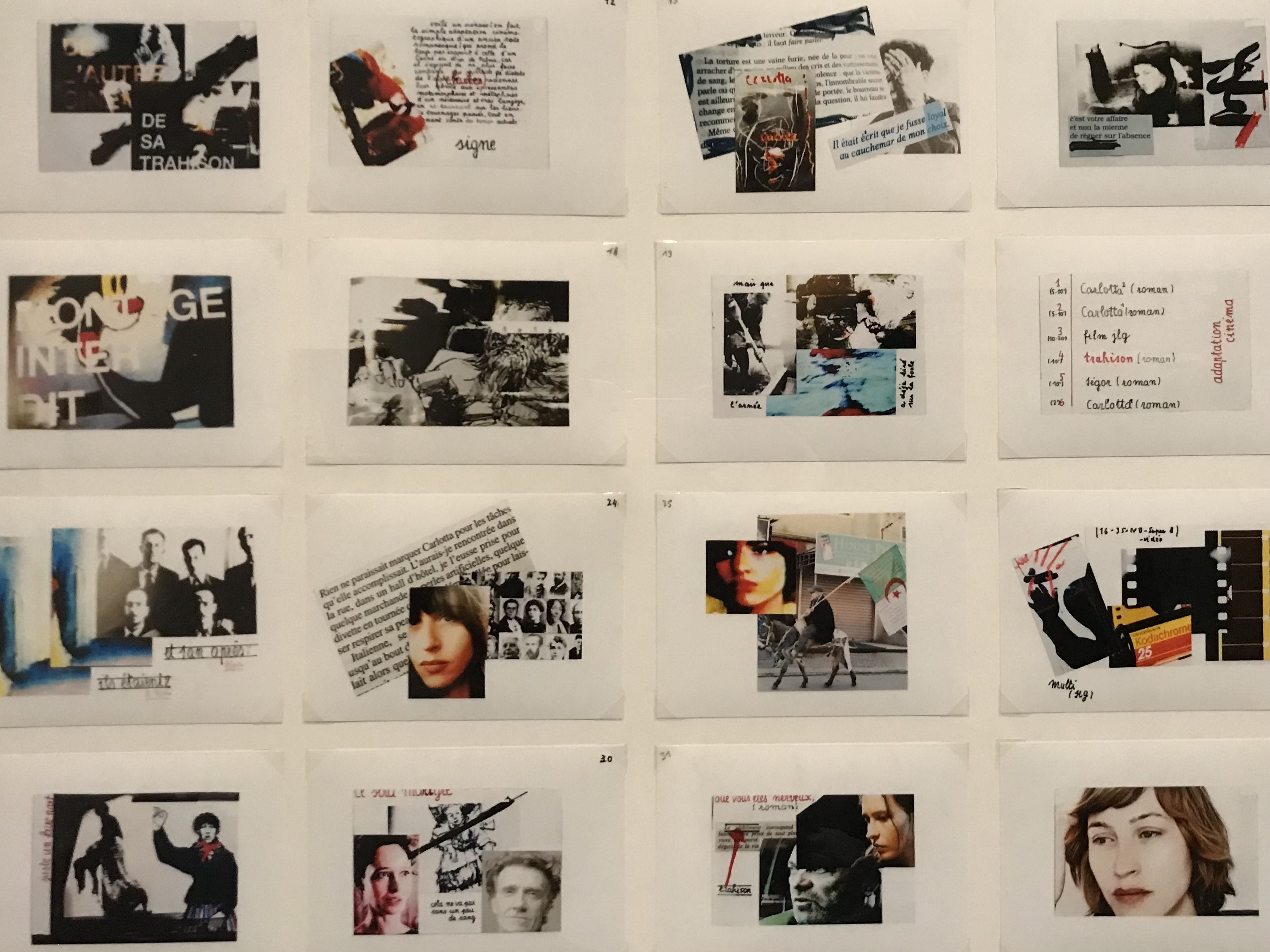
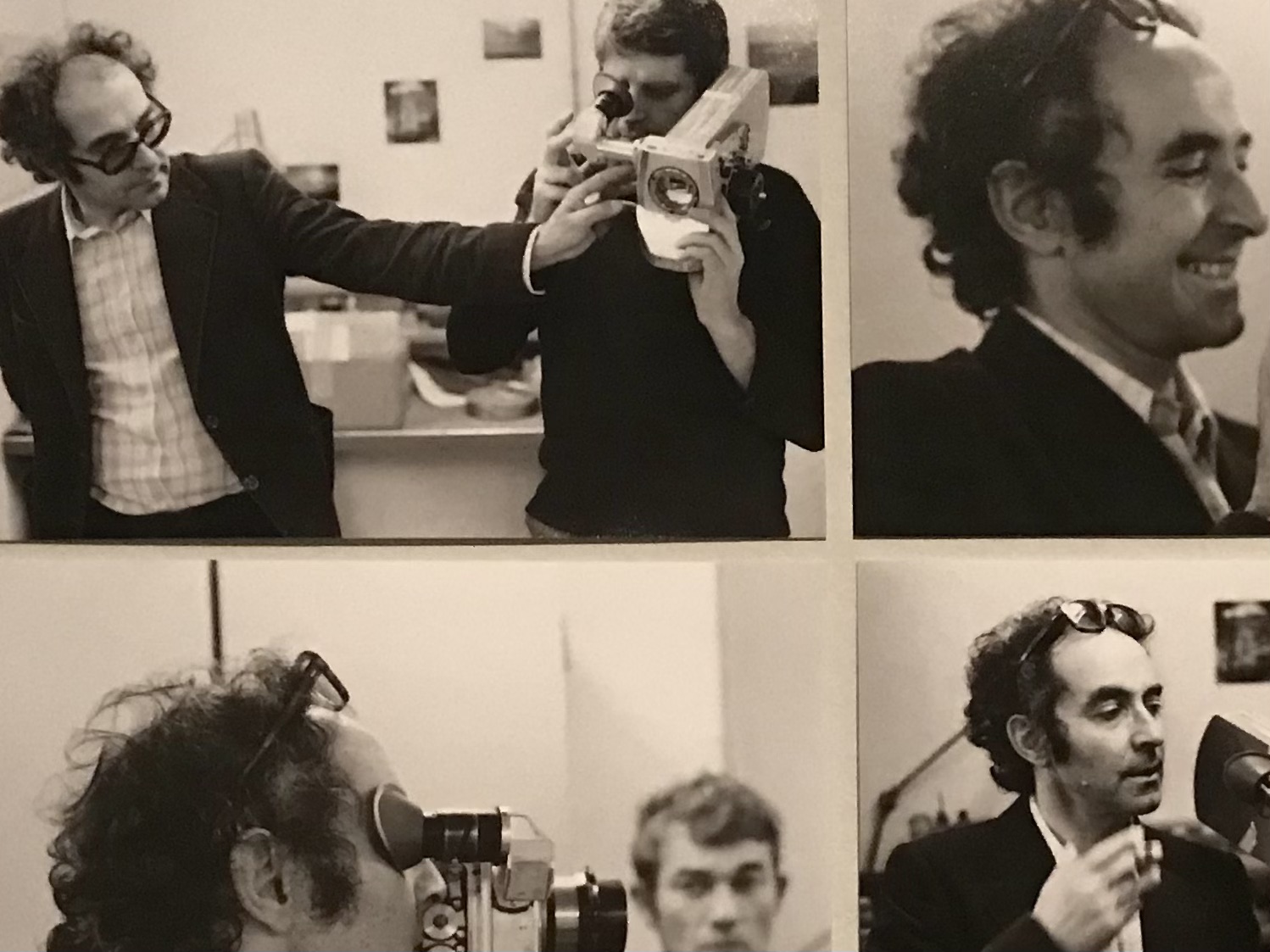
The Brotherhood of Metaphors , the new exhibition, curated by Manuel Asín, dedicated to Jean-Luc Godard at La Virreina Center for Image, shows something of this whole search.
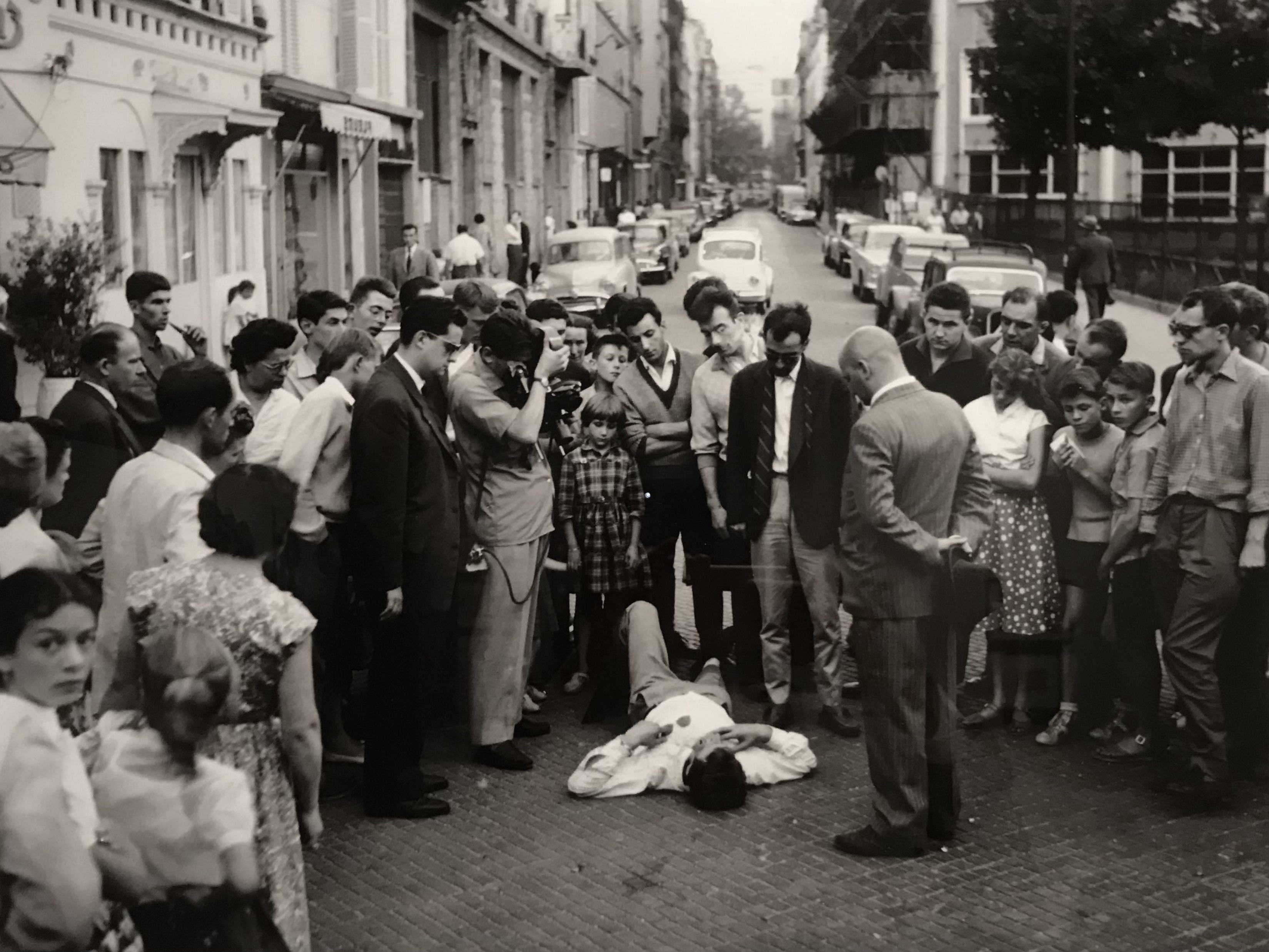
Godard was a child of war. From his adolescence, war was a significant driver of his concerns as an artist, as a filmmaker. But war cannot be described either; if anything, it can be shown. But “the image is confusing. We don’t know how to resolve it well—yet.”
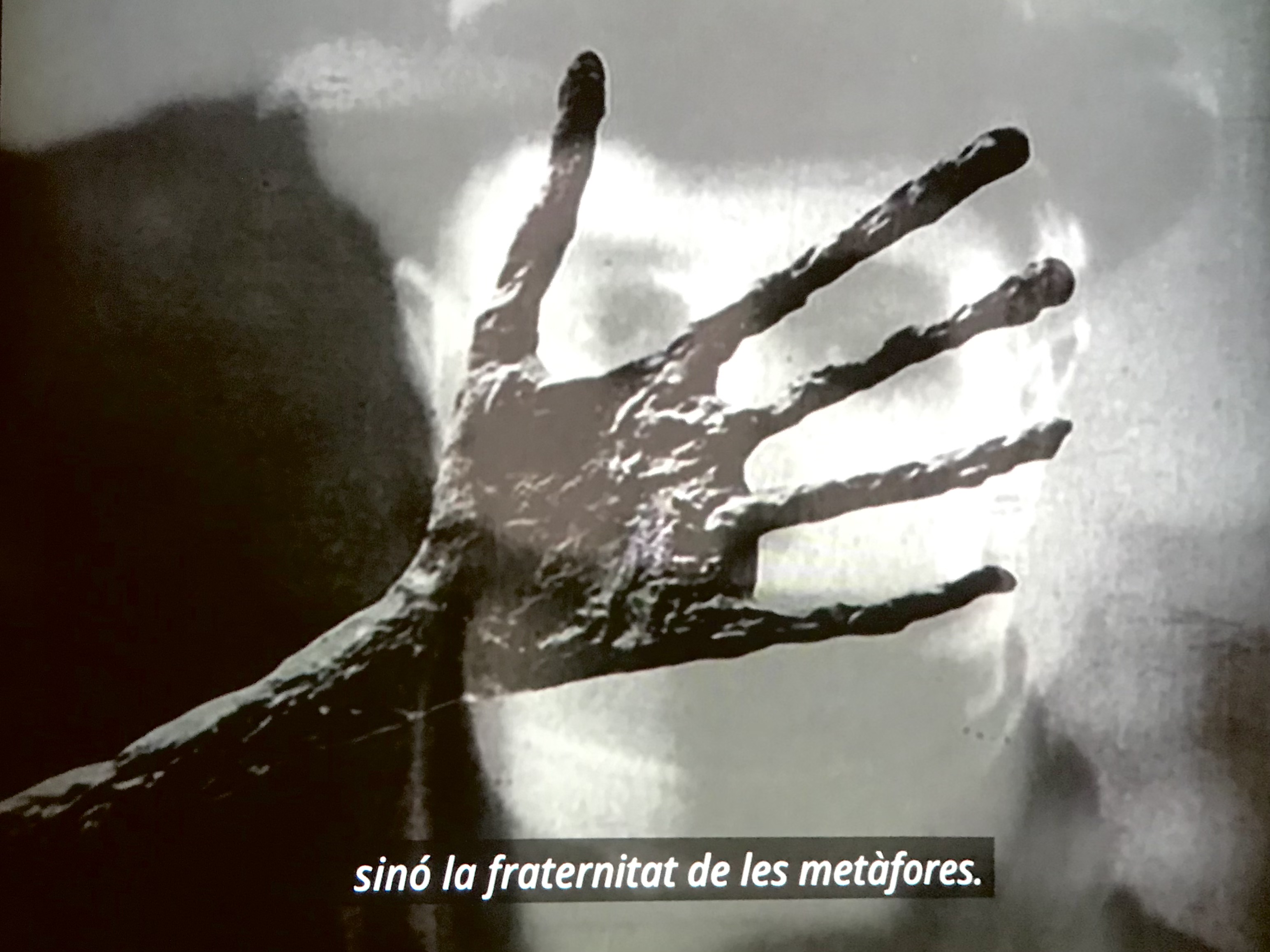
In evoking what it meant for him to see images of the Spanish Civil War projected in a cinema in France, Godard spoke of a “fraternity of metaphors.” Images, he said, have a role as thinking forms. By relating to each other, in their clash and in their dialogue, they can come to rebel against the oppression they carry.
Although, strictly speaking, he never touched a gun, Godard never stopped intervening in the conflicts of his time, often in a controversial way, arming himself with the association of fragments of images and sounds to create a language that served him as one. For him, “a film is a theoretical gun and a gun is a practical film”.
You may be
interested
...