interviews
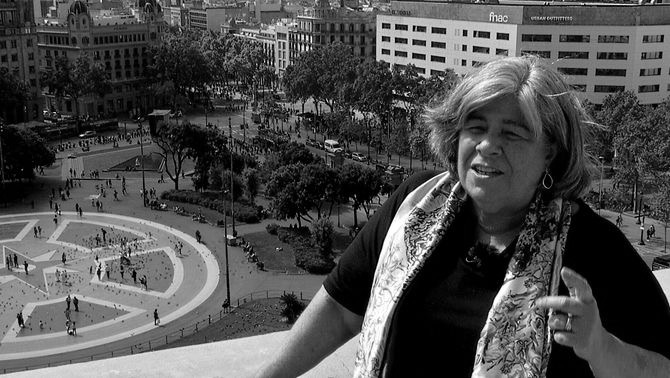
Claudia Elies: “We want Fabra to be a space that breathes and connects with everyone”
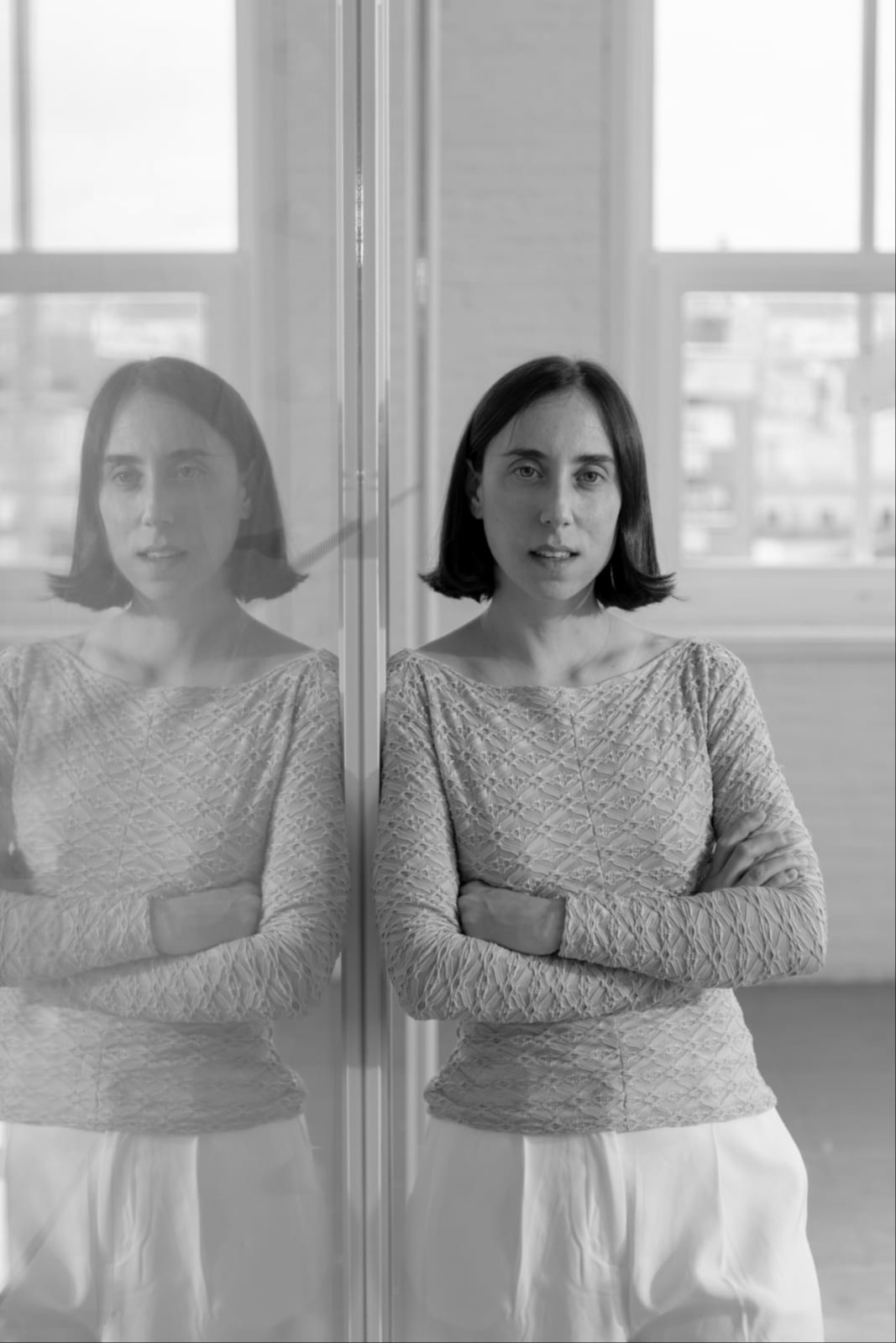
One of Barcelona's major facilities dedicated to contemporary art, La Fabra Centre d'Art Contemporani, began a new era with Claudia Elies as its new director , after she was chosen last April from among the 46 candidates presented in the competition. With her, a period begins that will extend over the coming years. Elies was selected with a program that focuses on visual arts, networking and community ties, both locally, nationally and internationally.
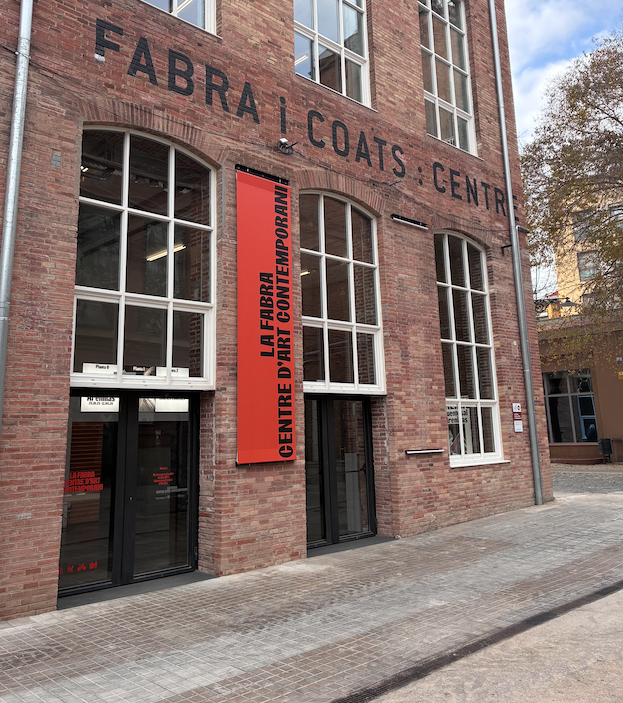
Interview with Claudia Elies
Half a year at the helm of Fabra. How have you experienced this period?
I have experienced this stage with great emotion, as a great opportunity full of possibilities. We are in this space, which was opened in this building two years ago, and which is part of a project with a beautiful history. At the same time, we have worked on the renovation of the image and the programming, building a new proposal that is based on the legacy of the past, which continues to be a fundamental pillar. We do all this with great energy and enthusiasm.
You have spoken of Fabra as a “sounding board.” What does this mean in practical terms?
This metaphor has been with me since the beginning, when I began to imagine this directing competition and to construct its story as if it were a fiction. I see Fabra as a sounding board for two reasons: because of the site itself —where the school, the creation factory and a whole ecosystem in constant activity are located— and because of the broader context, the gallery and institutional network of visual arts in Barcelona. In practice, this means establishing real connections. It is creating an interrelationship that amplifies and connects all the initiatives.
Commitment and trust are central concepts in your work. How are they embodied in your programming?
It is a commitment to artistic practice. Each artist works differently and the art center adapts to them. There are artists who arrive with an exact plan of how they want to place the pieces, while others need to make changes even two weeks before the inauguration. All of this is based on mutual trust: understanding the artistic practice and everything that surrounds it, seeking a constant balance and adjusting to the needs of each project without losing the coherence of the center.
And how does the local fabric link up with such a contemporary center?
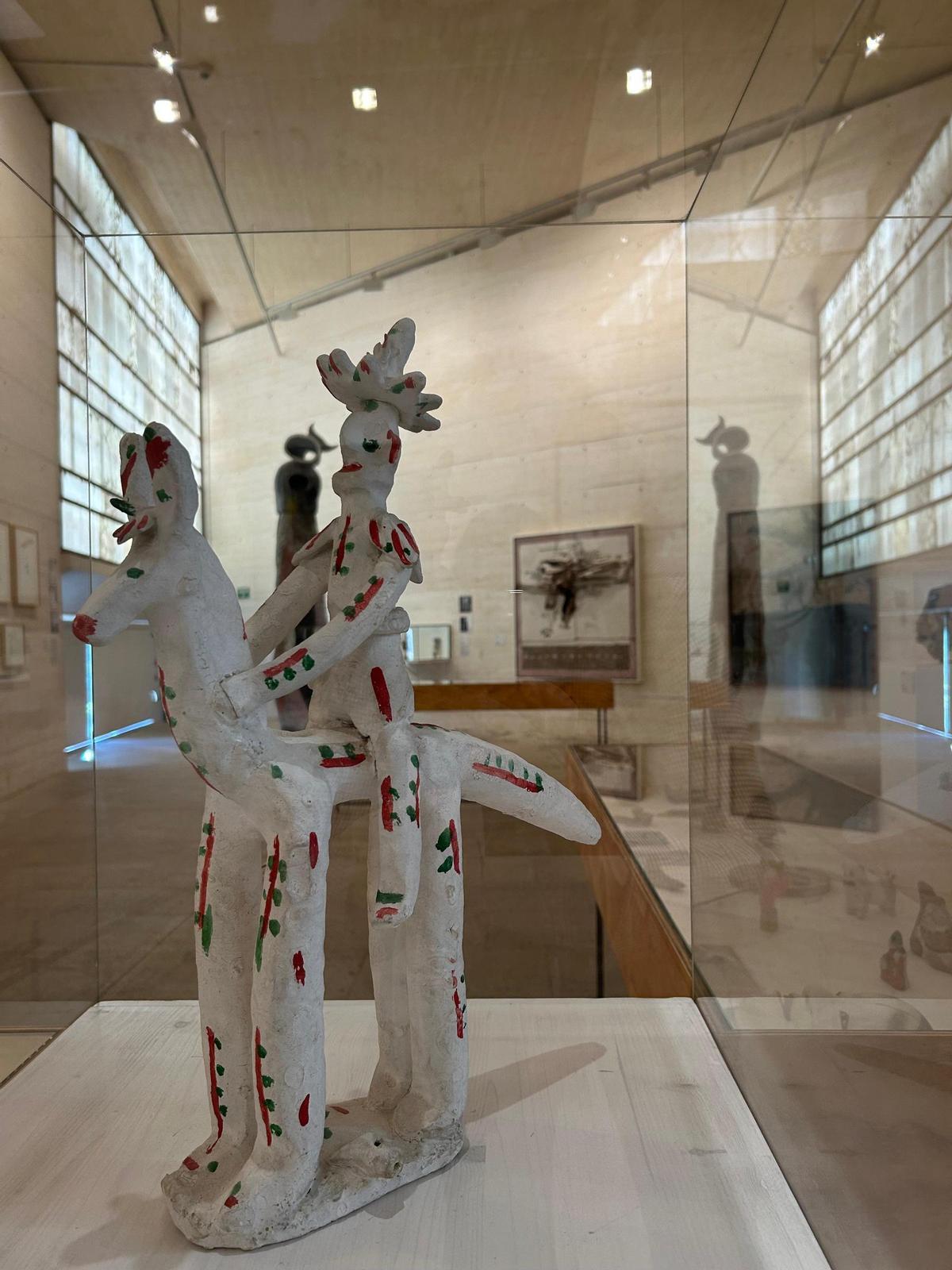
The local fabric is very present. You only have to look out the window to see the Bota space with its big heads and dwarfs, or the Creation Factory, which hosts activities such as the Banc pel Festivalet or the Toy Factory.
Sometimes, it's as simple as knocking on the door and asking, "What do you do and what can we do for you?" Other times we've gone to spaces like the Filadora, the nursery school, or the health center, looking for collaborations and asking what they need. This constant dialogue allows us to establish bonds and strengthen our commitment to the community.
And what interests you about the current LALIRIO project in Fuentesal Arenillas?
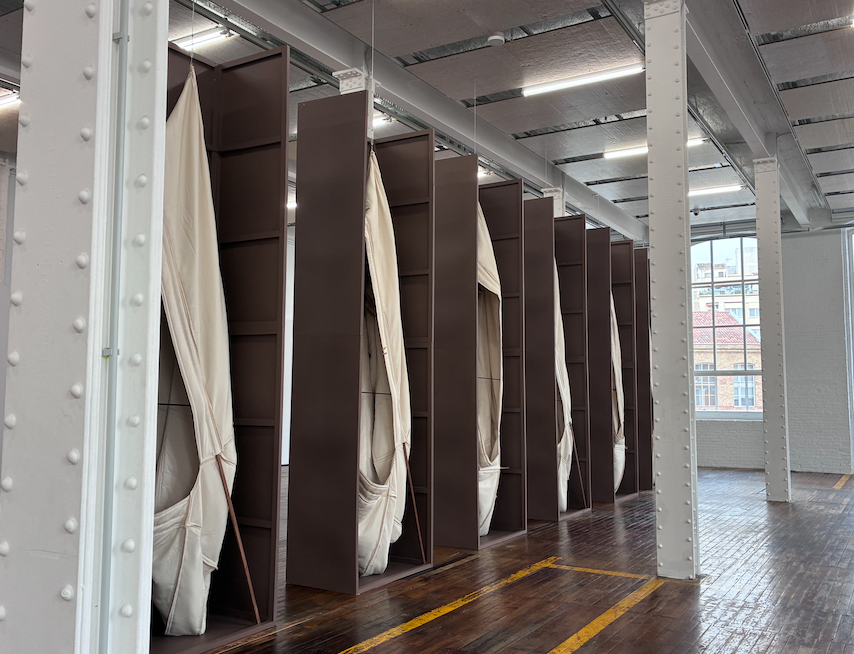
They are artists with a very solid national trajectory who had never been in a public institution in Barcelona. I was particularly fascinated by their unfolding piece , a textile carousel created over a year and a half. It is an apology for bodies and a recognition of dedication, and at the same time generates a poetic echo with the ancient past of spinning mills of the space.
How are exhibition, public and educational programming combined within Fabra?
An essential part of my project is that everything develops simultaneously. Normally, public or educational programming tends to serve the exhibitions, but I wanted to build them in parallel, horizontally, giving the same importance to an exhibition as to a public program.
That's why I started softly: in July, shortly after I joined, we organized a summer school. Then, in September, we launched a performance cycle, which served as an interval between exhibitions and public programming. Thus, the program was built little by little, with a subtle but clear statement of intent.
What is the future of exhibitions?
I want to balance the programming between local, national and international contexts, making them hybridize and move between them. I also seek diversity of practices, ages and formats, showing that the center is for all stages of an artist's career. It is not intended for a specific moment in the professional journey, but offers multiple ways to move through it: exhibitions, experimental or anomalous formats.
Can proximity and international projection coexist?
Yes. For example, in February we are opening an exhibition of four artists from the Middle East, never before present here, curated by Chiara Cartutxa. The show explores the concept of Negative Commons : legacies that are not monuments or triumphal arches, but traces of natural disasters, failed revolutions or past wars. Despite being international artists, their work connects with our immediate context. The key is to communicate it well; if there is tension, it means we need to rethink our way of approaching it.
How are all these genealogies articulated without losing coherence?
Programming must be in constant process. There is immediacy, with projects that need to be planned a year and a half in advance, and empty spaces, which leave room to incorporate projects that appear along the way, often with more experimental formats. It is a balance between empty and full, which allows the programming to breathe and be built in real time.
How do you imagine La Fabra in 3, 4 or 5 years?
I imagine it as a space that everyone has on the map, present from the neighborhood to the city, and that can grow: that the neighborhood feels like it's theirs, that the city connects with the project and that, at a national and international level, it takes its place. We don't seek to be a big art center or have a dimension that doesn't correspond to us, but to understand what the space is that we occupy and balance proximity with global projection. The goal is for everyone to know Fabra and for it to be present on the map of the neighborhood, the city and the country.
You may be
interested
...