Exhibitions
The perpetual movement of the wall: the fifties that redefined Antoni Tàpies
The Tàpies Museum revisits four key exhibitions to understand the consolidation of the artist's material language and his path to international recognition.
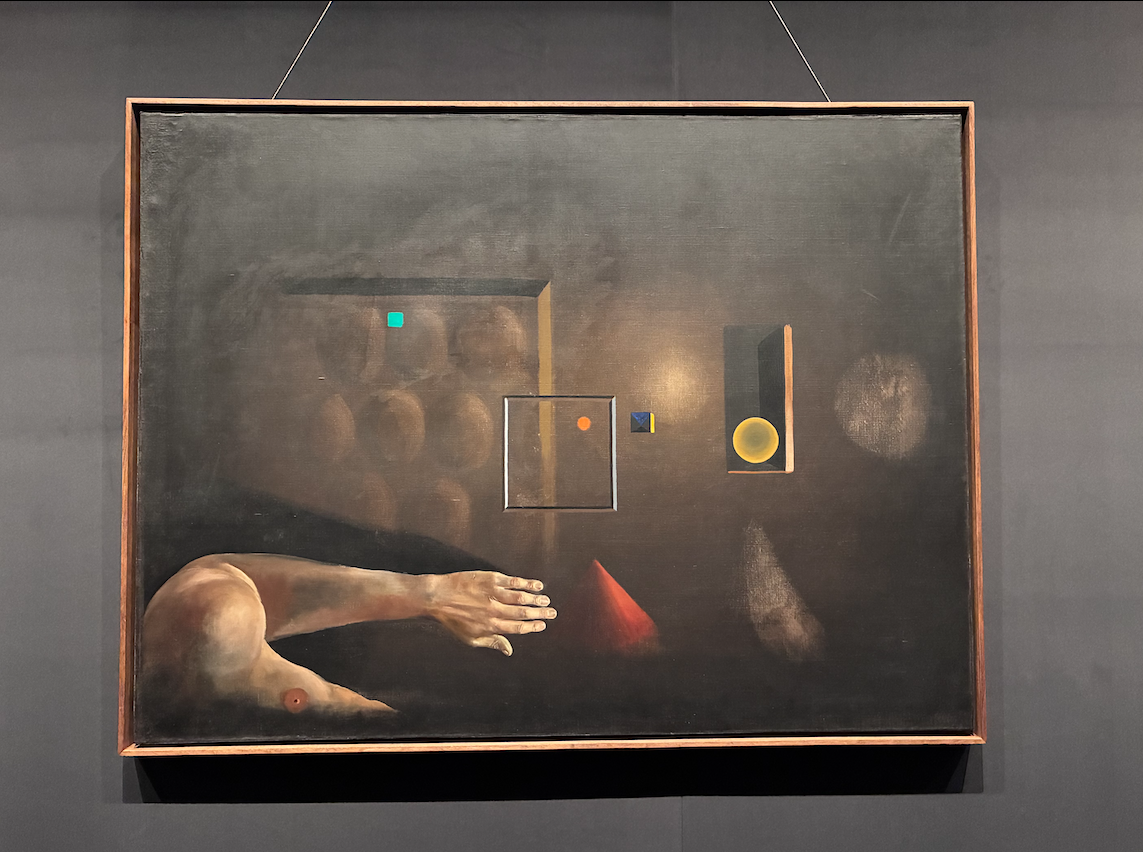
The Tàpies Museum invites visitors to delve into the 1950s with Antoni Tàpies. The perpetual movement of the wall , an exhibition that can be visited until September 6. The proposal recovers a decisive period in the artist's career and revisits it with an in-depth look, based on four key exhibitions that marked a turning point in the consolidation of his language.
Curated by Imma Prieto and Pablo Allepuz, the exhibition does not limit itself to presenting works, but rather reconstructs moments, a specific context, atmospheres and tensions. The tour traces an itinerary that begins in the historic Galeries Layetanas in Barcelona, continues in the Stadler gallery in Paris and culminates in the legendary Sala Gaspar. Through these spaces, the visitor can understand how the wall becomes much more than a formal motif: it is matter, surface, limit and space for thought. In the fifties, the wall becomes the backbone of a work that transforms painting into a territory of physical and conceptual experimentation.
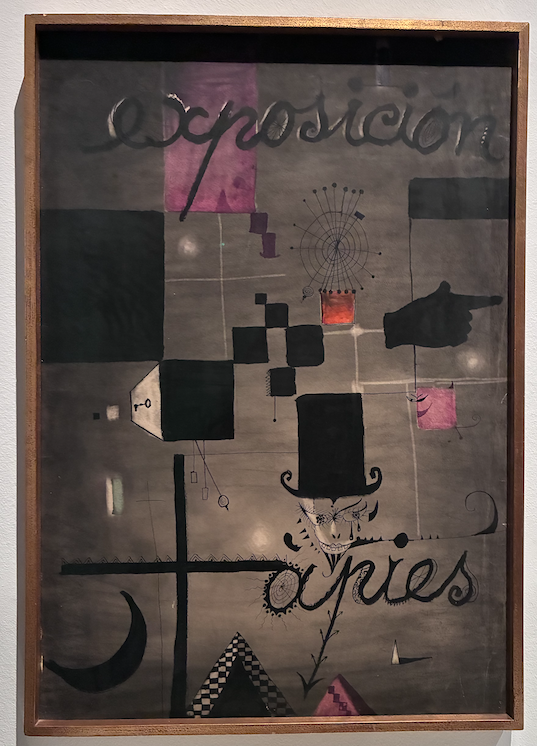
This temporary exhibition continues the research begun with Antoni Tàpies. The imagination of the world , but takes a further step by focusing on the wall as an indispensable element in his production. For Tàpies, the wall connects with deep reflections on gesture, time and the concept of movement, understood as a constant tension between matter and spirit. Materiality acquires a resounding presence: sands, pigments, textures and incisions build surfaces that directly appeal to the viewer's perception. Painting ceases to be a window to become a body.
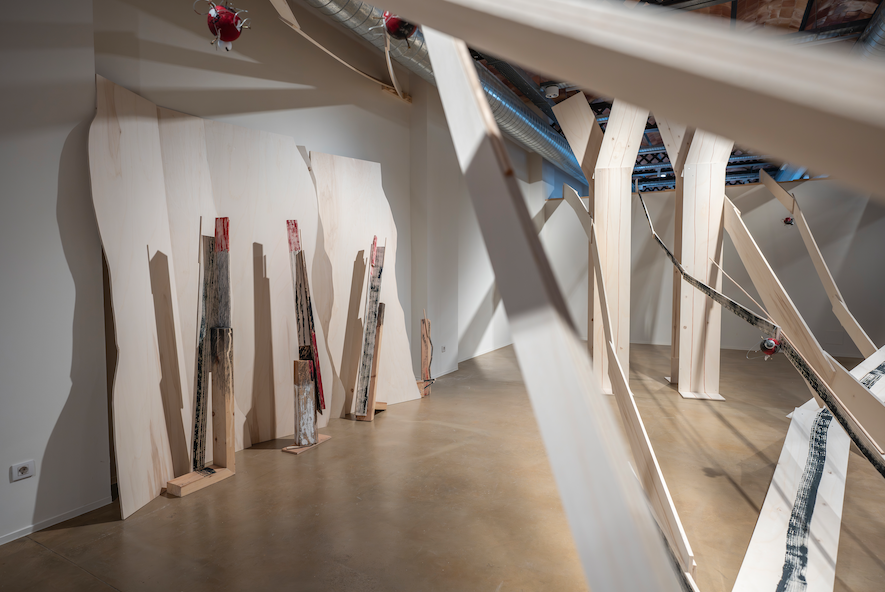
The exhibition also recreates the way these works were presented in the three original exhibition spaces, establishing a significant triangle between studio, street and art gallery. This link allows us to understand how Tàpies' work dialogued with the urban and social environment, and how its emergence did not occur in a vacuum, but in a very specific cultural and political context.
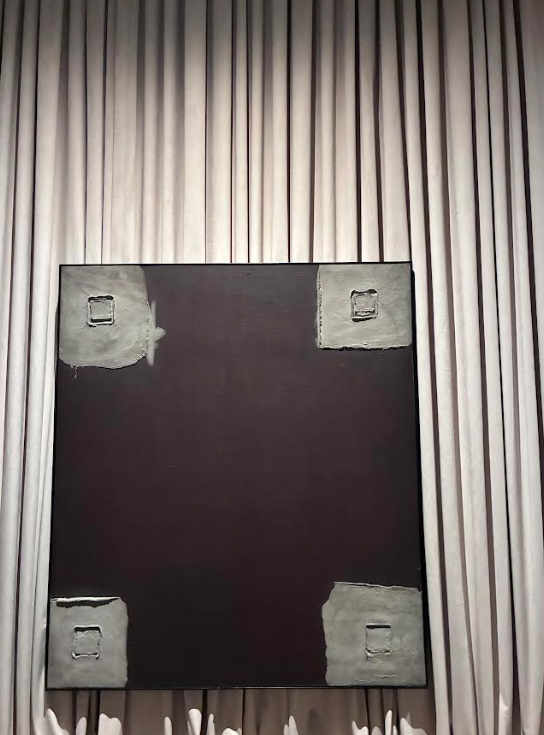
In this sense, the exhibition also raises an inevitable question: how did the spectator of the 1950s look at art? And how did he react to Tàpies' works? The reception was neither homogeneous nor free from controversy. In the first exhibition, in 1950, only Samaranch acquired a work, a fact that shows the difficulty of fitting that radical proposal into the market and the taste of the moment. In the second, the coexistence with the R Group placed the work in a framework of architectural and artistic renovation that expanded their dialogues. And in the Gaspar Room, the purchase of three works by the City Council transcended the strictly artistic sphere to become a social event of the first order. From that episode, two pieces — Quatre quadrats grisos sobre fons marrò and Pintura ocre — are exhibited today at the Tàpies Museum, converted into material witnesses of a moment of public debate on the value and meaning of contemporary art.
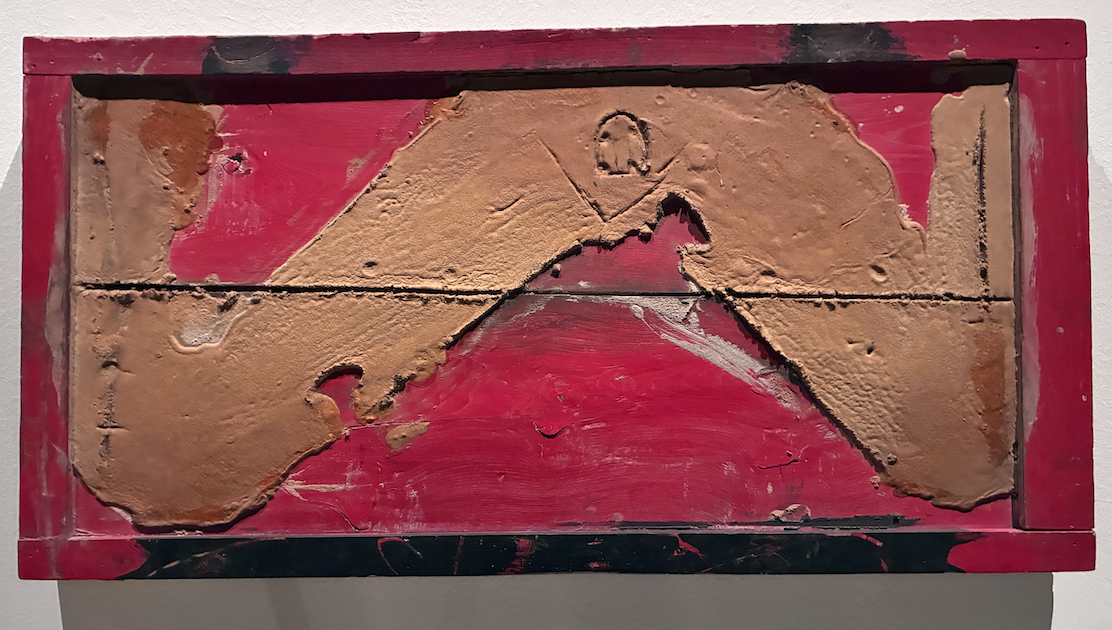
The decade of the fifties revisited by the Tàpies Museum is essential to understanding the artist's subsequent evolution. It is during these years that his way of creating is consolidated and his own language is defined, both in the strictly artistic sphere and in the very conception of the exhibition space. Far from being a period of transition, these years constitute the foundation on which Tàpies will build a work that will reach full maturity and broad international recognition.
The exhibition brings together more than fifty works, accompanied by diverse documentation, from public and private collections. This set allows for a precise reconstruction of the creative and institutional context that surrounded those first exhibitions, and offers a complete vision of a decisive moment that would mark the definitive course of his career.
You may be
interested
...