Exhibitions
When the darkness lights up with Paolo Maggis at the Sergi Sánchez Gallery
DARK AS THE LIGHT, a pictorial immersion in the limits of the body, memory and perception, opens the new gallery space on Aribau Street in Barcelona.
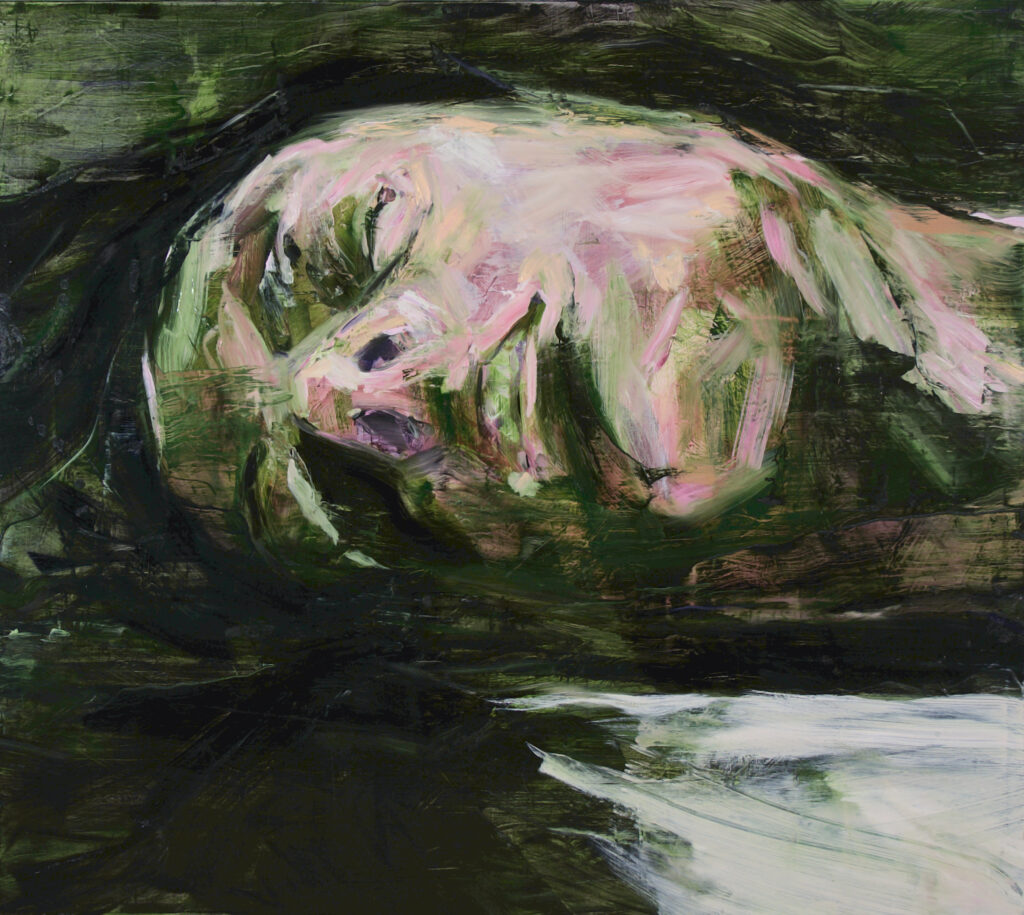
The Sergi Sánchez Gallery begins a new stage with the inauguration of its new headquarters at Aribau Street 76-78 in Barcelona, a space born with a desire for risk, openness and research. It does so with Oscur com la llum ( Dark as light ), an exhibition by the painter Paolo Maggis, an artist of Italian origin and Catalan by adoption, which becomes the poetic and conceptual manifesto of this new cycle.
New year, new space, new story. After celebrating its second anniversary, the gallery — until now mainly focused on African art and established artists — is projecting itself towards emerging contemporary art, without renouncing discursive solidity. Sergi Sánchez, also founder of the historic Galeria Metropolitana de Barcelona together with Pere Soldevila, thus consolidates a curatorial line with voices such as Vanessa Pey, Carlas Mercader, Xavi Deu, Javier Garcés and Paolo Maggis himself, protagonist of an exhibition that marks the beginning of an intense, visceral and deeply reflective program.
Dark as light
The title of the exhibition emerged, as the artist explains, “in a state of semi-unconsciousness.” And it couldn't be any other way: Dark as Light is an immersion in a liminal territory, where painting does not represent reality but rather displaces it towards an inner geography, with psychoanalytic and dreamy resonances.
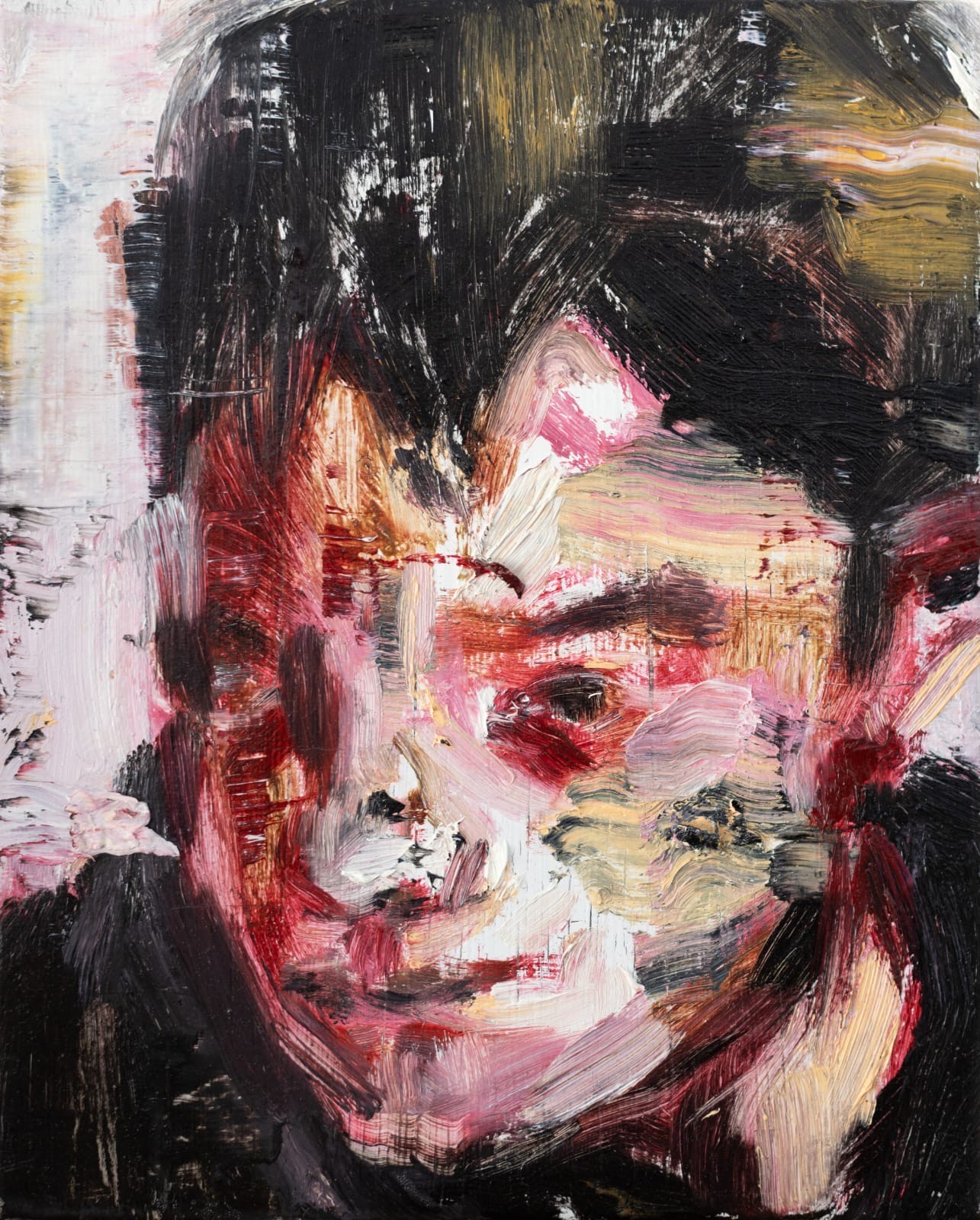
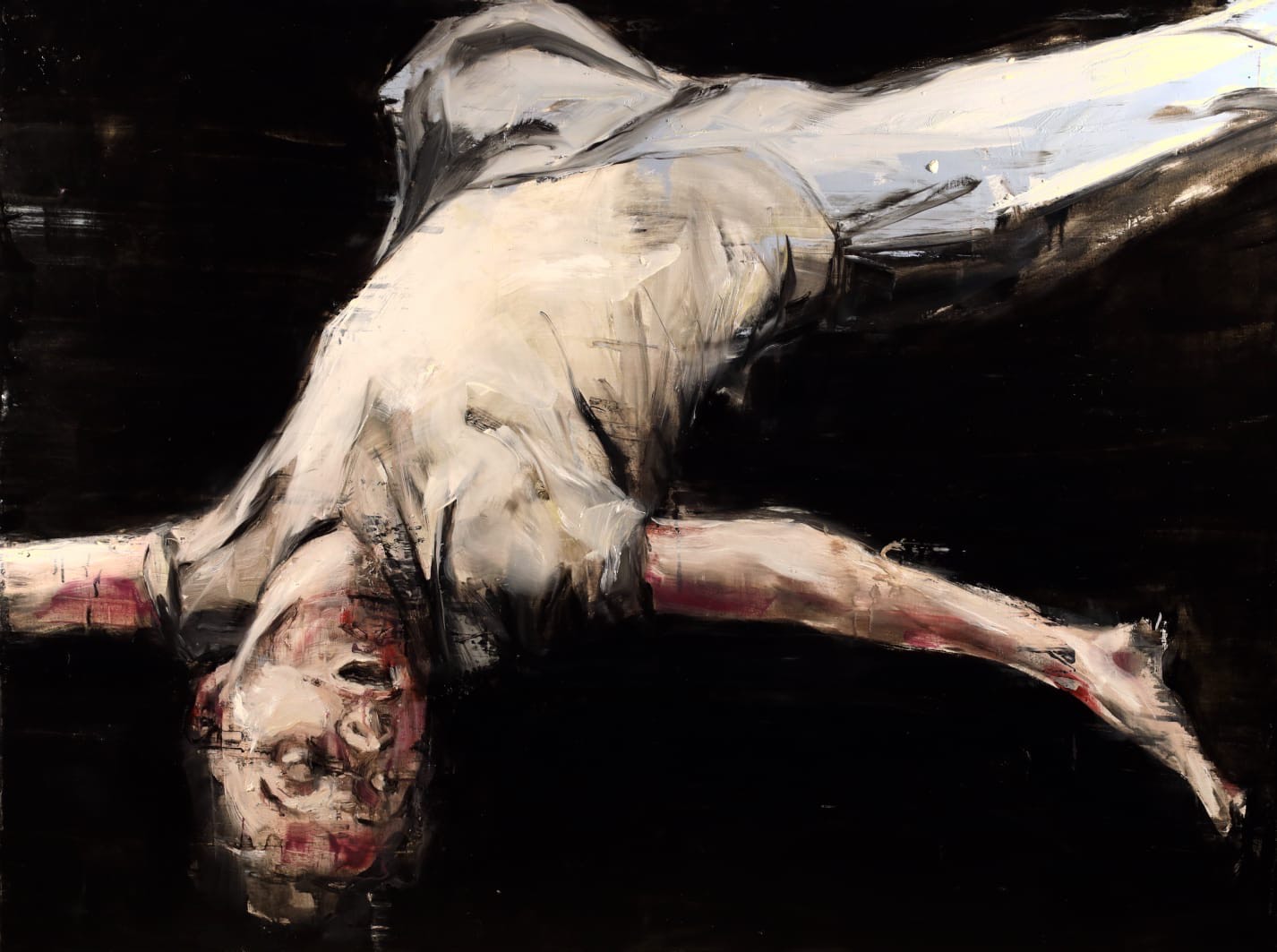
The works, created throughout 2025, mostly start from dark, dense and enveloping backgrounds, from which emerge fragile, spectral figures, suspended in an atmosphere of poetic disorientation. Darkness is not absence here, but living matter: an amniotic fluid, a cosmic womb where time stops and the body regenerates. It is not negation or death, but origin.
“It is a darkness that, like light, burns the limits and profiles of forms,” says Maggis.
An inverse light that does not illuminate, but rather reveals.
This darkness speaks of the contemporary human being, caught in a frenetic, superficial and hypervisual rhythm, who needs a break —even if it is brief— to find himself again. There is no gratuitous abstraction, but a deep reflection on the identity, loneliness, desire and fear that permeate everyday life.
Painting like breathing
Maggis' works stand out for their almost physical aesthetic and emotional intensity. The painting is constructed from precise yet nervous glazes and layerings, with electric brushstrokes that transmit vibrations of the body and space. The result often evokes moving images, like frames from an analog cinema, eroded by time and memory.
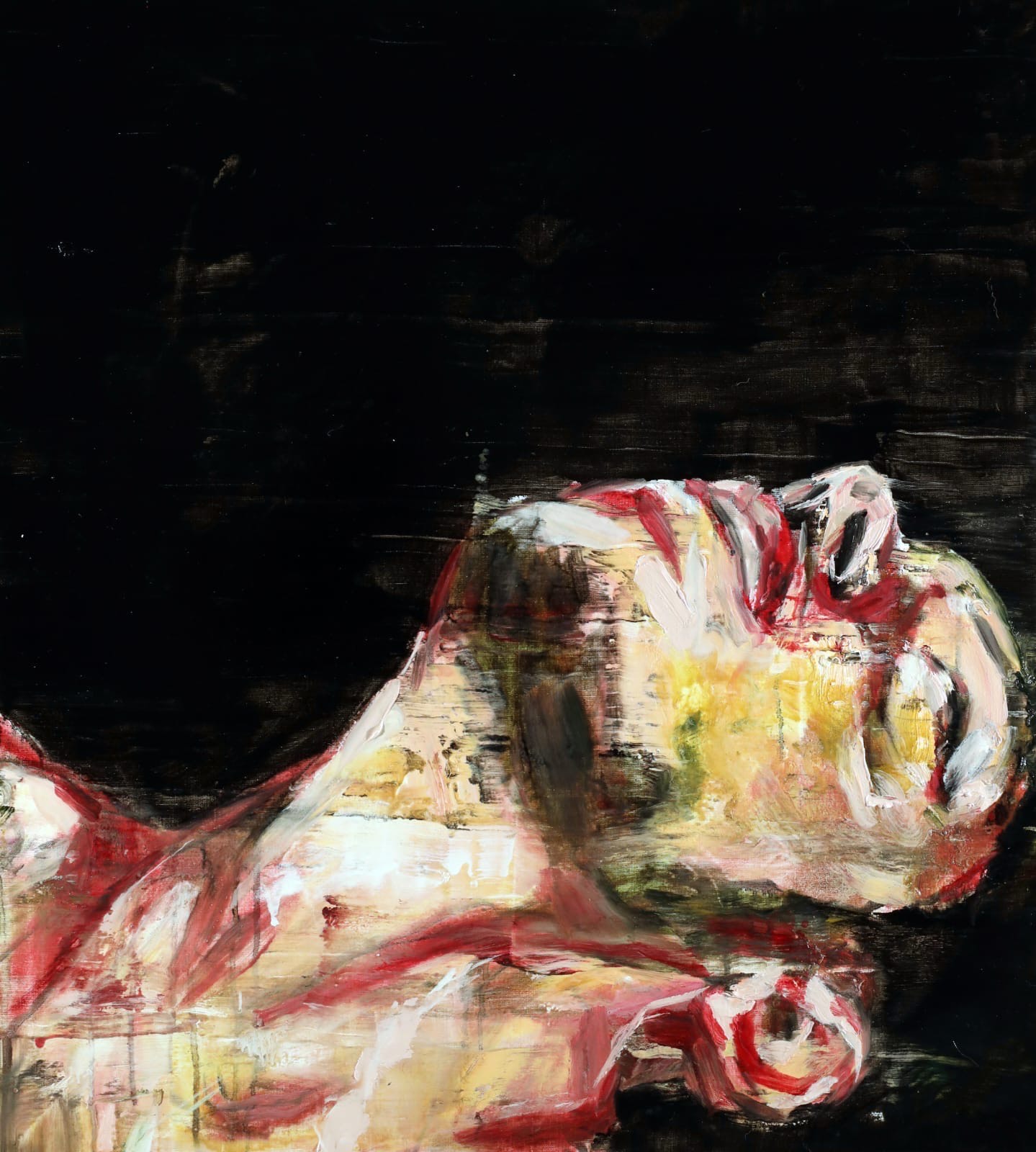
The pictorial surface, shaken by abrupt gestures, becomes itself a subject. The viewer is caught in a constant tension: does the painting serve the figure, or is it the figure that serves the painting? Perhaps both form a single body, where the interior and the exterior dialogue—or struggle—without ceasing.
Maggis introduces fractures, interferences and distortions that privilege the sublime over the beautiful. A wounded beauty, pierced by pain, tragedy or fragility, which strikes precisely because it does not seek to please.
Beyond realism
Although working primarily in oil, Maggis incorporates acrylics, sprays and enamels, playing with contrasts between dense and liquid materials. His images come from the real world, from recognizable faces, looks and scenes, but they deliberately avoid cold and dehumanized hyperrealism.
His painting is part of a subtle line of contemporary European painting that challenges the limits of conventional perception, proposing multiple layers of reading. He does not paint with live models: he paints with internalized images, with visual memories that become autonomous stories.
Each work is an independent story, but all together they form a collective heart: they speak of the pleasure and debauchery that hide the vertigo of emptiness, of the calm that precedes a liberating decision, of the daily uncertainty that passes through us without asking permission.
You may be
interested
...