Exhibitions
Bodies that speak: more than a century of female creation in comics
From the republican press to digital culture, the Ripollet exhibition shows how women have made the body their voice and tool of empowerment.

From January 10 to March 24, 2026, the Molí d'en Rata Heritage Interpretation Center hosts the exhibition Bodies that Talk. Representations of the Body in Comic Book Authors. 1910-2022. Facsimile edition, an exceptional journey that covers more than a century of female graphic creation. The exhibition invites visitors to explore how women's bodies have been used as a narrative tool, vehicle of expression and space for protest within the universe of comics, from the first experiments of the early 20th century to the most poignant and contemporary voices. The Molí d'en Rata in Ripollet is thus transformed into a space where art, history and popular culture dialogue with the public through the visual language of the authors who have made the body their voice and their narrative.
Curated by Marika Vila, a specialist in gender studies applied to comics, the exhibition brings together works by almost forty authors who reflect on how the female body has been the object of control, stereotypes and commercial use, while also claiming their freedom of expression and empowerment.
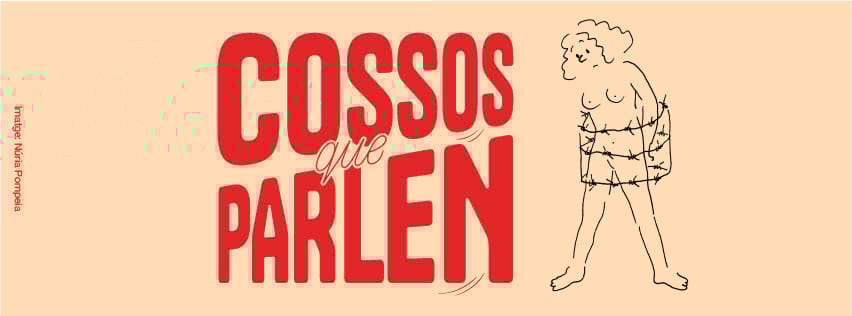
The chronological itinerary covers the timid presence of women in the republican press and Noucentisme with authors such as Lola Anglada and Laura Albéniz, who begin to occupy a space in a mostly male world, until the years of submission and false freedom protected during the Dictatorship, where fashion and visual codes become subtle tools of resistance and expression with figures such as Maria Pascual and Pepita Pardell. Moving forward in time, the exhibition addresses the feminist transgression of the 80s and 90s, with Núria Pompeia, Montse Clavé and Isa Feu, who use humor and criticism to question gender roles and break stereotypes, and continues with the turn of the erotic gaze, represented by Mariel Soria, Ana Miralles and Marika Vila herself, which explores a plural and free female representation, turning established normative discourses upside down.
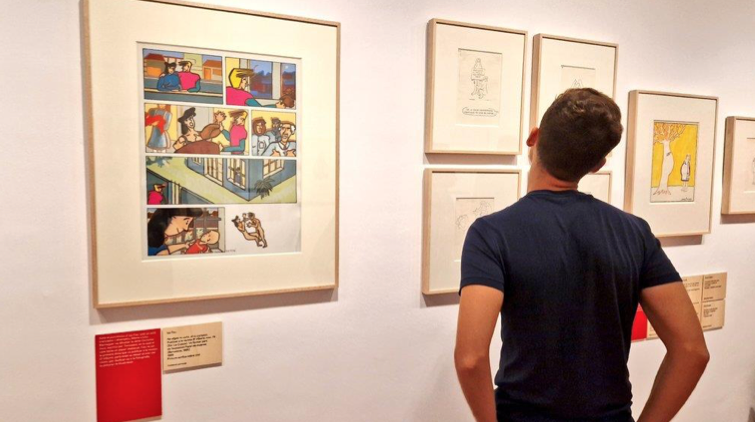
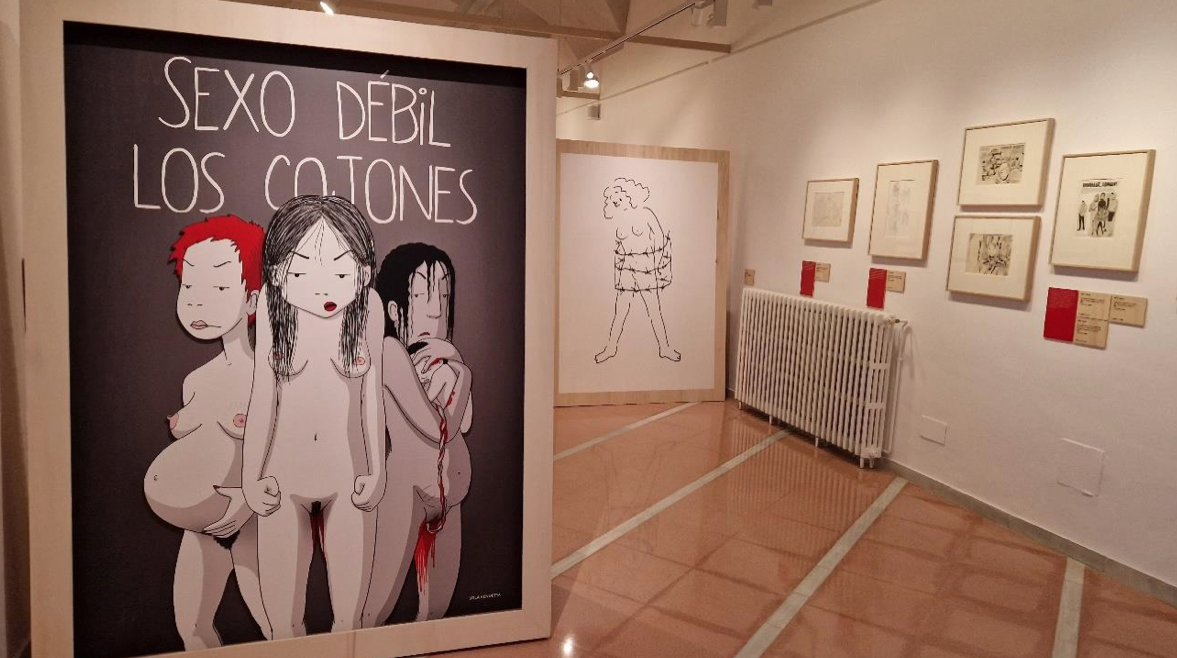
Already in the new millennium, the exhibition shows the empowerment of plural bodies with authors such as Raquel Gu and Ana Penyas, where graphic novels, manga and social networks open up new possibilities of expression, and culminates with the emerging voices of digital culture, with creators such as Flavita Banana, Bárbara Alca and Sandra Uve, who focus on diversity and plurality through new technologies, closing the discourse in the form of "It will continue" and leaving the door open to new narratives of the female body in comics.
Thus, Bodies That Speak becomes a journey through more than a hundred years of graphic creation that combines history, art and advocacy, which allows us to see how women have been building their voice in a medium that until now was marked by the limitations imposed by gender.

You may be
interested
...