News
Antoni Miralda, Honeymoon and the infinite ritual where art becomes a collective celebration
A project deployed over six years and more than twenty cities that turned an imaginary marriage between two monuments into a collective, borderless artistic experience.
Catalan artist Antoni Miralda is as itinerant as he is prolific. Known primarily for his large-scale events—collective rituals, parades, celebrations, and parties—his work is born from a tireless enthusiasm for collaboration and takes on multiple and changing forms. His career began with participatory exhibitions and public actions organized in Paris in the mid-to-late 1960s, in a context of political unrest, social experimentation, and a revision of the boundaries of art.
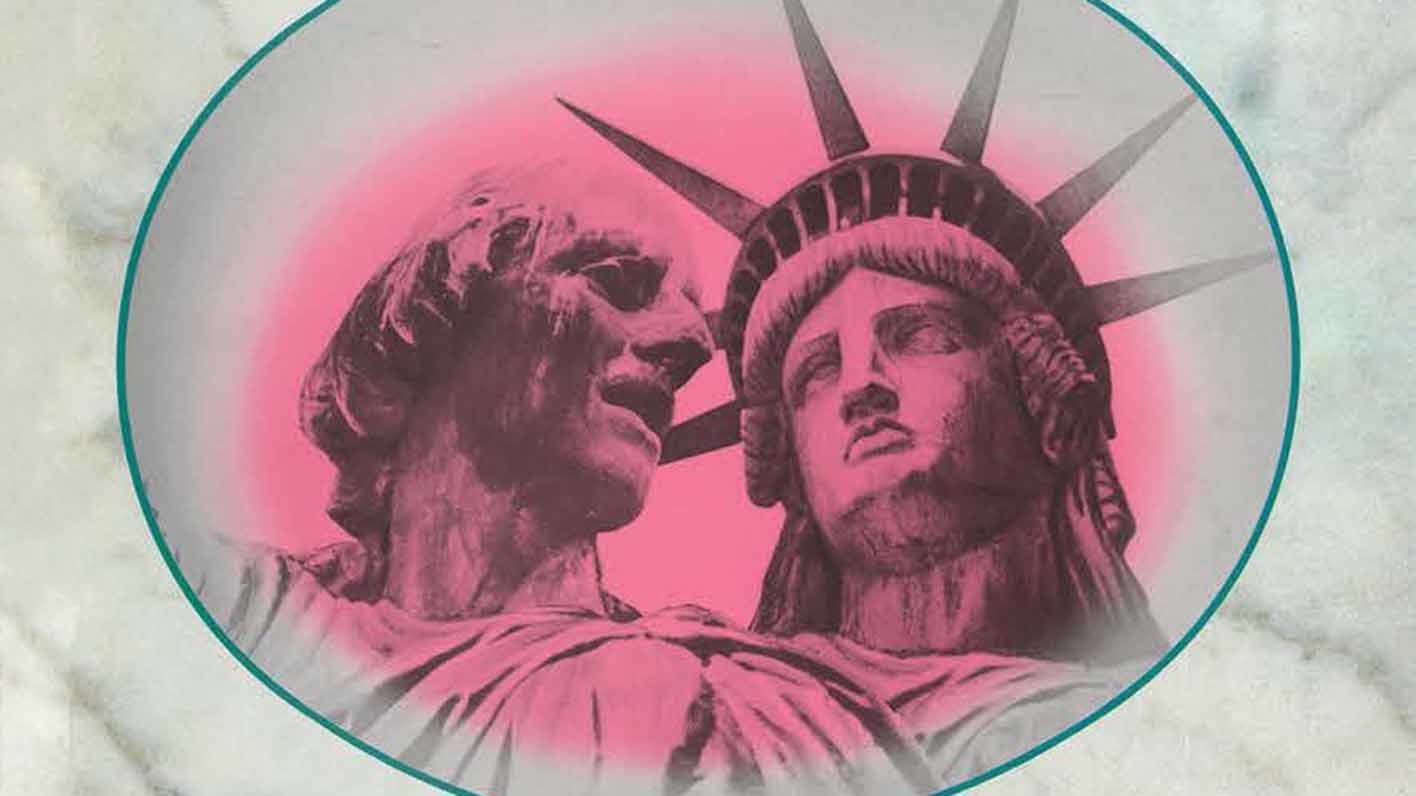
Forty years ago, Antoni Miralda launched a project that completely transcended the traditional categories of art. Honeymoon Project was neither a conventional exhibition, nor a one-off performance, nor a work closed in time, but a long, expansive and deeply symbolic process. Developed over six years —from 1986 to 1992— and carried out in more than twenty cities around the world, the project consisted of a series of ceremonial actions that celebrated an imaginary marriage between two emblematic monuments located on either side of the Atlantic: the statue of Christopher Columbus in the port of Barcelona and the Statue of Liberty in Manhattan, New York.
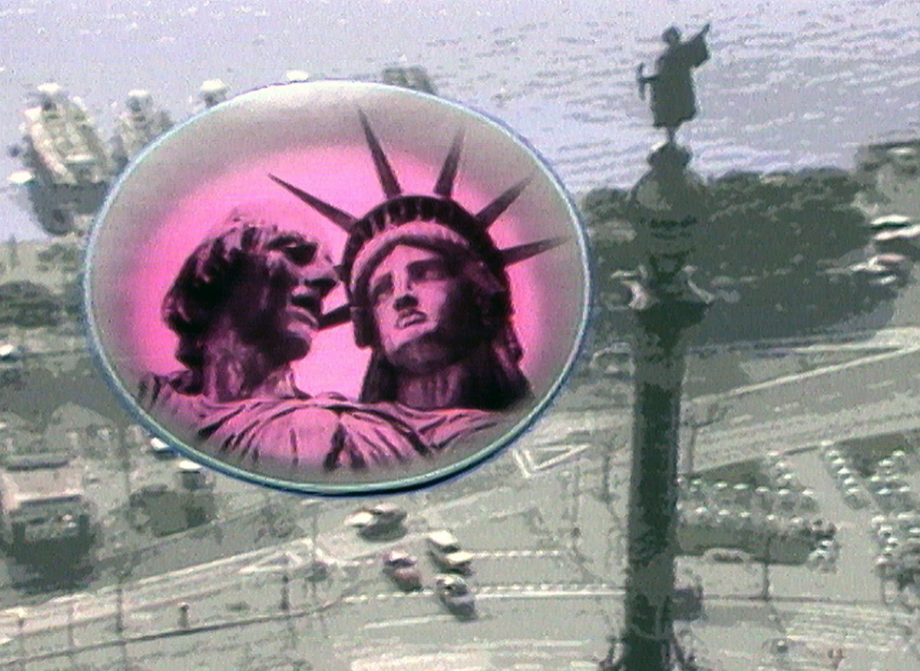
Located on the same parallel and of similar age, these two monuments became, in Miralda's hands, symbols of a historical exchange of products, ideas, beliefs and traditions that, since 1492, has united — and also strained — the Old and New Worlds. The Honeymoon project was articulated through more than forty public actions linked to the different moments of the mating ritual: the courtship, the engagement, the ceremony, the honeymoon. Thousands of people actively participated, turning the work into a collective, open and constantly transforming experience.
The proposal started from an image that was as poetic as it was provocative: a fictional romance that culminated in the symbolic wedding between two monuments loaded with history, power and ideology. By turning them into protagonists of a love story, Miralda stripped them of their usual solemnity and transformed them into living characters, capable of relating, moving and mingling with people. This irreverent gesture not only humanized the statues, but also invited a critical rethinking of the official narratives, the founding myths and the power relations that these monuments represent.
Honeymoon Project thus became a celebration, but also a parody, a critique and an invitation to intercultural dialogue. A project that, like much of Miralda's work, dissolves the boundaries between art and life, between party and politics, between ritual and citizen participation.
You may be
interested
...