Exhibitions
Lucas Museum: a museum built from the power of stories
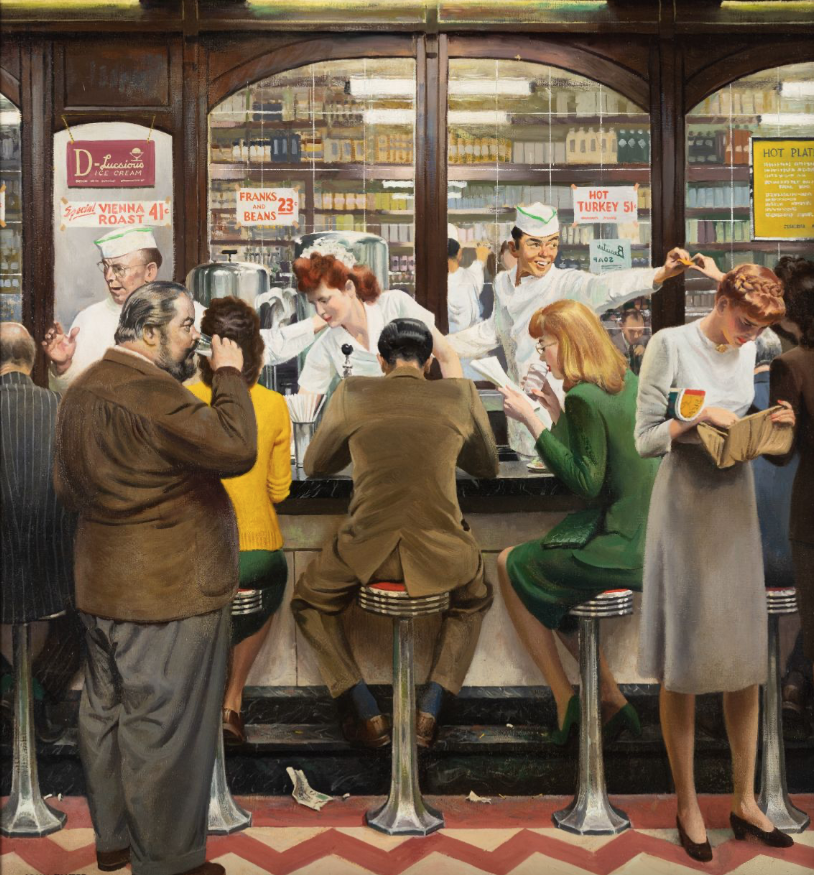
The Lucas Museum of Narrative Art in Los Angeles, which has recently opened its doors, offers a unique approach to the history of art through a fundamental idea: the power of images to tell stories. This philosophy, which constitutes the conceptual axis of the institution, finds one of its most significant expressions in A Museum Made of Stories, a journey through the collection gathered and fostered by its founders, George Lucas and Mellody Hobson, reflecting their intention to place visual narrative at the center of the artistic experience.
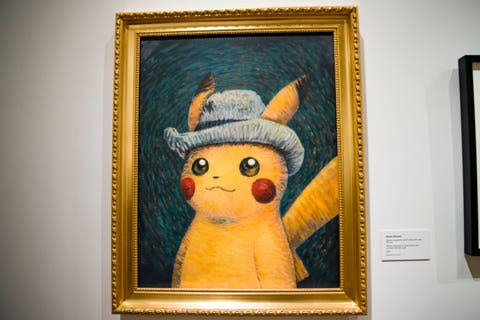
Work by Naoyo Kimura.
George Lucas's passion for collecting began during his university years, when he acquired his first work: an illustration of Alley Oop, the famous comic character, a time-traveling caveman. That first encounter with illustration marked the beginning of a collecting career that, together with Mellody Hobson, has resulted in an extraordinarily diverse ensemble. The collection is organized around different visual traditions and artistic languages, from editorial illustration and comics to modern painting, contemporary art, and muralism.
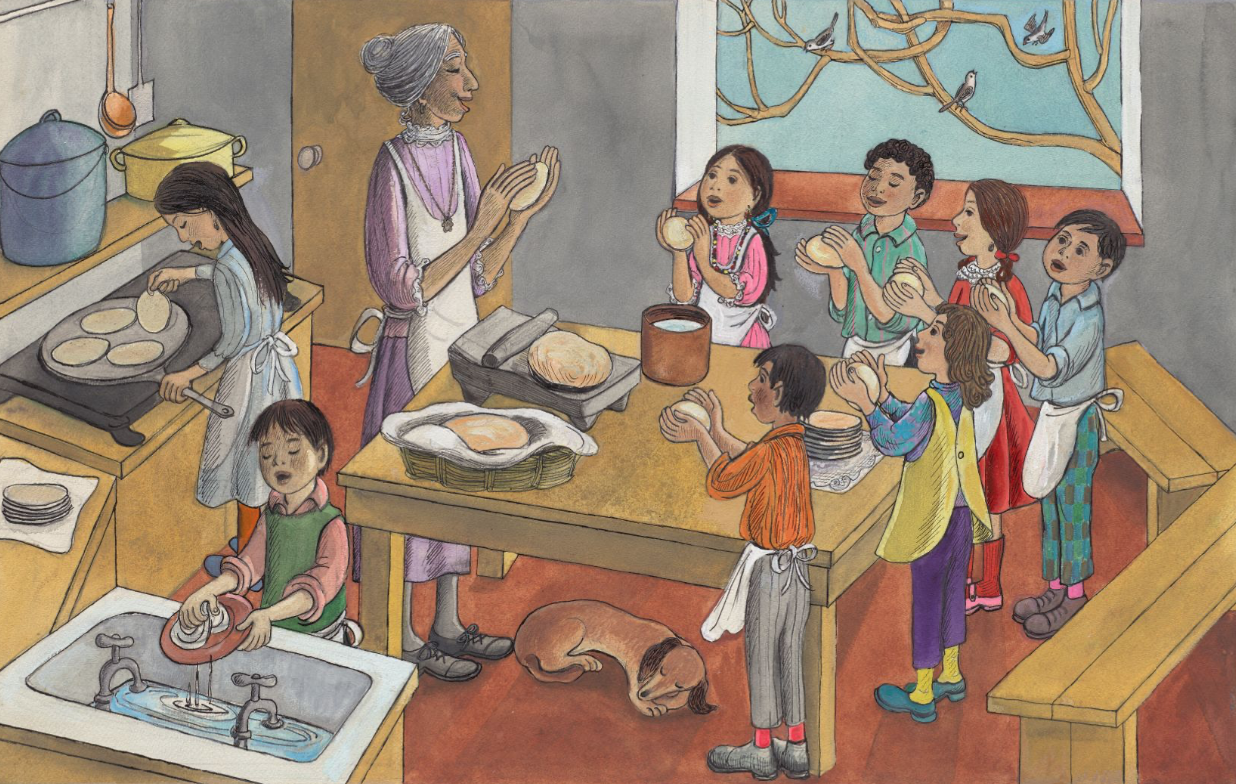
Leo Politi, Three Stalks of Corn, 1978.
Among its main references are historic illustrators such as Norman Rockwell, Jessie Willcox Smith, Maxfield Parrish, and N. C. Wyeth, whose works helped define the visual imagination of different generations. Alongside them, the universe of comics holds a prominent place with key creators like Winsor McCay, Frank Frazetta, George Herriman, Jack Kirby, and Robert Crumb. Their contributions highlight the importance of graphic storytelling in the construction of popular culture and its capacity to develop unique visual languages, capable of combining imagination, social critique, and formal experimentation.
The journey expands toward modern and contemporary art with essential names such as Frida Kahlo, Jacob Lawrence, Charles White, and Robert Colescott. Their works introduce other dimensions of visual storytelling, linked to identity, memory, individual experience, and social transformations. The presence of muralism also acquires special relevance, represented by artists like Judith F. Baca and Diego Rivera, whose interventions have turned the public image into an instrument of collective expression, historical reflection, and cultural assertion.
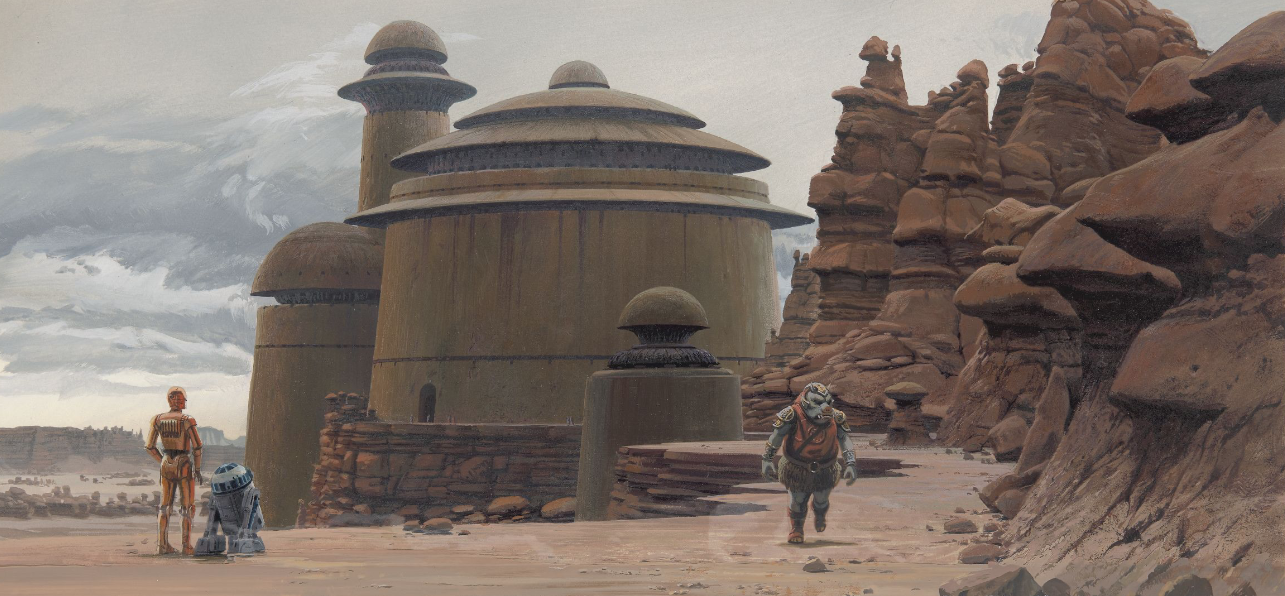
Ralph McQuarrie, C-3PO and R2-D2 Outside of Jabba's Palace, production art for Star Wars: Episode VI: Return of the Jedi , C-3PO and R2-D2 Arrive at Jabba's Palace, p, c. 1981.
This diversity is not solely driven by a desire to gather great names from various disciplines. The collection proposes a cross-sectional reading of artistic creation, in which illustration, comics, painting, and muralism share their capacity to build narratives and convey experiences. Thus, the museum expands the traditional notion of art history, incorporating visual expressions that for a long time occupied peripheral positions within institutional discourses but have had a decisive influence on contemporary culture.
To this artistic dimension is added an important documentary and cinematic heritage. The Lucas Museum preserves extensive film archives, including the entirety of the Lucas Archives (1971-2012), consisting of original materials from Lucasfilm that George Lucas retained ownership of after selling the company. This collection offers insight into the creative, technical, and narrative processes behind the filmmaker’s cinematic production and strengthens the museum’s vocation to approach the image from multiple perspectives and media.
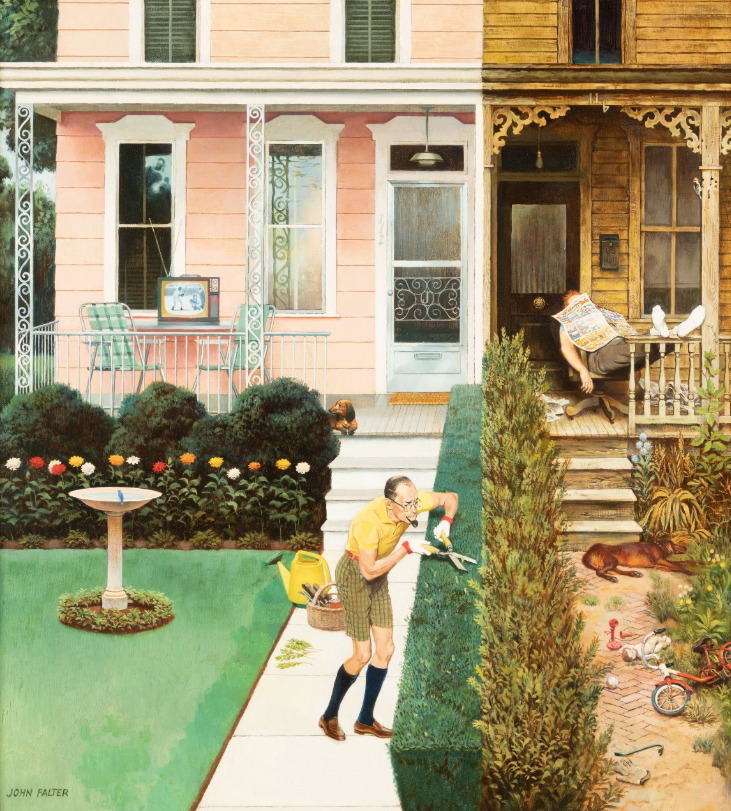
John Philip Falter, Tidy and Sloppy Neighbors, 1961.
You may be
interested
...