Exhibitions
The Intimacy of Josep Maria Subirachs: the Maricel Museum Unveils the Sculptor’s Private Collection
The exhibition ‘Inhabiting Art’, open in Sitges until March 14, 2027, brings together works by Tàpies, Moore, Guinovart, and Ponç that were part of the artist’s daily life and friendships.
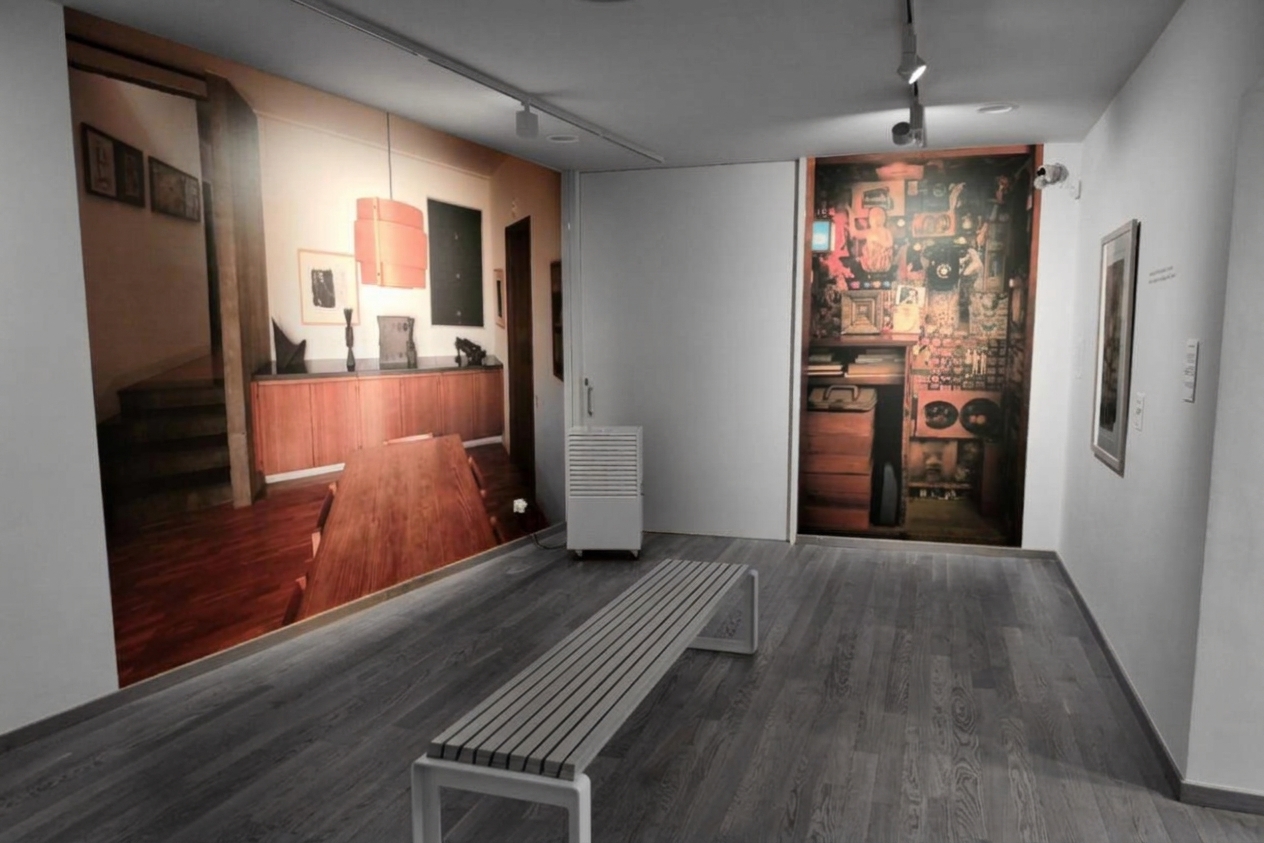
Beyond the monumental creator and the great public sculptures, there is an intimate Josep Maria Subirachs (Barcelona, 1927-2014), passionate about the creation of others and weaver of an intense network of cultural affections. This is the face revealed by Habitar l’art. La Col·lecció Subirachs, the new proposal that the Sitges Museums inaugurate this Friday, November 20, at the Exhibition Hall of the Maricel Museum, and which can be visited until March 14, 2027.
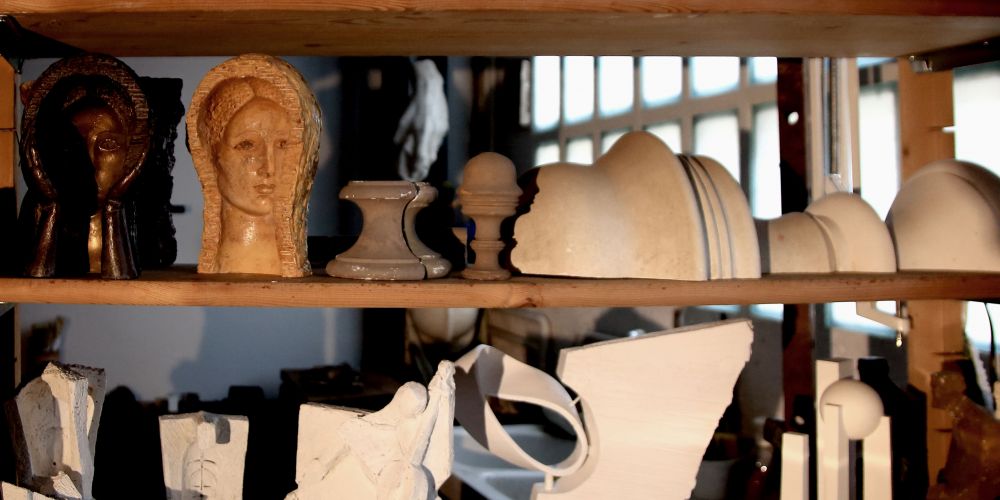
Produced by the Sitges Heritage Consortium and curated by Susanna Portell and Ignasi Domènech, the exhibition offers a new look at the Barcelona sculptor through the heritage he accumulated throughout his life. Far from responding to a purely investment or academic desire, the Subirachs collection was born of admiration and coexistence: most pieces came into his hands as a result of exchanges or gifts from friends, teachers, and peers of his generation.
Friendship as a driving force in collecting
For the artist born in Poblenou, art was inseparable from human dialogue. From his youth, bonds with other creators were the breeding ground for his own artistic language. From those early years of inquietude and shared readings with names like Ricard Creus, Mercè Vallverdú, Esther Boix, Francesc Torres Monsó, or Josep Martí-Sabé came the Postectura Group (1950), a short-lived collective—with a single exhibition at the Galeries Laietanes—but decisive in shaking the postwar academicism.
The exhibition route allows tracing these vital complicities through a cast of great names in 19th and 20th-century art, including Henry Moore, Luc Peire, Antoni Tàpies, Joan Ponç, Josep Guinovart, Joan Hernández Pijuan, Albert Ràfols-Casamada, or Maria Girona. Alongside these masters, direct witnesses of his closest circles shine, such as the Portrait of Josep Maria Subirachs (1953) signed by Esther Boix, the Self-portrait (1948) by Mercè Vallverdú, or the Harlequin (1950) by Emília Xargay, an artistic and cinephile research companion.
Living with the works: from the family home to the Sagrada Família
The title of the exhibition is no coincidence. In Subirachs’s home—an authentic meeting point for artists, writers, and architects—the works were not displayed in solemn vitrines but coexisted mingled among books, furniture, and everyday objects, forming part of the daily experience of the whole family.
This vital need to have art close accompanied him even in the most demanding moments of his career. The exhibition devotes a special chapter to the year 1987, when the sculptor moved into a tiny space of just 37 square meters inside the basilica of the Sagrada Família to execute the Passion façade. Despite the smallness of the space, Subirachs did not give up the company of his most beloved pieces and dressed that refuge with a collage by Olga Sacharoff, a portrait of Picasso made by Ismael Smith, an engraving by Piranesi, 18th-century Catalan ceramics, and small sculptures of his own. A faithful reflection of a way of understanding culture that, as the Maricel Museum now claims, transcended museum walls to become the very substance of life.

You may be
interested
...