News
Tristram Hunt defends the MNAC museum as an antidote against noise and misinformation
The director of the Victoria and Albert Museum affirms in the Oval Room the civic relevance of heritage institutions and advocates critical thinking over immersive spectacle.
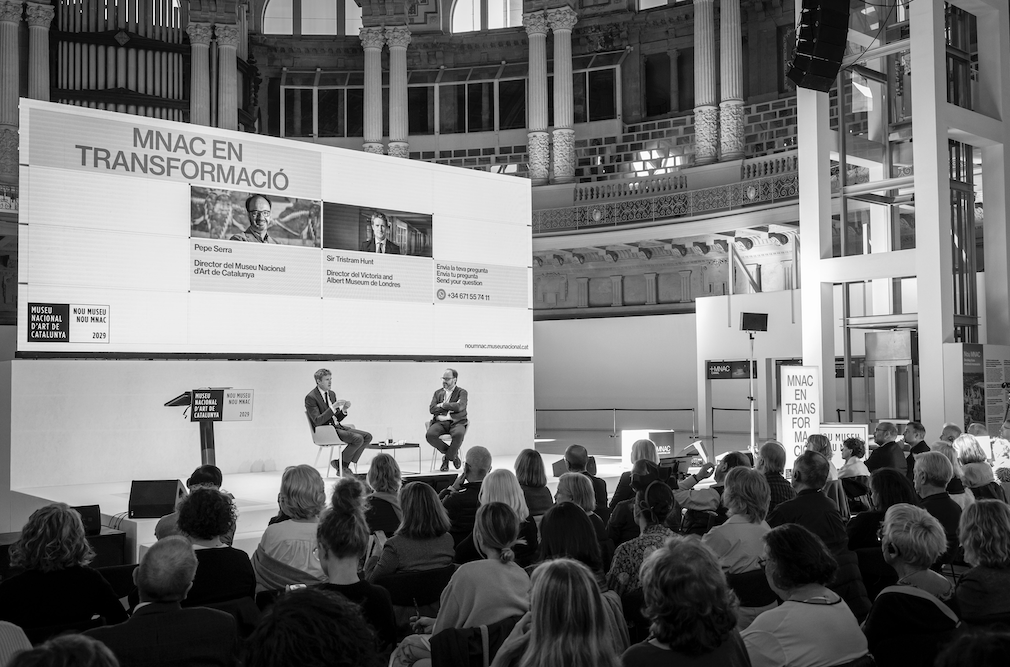
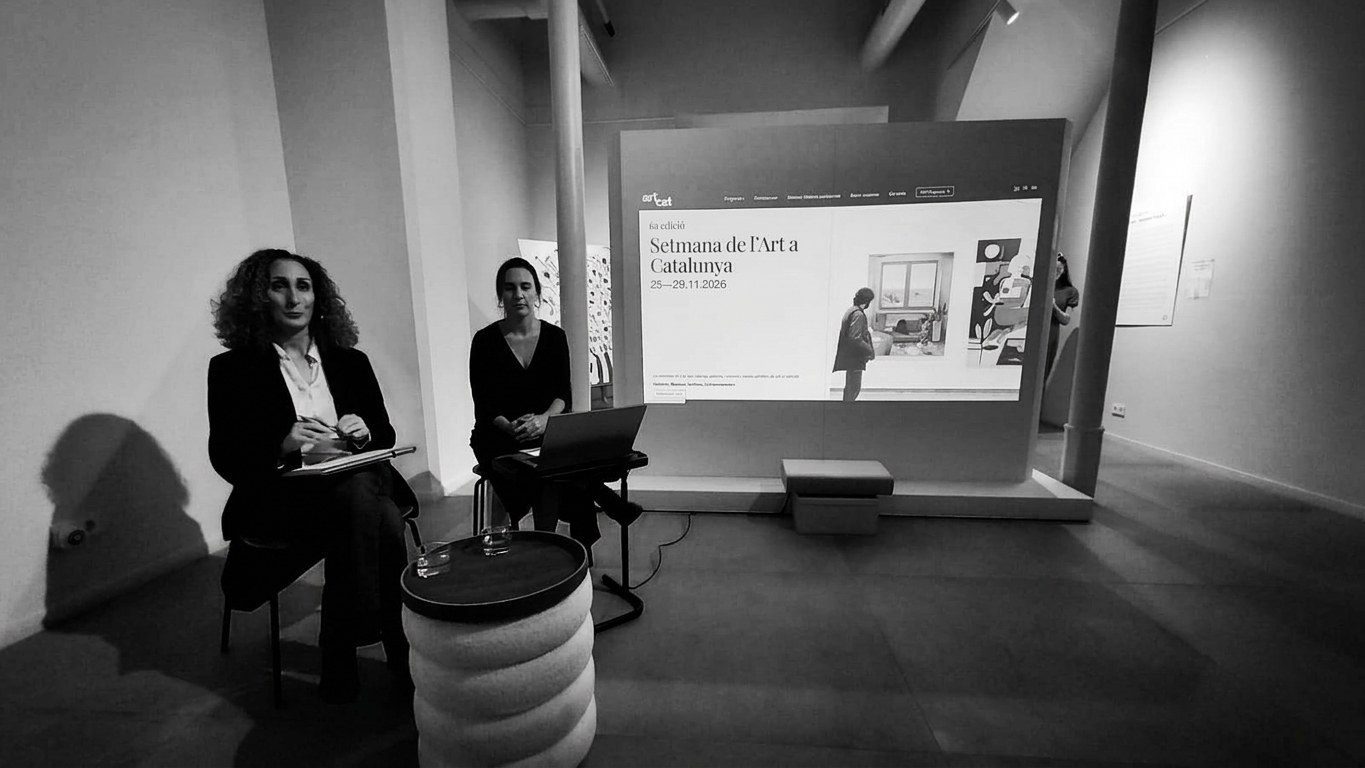
In a present shaken by digital immediacy, the fragmentation of the narrative and the proliferation of fake news, what role should the great containers of art and history assume? This was the guiding question of the lecture that Sir Tristram Hunt, director of the famous Victoria and Albert Museum (V&A) in London, gave this Thursday, November 19, before a packed Oval Room at the National Art Museum of Catalonia (MNAC).
Under the title Civic and global: the V&A as a cosmopolitan museum, Hunt outlined a passionate defense of the role of museums not as static warehouses of the past, but as active spaces of civic trust. “In the era of misinformation, our strength is to offer rigorous knowledge and a deep understanding of the world,” stated the British leader, placing research, context, and mediation at the center of the museum mission of the 21st century.
From the international showcase to public service
The visit of the top official of the London institution is part of the cycle Thinking the museum, imagining futures, part of the public program MNAC in transformation that accompanies the expansion process of the Catalan museum. Hunt skillfully read the common links that unite both institutions: both the V&A and the MNAC were born in the wake of major international exhibitions with a clear pedagogical and civic vocation, ending up consolidating themselves as public heritage in the service of citizenship.
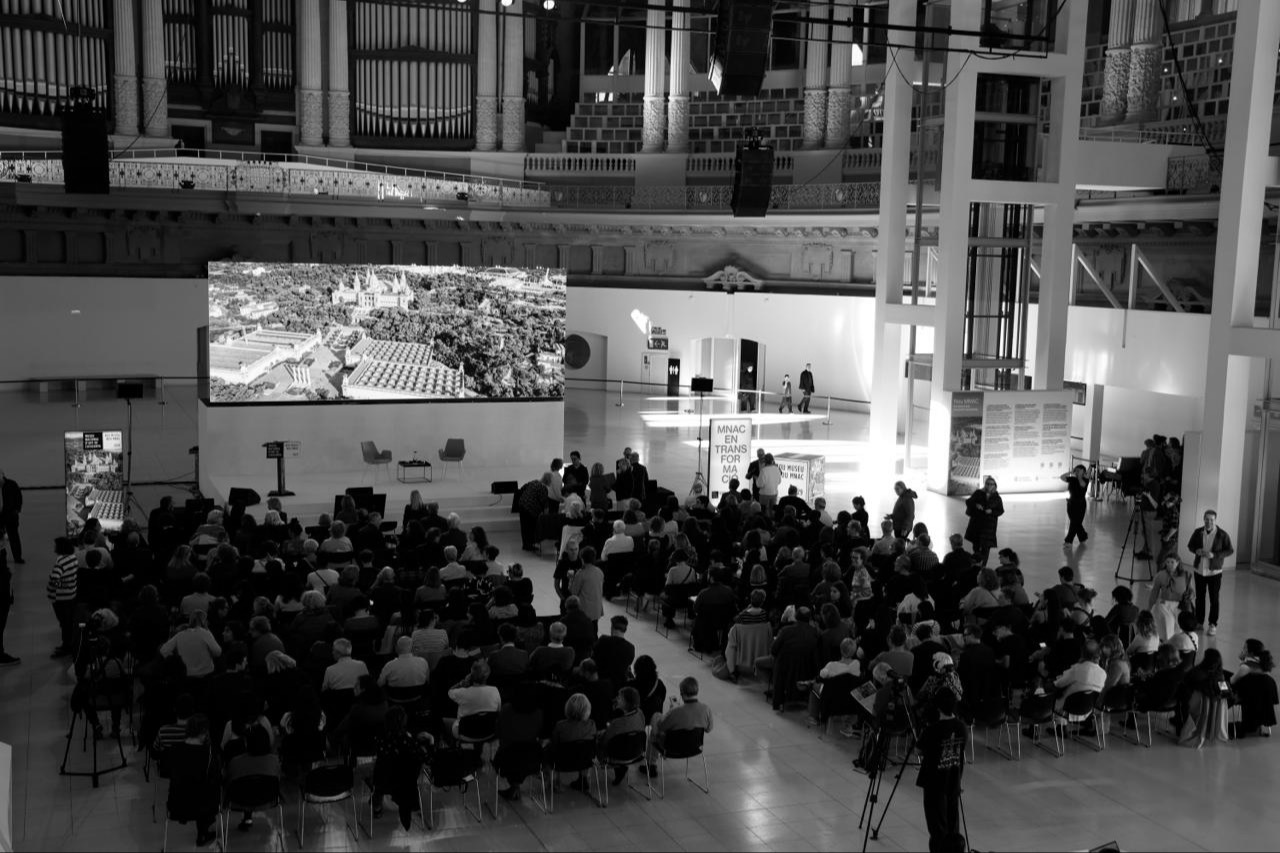
From this historical mirror, the director of the V&A warned about one of the great temptations of contemporary culture: wanting to compete on the same field as immersive leisure experiences and rapid image consumption. For Hunt, the differentiating value of the museum lies precisely in the opposite direction: activating historical collections to help the visitor decipher the complexity of the present, renewing languages and creativity but never giving up academic rigor or the ability to generate critical thinking.
Connecting with the new generations
The session culminated with an open dialogue between Tristram Hunt and Pepe Serra, director of the MNAC, where theoretical reflection landed on management and future challenges. Both directors agreed on the urgency of securing public support for cultural institutions, as well as on the need to promote the circulation of collections and preserve the narratives intrinsic to each work.
Likewise, they brought to the table strategies to weave real and lasting complicities with younger audiences, pointing out contemporary and accessible disciplines — such as design, photography, or fashion — as privileged gateways to bring them closer to the heritage universe.

You may be
interested
...