Exhibitions
'Arquetipas' questions the historical perspective on women through the Würth Collection
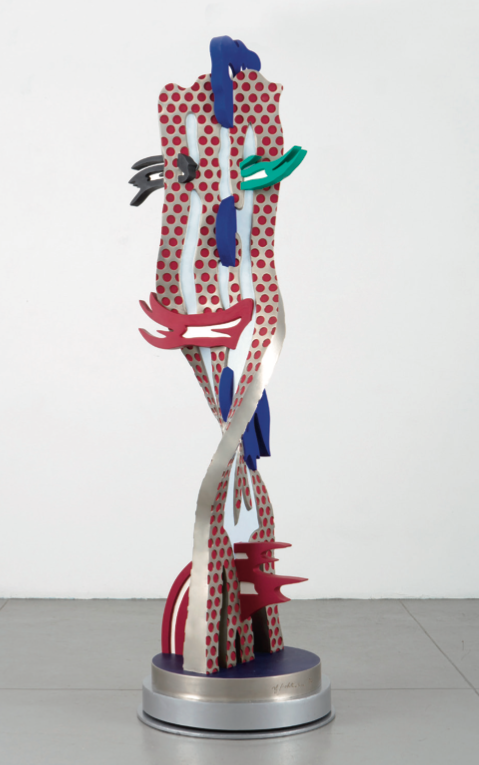
The image of women in art history has been marked for centuries by a gaze that has largely been male. Beyond physical representation, portraits, allegorical figures, muses, and female bodies have shaped an imaginary influenced by cultural, symbolic, and social conventions that have determined how the feminine is represented and what place it holds in creative processes. From the muse to the mother, from the ideal of beauty to the projection of desire, these images have formed a repertoire of archetypes that have often relegated women to a passive, subordinate position, far from the ability to construct their own narrative.
Starting from this point, Arquetipas. La imagen de la mujer a través de la Colección Würth (Archetypes. The Image of Women through the Würth Collection), which can be visited until April 4, 2027, proposes a critical review of these models through a journey featuring around a hundred works made between 1902 and 2022. The exhibition brings together pieces by 77 artists and encourages reflection on the evolution of female representation, while analyzing how social, cultural, and political transformations in the 20th and 21st centuries have changed both the gaze upon women and their own ways of recognizing and expressing themselves in the artistic field.
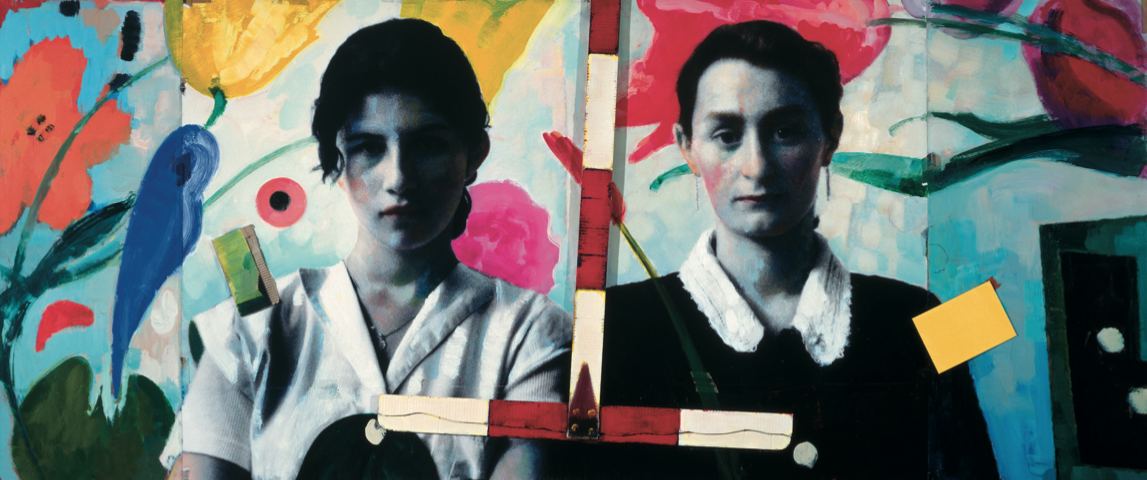
Xenia Hausner (Austria, 1951), Das weibliche Maß / The Female Measure / The Female Dimension, 2003, Würth Collection, Inv. 7,770.
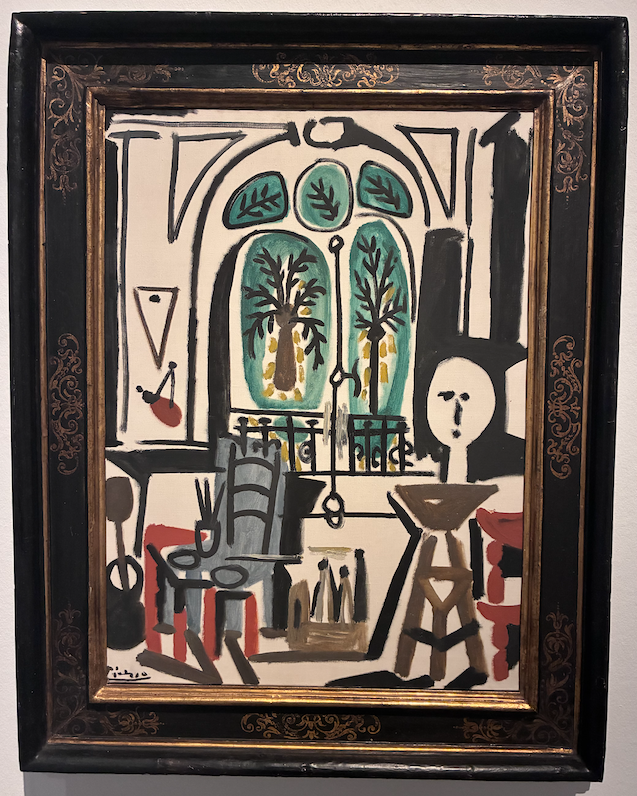
The itinerary brings together creators linked to different currents of modern and contemporary art, from surrealism and pop art to conceptual art, neo-expressionism, and hyperrealism. Names such as Gustav Klimt, Pablo Picasso, Paula Modersohn-Becker, René Magritte, Roy Lichtenstein, Fernando Botero, Jaume Plensa, John Baldessari, Marc Quinn, or Xenia Hausner are part of a group that allows for connections between eras, languages, and contexts, without losing sight of the tensions that permeate the construction of the female image.
The works engage in dialogue around issues that go beyond depicting the body and open different lines of reading: the symbolic dimension of the feminine, the construction of subjectivity, the political significance of images, the historical configuration of gender archetypes, and the persistence of certain stereotypes. The confrontation between pieces from diverse historical and aesthetic contexts allows us to observe how certain models persist, transform, are questioned, or disappear, and how art can also function as a space to review the cultural structures that have influenced the perception of women.
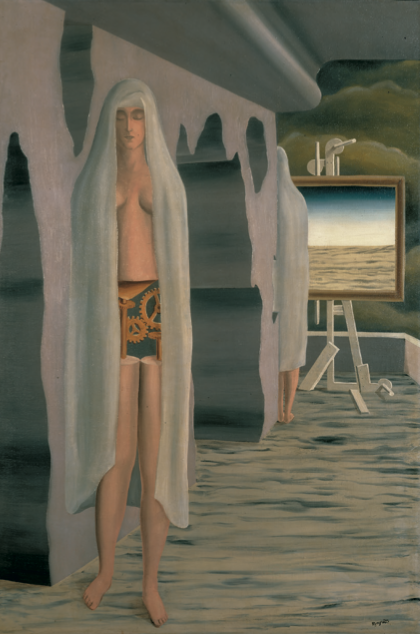
René Magritte (Belgium, 1898 – 1967), L’âge des merveilles / The Age of Miracles / The Age of Wonders, 1926, Würth Collection, Inv. 4,614.
You may be
interested
...