Exhibitions
The body between attraction and repulsion, desire and rejection by Leonel Castañeda Galeano
A fascinating installation of prostheses, anatomical fragments, medical objects, and old photographs that explores memory, absence, desire, and the multiple ways of inhabiting the body.
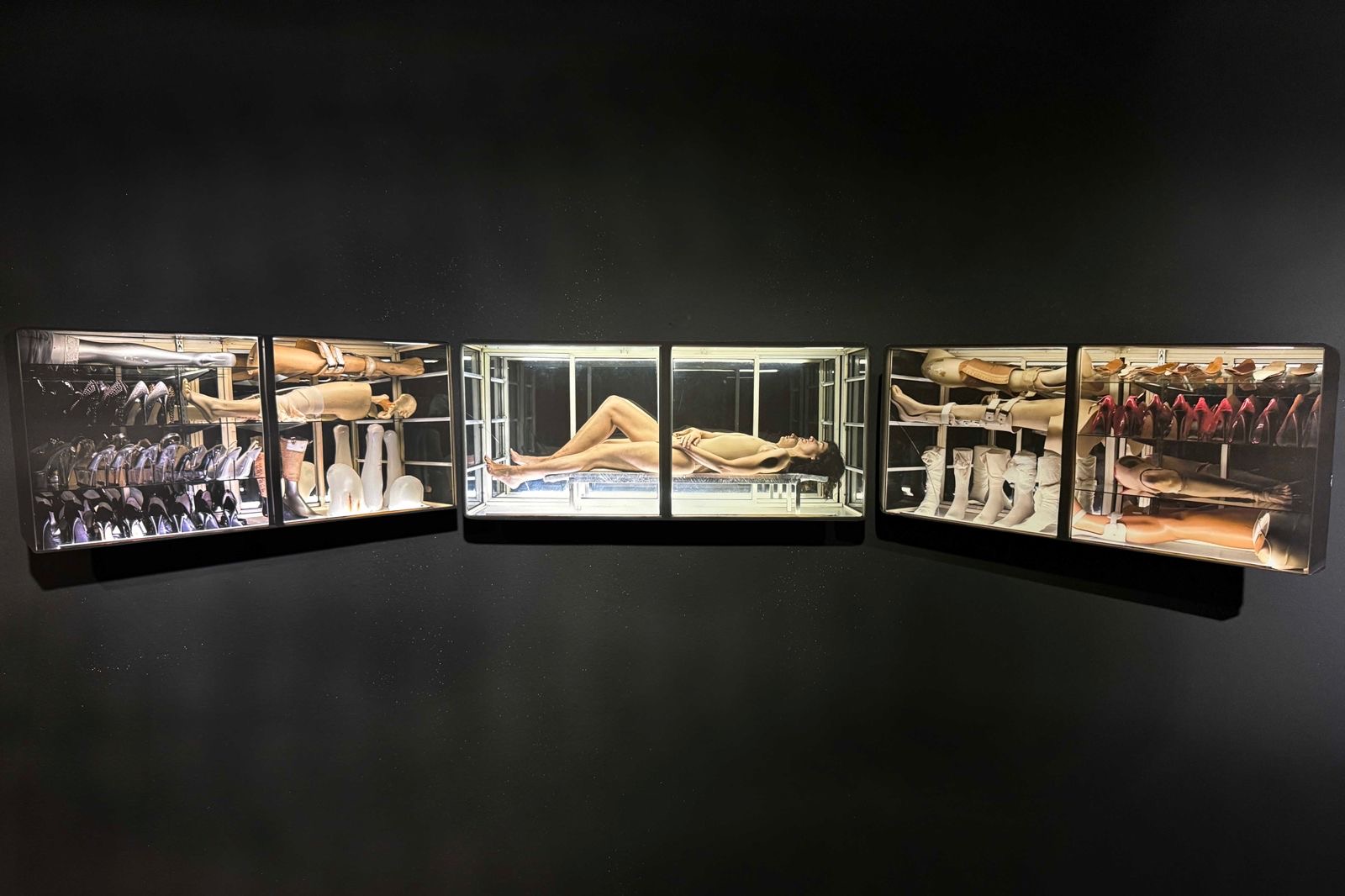
When the eyes get used to the dimness of the rooms, the bodies that inhabit them take center stage, generating repulsion and attraction, desire and rejection at the same time. They are accompanied by elements belonging to different eras: prostheses, hospital devices, anatomical fragments, and old photographs of medical practice. The installation is both fascinating and unsettling, evoking pain, illness, fragility, and even death, but also beauty, sexuality, desire, renewal, and resurrection. This is The Body of Bodies, a captivating proposal by Colombian artist Leonel Castañeda Galeano (Bogotá, 1971), curated by Fernando Cuevas Ulitzsch, which premiered at the Espai Isern Dalmau of the Coromina Foundation in Barcelona (from September 3 to October 31) and can now be seen at the Espai Eat Art of the Lluís Coromina Foundation in Banyoles until January 30, 2027.
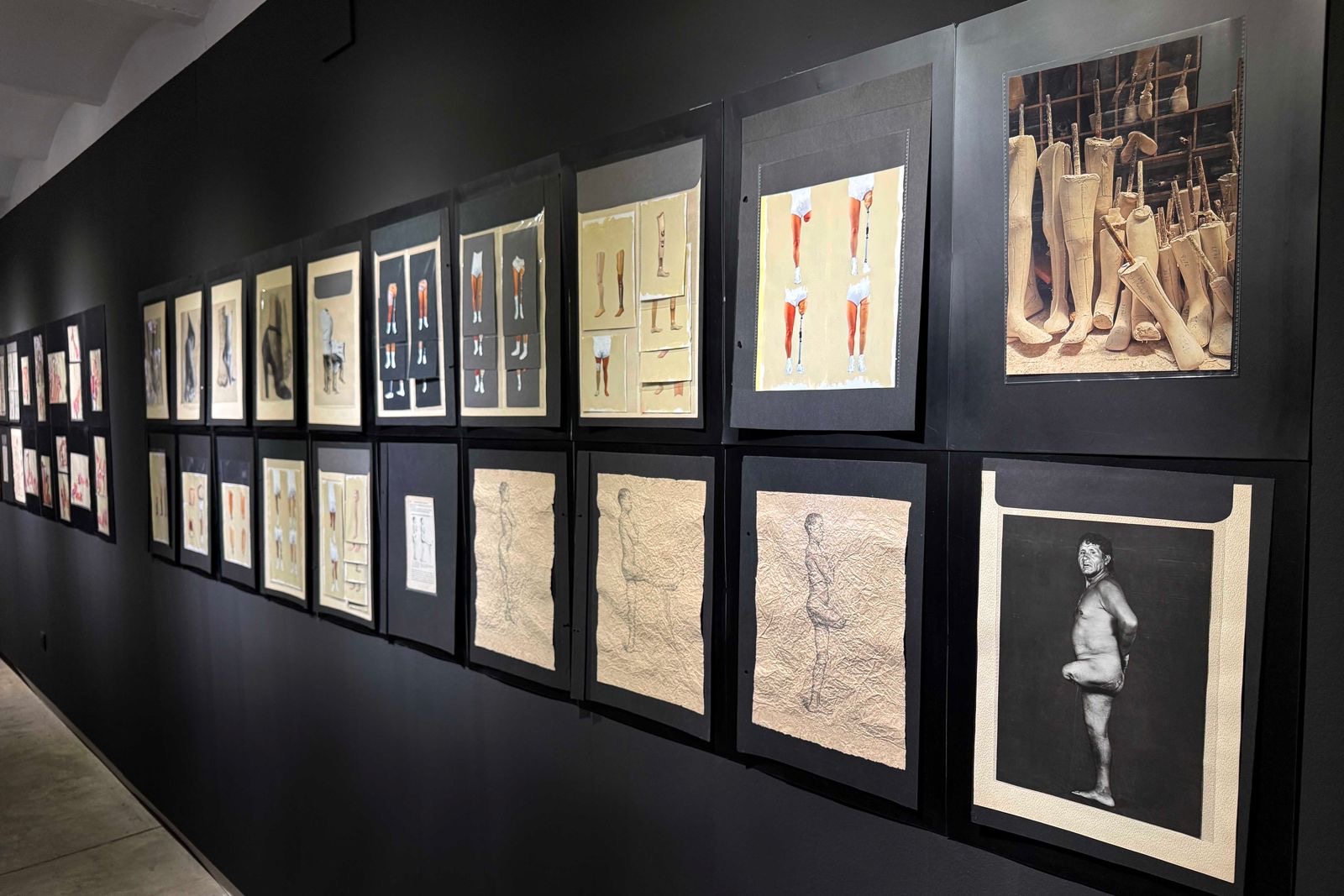
Photo Pere Duran / Nord Media.
The installation, particularly well executed, creates a journey that suggests each visitor an interpretation related to their personal experiences. Photos, videos, and found objects are exhibited, which Castañeda has been collecting for 30 years from the streets of Colombia and then documents, classifies, organizes, and displays in showcases, giving them a new status and renewed importance. The showcases are not simple museographic supports but musealize what they contain, so that rejected objects become objects of contemplation, memory, and knowledge. These elements are the keys to the multiple narratives that emerge from Castañeda’s work: the artist, who is also a museographer, precisely uses the museum mechanisms—classifying, conserving, protecting, and exhibiting—to restore dignity and visibility to what society has discarded.
Castañeda works with prostheses, fragments, medical objects, imprints, and relics that summon the body and turn bodily absence into artistic presence. It is a vast archive of objects that refer to the body, an archive made of remains, of refuse condemned to disappear, which recover their ability to tell stories and relive the past. Castañeda’s great success lies in not falling into a discourse of physical fragility, bodily deterioration, illness, disability, and eventually healing through art, which seems very trendy. The discourse is much deeper, and the body is much more than a theme: it functions as a research field on memory, absence, desire, and the ways we classify what we consider normal or different.
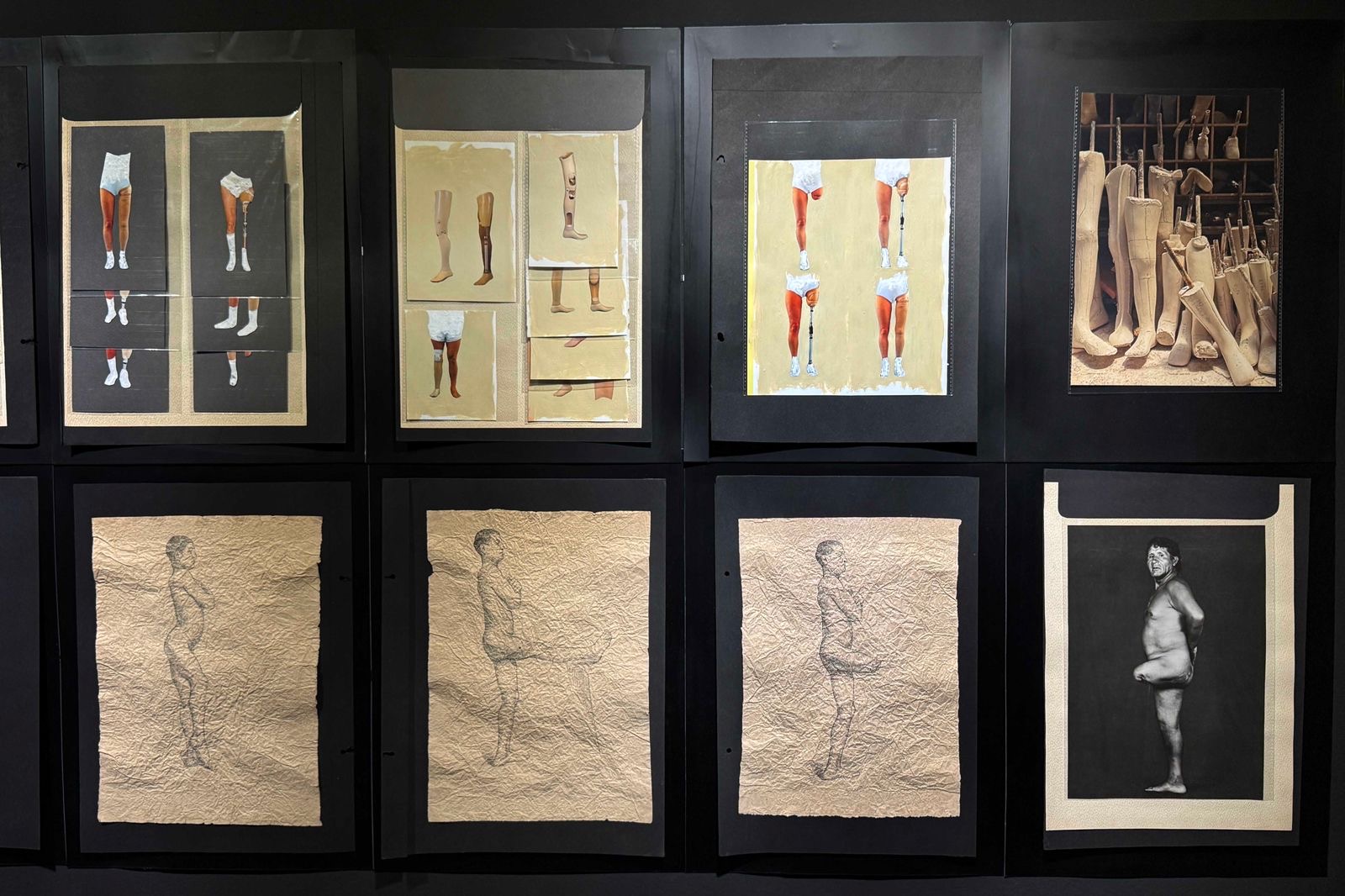
Photo Pere Duran / Nord Media.
For this reason, the exhibition, whose title, The Body of Bodies, is particularly revealing, rejects the idea of a single, normative, and recognizable body and opts for a plural conception: there are many bodies and many ways to live them. Salvador Dalí had a fascination with crutches. Since he was a child, he said they gave him a strange security and confidence; he considered them a physical and moral support, a connection with reality, and also a fashion accessory, which he designed equipped with portable electronic gadgets long before wireless was invented. In this way, Castañeda seems fascinated by prostheses, capable of evoking a body without needing to represent it in its entirety.
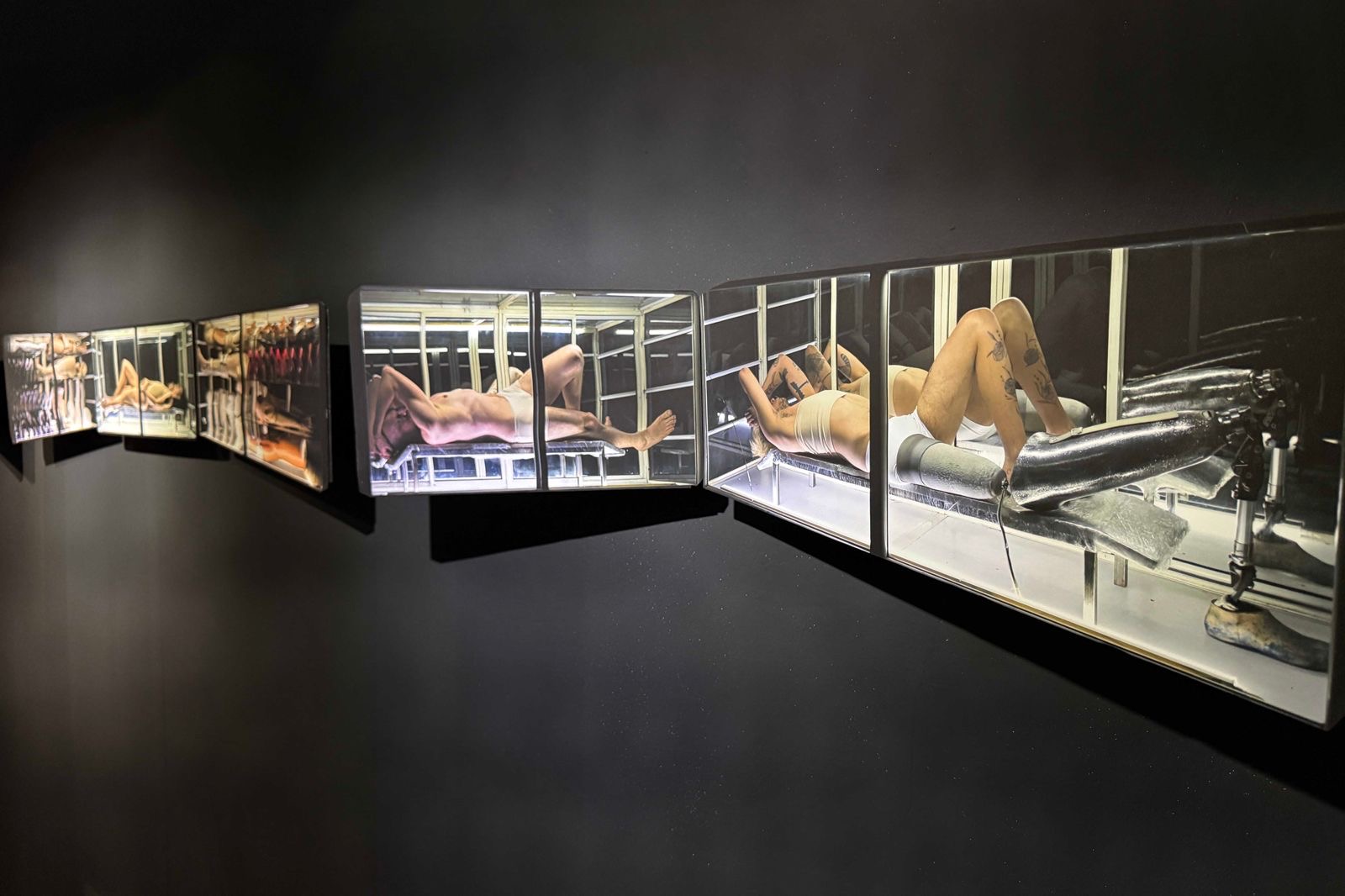
Photo Pere Duran / Nord Media.
In the exhibition Essay on the Hidden and the Revealed, which he presented at the Colonial Museum of Bogotá in 2024, he gathered leg prostheses from amputees, anatomical models, stumps, mannequin legs, forms, and heels. The body is absent: the objects refer to someone who is no longer present; there are prostheses belonging to people who lost their lower limbs in the wars that plagued Colombia and high-heeled shoes of transgender people who work in sex work. This dialogue also infuses the colonial past, forced Christianity with martyrs and punishments, and representations of a denied and wounded body, which in Castañeda’s videos, enclosed in glass urns, reclaims beauty and the ability to awaken desires and passions.
As curator Fernando Cuevas writes in the text accompanying the exhibition: “The bodies that emerge from Castañeda’s works do not seek to represent us or offer an idealized image of humans; on the contrary, they challenge us. They remind us that we are constituted by differences and that it is precisely in this diversity that the possibility of encountering the other resides.”
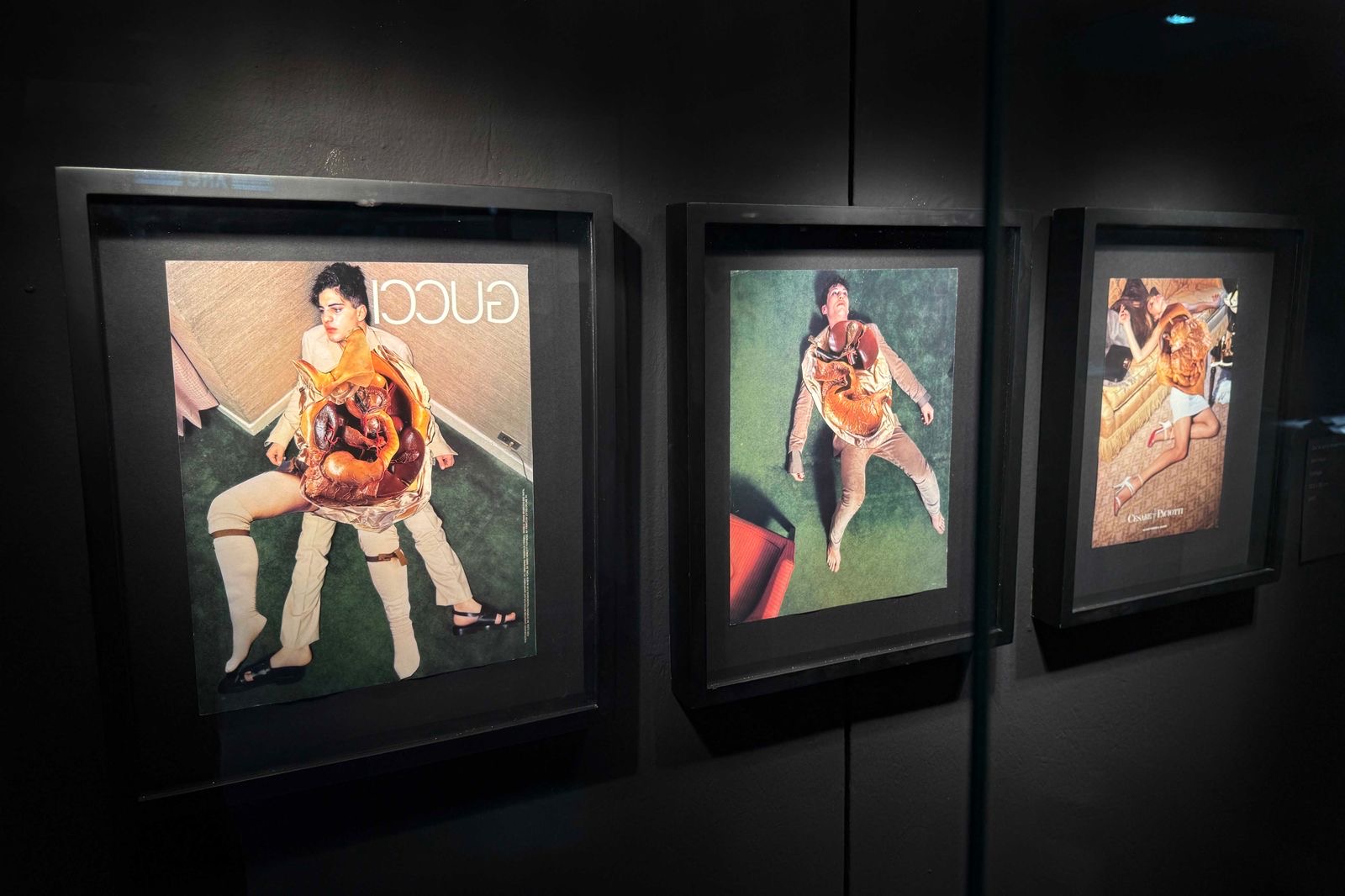
Photo Pere Duran / Nord Media.

You may be
interested
...