Exhibitions
Stolen Words, by Anet Duncan
Malén Gual curates Stolen Words at the Palau Foundation, an exhibition that puts the poetic universe of the South African artist in dialogue with the literature and memory of the Catalan poet.
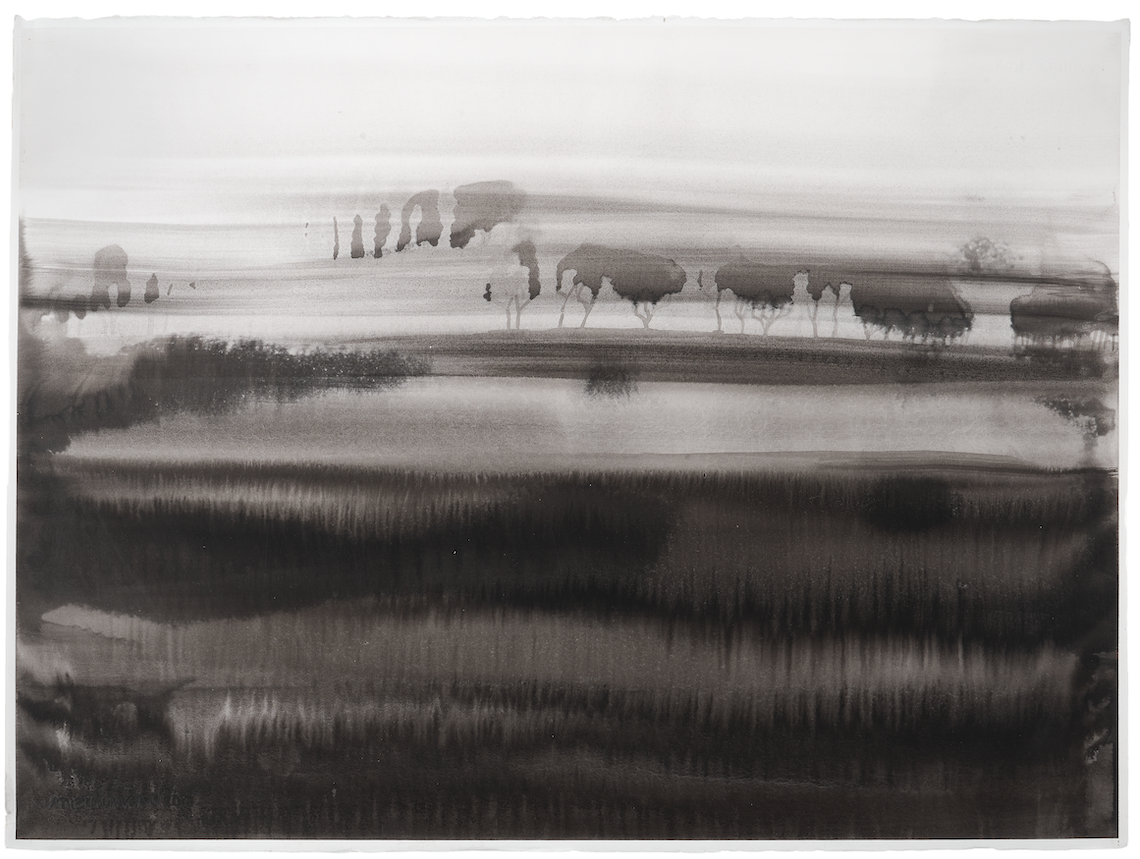
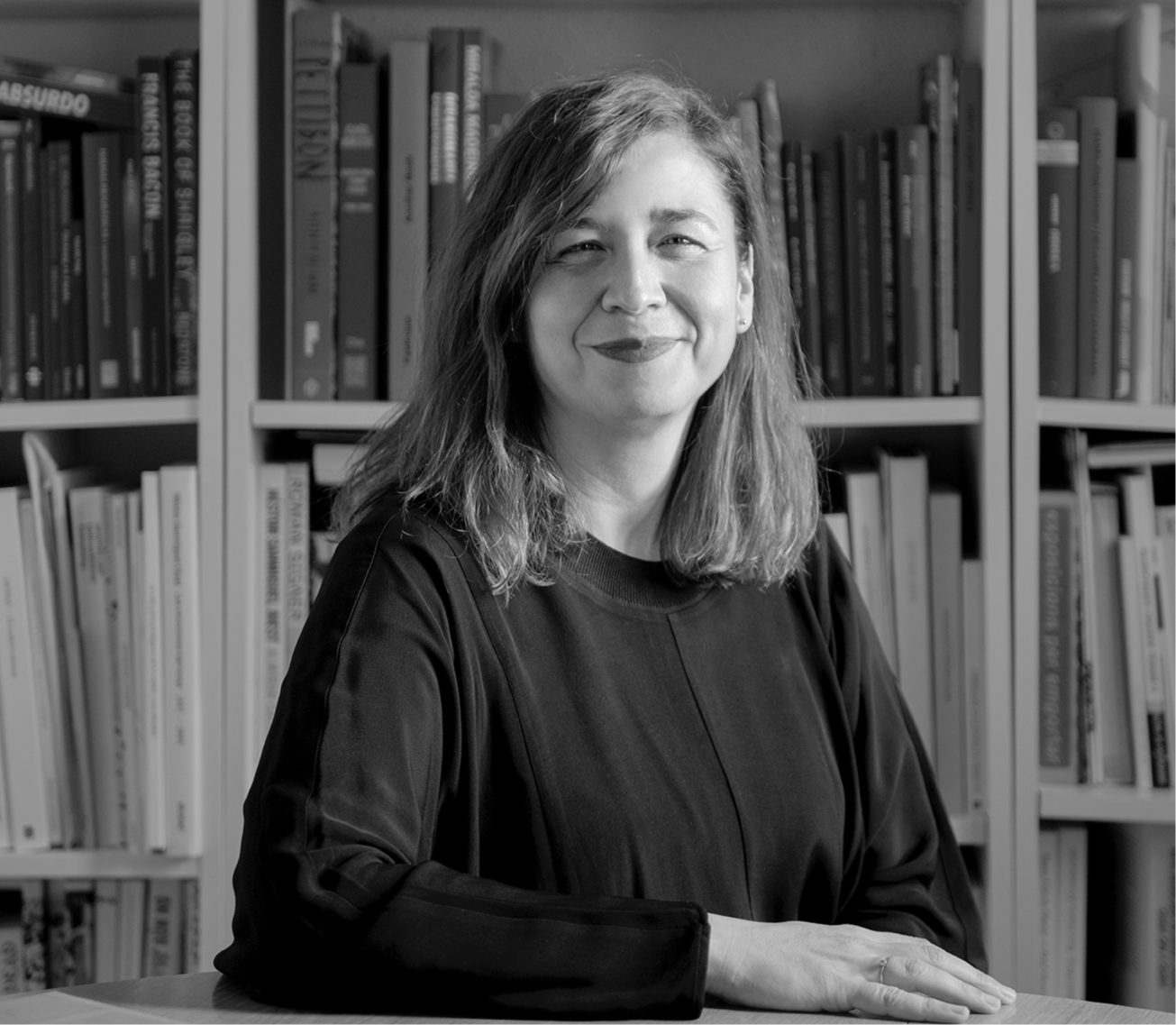
After having curated Xavier entre llibres , focused on the always multifaceted Xavier Vilató and his relationship with the world of books and with literature in general, the art historian Malén Gual returns this autumn to the Palau Foundation in Caldes d'Estrac. This time, she does so to introduce us to the work and universe, full of poetry, of Anet Duncan (Durban, South Africa, 1943). The exhibition, entitled Mots robats , seeks to establish a dialogue between Duncan's works and the poetry of Josep Palau i Fabre (1917-2008). In fact, Palau has been a decisive figure in the work of this South African artist since, more than forty years ago, she decided to settle in Barcelona, the city in which she now resides.
They met in 1986, in the legendary Empordà corner of Grifeu (Llançà, Alt Empordà), where they both spent the summer, and established a close friendship that would last until the poet's last days. As she herself explains, that relationship grew during long conversations about art and literature, many of which were held on their car journeys. Shortly after his death, the artist remembered Palau's intense gaze and a great memory that allowed him to recall key details of a conversation.
Along with Manolo Valdés, Rosa M. Pujol Avellana and Pepe Yagües, among others, Duncan is one of the collaborators and friends who frequented Palau in the last years of his life. This bond is evidenced by some of her works preserved at the Caldetes foundation, such as a portrait she made of the alchemist and five photomontages, and the interest the artist continues to have in her literature. Regarding Palau i Fabre's literary side, Duncan has said: "Although his poems are what I am most passionate about [...], I would choose Alfa Romeo and Julieta, a play that reflects Josep's seductive side and his particular vision of women."
The daughter of a painter, Anet Duncan was captivated by art from a young age. Educated in her hometown, one of the main metropolises of this African country, she ran a printing factory, working with painting and batik —a textile printing technique of Asian origin. Later, after settling in Europe, she opened a screen printing workshop in Geneva. She held her first exhibition in Dunkirk, in the north of France, in 1974.
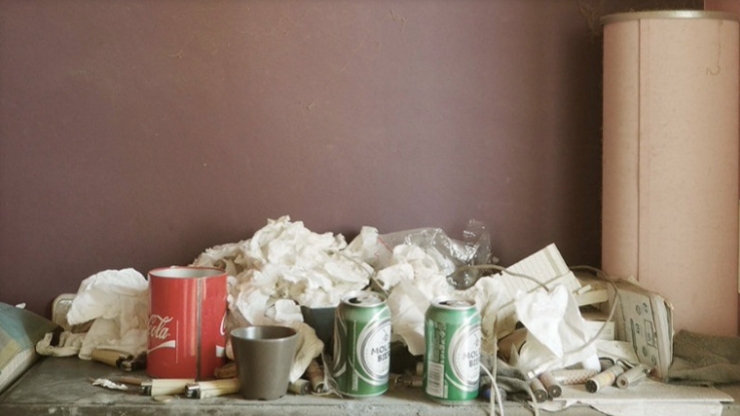
The figure, the portrait and the landscape are preferred themes in the production of Anet Duncan. Light —the catalytic element of her compositions—, the color and the environment, always treated in a very subtle way, create a special atmosphere, a source of peace and rest. Over the years, her style has evolved from a figurative realism to a compendium of abstraction and poetry. In recent years, landscapes have taken on great prominence in her creation: they are visions of places lived and felt, spaces inhabited physically but also with sensations, feelings and memories.
Anet Duncan's work has been on display in Caldes d'Estrac on several occasions. One was in the exhibition The Collection of a Poet. The Drawings by the Palau Foundation, curated by Joan Abelló, which ran from November 2009 to March 2010. The other took place almost ten years ago; in 2017, the South African artist was one of the participants in Encounters with the Alchemist, an exhibition project focusing on the work of Palau i Fabre and especially on his collection of poems Poems of the Alchemist (1952). On the occasion of this exhibition, Duncan expressed that she was impressed by the fact that many of Palau's poems were written in 1943, coinciding with her birth year. The artist's literal words were "I stole a lot of his verses to name my paintings" and we can see this in Stolen Words, the new exhibition presented by the Palau Foundation.


You may be
interested
...