News
Brognon Rollin wins the Marcel Duchamp Prize 2026
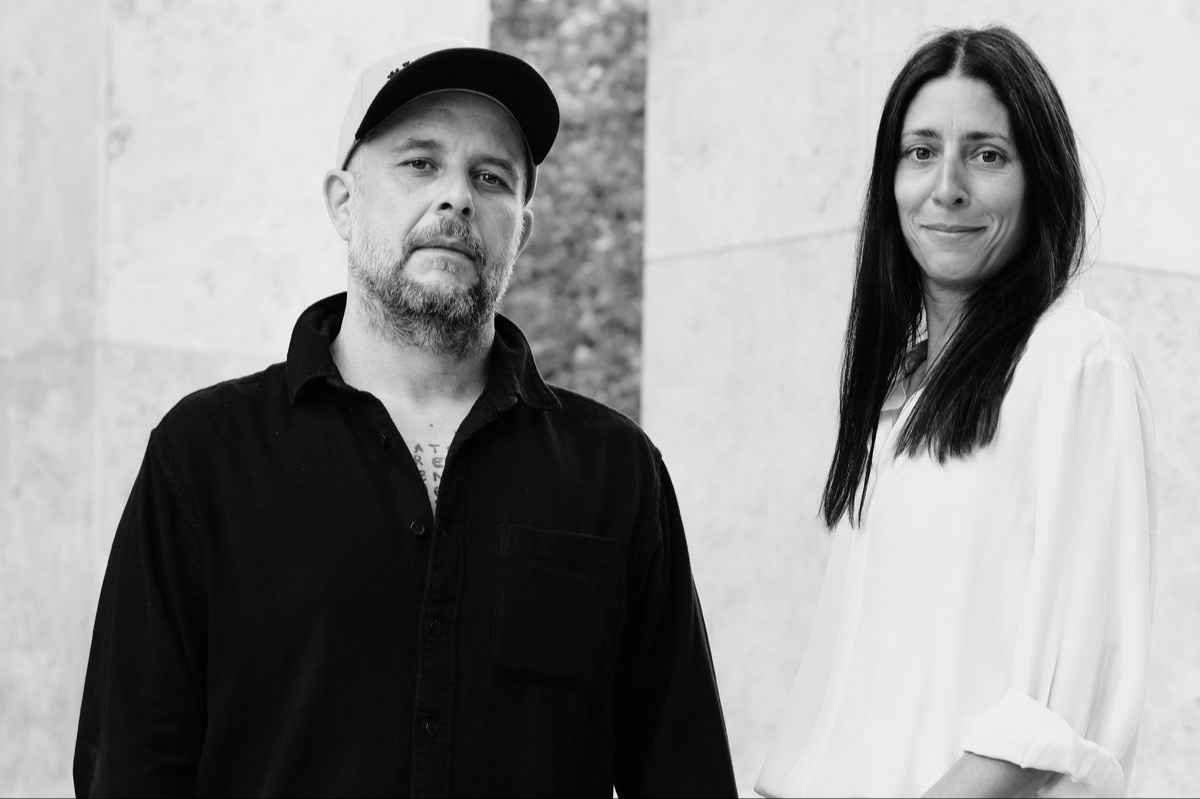
The artistic duo Brognon Rollin, comprised of Belgian David Brognon (1978) and Luxembourger Stéphanie Rollin (1980), has been awarded the 2026 Marcel Duchamp Prize, one of the most prestigious awards in contemporary art in France. The pair, who have been working together since 2006 and are based between Paris and Luxembourg, beat out three other finalists: visual artist Joël Andrianomearisoa, photographer and filmmaker Laura Henno, and artist, performer, and writer Josèfa Ntjam.
The announcement was made on October 22 at the Musée d'Art Moderne in Paris, the institution hosting the exhibition of the selected artists until February 7, 2027. The exhibition is being held exceptionally outside the Centre Pompidou, the usual venue for this presentation, which remains closed for renovations until 2030. The prize is endowed with 30,000 euros for the winners, while each of the remaining finalists receives 10,000 euros.
The award recognizes the installation 5,376 years, 1892 months, 1110 days, 1201 hours , a work that explores the experience of sobriety through a collection of cards and medals that certify the time spent without consuming alcohol or other substances. Collected from members of various abstinence groups, these objects represent individual periods of recovery which, when brought together, constitute a collective measure of time. The title corresponds to the sum of the intervals recorded on the collected pieces.
The installation arranges these material testimonies in a composition reminiscent of arcade machines, creating a tension between the playful appearance of the display and the profound experiences it contains. Each token refers to a personal story, a process of transformation, and a daily achievement that, in its accumulation, acquires a shared dimension. Time ceases to be an abstract magnitude and becomes a tangible substance, imbued with effort, vulnerability, and perseverance.
This approach is representative of Brognon Rollin's practice, characterized by the use of videos, sound installations, and conceptual devices that interrogate social structures and mechanisms of control. Their work engages with realities that often remain on the margins of public representation, paying attention to excluded populations and the forms of resistance that emerge in contexts of vulnerability. Rather than directly illustrating these situations, the duo constructs devices that allow us to perceive what usually escapes our notice.
Fabrice Hergott, director of the Musée d'Art Moderne in Paris, emphasized that the prize recognizes a rigorous and committed career dedicated to materializing experiences that are difficult to represent: "the time of waiting, of addiction, and of intimate resistance." The award-winning work precisely encapsulates this desire to make the intangible visible, transforming everyday objects into bearers of memory and meaning.

You may be
interested
...