library
Laura Galve explores family wounds and the limits of forgiveness
The Barcelona author's first novel, Dime, niña bonita, wins the III Diana Zaforteza Award with a story about alcoholism, abandonment and the search for a voice of her own.
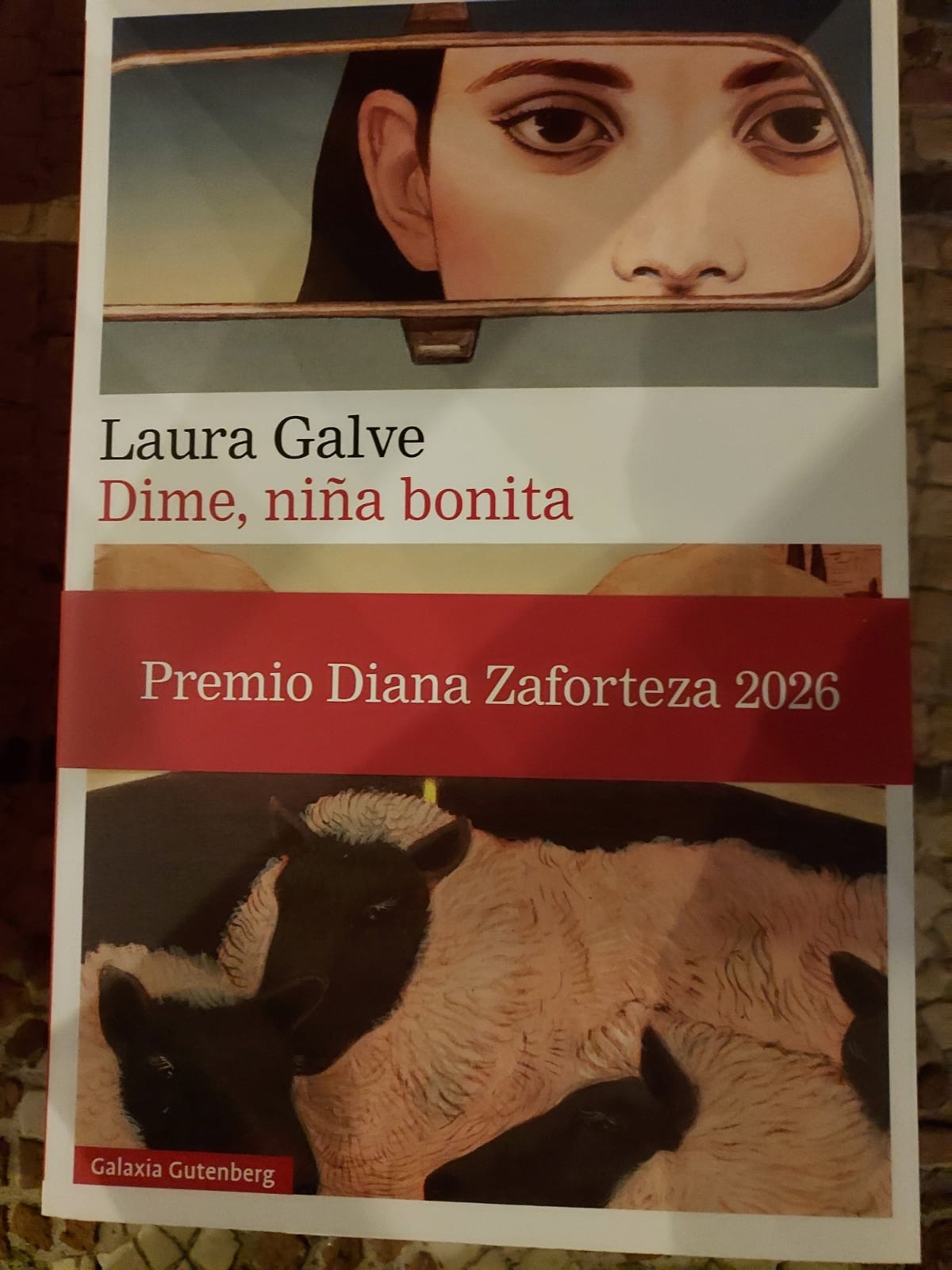
The family, often surrounded by an aura of protection and untouchability, can also be the scene of the deepest wounds. This contradiction is the subject of Dime, niña bonita , the first novel by Laura Galve, a thirty-year-old Barcelona writer who has won the III Diana Zaforteza Award, an award that claims new voices in Spanish-language narrative.
The work, which will hit bookstores on November 4th, published by Galaxia Gutenberg, delves into a decisive summer in the life of Manuela, the protagonist, who is fifteen years old when her mother leaves the family home and she stays with an alcoholic father. From this breakup, the novel builds a story of formation in which pain, lack of protection and the need to understand the world of adults become the starting point of a personal search. Manuela will have to learn to find her own voice in the midst of a reality that questions the certainties on which she had built her identity.
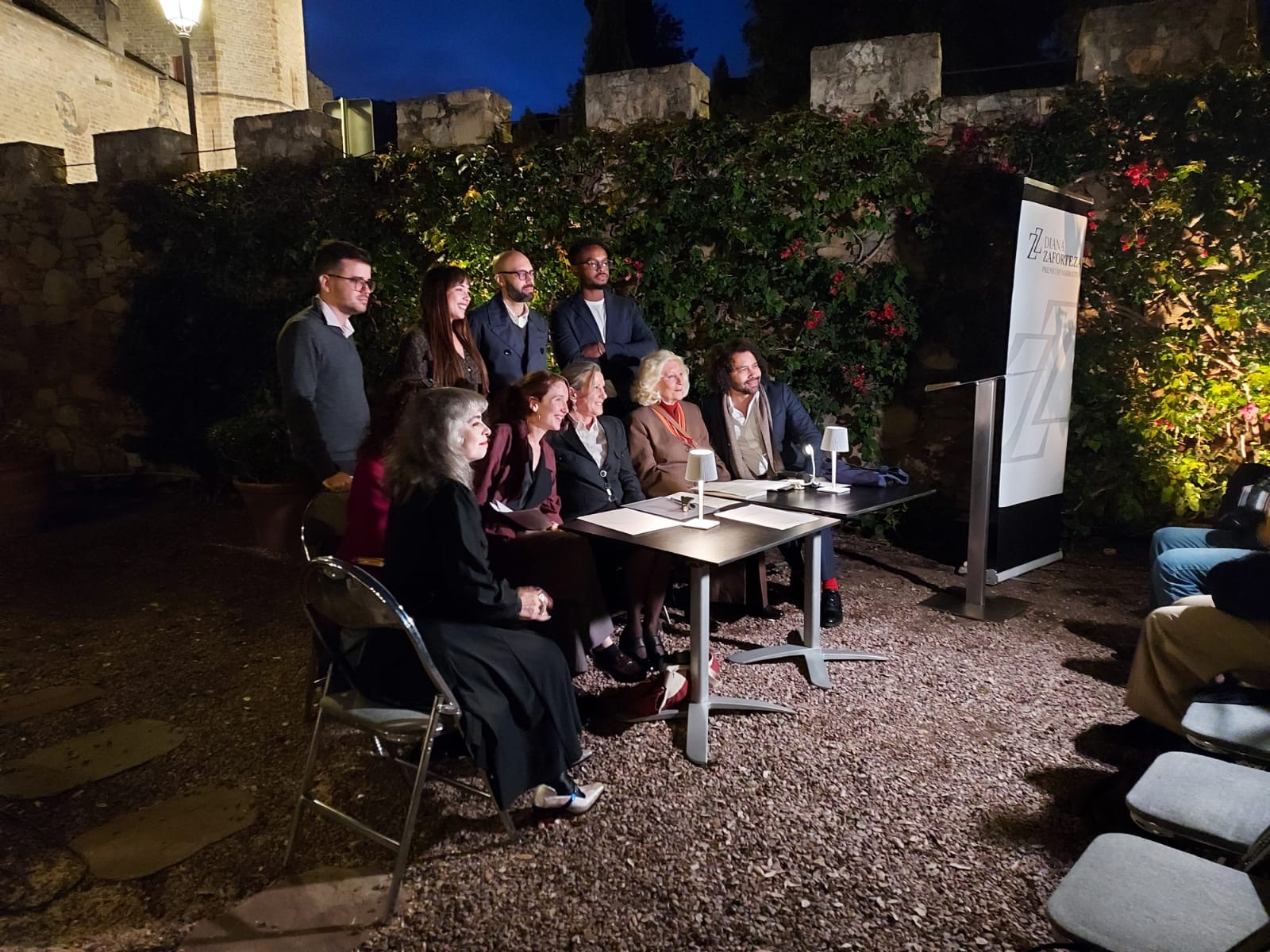
The jury highlighted "the intelligence and audacity in the use of narrative resources", as well as the emotional power of a story that avoids predictable answers. In reading the verdict, the writer Mariana Enríquez also highlighted Galve's immediate and sincere gaze, capable of addressing an intimate and complex subject without falling into the obvious. The novel thus questions the sacralization of family ties and raises questions about the possibility of forgiveness, emotional responsibilities and the fractures that can mark the step towards adulthood.
The Diana Zaforteza Award, endowed with 20,000 euros and the publication of the winning work, distinguishes an unpublished novel written in Spanish by an author under 43 years old, the age the Mallorcan publisher was when she died, in 2022. The award was announced and presented in Barcelona on Thursday, October 22, the eve of Zaforteza's birthday.
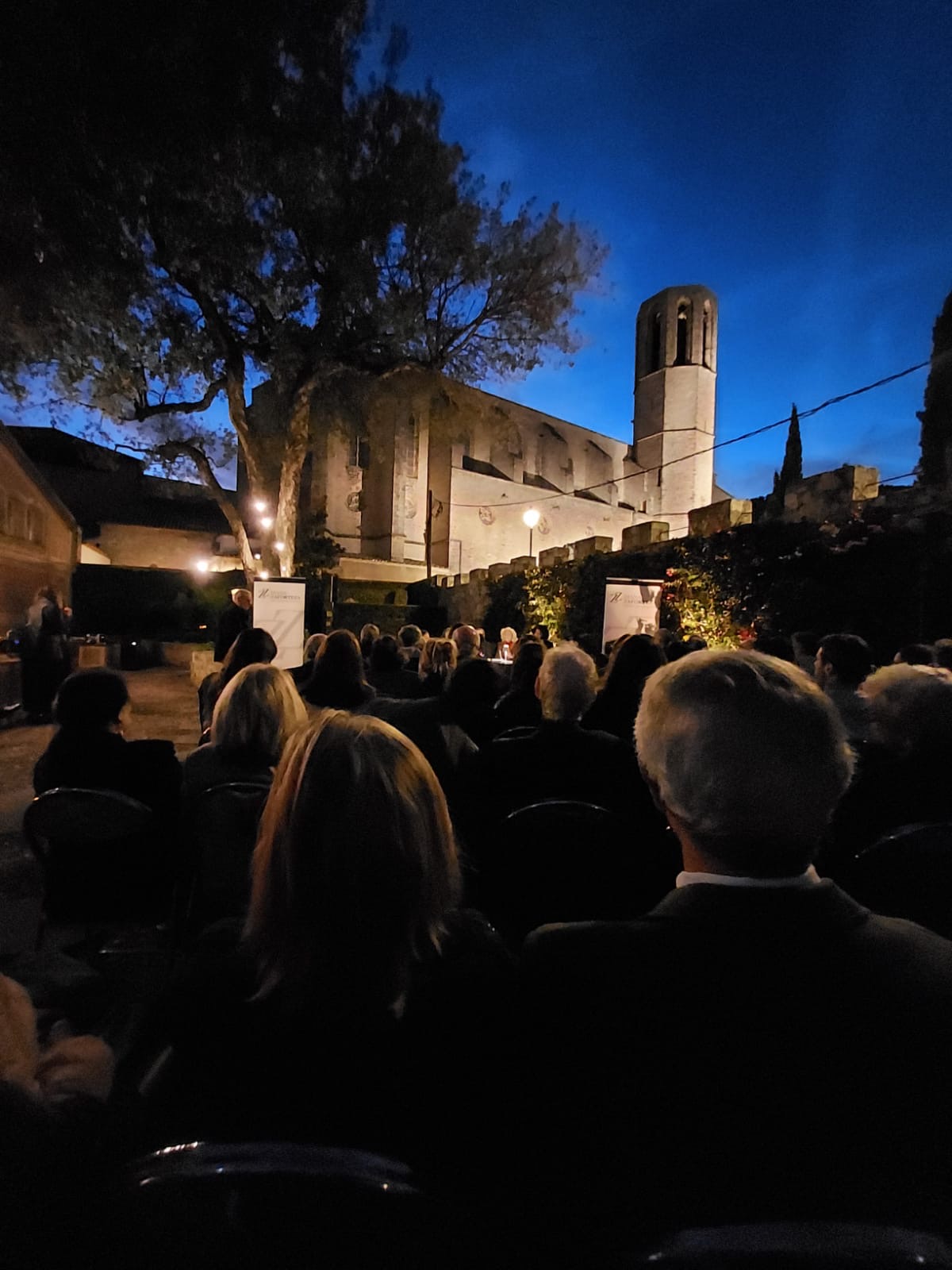
In this third edition, the jury was chaired by publisher Valeria Miles and included The New York Times journalist Nicholas Casey, Cristina Fuentes, director of the Hay Festival International, writer Santiago Roncagliolo and Joan Tarrida, director of the publishing house of the award-winning work, who participated with a voice but without a vote.
You may be
interested
...