
Exhibitions
Pamplona recaptures the spirit of the avant-garde through art, history and memory
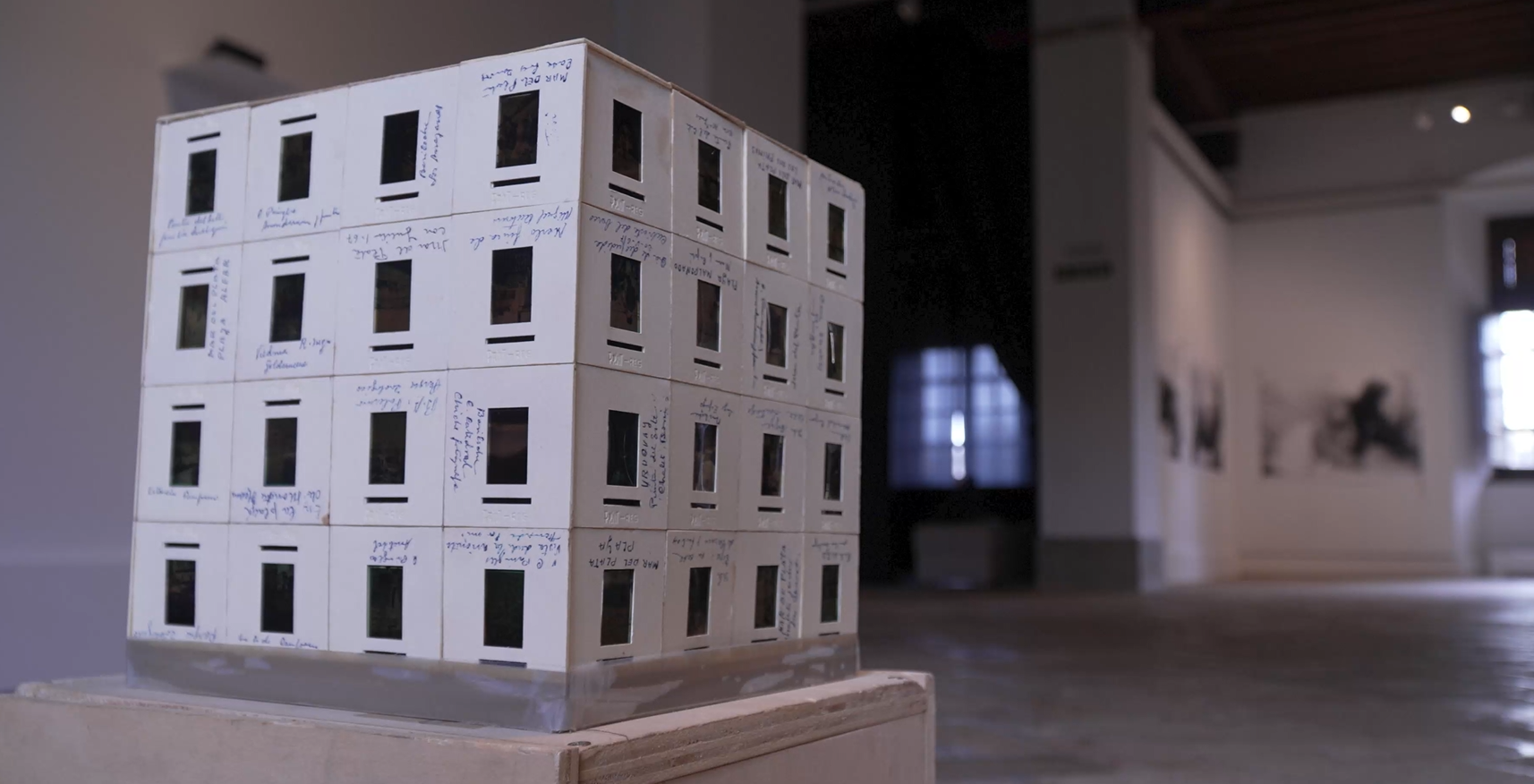
The Pamplona Encounters occupy a unique place in Spanish cultural history. In 1972, at the height of the Franco dictatorship, the Navarrese city became a laboratory for artistic and intellectual experimentation, bringing together music, poetry, film, visual arts, and new ways of thinking. This event, spearheaded by the artist José Luis Alexanco and the composer Luis de Pablo with the support of the Huarte family, challenged the traditional boundaries between disciplines and opened a window onto international avant-garde movements. Its importance transcended the event itself, placing Pamplona firmly on the map of major cultural experiences of the era, within a political context marked by censorship and restrictions on freedom of expression.
More than half a century later, the Pamplona Encounters/Iruñeko Topaketak once again project this commitment to connecting art, thought, and society. In its 2026 edition, the Citadel becomes one of the main venues for this convergence, with proposals that explore the relationships between memory, testimony, conflict, and image. The Powder Magazine, the Oven, and the Armory host exhibitions and interventions by artists of different generations and backgrounds, alongside works from the Pamplona City Council's Contemporary Art Collection and the "la Caixa" Foundation's Contemporary Art Collection.
The program thus recovers an essential dimension of the Encounters: art's capacity to interrogate the present from different languages and perspectives, while questioning spaces, historical narratives, and the ways in which collective memory is constructed. The architecture of the Citadel, a former fortification conceived for military purposes, ceases to be a mere container and becomes incorporated into the meaning of the proposals, establishing a tension between its defensive past and the critical possibilities of contemporary creation.
The presentation of the exhibitions included the participation of Maider Beloki Unzu, councilor delegate of the Culture Area; Iñaki Apezteguia Morentín, general director of Culture of the Government of Navarra; Izaskun Azcona, delegate in Navarra of the ”la Caixa” Foundation, and the curators Elena Olave and Jone Rubio, responsible for one of the central proposals of the program.
A place that is not here, memory as artistic material
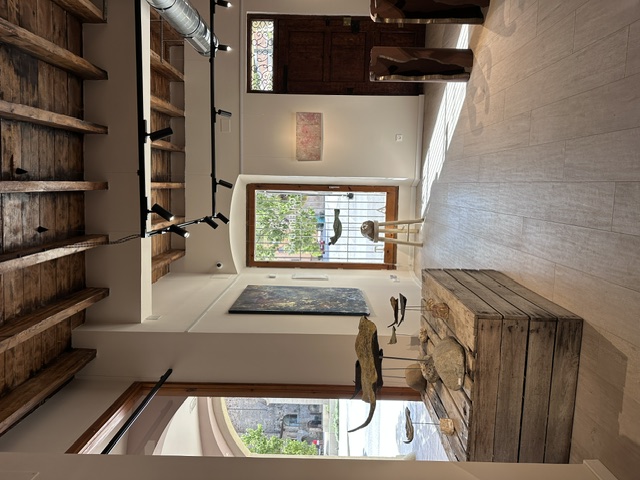
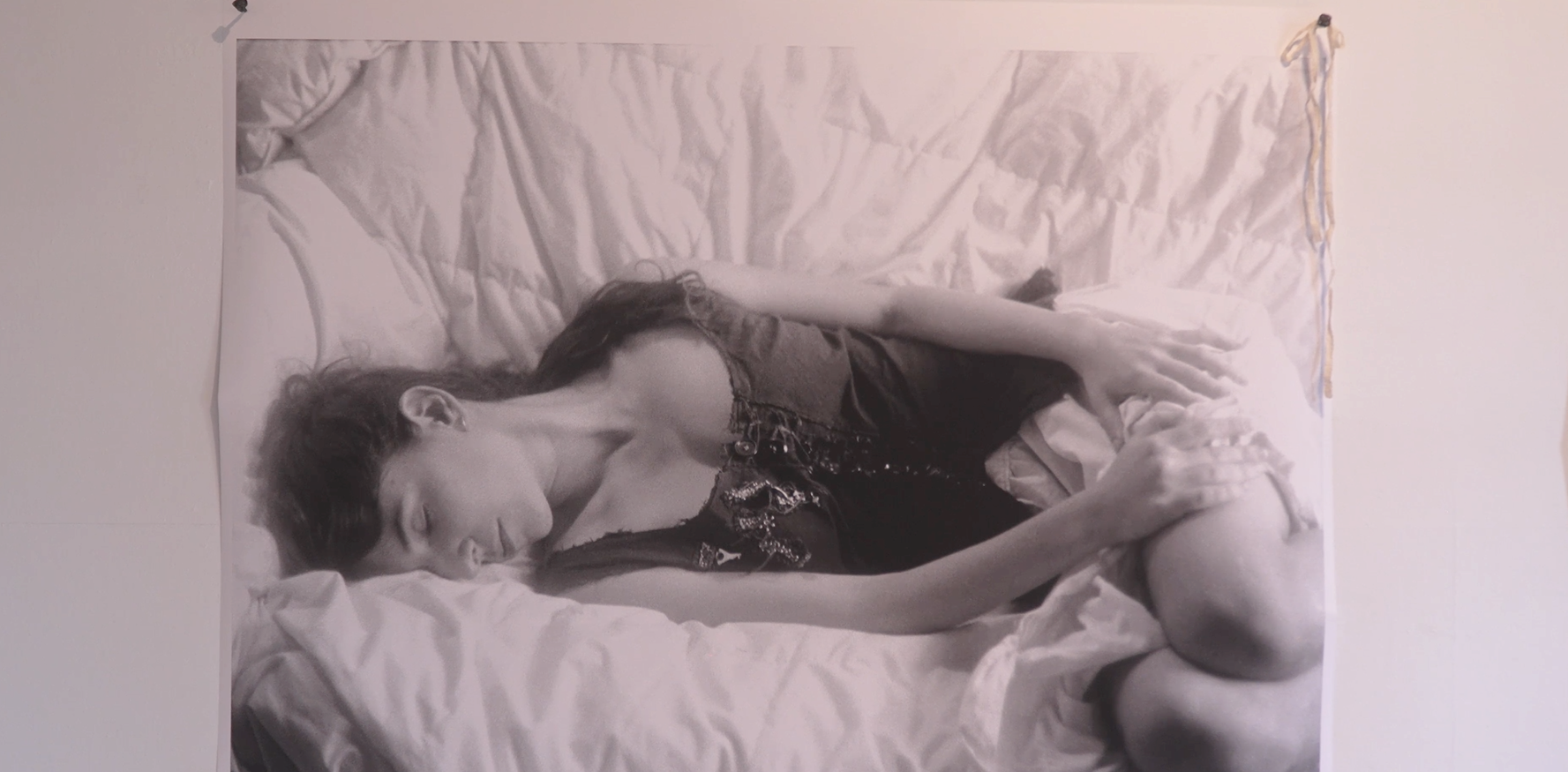
The first floor of the Sala de Armas (Armory Hall) hosts "A Place That Is Not Here ," a group exhibition that brings together works by Ainhoa Apezteguía, Nagore Chivite, and Leire Lacunza in dialogue with a selection of pieces from the Pamplona City Council's Contemporary Art Collection. Curated by Jone Rubio Mazkiaran and Elena Olave Duñabeitia, the exhibition can be visited from October 1, 2026, to January 31, 2027.
The project takes as its starting point the relationship between the building's history and the personal experiences that can be imbued in a space. The Armory, built at the end of the 16th century for military purposes, constitutes a setting laden with meaning. Images, words, gestures, and everyday experiences are now superimposed upon this architectural memory, opening new avenues for thinking about what remains, what transforms, and what, despite its absence, continues to shape our way of seeing.
The exhibition does not propose a linear reconstruction of the past, but rather an open approach to its traces. Evocation, poetry, and the undefined articulate a journey in which the works do not seek to establish a single interpretation of memory, but rather to make visible its fissures, its silences, and its multiple layers. The dialogue between contemporary creations and pieces from the municipal collection establishes correspondences between different generations, experiences, and ways of representing the world.
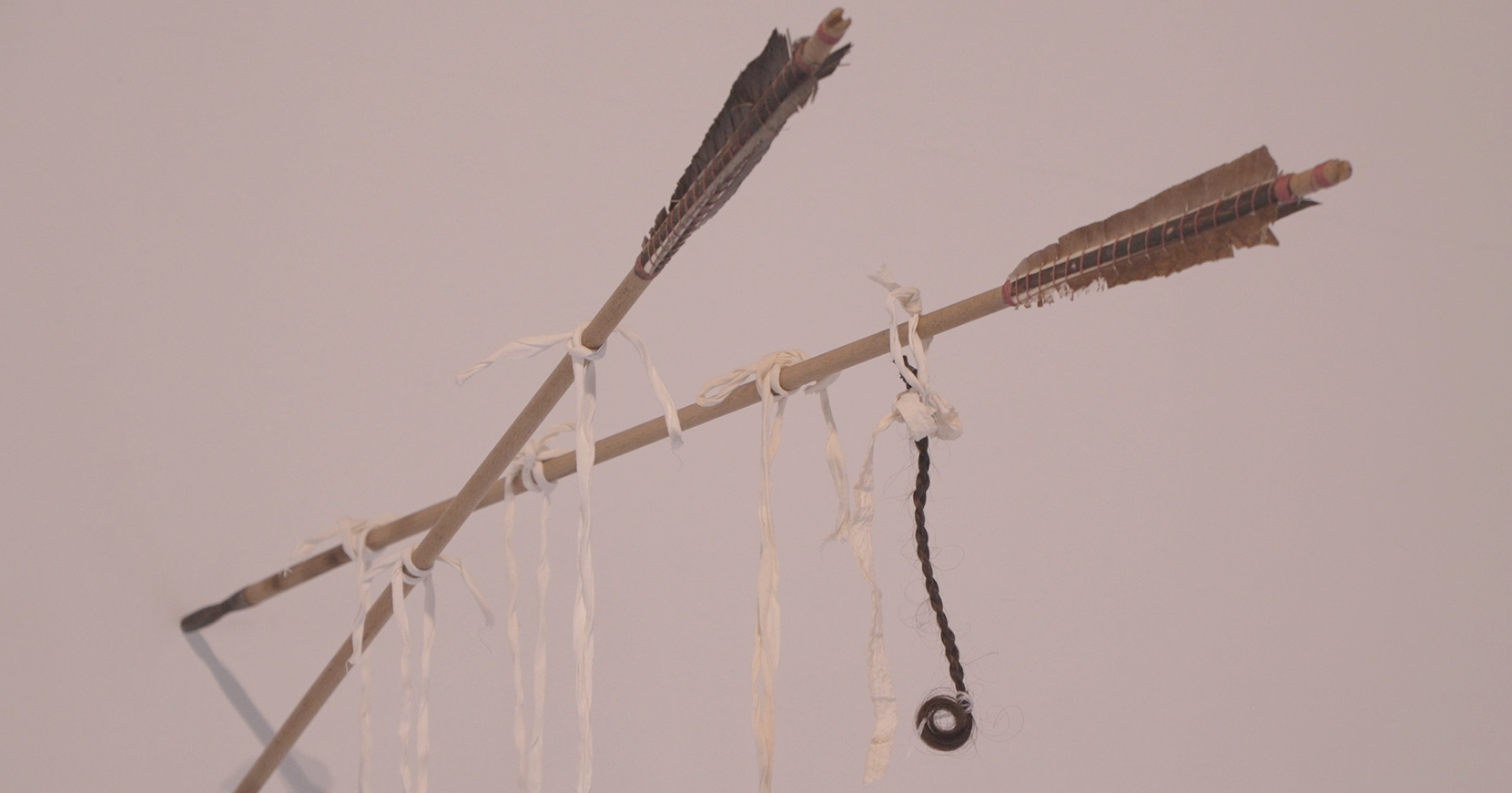
Nagore Chivite Lizarraga (Aos, Navarre, 1999), Ainhoa Apezteguía Extramiana (Pamplona, 2002), and Leire Lacunza Miranda (Donostia-San Sebastián, 1996) approach memory as a constantly evolving process. Their work draws on familiar materials and experiences to explore how individual memories can acquire a shared dimension and how images and narratives contribute to the construction of a collective identity.
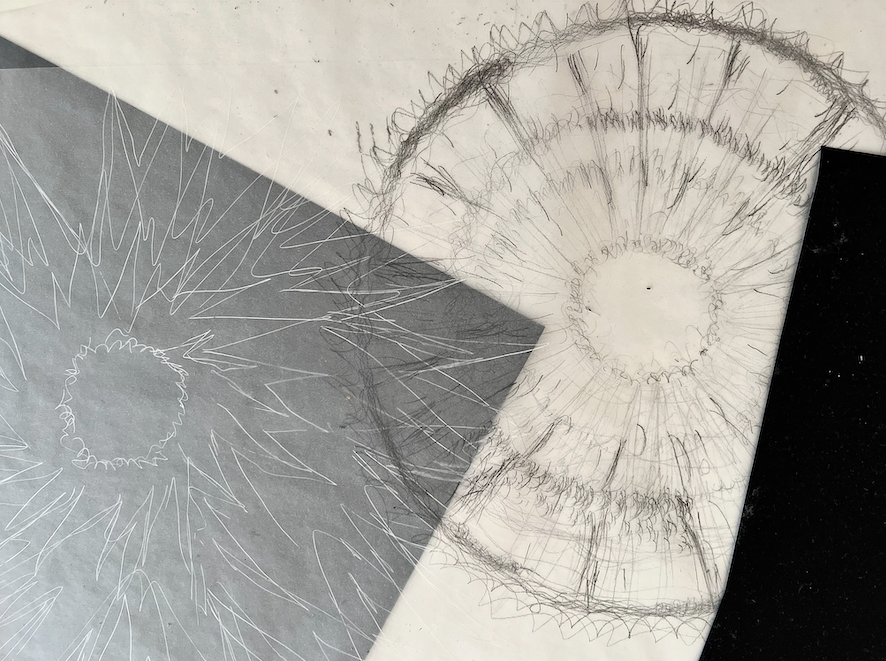
Through video, photography, montage, and installation, the three artists employ different strategies to materialize that which is often difficult to name. The everyday becomes the subject of artistic investigation, while the relationship between presence and absence takes center stage. Memory ceases to be understood as a closed archive and is revealed as a dynamic territory, shaped by experience, interpretation, and the passage of time.
In this sense, "A Place That Is Not Here" finds one of its main strengths in the relationship it establishes between the artworks and the building that houses them. The Citadel's military past doesn't merely serve as a backdrop, but as a presence that shapes the interpretation of the pieces. The exhibition invites us to consider how historical spaces accumulate meaning and how art can reopen them, question them, and offer new ways of inhabiting them.
You may be
interested
...